1 free read left. Create a free account for unlimited reading + AI research.
Create free accountReportInternational Journal of Role-Playing
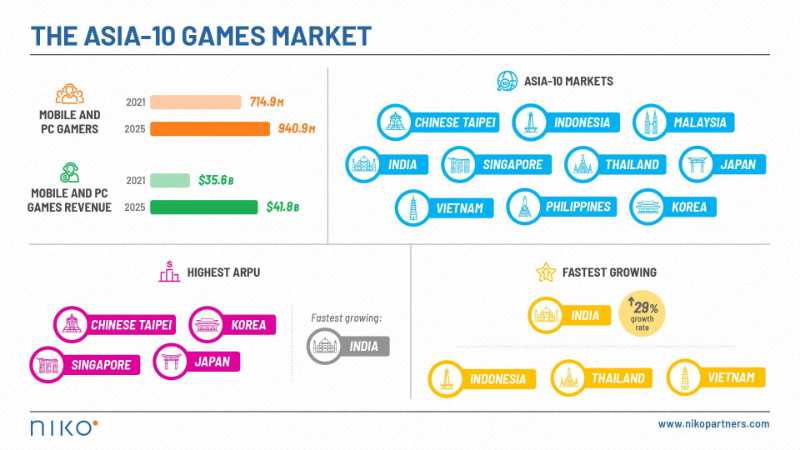
Murder mystery games, known in China as Jubensha, have grown into a major entertainment phenomenon. The market exceeds 20 billion yuan.
Murder mystery games, known in China as Jubensha, have grown into a major entertainment phenomenon with more than ten million players and a market exceeding 20 billion yuan, according to 36kr Research (2021). This document proposes a player category framework for the genre, aiming to move beyond the predominantly overseas research focus on serious games and AI-driven script generation toward a ludology-based understanding of how players actually experience these games. Its central contribution is an eight-type player typology, comprising the professor, braggart, conqueror, detective, actor, politician, socializer, and viewer, grounded in the authors' survey and interviews with 292 players, most of whom hold a bachelor's degree or higher.
The analysis rests on adapting two established frameworks: Bartle's Player Taxonomy and GNS theory, which distinguishes gamism, narrativism, and simulationism. The authors justify this adaptation by pointing to the genre's structural resemblance to MUD games, its social and competitive character, and its lineage from live-action role-playing and detective fiction. Each game is described as a six-stage process of preparation, reading, evidence search, analysis, voting, and epilogue, and players are positioned along three axes: orientation toward the game world, a tension between acting and interacting, and a continuum from fun to seriousness.
Each of the eight types is defined by a distinct motivational profile, such as the drive to win, the appetite for narrative immersion, or the pursuit of serious outcomes like skill development. The authors conclude that this typology offers practical value for designers, since scripts that combine logic puzzles, richly drawn characters, fair competition, and room for social interaction are more likely to satisfy a broad range of players. Taken together, the work positions player motivation as a central lens for understanding and designing Jubensha, with its findings rooted primarily in a Chinese player population.
DiGRA · 2026