VideoPocketGamer.biz
Curated Panel: Behind the Game: Strategies for Building the Tech That Powers Today’s Top Titles.
18 Oct 202439 min video
Transcript
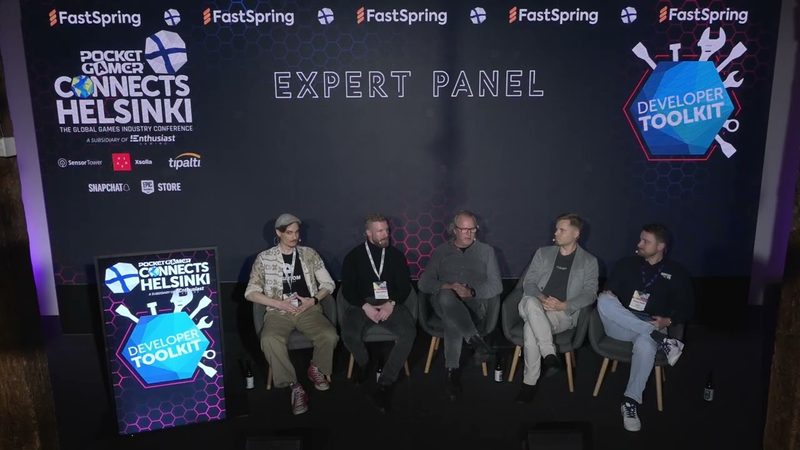
[Music] we have a panel uh that's going to come up and that panel is going to be hosted by our very own um you know uh Craig Chapel Craig come on up and bring your pan oh we've got chairs coming up for you uh I feel like I should help out but uh I'm going to invite the panel to come on up hello everyone thank you so much for attending the final session of the day so we we can sit down sorry uh yeah thank you so much I know last session of the day so uh maybe you're in the way of the beers I think they used to bring beers in I don't know if that's still a Oscar I can't remember
Now's the Time they used to C them in First first day well all right uh yeah so uh my name's Craig Chapel as I said I'm the head of content at pocketgamer.biz but with me today I've got an excellent panel uh we're going to discuss strategies for building the tech that powers today's top titles uh we're going to dive into basically the The crucial Tech decisions uh required to develop and sustain top tier games uh but that's kind of enough of me talking for now we'll introduce uh the panel so if we just go down team if you could introduce yourself yeah yeah uh hello everybody B MOA co-founder uh Chief product officer at metlay we do back in tech for games uh Marcus I'm co-founder and see of of bit magic bit magic is a gaming platform where any can can anyone can create games through text prompt so you write a prompt and we create a game for you that you can then refine and and then share with your friends hi uh r
founder of Future run we a small gaming company uh currently building a multiplayer team sport game started last summer hello I'm Tim just a few weeks ago I think I I got to the 14th year at supercell uh been uh developing games uh and uh kind of many like I was starting our investment brand way back and been leading super super store and now focusing on the investment and new opportun ities that we can create together with them so basically we've kind of got a who's who for for for this panel basically it's going to be great so uh the first question I guess like to set the scene so you know say you you sit down to make a game today uh what's the first thing you think about when it comes to a technical and live games perspective and are there things now uh that are there things now that you're expecting that you weren't 5 or 10 years ago so what was the main things you think about now now how's that
changed you started first yeah yeah so again we started last summer so we had to do a lot of these let's say technical decisions during the past year and I think just roughly splitting it in two categories so you have your let's say cortech like choosing the game engine choosing the back end technology whatever multiplayer technology you're going to use I think that's a big thing because later on those those things are very hard to change after you started development and then there's of course tons of let's say smaller technologies that you can adopt there's a lot of Assets in the asset store for example if you're using Unity so as a small team especially where five people so we have to think about how to utilize uh those assets the most effectively so so and there's been a t t that we've been using during the past year yeah anyone else yeah I can add add on I think in in often how we think is like what is the central to your your idea what is your vision for the product and and then essentially build
internally things that are are absolutely essential and then again like same thing for us as a small team really finding those third party Solutions uh when they're not Central to to your your differentiation and kind of like you un sell point for the product and maybe on the second question you were asking about the differences I think there's a massive amount of differences and I'll just highlight maybe the one one which would be the just live service how it has changed from the gance point of view and frequency point point of view if we think about 10 years ago maybe you have weekly events and you have a sale here and there and then it has been evolving into daily events and micro events and essentially then the the the whole liveops is is I think a completely different piece from 10 years ago yeah and we we end up hearing um pitches from quite a lot of startups nowadays and I feel there's a massive difference to even five years ago where there there used to be this idea that you can even prototype the game and then sort of figure figure out what the
business might be based off of the Prototype that you have and that's just like 0% of what I hear today which way more that the the I don't know the service experience of the game is part of the pitch so then you incorporate yeah live Ops or whatever it might be you you guys have ai which is really cool into the very first beginning pieces so I think that drags a lot of the big decisions earlier into the project yeah definitely align there also like of course like through the years like we've been developing our own systems and uh we see like working with startups like both you the year that like to expect that the company from the GetGo could build systems that you can have even just to support the early beta beas of the game so like tests uh it's qu quite a hurdle like because basically you need to have the assistance from the from the GetGo and I think like most of us here like we are building gaming companies and still super so we Define we are a gaming company and to have service that like
fulfills the need uh of the game team and like develop it by yourself with a limited resource is is is a massive challenge actually maybe elaborate a bit on that but you made an interesting point about you know when you choose for example the engine at the start the important of importance of that decision how important is that decision just in terms of the long-term view of your company so correct me if I'm wrong with this question but like your first game you choose to use unity and you choose certain tools to build that then you staff up presumably with that expertise for those tools so then does that make it very difficult down the line to change kind of the tooling that you're going to use so how important are those decisions or can you just change down the line if you need to if that makes sense yeah I think you can definitely change during the way but but of course uh changing mid project is very difficult so I think you're pretty much married for that project or otherwise you're looking at at you know a huge
development time cost between switching so obviously if you're building a you know very high quality Graphics game you need something that works on consoles you have a you know you can choose un real over over Unity but for example we we are developing crossplatform games so for us it's been very important to kind of like have that performance on mobile as well so I I think that Unity is still a better better choice there but but never the case I think you can change definitely but uh yeah it's just a lot of cost so you have to be careful when you start the project what do you need in your game what are the featur set so you need to be a little bit looking forward in in that way and uh kind of going back to you know you sat down to make that game and we asked that but like what's the hardest thing about building the game and and I guess from a tech perspective you know what might you regret later from those initial decisions any regrets yeah well I I think at least from the previous company we we we have built quite a bit of
Technology ourselves as well so I do regret some of that stuff so for example we chose to build quite a big back end for the pre on the previous company for a game and now obviously uh depends on what's on the market now it's a little bit better position now with you can get a let's say much more sophisticated middleware at this point so so I wouldn't do that again but then again it's always depending on the company I think the many of the old companies that have exist for 10 years like supercell they have a lot of the the tech techology that they built over on that time because they didn't have any choice uh so I think it comes to that as well so if you're building something that you cannot find anything on the market you have to build it yourself but if you can I think it's it's quite a risky move to build it yourself yeah I would add on that one just the notion of kind of time to learning if especially if you're a young company you just have to focus on your on your core product and then find all the means to speed up the development so again find those third party solutions that could fit into your purpose uh if they're not ential for
you and and what are like you kind of touched on this really but maybe there's some other things you want to elaborate but like what are some of the fundamental needs of a top tier game today and how has this changed over the years because that seems like I don't know games are bigger than ever you got more players potentially than ever so how's how's that kind of need changed uh like remember in the days like when we let's say released hay and class of clans like the first of all we didn't know even how to do liveops and nobody else on the like Western Market knew and uh like our hypotheses that we will keep the teams at like head count of like six to eight very small and we are able to serve the audience uh like it worked for some time but it's clear clearly like wouldn't work today so their expectation like how you manage the service what kind of content you give them how how you manage liveops not just like I'm not talking about like monetization events but actually events that make make the game meaningful they
require quite a different setup not just on technology but also on the kind of how you managing the team and the life cycle and then of course like the expectation on on the player fantasy like the game is one one media where you're consuming that but they are expecting much more to kind of broaden the fantasy that they have in their heads when they're playing the game they're playing the game but they want to see content from influencers from us uh making massive video content for different seasons so like yeah it's 360 change yeah yeah I think one thing that I've I personally found really interesting is that like the the ideal team for a top Crossing game has changed quite a lot I don't know if you guys are seen the same thing but like for example there used to be a time when you'd kind of have a a designer and that Designer would do both the systems and the content and sort of the player experience over time but now I think it's closer that you'd have dedicated
teams thinking about the systems then dedicated teams thinking about the content and then you'd have dedicated teams thinking about just the scheduling of the content right and then that brings more and more and more complex tools to it so even like the process of how do you get to high quality is like completely changed and that's super new to me at least yeah I 100% agree I think the as you game grow and like top grossing game uh again the the amount of of of proses and myap you really tooling you need for running that liveops I think is is the probably biggest exactly when you have a big game you just you could run it in a past with small team partially because the gadance of everything was so much slower now the gadance is is essentially on on hourly basis so then the amount of events you need to deploy is is is is very massive and then thus you need a quite a lot of team or and really really good Tech and I think the the process comes there to like bring people together because like now with biger teams and like trying to
offer more like you're starting to have more specialized disciplines even like inside this design as you just mentioned so you you somehow need to bring these people together to make sure that they're aligned what the team is working on so like that of we we used to in the early days think like process is a curse word but now we think that like good process is something that like empowers developers to do something great so it doesn't need to be something that blocks you it can be something that empowers you is that like a um like how this this question mileage will vary but uh like what kind of sorry with the changes in kind of how important like the text stack is you can't just get a designer to kind of do this like how big does the team kind of need to be for certain levels of game so you're working on different kind of levels of games like what's kind of the team structure specifically and how many staff are on those teams that help support the tech
if that makes sense well well I think it depends on a game as well there there's obviously this very very content driven games or super like a high focus on the let's say live Ops games that there's so many different types of games and and I think it comes to that but definitely at least the team sizes have been growing that's for sure yeah and really much about the kind of stage where the game is that like I think like that has also changed quite a quite radically uh during the past decade that I still believe that like good prototype a good Early Access game like you can do with like team from 5 to 10 but then in different stages you need to be not just to have bigger teams but different people in the team uh to kind of like you have a rocket you're launching a rocket in in different altitudes you need different engines so like like we don't see that much that it's just one team from the get-go uh that can deliver a game to kind of live live op stage yeah just add quickly add I just um I was running EA Studio before before
joining a bit magic and founding bit magic I think what Tim more mentioned is like I even say that theol if you think about as a muscle sets there are completely different muscle set needed for incubation and building an early early product and bringing it coming into live and then actually doing the liveops so there even from like team members personality point of view it's a very different still skill sets and personalities that you that work best in those environments so in a way it's even two different beasts yeah yeah for sure and actually we're seeing that also like throughout again different teams different portfolio customers where like the the early team I said very small but then there's at least three stages right where you definitely want to get to 20 people and then with those 20 people you suddenly start to figure out what's the basics of my I don't know customer support and like what's the basics of my very first live Ops rundown of like what's worth doing essentially but then somewhere on the top Crossing side you you're looking at 100 150 people and an in insane set of like processes tools so
on that makes that team effective where the the classic example is like if you have I don't know five five more small design teams within your team each staggering more and more content like how do you even uh test that without those teams tripping over each other uploading configurations having different environments like doing different builds that are not compatible with each other suddenly it's a very like Suddenly It's a technical problem just to keep momentum up and you just got to get up to 150 people so that you can have the content threadmill to feed the beast when you have 200 million players or what that whatever that is quite quite an enormous undertaking to say the least so um I guess one of the question I want to ask is you know what considerations is going to kind of building an internal technology or using a third party provider and then how do you make that also how do you make that decision when to use internal when to use third party yeah that's a that's a
good point like uh I think in the past at least we've pumped into situations where you kind of adopt the blackbox I think that's that's uh pretty scary for developers so if you use some service that you don't know you don't have the source code access and and especially if the the the service that you're using is quite new the company maybe not padle tested enough uh there might be issues where you know something suddenly happens and you're cut out of that service and then if it's a very like a integral part of the game then that causes a huge issue so I would first look into kind of like if if it's a very critical part of the game and and and so called core technology that you cannot change during the project be very careful on who you sign up with so I think that that's where you have to really do some du diligence there uh and as far as then the let's say the smaller third party tools or technologies that you use that you can easier more easily replace I I think with those what I've been doing for example is just couting the asset store uh getting bunch of
different tools testing them out seeing if they fit the you know fit the product if they work well if there are any issues stuff like that and then just throwing the stuff out that doesn't work so I think that's a you can use that mentality very easily on those tools yeah yeah maybe I don't think there's a lot of cover by R but um I think often people think that hey it's a really quick to do internal tool like it's it's not a lot of development effort but then people don't often think about the overhead that comes with maintaining it over the years and and and the environment changing and is is your internal tool actually going to be competitive with the external third party options with are then commercial tools that keeps constantly developed by a professional team um I think again it depends really what is the use and how how Central it is to your product yeah very similar to thinking that like now if we start developing a new tool that we understand that we need to pretty much build a product team that like if if you just really build kind of solution like you don't have the
maintenance uh Team for it that takes the accountability what what's happening there and manages the road map that even like if it's an internal tool it's the road map should be strategic so to some extent independent thinking big picture not just serving the game team because other otherwise if you're just serving the game team you're always like one step behind you're always just asked to do do features instead of like proposing new teams so but yeah yeah like for us it's obviously it's integral topic and like I think buying makes sense otherwise metap playay wouldn't exist like categorically obviously but also like the way we do our Tech is that you build on top of it so you still end up in the same question right of like what what do you want from metap play and what do you actually want to make yourself regardless of using meta play and and that sort of comes down to like what is your secret Source right like what's what's the thing that you need to own and understand and become Experts of so that you can tweak it and make it amazing uh and personally I think a lot of tech is mostly just unnecessary evil
you kind of need it to work and like please don't talk talk to me about it ever again like the maintenance part but actually like I have a question for you like what what if any could you highlight that there has been a secret source that like truly was worth building in retrospect I'm sure there's a bunch like you had amazing multiplayer Tech back in the day when that didn't really exist for example yeah I think like of course like they say back back the days like the Ser Che that we we we built it was like it's robust and it's still old school and it was back then already old school uh but it's like built on like robust foundations and learnings from uh uh like from old projects from the developers so that is definitely the right choice for us not not maybe cheapest to maintain but is like still I would say like one of the most scalable backend systems and and of course then like identification platform that we built like our daus is on their own
level and we made a decision to develop it internally and that was definitely the right choice for us uh to like serve our players better to save their accounts but also kind of understand our players a bit better but but there's been like hits and misses so uh misses often have been that like we deop something that nobody owns properly and then it gets left there as a legacy and then somebody like wants to take ownership of that but like nothing is documented because it was done ad hoc to serve the need that that particular team had one point is there is there a point like uh when a company grows to a certain size as well so maybe you started off using third party tools but is there a point where you have to start considering maybe we need to build our own uh internal tools that are tailored to what we want to do and I guess what would be the reasons for doing that as well but is there ever a level that you get to yeah I think there's definitely a point like obviously even when you start game you can calculate the for example in our
game we we had to calculate you know future server cost what they would be per CCU or the or something like that and of course when you have a small team it makes sense to adopt those things because building the technology from the scratch would be so expensive from the from the let's say the the initial funding that you have but obviously if you would have let's say millions of players or the size of super super cell for example it becomes a different piece then of course with those player amounts you know those cost can you know accumulate quite a bit and and it might make sense for you to build your own stuff and and you can you know obviously then have the funds to put put a lot of engineering power on building those systems but definitely from the if you're raising a seed round or some kind of like a smaller round and just building the core game I I I think it makes no sense to spend that money on Building Technology yeah but is kind of like of course like the bigger you get uh the more kind of the supportive techn Oles of services that you're building
become strategic and if it's very strategic then you kind of need to own it because the risk as we discussed previously can be too high that uh middleware developer company like gets Acquired and then suddenly like maybe the service doesn't disappear immediately but it doesn't get the love required after that anymore so like if we see that something something is truly going of strategic for us you know because the resources that we have we do consider always like should we develop it but it internally or not yeah and I actually have also a slightly different perspective to that because again seeing sort of how what our customers have done I I think there's a category of stuff that is just the secret Source sort of uh that for some of our customers have been like really clever asset uploading and asset generation pipelines or something that they sort of build a small extension whether it's inside Unity or on top of metap play or something that allows them to say do some kind of redecoration game that has just millions of scenes and
like unique furniture and so on so that's like an asset data management problem at the core of the game Prototype itself so obviously you're going to going to figure that technology out and like you guys are doing AI so I assume some amount of building is involved yeah I mean again I think maybe repeating myself a little bit but I think it really depends on what is Central and what is like the the heart of your company also from technological point of view what is your how do you stand out from the crowd I I think in general like the the market is so overs saturated at the moment that you have to have something that something unique to offer and then from that unique what is what are the Technologies there that allow you to pull off something that doesn't exist yet and then yes you do want to own that tech and and I think like then making that your some very strategic even for small company to have a very strategic uh component in the company but then I agree with again with with Rec you have to be mindful on the as you start growing you have a you have capabilities to bring in some of those Technologies in house but I guess it
also beautifully crosses over like you were asking earlier on on like related question of that you sort of becomes become an expert with the tools that you use and you sort of kind of have an inertia from you know switching after the fact so in these cases like if you if it is the heart of your company and you start building something then you become an expert in the thing assuming it's not a oneoff that you know goes in the No Man's Land afterwards but like you become really good at know self hosting or you know become really good at AI Whispering or whatever is the thing and I think that's important like building competence in the thing that's actually the heart of your company which might be technology related and I think especially if you're more like building I I think often times if you build multiple when you get into Stage that you have multiple games then of course those synergies in building that you can bring the learnings from the previous game into a next game so again same thing that it applies of course to game design and and and other parts but it also applies to technology like said that there's a learning curve in
technology and then if you scrap it you start from a scratch so often times it's easier to keep building on on on the expertise um how do how do you prepare for a launs to ensure that you know from a technical standpoint your game is actually ready to support millions of players and how do you try and anticipate those numbers in a cost effective way I guess we've we've seen many like high-profile examples if I just name one on mobile game this year I think hell divers tooly had that issue but pretty it's kind of almost a given that games will have this issue now but how do you prepare yeah well well I think at least uh yeah but in the previous company we St our own own server technology and and kind of uh didn't have the user base and then sudden only we got to 1 million da in in in a span of 48 hours or something so it's definitely difficult especially with your own deck if it hasn't been battle tested before that's that's the really tricky part so obviously then if
you're using some kind of backend engine now that has been you know tested in scale that's that's a that's at least uh easier in that way but in any case I I think regardless of whatever you use it's still uh you can prepare but up to a certain point let's put it that way of course something like if you have a positive problem that the game go goes completely crazy then of course uh there there might always be issues however you know well you try to uh kind of yeah get to it yeah just I think again in general of course you can try to prepare from like FL testing point of view and then kind of like look at the player patterns how how the early audience play in the game and from them try to build some kind of understanding and and and load test the system but yes ultimately I think it is really hard to prepare I don't know if people have more more no we have expertise but it's still like it's always a question in the end until you get the load like you like you can do be prepared but it's yeah we we've
seen it multiple times that like unseen problems occur because there's some changes in the logic or some some differences how how you yeah doing matchmaking or like how the uh soldiers in the game are like to have finding the path so the the yeah M factors yeah yeah so I think they in the spirit of making it more concrete right other than yeah it's hard should probably try it first but uh like I there's obviously a couple of things that you probably definitely want to have in place right customer support because that helps you recover from unexpected things you probably want to have like admin tools to be able to give out resources to players in whether it's in compensation or just like normal daily operations you probably want to have those load tests yeah so that you you're able to have technical scalability you probably want to have OTA update pipelines so that you can keep the momentum suddenly then when the game starts scaling uh what
else that's s it's it's a list right a long list it seems like you have to have these like long conversations with your teams that about like we're going to have this technical Challenge and then so then all the teams going to have to come together okay we're going to have to do this this and this and all work together in different way I I even like right now like your your expression when I start listing the things goes like oh God yeah I didn't even remember all but it goes together like every discipline in like game development like they have their own laundry list yeah I I was going to actually say the from like uh how do you prepare like from from Super perspective you you've kind of had two things happen in the past year which is you're launching a new game which you launched Squad Busters which had 40 million free registrations so you had to I guess that was a good indicator to prepare I guess that helps but then you also had uh I don't know if it changed a number of players uh but RW Stars had a massive surge last year and how do you how do
you prepare for like both different kinds of things so not just a new launch but you make a new update to your game and is actually you anticipate it to do well but if it kind of explodes and does really really well how do you prepare for that of course I'm not a technical person so like but but again like once you've had the scale and you're kind of repeating and maybe going bit like it's easier to go from 5 million to 10 million than from Z to 1 million so so you have better understanding how the how the technology and how the service is working and but like as like they like said like like there's other things involved like if we mess up if we need take game to maintenance like we are able to reward players and they they get reward they actually know that they knew the reward the early days is we gave a reward and suddenly like the diamond number went up but nobody noticed and we said like you got diamonds but they didn't see the animation diamonds going up so they're complaining to player support the L we didn't get the diamonds so so you need to have a like thorough like we messed up here's a reward press
a button and then you claim it and then the number number goes up though on the background it was already on the inventory but there needs to be a way that the player really sees that like you're compensating them and I was going to ask like they kind of touched on next question which was like how do you how do you plan for failure so something slips up in your in your text stack do you already have these kind of contingencies in place and what kind of contingencies do you actually have to have in place I guess it depends on what what's going if the servers go offline or something I think most like good developers are Paranoid by Nature so all the time in your head you're running based on your own responsibilities like what kind Lo release you need to have and the Ser guys particularly though they always seem somehow like peaceful like Zen musters but like on the background they are like processing the data so like when I be leading like a game like like luckily I'm in a position I don't need to really care about it because I just trust them you I just add up I think like I think
the that's something important which is especially for early startups like how do you communicate your players like when something happens whether it's rewarding but again like whether you have ingame messaging if you don't have ingame messaging capabilities yet what else can you do so essentially just have the fire drill that you know that okay if the game servers are completely down and nothing works how do you deal with it what is your kind of like step process there so it definitely can't just be it's happened what do we do now you need to know before like okay this is how we're going to tell players obviously I guess you already know kind of probably how you going to fix it and then this is the reward we'll give so you already know that beforehand yeah you have ch yeah if nothing else like actually like a funny anecdote the very first thing that I ever built into our like metaplace pre-alpha dashboard was a way to give rewards to players in the eventuality that you have to ask for forgiveness yes and the second thing I ever built was like a small label of so what is the
language that this player speaks so that they can understand the message when it arrives and so like and decrease from there but that's also part of our onboarding for new customers so kind of saying please please please please put this stuff into your game you're going to need it so yeah communication makes it everything else possible but then beyond that actually like the more advanced scenarios because I feel like those are interesting as well uh usually has to do with segmentation because through segmentation you might have a subset of your players that had a bad time because I don't know something happened in Brazil or like some data center went down and you kind of want to you don't want to talk to everybody all the time then suddenly you want to start to be kind of communicating towards a small subset of your players uh and that's a little bit more advanced but actually comes down to very similar like live opsy systems um so yeah just have everything in place you know up front that's good um but also I think on the sort of previous question one thing that is profoundly helpful like yeah load testing in general um but actually I
don't know if you guys have it at at supercell but like actual simulated bot players to drive representative load into the game right I don't know if we're currently using but we've used in the past yeah there you go exactly where it's the same idea of like from zero to a million kind of difficult uh then it's going to be a different class of problems from 1 million to 100 million like so and those problems are only behind like very Advanced game mechanic somewhere deep in the system of like yeah your matchmaking stops scaling at 20 million players but just fine to five or something so then you really need to try to simulate like a global scale hit to find all this weird little Corners that are going to break and a lot of that is usually on the game mechanics side and not necessarily on the backend systems side is that they're so interconnected at that point yeah actually adding on that one I I think on previous point I think when you to simulate L one interesting challenge is that when you're doing a game update or
an event that changes player Behavior it might be sometimes really difficult to actually design a load testing that would capture what's going to happen because you don't know how again new feature for example change the overall behavior of players and and their engagement within the game so often times then you're kind of like well we don't know what happens and then you have to just be prepared uh I think we've we've got a few minutes for questions if anyone has a burning question this is this is your chance this this is literally your last chance of the day it's the end of the day as you say Oscar you've always got a question um well it's difficult because you kind of covered a lot I mean I think the the question that was raised earlier about because I you took me back to my old days when I was thinking about when we were launching PlayStation home and in that era we didn't have access to Cloud we weren't actually allowed to use cloud because it was still new so didn't like it they wanted to do their own thing we
ended up having to spec the whole thing so we could deal with making sure it didn't go down and I don't know if that skill still exists but I imagine there's still some value if you know if you have some level of expectation of what your audience numbers could be having some level of like box you know you know actual sort of metal in a room somewhere of your own and then burst with cloud is presumably still a useful skill um do people still think about that or is uh at launch is it just stick with the cloud and we'll think about you know metal later does that make any sense yeah well I'll go first because we have this conversation uh fairly often actually and maybe like do you guys have color on it but what we've learned over time is that no matter what your ambition level like even if you want to be top number one Crossing in the whole world usually in the beginning the last thing you want to do is think about the servers like not at all so it's it's a gradient right from like I don't give a
damn into hey this is sort of business critical to us and sort of like the vendor risk starts going up and costs start going up so we we see this path from hey metap playay could you please host our servers for us because like please and uh into yeah okay could you teach us how to maintain our server so that we can learn over time to you know become good at it so that we have options if we want to bring it in-house into our own AWS Cloud so because going to own the database and make sure that it's in the EU and not in the US or whatever and then maybe offload the compute only the compute into a cheaper cloud and maybe even inhouse at some point like hybrids yeah but does that resonate or am I hallucinating yeah I I think it's something that describes the current situation at least so obviously when you're building the first version of the game you're building a prototype for example you don't want to think about too much about scaling it's kind of like too early to to really go deep into that
but of course it's a great end as you said once you go further you start to think it more and more and and closer to launch it's it's very critical to kind of think about how you're going to handle it so I just think it's especially when you've got kind of like a big brand you're working with and you've already got an idea of critical mass which I think is the fundamental problem now I'm very proud that we never broke you know we were one of the few multiplayer Launches on PlayStation at that era that didn't go down uh and we did double the number we thought we would but not double what we planned for thankfully but I again I think this is an interesting kind of conundrum for any developer is working out what they do most people don't have this problem it's only when you're dealing with a significant enough brand you know the audience is going to come in and it could really go bad on you if it falls over I think that's kind of where I was looking at it anyway sorry uh cool and uh I guess if there's no more questions I think we are over time despite what this says we're all good no
no you had you had we we were running over a few minutes in a way thank you very much guys I think that was really excellent and like I say doing this planning for any kind of live Ops experience or any kind of launch experience uh across the board you know all of the topics you guys have covered today are massively important and it's it's hard if you're coming at it as a relatively new developer or if you're an IND developer some of the scales that these guys have had to had to deal with um we should listen into that because it can be very useful to us anyway so we don't fall into the same pit traps guys thank you very much much appreciated so much Round of Applause please [Music] [Music] n
[Music]
Auto-generated captions from YouTube — names and numbers may be misheard.
Key insights
Distilling the key insights…
Ask AI about this video
Cite this video
Citation
Generating citation…

















Comments