Key insights
6 slides
Player Base
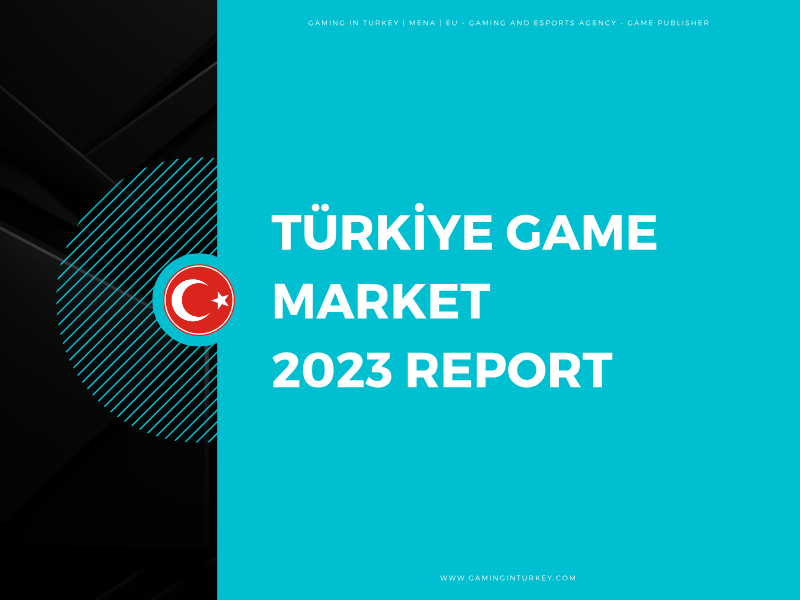
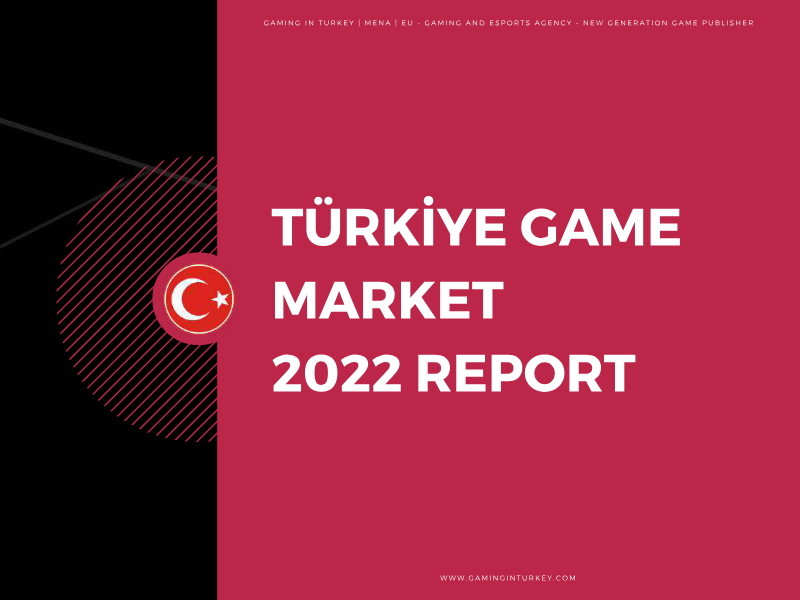
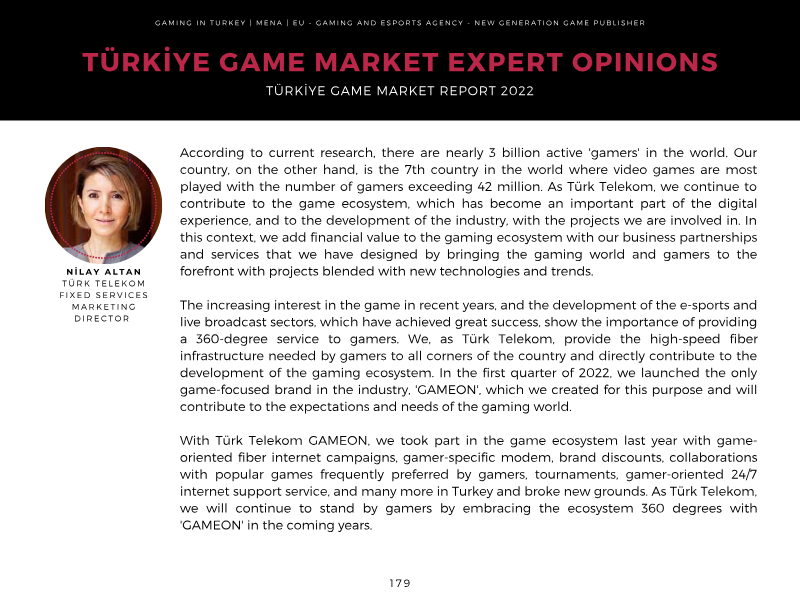
Türkiye maintains a robust gaming ecosystem with 44 million active players.
Istanbul is a central hub for the increasingly professionalized gaming infrastructure.
Investment Highlight
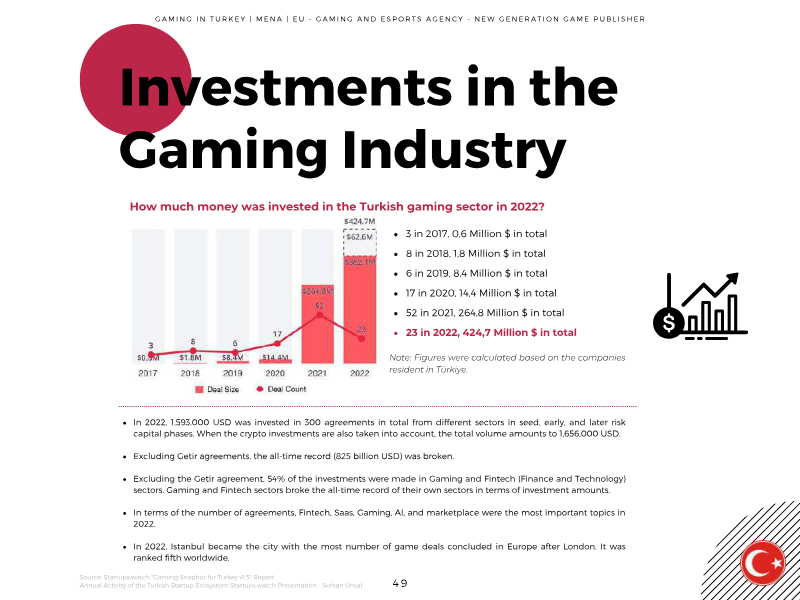
The Turkish gaming sector secured $424.7 million in total investment deal value.
Despite the market revenue decline, investment activity remained strong. This record-breaking funding cemented Istanbul's status as a global gaming hub.
Development Focus
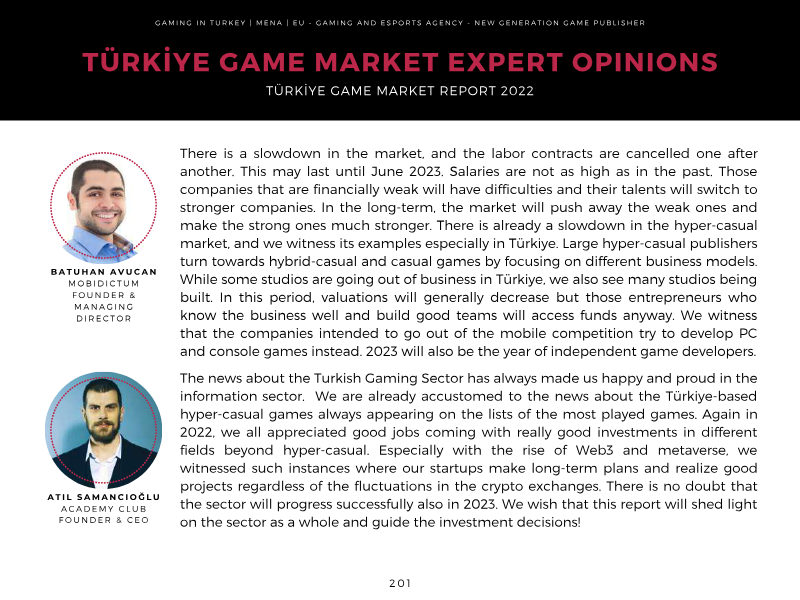
The industry is pivoting away from hyper-casual mobile titles.
There is a strategic shift towards hybrid-casual, PC, and console development.
Industry Maturation
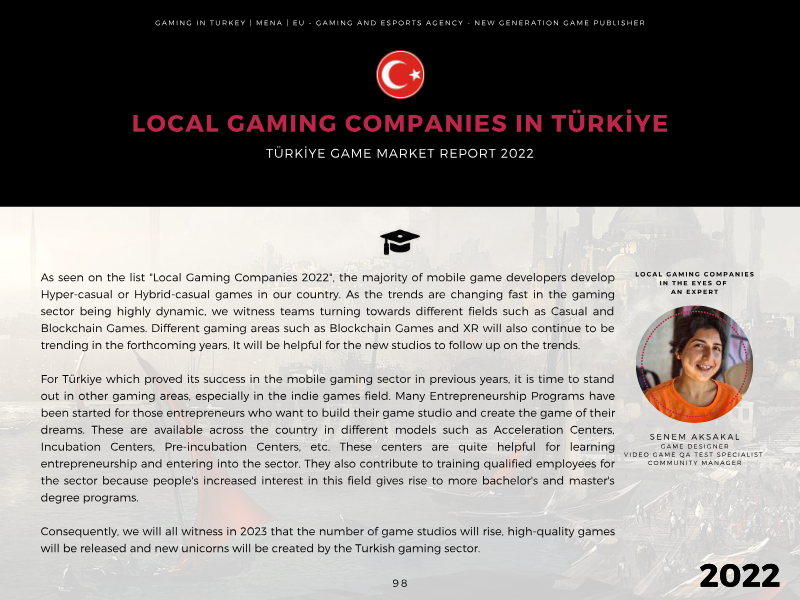
Industry professionalization is supported by official recognition and educational expansion.
The Turkish Esports Federation received official recognition. University-level game design programs are also expanding, fostering talent development.
Sector Diversification
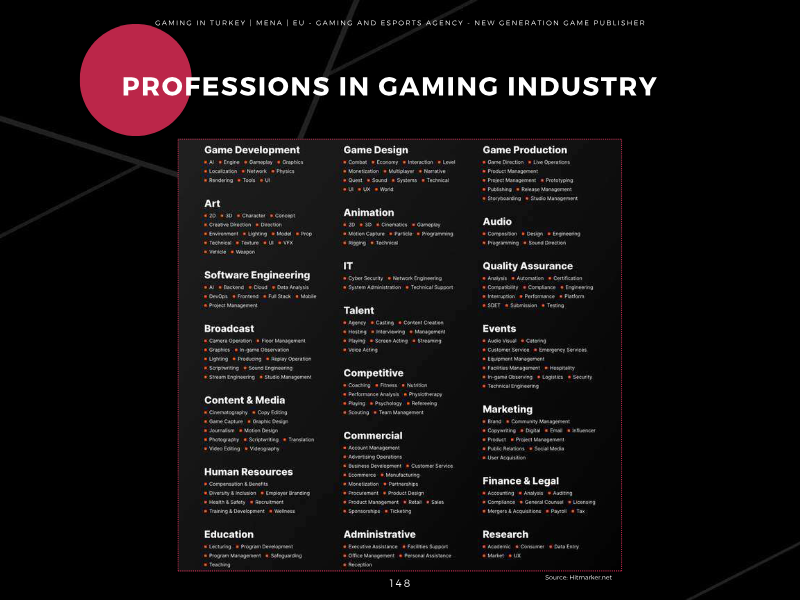
Development studios are diversifying beyond entertainment into new sectors.
Game design is being integrated into areas like aviation and defense.
Future Strategy
Future growth strategies focus on advanced technologies and high-quality IP.
There is also a shift towards creating high-quality intellectual property for sustained growth.
Growth Focus. Future growth strategies focus on the adoption of AI and Web3 technologies alongside a shift toward creating high-quality intellectual property.
1 / 6
Ask AI about this report