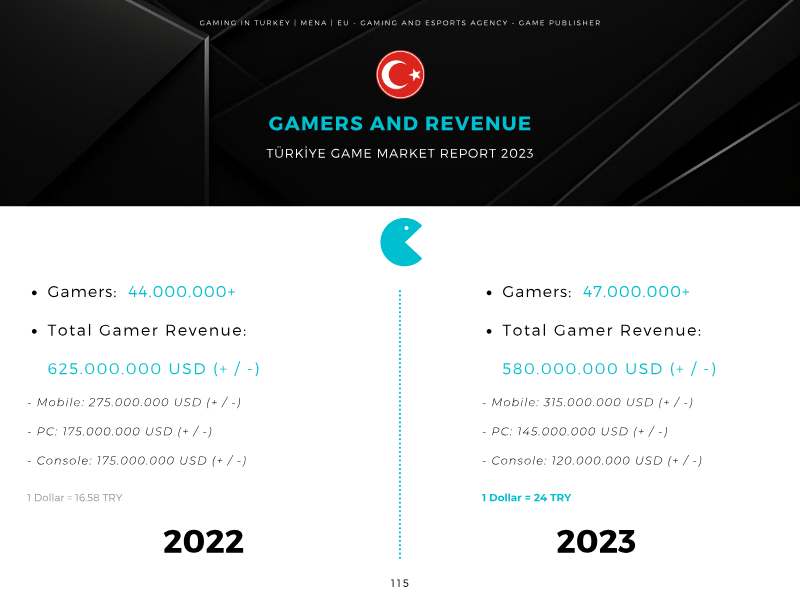
This revenue was supported by a player base of 47 million people.
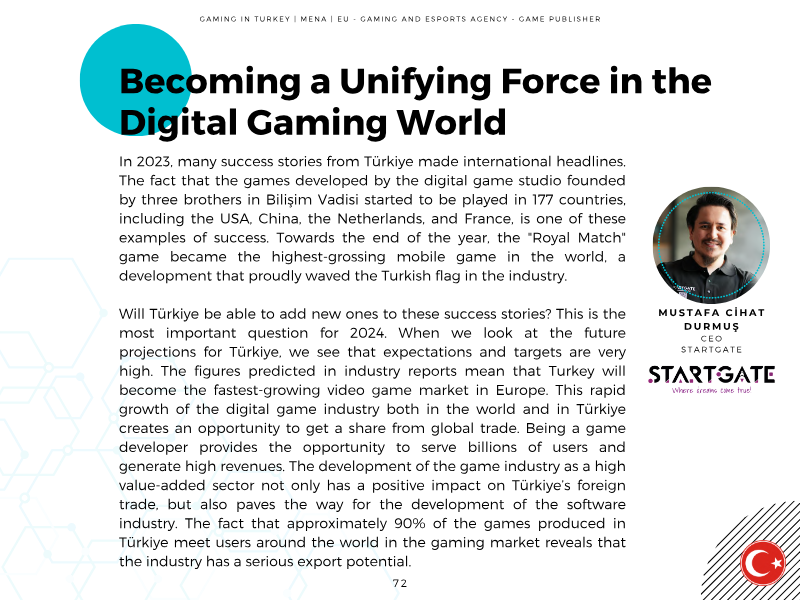
Titles like Royal Match demonstrate Türkiye's capacity for world-class content.
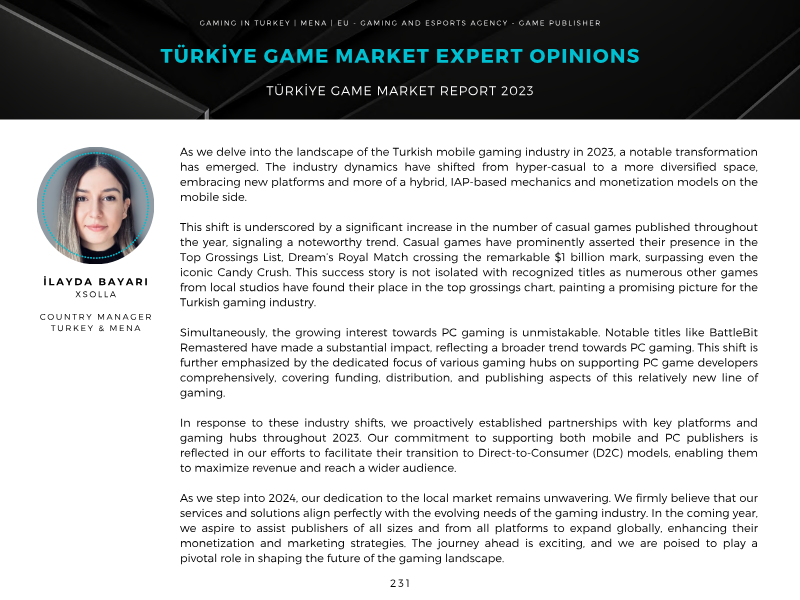
This transition is towards more sustainable business models, including hybrid-casual, indie productions, and PC/console development.
It's like a restaurant moving from fast food to gourmet dining, focusing on quality and diverse offerings.
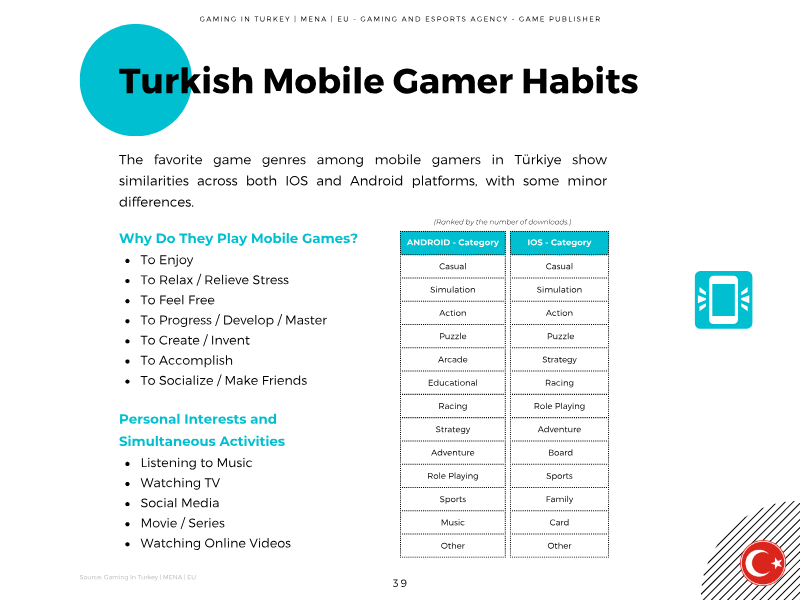
This dominance is bolstered by high smartphone penetration and the integration of AI for development and marketing.
It features a gender-inclusive player base that continues to attract significant brand investment.
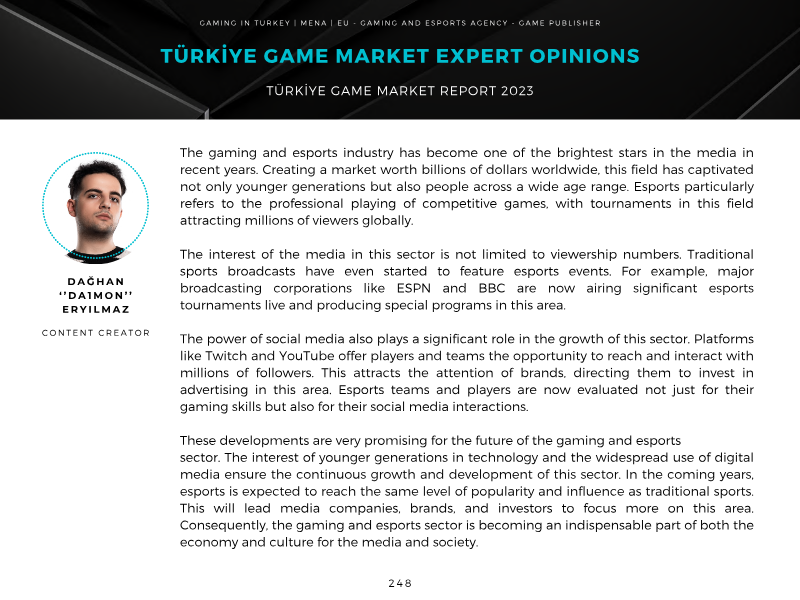
This is being done through academic-industry collaborations and adapting to evolving data privacy regulations. These efforts aim to ensure long-term growth.
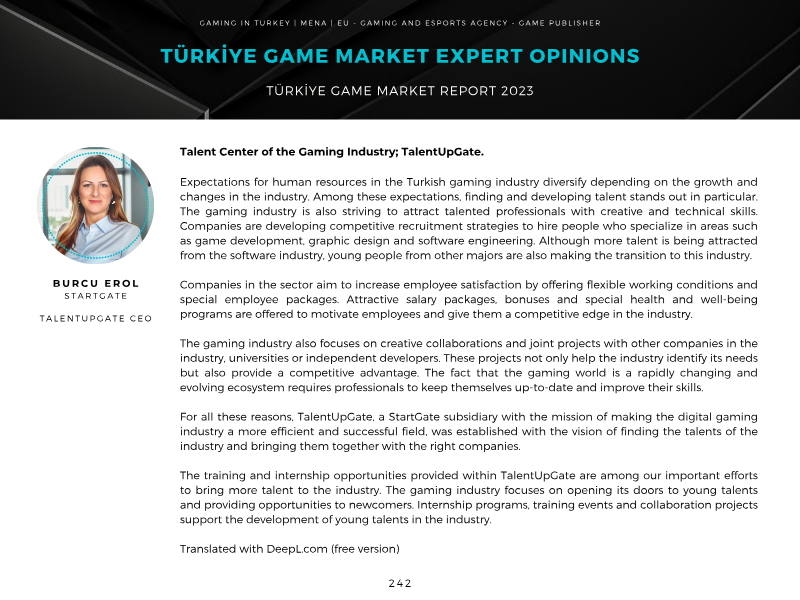
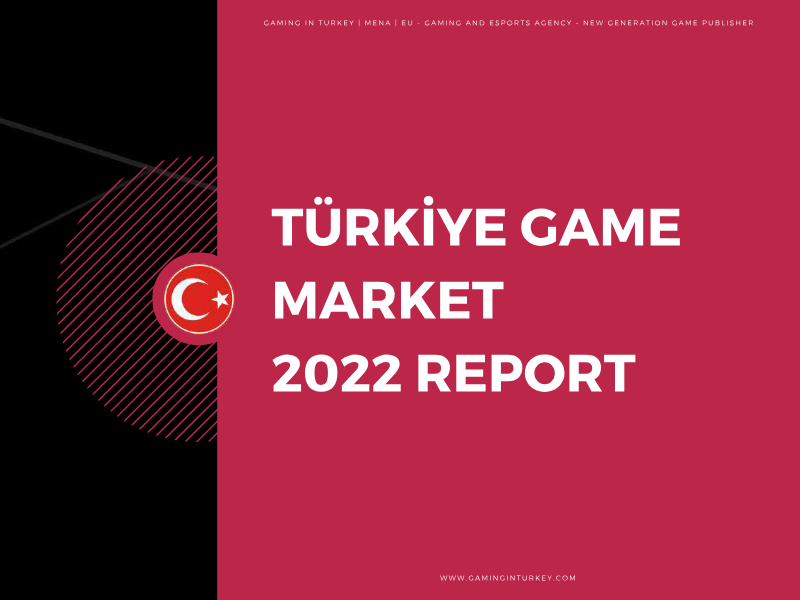
The 2023 Türkiye Game Market Report provides a comprehensive analysis of a resilient and evolving gaming ecosystem navigating significant economic volatility and geopolitical instability. Despite these challenges, the industry generated $580 million in revenue from a base of 47 million gamers. The market is currently undergoing a strategic transition, moving away from a historical reliance on hyper-casual mobile titles toward more sustainable, high-quality indie productions, hybrid-casual models, and an increased focus on PC and console development. This maturation is supported by a robust infrastructure of accelerators, specialized educational programs, and a growing network of service providers in localization, in-game advertising, and cloud technology.
The industry’s international influence remains strong, with approximately 90% of locally produced games exported globally. Notable successes, such as the global performance of Royal Match, underscore Türkiye’s capacity to produce world-class content. While mobile gaming remains the dominant platform—supported by high smartphone penetration—the sector is increasingly integrating artificial intelligence to enhance development and marketing. Furthermore, the esports landscape continues to thrive, with a diverse, gender-inclusive player base and a professionalized tournament infrastructure that attracts significant brand investment.
Looking ahead, the industry is positioning itself for long-term growth by addressing talent shortages through improved academic-industry collaboration and navigating evolving regulatory requirements regarding data privacy. While economic pressures and shifts in platform pricing policies have created hurdles, the consensus among industry leaders is one of cautious optimism. By prioritizing sustainable business models, cross-platform compatibility, and the strategic adoption of immersive technologies, the Turkish gaming sector aims to solidify its status as a mature, export-oriented player in the global market throughout 2024 and beyond.