Transcript
[Music] welcome to the novic gaming podcast where it is our mission to explore the business and future of video games we bring together the industry's brightest Builders investors and thinkers to keep a pulse on current events dissect emerging Trends and games share Lessons Learned and have a great time this podcast is also part of novic growing ecosystem which ranges from free and premium research to Consulting and AD advisory services for more information visit [Music] www.nic.edu from frauders is crucial and that's where inure AI this episode sponsor comes in insure AI provides payment fraud prevention that's effective and tailored to your needs the team's adaptive AI creates a dedicated model based on your data focusing on behavioral patterns to catch even the
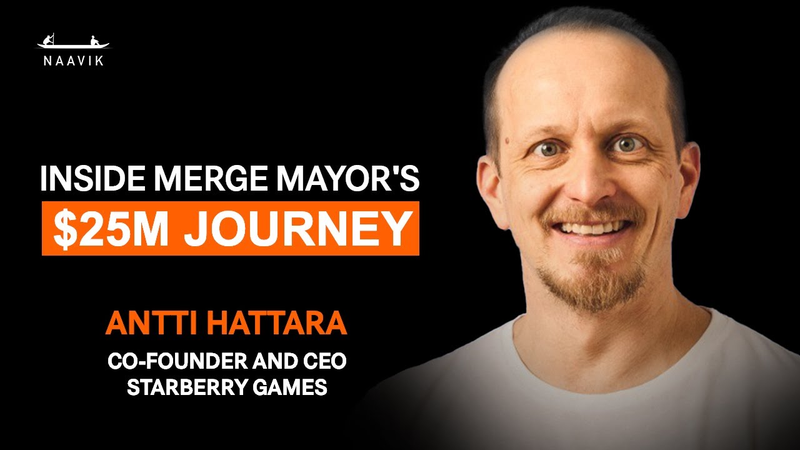
most sophisticated fraud attempts with decisions made in under half a second and up to 98% approval rates insure AI ensures more legitimate transactions get approved delivering a seamless experience for players plus with a chargeback guarantee you can focus on growing your business while the risk is handled for you keep players in the game and turn payment fraud into a profit center with insure AI to learn more simply head to ins. a/ gaming or check out the link in the show notes now let's jump into the episode hello and welcome to the novic gaming podcast I'm your host Nick oori in today's episode we're exploring one of mobile Gaming's most compelling recent success stories merge mayor a casual puzzle game that surpassed a $25 million milestone in lifetime gross revenue just recently developed by starbury games merge mayor has not only captured the hearts of players globally but also built an active Community with over 50,000
members on Discord a rare feat for a casual puzzle game in a category that's generally regarded as a single player experience this milone Milestone comes at a time when community-driven gameplay is reshaping the mobile gaming landscape in many ways even in categories where it has traditionally not played a major role with features like Live Events storytelling and this growing emphasis on social play merge mayor has positioned itself as a standout in a crowded market and has been able to grow into a daily Social Hub for many of its players so to talk about the Journey of merch mayor is antira fellow Finn and co-founder and CEO of starbury games he has deep experience in game design and a vision for creating accessible yet Innovative gaming experiences Auntie has played a key role in this game's rise Auntie welcome to the Pod thank you Nico happy happy to be here perfect well we always start um with the background of our guest just to get a sense of who they are and where they come from could you share your journey into gaming and what led you to co-found starbury games
sure yeah no I think I'll I'll try to be brief on on that one but I studied programming and and business at at the University so I ended up coding games um as as class work so I had my hands on Nokia early phone on sban S60 a 3650 a a funny phone and and ended up looking into programming a game on it it led it for me to to get hired at Digital Chocolate in Helsinki back in the day 20 years ago and and ever since it's been a digital chocolate then a stint at wuga that's why I moved to Berlin and uh and then kind of the DJ alumni is such an inspiration to set up a games company be a Founder uh they kind of demystify the idea that it's it's something unattainable so it kind of grows into you that hey this is something I I definitely want to check the books and and try and learn so hence in at the time when we had some restructures then
I was uh ready and and was then uh jumping into Facebook Instant games at first and that was 2017 fantastic and then starberg games emerged from there I presume Yeah we actually just renamed the company pivoted away we we spent a year after the kind of the funding on U on instent games and then and kind of needed to figure that it's kind of a burning platform wasn't going to be successful in 2018 and and mobile games were still on the rise so yeah I was actually a fun little Side Story a adviser to a company called volley uh which also got started out uh in instant games you may or may not be familiar with them Max and and James fellow uh folks in San Francisco and they pivoted to voice games and recently raised a very large round from I believe bitcraze like your trajectory then it seems like
start out in instant games Facebook Instant games and then pivot into something else and hey the rest is history success is uh sure to follow um and of course your your story you know sban and starting with early Nokia is very similar to many of the Finnish um game developers of course Finland is a hub of game development uh Digital Chocolate was a pathway for many of course and that kind of alumni has has spread uh not just in Finland but around the world with major hubs in Berlin of course Singapore San Francisco various other uh countries and and capitals and cities around the world so um a well trodden path and uh a very successful path for many um so great to great to have you um let's talk a little bit now about we'll get to starberg games and merge May of course in a second here but let's talk about the merge category um you know Mobile gaming of course in in every category these days is very challenging uh very much red ocean we've got of course the changes that Apple made not that long ago that makes it even harder for for many categories not all some are winners but you know most most have uh have struggled um merge is
obviously and Casual puzzle games are one of the toughest um why did you decide to go after the merch category and maybe just a tiny little history of of where merge has come from and where it's now yeah no we've actually paid a bit of attention to merge from the early days I think uh is it Triple Town is a very old Facebook game that actually used Triple Town yeah I was going to ask about Triple Town if if that was an inspiration yeah so yeah def itely played a a lot in back in the day and and uh but there was kind of a re reemergence of of merge games with merge planes got a lot of traction a lot of installs that was kind of a Hy hyper casual game at the time before I would say even even hyper casual um we were making Idol games so I would say kind of in a hybrid casual space before the the term was coined and we wanted to combine these two things with our next game so we were looking at the building and Idol Village and and uh so the merge two
component on a grid existed but it was very different it was more like a hyper casual I think it the the kind of a merge two with the the full puzzle board existence uh the credit goes to to Mika at metacore I think he he definitely did probably all the ground work I remember seeing a a prototype of of merge mansion and I was thinking there's no losing condition this is not a puzzle it will never work um but yeah happy to be mistaken on on that one I think before that there was the merge three with ever merge merge Gardens a lot of things that already were a little bit different gameplay but but now later on merge two of course um I would say metacore and merge Mansion started it we followed fairly quickly um because we we tested our Idol Village game and with the idol kind of systems and and some merge components on top uh the metrics weren't really impressive uh we're Lu the tests
early and and then we just uh tanked the idea of idle game and pivoted into into kind of the full merge board game and tested it the metrics were completely opposite and our journey got got started early before the kind of category was big but maybe to speak to your point about kind of the red ocean part which the category definitely is at at current moment we're still thinking of staying and and our next game will be a merg two two games so oh Fant now of course it needs a little bit more thinking of how will you be able to compete in the category so clones won't do or being early kind of with with something uh small in scope is not going to be the way you you need to kind of have an edge in some way either you're very good at marketing and and your Edge is to figure out kind of how to win in that part of the game or you're bringing on IP and out executing on on polish or or big budgets and or then you just kind of need to find a outsmart that's how I
would say it for a small team that we need to find a Twist we need to evolve the category in a meaningful way so that it increases engagement and then kind of the kpis would come from uh being able to figure where the category is going what the players want want next and what's new for them so the combination of incremental Innovation something existing that's definitely there to work but kind of pushing it forward with something new that and and meaningful yeah yeah absolutely and I think we're going to talk a lot about soci that's the part I'm most curious about with uh with merge mayor in particular but obviously we'll touch on some of these other things and I did have a question planned about what next and so you've already obviously given us a preview of of what next sure um okay so uh you put out a medium post the reason I reached out to you is you put out a really thoughtful and uh detailed medium post about uh merge mayor some of the the key moments some of the key insights that you've had over your threeyear journey three your three plus year Journey getting here um you mentioned that you surpass $25 million in lifetime Revenue obviously compar supercell that's you know peanuts but in
the merge category that that's a big deal um and obviously as you alluded to it's a very very red ocean category right now it's very hard to to break through and to grow and certainly no new entrance that I know of have been able to to get anywhere near those numbers it's just really just you and and merge Mansion of course your fellow fins at medicor that you mentioned there so my question to you really is what are the kind of the pivotal moments or decisions that you you you talked about the kind of idle game start and then pivot into match two or sorry merged to of course um what are the other things that you identify over the last three years as kind of the key moments that showed you like okay here are the step function changes here are the things that show us like yeah we can actually do this we can grow this we can Market this successfully have a positive LTV CAC um you know calculation yeah I guess our starting point is with the company as well this is our first self-published title so actually learning the ropes and and kind of evolving even more impressive in that case evolving the company skill sets as as we go and and run so from a uh early
launch uh and and then kind of leading into learning a little bit of predicting LTV or or UA channels so um at that time of course I was lucky to learn from U the marketing director director at the time Yuri who was who was doing fantastic job um helping us scale we the kind of pivotal moments raising 5 million in 2021 so UA is a key key part of uh being able to get to to uh 25 million Milestone so of course kind of being able to push a little take risk on UA and push it push the paybacks a bit further at the time but then also kind of we needed to learn and and set the the right levels for profitability and and all of that um and on the other hand I think then it's more about the LTV so engagement and monetization um like we we launched really early the game really didn't have all the features or the content and so the first year was kind of I guess
running and and trying to catch where we where we were and and got to a global launch but with a kind of fairly small scope game but after that there was kind of the vision laid out for the social part and and those features definitely help with the engagement LTV Parts but I think overall merge as a category and then merge as a as a system like there's pretty decent spend depth if you're able to kind of balance the game right and and find find that that kind of set up yeah yeah well well let's dive right into the the the kind of social engagement piece which I I find really fascinating especially in this category where it's not typically seen as anything more than just a single player game uh with maybe some mini games or you know side quests or something like that that might have like some light social element but not really kind of a a deeper social engagement piece um I mentioned at the start 50,000 members on Discord which to me is a very large number for this category um how why did you do this why did you go down
this kind of Discord Community path and then how has what have you learned along the way how has it influen the game's development to notice that you've got this and and maybe I'm asking it the wrong way maybe you designed the features first and that's how you got the community so tell us more about how this community has grown 50,000 members on Discord what are they talking about what are they engaging with why why are they talking to each other about merch mare good yeah no no I think there's a bit of both I think what you mentioned uh so so first I think it's we we had some luck to end up in Discord um it was at the co time when we set up set up our company remote office in Discord so we were already operating in Discord interesting and and happy accident in that case yeah exactly and for the game of course then we thought well we want do want to have a community Facebook pages and Facebook was kind of trending out in some way that it wasn't very usable or or we didn't think that audience was necessarily there uh Reddit was big for an idol game but maybe that we thought wouldn't resonate with a
casual game and uh and with the Discord we kind of still we like the feature set of of Discord it's a it's a easy for Community we were anyways there so so we we kind of went with that but what it kind of proved as as it evolved even with a single player game at the time people would join and and they were like more active than on Reddit and I think it was just easier to communicate they uh I think in the early years of um of the game they even came up with a community game so now there's a channel that where the the the community members actually started posting turn by turn screenshot of the game where they evolved or merged up items and and they took turns and and just kind of went through a bunch of uh kind of turns in in fairly quickly so they entertained themselves in other ways than just being in the game uh so that was interesting we also I think Discord to me that's a really nice change in in casual
free-to-play development where your player voices aren't only data but you actually hear and see what they what they discuss about in more detail that's more like qualitative data that you get with Discord and and not just like a player uh test video but more like what the engaged players care of course there is a little bit of the loudest voices might matter a little bit too much if if you only listen to them but um in addition to data the kind of qualitative quantitative side the the Discord adds a lot of the the quality and the detail into it it does make us more responsible and and kind of uh like own what we ship so we need definitely need to be up to date because we will instantly hear feedback we will be kind of yeah responsible for for anything kind of um so I think it kind of makes you think and of the player experience more and be maybe more careful but but at least it attention to detail and and we really kind of then hear if if
anything goes a little bit off uh so it it's a good thing to be um vulnerable in that sense to to your hardcore audience probably it makes us play our own game way more which is also very good foundation for operating something like this and we did I think halfway the game life cycle we started pushing for incentives to be on Discord so if you join there's going to be be at every release there's a gift link uh you get a special special vehicle for your town if you're if you join a Discord at at early stage and and so on so I think there is still a mismatch I think from our total user base it's not a lot of people that have joined Discord because I do believe that a game that's like targeted at 25 to 60 year old women mostly they're not really the Discord audience and right if they don't have the account already and you kind have land on on Discord signup
page which is a black website with a joystick logo doesn't and none of your friends are there it probably doesn't invite them to sign up and and go through the trouble but but when they do it's amazing currently the discussions it's on pretty much it's a great place for any type of tutorial of the game so and then there's spreadsheets of the balance of all kinds of tips on what to do and and and how to play but also then very kind of lightart uh conversation between uh the players about the game and and we promoted some of our own players into to moderators and so so far I'm super impressed how it kind of runs it's stayed very healthy and and friendly and and they've thanks to all the moderators who've done really nice work in keeping and calling out if there's anything that kind of gets out of hand because yeah being responsible for for a large community also kind of it's It's a bit of a bag in your
shoulders that you feel yeah yeah absolutely and I was going to say I I think excuse me I think you've alluded to this already which is it's kind of a double-edged sword having a really engaged Community because it can be very easy and I know this from personal experience it could be very easy to to hear those loud voices and like oh we need this feature and it's your power users right and they're probably your biggest Spenders at least some of them are and certainly some of them we used to call them social whales back in the at Zinga like they're the ones who are inviting their friends and talking you know like oh this is such a cool game you know in in real life and you want them to be happy of course you do and you certainly don't want to alienate them and so the risk of course the double-edged sword part of this is that you are uh potentially shipping features just for your power uses your road mapap becomes highly wh driven or you know whether it be spend whales or social whales and that can be very challenging in uh and then bringing in new users who
are not on Discord who don't care about Discord who actually do just like that you know relatively casual single player experience and I actually have some questions a line of questions on some of your you know you've got some really impressive aged cohorts who have been playing the game for two plus years and I'm going to get into that in a second um but as a Prelude to that I want to understand your perspective and your team's perspective on how do you not become overly like a horse you know the blinkers how do you not become overly blinkered to a road map that is heavily skewed towards keeping this this cohort that's probably disproportionately responsible for your revenues for for your success to date um at the risk of alienating new users who are perhaps more casual yeah no then you need the data part of looking into to how how that how the actual numbers Run for the full community so or the full player base um yeah I think we've had haven't had kind of I
guess too many uh things outrages or outbreaks of of uh of uh yeah um enraged Community with with that so of course so far we haven't done segmented balancing too much there's some segmentation in the game with offers and things and these definitely bring another twist into managing a community when different PE players see different things but of course I think as long as like the core gameplay and everything is Fair that's kind of what you need to make make sure is is all good um but yeah for for for the audience that's yeah the the kind of loudest voic is you kind of just need to be aware and and take it into account but but we've had we always look at data in in a way that what's the full player base than saying so I I think the normal typical example for us is that that they they that hardcore players see balancing of any live operations or so as way too easy or or
or they've ran through it in in no time and and then we're looking at the full player base where it's like 2% of of players have have reached the end and it's you kind of want to for a casual game you kind of want to have more like okay how do how do half of the players get to some meaningful point then maybe 10% to the end but so so I think yeah you need to combine the numbers yeah and do I remember from early Zing days we used to actually have new we would bucket you know the features in a way where it's like okay this is uh and we literally on Frontier particular we' literally have it at like it's level capped right so this feature is only available at X levels right and then we would have road map meetings where we would talk about okay we need this mix of new user features we need this mix of kind of Elder player features we need this mix of features that are really for free to play players and we have these features that are more geared towards payers um and it needed to be a balance that all times and of course as the game
grows older and you're relying more and more on your we call them golden cohorts from the early days disproportionate number of your players are the players who've been there for years and you're getting fewer and fewer new players that mix changed is that something you guys are employing or are you still at that growth phase where it's like no we we just want to keep growing broaden the funnel at the top of the funnel and bring in more new users yeah I think what we for the last 12 months I think there was more on the like let's figure out how there's entertainment for for the rest of the game so we don't we're not stuck in content threadmill in a way so so the social features definitely were aimed at because it takes a while to get into a club and and sucked into that system and and all of the the things so that was the last 12 months but I think for the growth of the game and the future we're really looking into more of the early part so a little bit of a repositioning exercise to unlock UA so now we've shifted Focus almost completely into to figuring okay the game needs to grow
uh we've done a lot of work on LTV and Longevity now it's all about the funnel and and how to figure out how to grow the game on on on that side and and we got inspired by Future plays merge Gardens and and what they did with a little bit of the repositioning re rebranding and uh that's something we've been working and and we'll be testing now in the upcoming first quarter for sure perfect oh okay interesting so you've essentially built a a game already you feel that has good longevity so you've got that Elder gameplay figured now you're like okay how do we open it up to enough people who will then go on that journey and spend the next two three years hopefully with you exactly yeah okay perfect all right well it's a nice way to position actually okay well uh we'll get into new new game uh play excuse me new gameplay new features uh some of the things that are kind of more accessible in a second but I do want to touch on this uh uh the stat that you had in your in your piece that you wrote on medium recently um you've got players who've been playing this for you know two plus years um and
it that percentage seems to be growing as an overall now I I know you just said you literally just said you're gonna in q1 you're GNA hope to kind of maybe shrink that again but um up until this point you have really had a very uh strong solid kind of aged cohort uh player mix in there um what have you done specifically with that in mind like you know now that you're shifting gears what was the mentality previously to really keeping that that cohort engaged it can't all be Discord as you mentioned it's only a small percentage of 65-year-old women who have have Discord uh what's been the the the key to keeping those players really engaged yeah I guess when we Shi and the game was kind of very Bare Bones in and like there was limited amount of content not really a lot of systems or even features like bandwidth of of things that you can do in in a game uh so I think in first year it was kind of catching up with that and features that we always kind of
wanted to think that okay how does this entertain for extended uh time and and sometimes we kind of skip then a easy faster uh monetization route for example our inventory in the game there's these extra slots that are more like Milestone challenges they they're like extremely hard missions and and to to unlock inventory Space versus just buying them with gems or or premium currency so so we added a lot of like artificial content to some extent but still kind of nicely it ties in with the gameplay and and is rewarding and and valuable so that was kind of the first year but we did come up with the the vision for the social part fairly quickly it was all credit goes to my my co-founder Samir on and his design team on on working with the the bigger picture of okay let's first think what's the Ultimate Experience social wise in in merge mayor it involves clubs and and clubs competing together and then breaking it
down into okay well then what's valuable individual representation like your your social currency is your avatar and then then we started implementing it so the first one Avatar shipped March 23 and then within the kind of following 12- Monon period we we shipped each of the different parts tournaments for individuals to compete in Avatar prizes from these things uh then clubs chat and ultimately the Wonders where clubs compete globally so so I think those have been shipped gradually since 23 and and I think this year they've been in Full full effect so that's helped with the entertaining these end of content players because the that group is still still kind of growing we we've got limited band with with the company so we kind of need to check features versus content and then how to manage it but with the social systems it's kind of trying to fight that only single player content treadmill part and
then finding ways that it's it's then uh the Wonder Seasons at the moment kind of are pretty much the end of content uh and yeah end of content system where they run for 90 days and and keep I would say a lot of fair Fairly good amount of those old uh players engaged yeah I you're referring I think to the the pyramid um that you've got in your medium piece and by the way we'll link to that in the show notes for anybody listening so you can reference it yourself um I I thought I was very impressed by that thought it was a very thoughtful way of thinking about building um uh you know systems that needed to support each other in order to get to that endpoint which was the Wonders system and we'll talk about each of these pieces you mentioned clubs and you know uh Seasons that go for 90 days and what have you like obviously not rocket science in terms of liveops like this is stuff that you know many many many game companies are doing um but I think the way You' implemented it in merch mayor is really interesting and
very thoughtful in in order to kind of make sure you build the things that you need first in order to get to something which is at the tip of the pyramid which is the Wonders which by the way a pyramid is a perfect analogy for wond so it felt very very appropo uh if you will um so why don't you expand on that just a little bit how did you come up with this this framework when did you come up with this framework and uh how did you decide on what was require what layers were required because you could have gone deeper and deeper and de deeper down the rabbit hole uh building some of these systems out uh and it felt a nice balance between complex enough that these Elder players will will kind of you know go and spend the time and extends the life of the product Beyond just the content treadmill um but still accessible so that a casual player coming into the game at first glance can understand more or less what that kind of end game is with the clubs and the Wonders and what have is yeah know that's that's a good question and I think that's kind of there is not too
many references of of the complete picture of or different ways that it's been implemented in casual games there's of course kind of the top games with Royal match has uh tournaments with clubs and and all of these systems but they're often very competitive and and I think for us it was a year into merge mayor development and the kind of vision with with Samir my co-founder of where do we go what are the kind of shots we want to do is it like more content or or these uh features what what can expand the game and and help us uh grow it so I was kind of then like do we want to commit to social it will require like most of our efforts and and it's it's kind of a a lot of to put in so then that kind of it was first sketched we kind of felt good that okay it is something that can be shipped it's going to take a year I not sure what we estimated at the time in terms of like when when we'd be ready but actually we were fairly careful and realistic about okay this will this will take a while
but the kind of vision of how can we push more collaboration and how how can we have more of the players like because competition on global level is that's then only for for a very small part and that those of your players that's for the very kind of Hardcore whereas we thought okay there's something more we can do in casual we can kind of have more of the collaborative efforts and the whole kind of Wonders was the the the leading idea that where Club is building something together and then they need to reach a certain Milestone so it's a it's kind of a it's a milestone for the club without too much of competition it's it's a challenge but uh as well the whole system then nicely links into the leaderboard so the same points and the same system is used for the global leaderboard uh competition which is then that's kind of at the top it's very insane how how much they play and and how engaged what what it requires in terms of
Engagement but uh but kind of for a lot of clubs like I just today actually 60 days into the Wonder season with my club I joined a random Club in uh in Finland just to to participate and and see and we we just kind of Hit the limit today the level 10 the Milestone and it's been it's been good to kind of see and I think we're on position 400 something in the global competition so so I think already 400 clubs have reached the Milestone and there's still a month left for the rest to to get it so for a lot of players that are active in the game they're still kind of a they're getting a a nice experience and the collaboration works and so I think that's kind of a that was ultimately what we went after for because we thought casual and collaboration that's kind of where we want to go and not too many examples existed maybe suell had everdale at at one point in sof launch uh that was very like core social but it
was all about kind of uh playing together but I think it was also very much geared towards this competition that it was all about uh stacking up in the leaderboard and not sure if that's the only thing the Casual players or how much weight you you should put for that in in casual and then of course it came down like the kind of steps towards the Wonders it's clubs it's chat it's and then individual representation of of your avatar to to find something valuable I think when in Royal match it's it's pretty simple in terms of how they reward the the kind of clubs or collections but but we were're fairly happy with because we we didn't have a modifiable city where you could have statues in terms of like individual things everyone's still building pretty much the same city but uh so we we kind of then came up with the Avatar part and yeah that's again a lot of credit for the
design team here and zir who who led it and and yeah it's it yeah it started from from Fairly getg go with the the Avatar stuff and then we were then able to prove step by step okay do we commit to the next phase so that was kind of a nice way yeah it was kind of a naturally built uh Milestone system essentially or you know check mark system or or you green flag meeting system or what have you um and does it does it uh kind of go Ono one with the player engagement with those features so at the bottom of the pyramid you've got the most base layer which I'm presuming most players are engaging with and then as you go towards the top of the pyramid and ultimately clubs building wonders together for 90 days um that's a smaller percentage I presume a much smaller percentage of the overall player base that's engaging with you know let's say the base Avatar system I think the system you unlock on level three so it's
almost like on your first session you're going to get your avatar and and the first cap or whatever you get for the the Avatar the tournaments are something we uh also unlock fairly early and everyone's pushed into a tournament group so it kind of like 100% participation in a way but whether you actively collect points and do the missions for the tournament then that's kind of up to you A lot of them are uh actually in like they help you with progression and tournaments of course segmented in a way that newbies compete with other newbies and and uh and they the tournament actually isn't the sync uh it actually enhances like you produce things and you can use them for your regular progression but you in addition to get points in the tournament but that's again almost like 100% participation clubs of course is something where you need to actively join and I was just checking so it's more than half of the players are in clubs and then of course Wonder
completion then you get into a smaller percentage uh but yeah I'll need to check in this one I think we so now we've been of course looking at okay how do we make clubs work better how does the matchmaking of recommended players or searching for Club is is so surprisingly there's a a kind of a uh feature creep in in all of these to do like systems to manage your club and and all of that then suddenly you're like okay what's the value of all of these and how can how much can we do what's necessary and and all of that but um it's step by step we think we can try to aim at higher percentage of players in clubs higher percentage of players in active clubs so we measure Club activity how much do you contribute because clubs and and and wonders that's ultimately then a sync there you actually need to consume items and things to to get points and progress so so that's but it's still I think we're we're doing pretty well in terms of what I think in
in casual games Is the participation at the kind of end of content or or on these more complex social systems so the kind of collaborative nature of it and and kind of approachability and and all of this I would think it's it's doing good for for our system and and there's always room to improve and and try to push it further yeah I mean I think there's a lot of room again this is part of the reason why I want to talk with you is because you collaborative social is something that you don't see a ton of you see a lot of competitive social um even in in casual games I mean if you look at you know Monopoly go I would argum the social is very light there let's be honest but but nonetheless it's you know it's kind of competitive social you're like knocking your friends off and they're stealing from you and what have you um and I think collaborative social is something that there's there's more room to grow I think in the market there than on the competitive social site that to me I think is is is clear uh in in many genres not every genre but I think genres would benefit from having people collaborate there's that social
pressure of you know hanging out with each other and and you know being a part of the process and contributing and not being competitive I don't view you as as somebody who's like it's me or you it's like me and you um I think that's really interesting and I think that um I'm glad to hear that it's working I'm I'm happy to hear that it's resonating with the players and it's also contributing to to uh to success yeah the spirit in the club that I joined as well well the chat is very casual it's not very like about work in in terms of getting higher up in the leaderboards it's like okay let's get to this Milestone uh goal then we unlock the the Avatar item for the Wonder season and it's kind of it's very nice in a way that it's more like a reminding hey please participate and and let's get everyone participating versus kind of okay we need to beat someone and and we need to gather points and and only one team could win or so but at the moment it's multiple clubs by reaching the the Milestone and and getting the
the Avatar cloth for it yeah yeah well that's great to hear okay shifting gears a little bit talk about some of the other parts of the game uh another area that I think again this is not rocket science it's been happening in many genres for for years now but it's also always worth calling out I mean storytelling uh and characters that's a big part I think of your your game as well not dissimilar to what your fellow fins at metor are doing with merge Mansion of course which really pioneered I think the storytelling and the Mystery of Grandma and what's going on and like you know their marketing campaigns were just really quite Innovative and quite effective by all accounts um uh at kind of creating this oh I wonder what happens like what is the story that's going on there um what what are you guys doing on that front how much are you leaning into storytelling uh and what is the story at a high level not all of our listeners of course have played mer Tron um or merge mayor or or merge Manon they probably haven't played either um but uh what can they look forward to to on the story side and the storytelling side
yeah for us it's it's very light-hearted the like we had more like a because because of the the visual style of the game comes kind of inherited from the uh from the idol times and and the whole journey of twisting and pivoting uh so it's been more kind of uh comical in in some way and then the whole story got with that as well like it didn't feel right that the the kind of Ro bloxy looking dudes are are into drama that much so for for Merch mayor at the moment it's it's all about this like jokes and then light-hearted things but we're learning so I think this is the part where all of the rebranding exercise or the repositioning exercise it's actually another version of of merge mayor it's still it's going to be an a test so it still lives in the same game in the same world but we actually changed the character art style we add drama we add the whole uh story line into it about the mayor and the mysteries in the city and all of these
which on the other side on the the kind of light-hearted version doesn't really exist in that way and that kind of leads into what I think about storytelling to me it's actually the the UA angle to actually how to find your audience appeal to the Right audience and the demographic or or interest base it's matching that then with the hook in the game that it kind of keeps your interest what you saw in the ad uh and and then what you got in the game build that it still kind of builds a little bit on it but in terms of U uh how deep you need to go like in Berlin we of course have wuga here who is like super deep into building narrative and and the whole story there and I think that's almost like a company mission for them so I think their players are then that's the hardcore Niche who's enjoying this this kind of super story uh telling part of games and narrative and characters and and and
then then you need to put a lot of uh time and effort into it but I think for casual merge and maybe on on in some match games as well it's more about the the early funnel and as I mentioned that that's kind of our next core Focus so we're now experimenting with with that as well and hope to have interesting learnings to share then next year about about repositioning the importance of story in the whole marketing funnel and and the early kind of retention or early hook into the games yeah and let's talk about marketing then and UA they almost in some companies they feel like two completely different businesses um in the best companies they operate together right as you mentioned so the story the game play that all ties into the creative um the channels that you're you're using um some of the most effective marketing driven organizations um you know they really understand the importance of story even while the game itself doesn't
necessarily have a ton of story right and and you can use the mini games and cut the rope type stuff and move the pin type mini games we've got questions on mini games for coming up for you as well but let's let's focus for a second on how does your UA operations work in conjunction with the the kind of game teams are you one of those very integrated organizations where you are working together deeply or are you and both can work by the or are you one of those organizations where you've got the game teams are blissfully unaware they're focusing on their creative craft they don't care about the crft business side of business you know they're just like I I don't care about that I just want to make great games and then the the UA guys are the ones with the numbers and the spreadsheets and they're crunching it and they're figuring out what the creative should be based on what the game teams are creating how do you guys think about UA marketing and how integrated you feel it needs to be yeah no it's it's it's an interesting Journey so I needed I picked up on on the distribution or publishing team uh
I've always worked on the studio side of things um at Wugga as well and at Digital Chocolate so then out of kind of the core talent for my co-founder Samir he's way better at game design production he even used to program games professionally so he's kind of running a studio operation I need to uh pick up on publishing and and the moment we kind of went to well we even tested a little bit of idle coffee back in the day I I did the the uh video creatives I did the set up the campaigns in marketing asked for help in from from EXA colleagues and and kind of ventured into it idle coffee got published so we didn't need to run it but we of course kind of wanted to learn what that is all about at then when we went on for self-publishing I was lucky to hire a talented marketing director to help us with that but from core from the get-go we were always thinking it needs to be extremely integrated so both at Friday alland me meetings marketing data needs to be exposed for the rest of the
studio and and so you kind of want to get them learn uh educated on how this whole system works because on free to play the whole game success isn't it's it's it's more business and less art in in a way but it's kind of a combination of of of both but to to be extremely successful you kind of need uh to understand I think both sides and then of course also bringing marketing very close to the game team to expose them into understanding okay all the effort and and love going into attention to details and and all of that so we we sit very closely together and and it's kind of a good thing that uh me and my co-founder were kind of the glue so he's Samir is both very keen on marketing and understanding all of the things he's he also involved in you lot of analytics and things I care about a lot about the product side as well so then it's kind of a a nice coed thing where both of us are involved in in both and and it's not
kind of a we're not set against each other so very collaborative spirit in in that way but it is tough to get those Mark like to to survive on the the market and figure what's kind of working in in like with everything around where it's monetization with ads or interatial or which we don't do and and and then or fake ads Mini gamess like what do you need to do to win and what's your choices of of what you kind of need to implement to be successful so it's yeah definitely a a new twist in in in operating in free toop playay mobile and it like the skill set required is is is quite a bit but that keeps the job interesting you need to be constantly learning and what I learned back in the day 10 years ago on free to play doesn't really like that's just the basics and and where we are today you kind of I've learned a lot about Marketing in the
last three years that I've kind of operated as part of publishing yeah yeah yeah I want to have I haven't had them on the show yet but I really want to have triple dot uh Studios on the show because I mean they are masters of the marketing side of things and uh they've really got that down to a science and have built an unbelievable business um and I don't want to cast aspersions on this strategy and or nor do I want to second guess what their strategy actually was uh I'm sure they wanted to make great games of course of course they're making great and they are making great games players are enjoying their games but boys their marketing operation slick um so so that's an example I think of of of a company and and a game developer that really gets like they're they're almost marketing Leed um yeah sometimes you're creative Leed and both like I said both can work from both perspectives you can create great games with a marketing leg or organization and you can have great business results with a creative L organization uh it's about blending the two together of course Haron that's the key meet in the middle hyper casual was very marketing L casual
games from 5 years ago was very product Le and and I think to be successful you kind of need to meet in the middle you got to have both you got to have both you got to have yeah okay um and one thing we didn't actually talk about is uh starburg games how are you guys structured in terms of you know team size uh geographic location I know you're you're in Berlin uh you're entire team in Berlin uh split between kind of product and design and then marketing UA business publishing yeah we're everyone's in Berlin except two Freelancers that we work but all full-time employees of starberry are in in Berlin we're uh 22 were fairly like equally SP split into four uh Parts art engineering design and Publishing like like five person teams in in each of these or so so it's it's a very uh everyone needs to wear multiple hats uh and build building merch mayor but but we've been also prototyping this year another game so trying to figure how can
this team um buildt also work on two games with that's definitely one of the challenges but but yeah we've been always fans of uh working together in in in the same space and and I think it's kind of a a choice that then we stick with and and uh everyone's at the office on Monday and Friday and in between you can choose but the week gets started here and on Friday it's more like all hands meeting also and and a happy hour and a little bit more of the the good old yeah things of of meeting other people and and knowing other things that their G commits yes well I I I miss those days our our operations are entirely remote we do get together once a quarter but that's not the same um as as having that I used to love the two to three days in the office two to three days Focus work from home um which worked very well for us so uh I envy you Auntie your uh return back to office with the nice hybrid mix um of of having
that uh Focus time available wherever you want to do that um okay let's talk about some of the other features and then we're going to talk about what comes next the future we've talked about alluded to the to the next game uh and teas that it is actually in fact going to be in the merge category as well uh which makes sense given your focus but also you know you could have gone in different directions uh and and kind of broaden your portfolio both both can work um I'm going to I want to talk a little bit about mini games um and then kind of live Ops and they kind of go hand inand you know seasonal events uh what's what's driving these mini games how are you guys thinking about it is it again marketing Le you know you've got the pull the pin kind of creative and you know save what's his name King King Robert thank you I can't believe I blanked on his name there King save King Robert from the from the water and all that and of course those those are not really indicative of the core gameplay but they work very well in in the creatives in broadening um uh the effectiveness of the UA creative how are
you guys thinking about mini games How Deeply you're integrating into the core game playay and what purpose do they serve yeah we we've now for now we've got live Ops event we've but we have one mini game kind of in there uh Jack mine and that came from a internal game Jam we organized on mini games so specifically kind of wanting to get ideas and see if if something kind of would would nicely fit and and match it for us it's not about the UA we didn't go into we tested I think the creative but it was definitely the way that it would kind of work for us so we were more figuring what's an what's increasing engagement what what's fun for the players what's the variety so it's more about liveops uh our thinking on it um and and I think we kind of with the limited bandwidth there's there's a lot you could do on on live Ops and and kind of there's an endless amount of uh of road map to to keep up with with the the leading games in the genre for that so it's more like
miname can provide variety it it goes into the monthly programming that we do so we look at each month we've got we've iterated over the the the last years into okay what's with like a nice mix and and and how much uh can you have different elements so at the moment our standard month in in merch mayor typically has 16 days of competition individual competition two tournaments of five days two tournaments of three days there's sales slotted in different types uh there's liveops activities there's a season pass event duration from anything from 5 to 10 days and and a mechanic that like we choose we only we have like two mechanics that we can we can use and and always build a bit of a Twist or or so we then look at the year and and we have four like monthlong activities each year year there's Halloween uh Christmas Easter and summer
we try to kind of then tie in everything as a into a container of liveops and and then all the little events contribute to that larger container and uh and so that's quite a bit of work with the to to keep up with the liveops programming but that's the whole thing these that's part of the the whole retention you need to have a destination you come back to merch mayor there's something programming wise if it would be a single player game that gets you kind of a delight that okay this is something new here's a new goal I could engage with this of course the social then brings a a whole new component that okay what happened when I was away did I lose positions in the tournament did my team contribute to something did they do something was there something in the chat so of course kind of a it's it's all about that destination of entertainment you arrive there and and you should kind of not be you should be surprised St of as a player that hey oh there's something new cool and and how
it ties and maybe gets you uh yeah more joy out of the game so more engagement than yeah I mean I still play gu I love garden Scapes um it's my kind of guilty pleasure on the The Casual side and honestly the only reason I I'm still playing gardenscapes is because they've just got an unbelievable liveops uh operation going um that is it really did surprise every time I go in there even as as frequently as I play um I'm always like oh wow like oh this is new this is cool oh okay there's this cool new you know Mission Quest I can go on um a lot to do obviously and of course their team is is much larger and has been around for a long time and and you know has made a lot of money for them um but uh uh yeah it's kind of that's the that's part for the course now isn't it like that's what you need in order to even for a 22 person team you kind of need to compete with the big guys um in order to to have that like you know comparison against yeah exactly that's
what I was getting at it's player expectation there's an expectation that there was a sale every now and then there's an expectation that there's seasonal content there's an expectation that there's side missions and quests there's an expectation that there's mini games um there's an expectation that there's something social right whether it be competitive or collaborative I think we talked about collaborative becoming a bigger part I think um so uh yeah when I mean with a 22 person team how do you do it all so that needs yeah some automation as well and of course recycling as much as possible so anything we we develop then of course kind of we hope that it works out and then can go into the uh like regular programming so but I think like you can get quite a bit of mileage out of each system so like with different variations and and I think for us also all always the kind of rewards for competitions like I always had had kind of was thinking that it kind of needs that one component and for us luckily the something that can be measured in in
uh real dollars is the avatar clothes they're kind of that social value so you kind of also need some of these systems that then um like some economy for the uh for the for the rewards that works well in as a as a as a thing for liveops and and things that because otherwise just the premium currency that would be I'm not sure if it how far you can get with with with only kind of just internal economy prices and things yeah yeah okay all right well as I promised let's switch to the Future here I got a couple of questions around the future I think first I just want to get a sense from you how you're viewing the Casual puzzle games category more broadly not just looking at merge and then obviously that's going to tie into I presume it's going to tie into the fact that you're going after merge with your second title too um what comes next in this category what are the challenges you need to overcome and why do you think that you know merge the second merge title is is the way to go and what's going to be different about that yeah no it's
finally happening on mobile casual so I think having worked on Facebook games back in the day social was kind of inherent and the the whole uh friends automatically there uh like it it all like I was listening to trip hawkins's presentation that Digital Chocolate back in the day and he's he's talking about the Lost Village and the like the the need for an excuse to be in contact with your contacts friends relatives anything and games can provide that that excuse to be talking about it with with someone you know because oh there're playing the game as well so it kind of he laid a very good foundation it was almost like a university of learning some some things from his presentations back in the day and of course Facebook uh worked fantastically with that and these games uh were a lot of it like fun to play with both your friends of course as a game developer a lot of friends were
playing there so you probably got like a very premium experience but also the communities the ad me groups uh and whatnot uh that that existed um so I think mobile then took multiple steps backwards with free-to-play single player experiences and and we kind of lost the the social connection for casual games there's few things I think of course with the uh casual social in the core like with everdale what they tried at supercell or or kind of the things we build that's uh where you still need this very good single player game and you can enhance it with social and it can kind of evolve into that over the long term uh there's other categories that are just directly social like playing with word games with directly with a friend or or new new contacts in a way or from Berlin there's a a team that built a social tagoi penu and I think they're very yeah with viral
hacking um and and so I think glimpses of of kind of that hope that social will be there for mobile games I think mobile maybe was a device where you kind of did think that it's for your single player experience but uh yeah trip had a had a word for it he called it the social computer so I think uh hopefully mobile phones get back into the idea that games can actually connect people and and there's of course there's technical questions of like how where's the graph how do you add friends or or all of that and then like maybe some of the the kind of spam on feeds or or spamming virally things kind of get consumers and players a little bit more careful and and the whole uh privacy topics as well are not going to I I don't think there's this crazy spam era anymore coming and that helped
definitely Facebook games to succeed and and spread virally to to huge audiences on W while we kind of we need to work on it a lot to figure how do we get some of that uh these different elements there's Community there's friends or contacts and so kind of different different versions of social you play in a bigger group you play with kind of a smaller group and and ultimately getting into those excuses to be in in in contact with another human being so I you know I I think and other guests have said this as well so I'm not original in saying this but I mean Apple's Game Center is just a huge missed opportunity in my opinion I mean if Apple actually wanted to invest in games and of course games is one of the biggest categories the biggest category in the App Store why on Earth wouldn't they have built the graph themselves they could have owned the graph and developers would have been happy just to plug into it because it would have made our games better it would have made it easier to connect with friends find new people who are
playing the games that you like to play find people who are collaborating instead of developers having to do this all from scratch in every single title like build the you know build Rome a thousand times over it's ridiculous and I don't know why Apple hasn't done that quite frankly yes maybe it's a privacy thing maybe it's like you know the whole absolute the huge focus on it's your device it's your privacy like we don't want to expose you in any way shape or form even optin perhaps I mean that's presumably what it would be an opting kind of game center thing um yeah that to me that's a missed opportunity I mean Google could have done the same thing of course in the Play Store but what a missed opportunity because I agree with you so mobile has gone many steps back I worked at Zing you know in the early day and as many complaints there were as about you know the spamist of Singas feeds and what have you they were social in in many ways they were social games and you could work together uh you could compete you could collaborate you could go and look at each other's Farms see the invest Express Beauty that you've created um there was there was joy in the community and and it was a casual
audience and I think that's kind of where that was maybe that's the proof that like that's what the Casual audience as well will enjoy it did exist because now if I look at my kids play Brawl Stars they're they're already built their graph of friends uh from real life into the game they're playing locally with them they're catching up kind of and playing remotely uh at times and I think games and in this specific case brawl star is connecting the the 10 to 14 year olds pretty effectively because anytime they meet like I think yeah I hear about uh brawl rankings and and brawl points or whatever at all the time and and it's I think there is next generation is is being kind of built that's right I I and I think you're right I mean both our kids are ex we talked about this before the the start of the podcast both our kids are exactly the same age 13 and 11 um I have a girl 13 boy 11 I don't know what yours are two boys two boys okay um but my my 11-year-old you know Samy he plays brawl star of course along with you know all
all the games that those those kids play and yeah you're exactly right they are building their own social graph um and of course you know supercell and other developers are developing are developing the tools that allow you to do that fairly easily um but the way that fa Facebook I guess what I'm referring to is the way that Facebook opened up the graph to developers that is where I think Game Center could have gone and I think maybe they didn't because Facebook actually shut that down eventually and maybe there's more ways for Apple to monetize I don't know I don't want to be cynical on their behalf but um yeah that's kind of where we don't know if it could be Game Center 2.0 that's but then in the meanwhile building a lot of these things Community more direct to Consumer channels for for a mobile game startup that's you kind of create a lot of value by if you're able to set up a CRM and and be able to be directly in in contact with your players because that's of course then you operate truly like as a
as a consumer company when you're able to that's right yeah owning the relationship with your your players of course is is the big plus so so another double-edged sword it would make it easier for developers to experiment with new cool features new social things if Game Center 2.0 was something that actually allowed you to tap into a graph the downside would be you wouldn't own the relationship directly with those with those players um which one which one's better I don't know um maybe it could be a bit of both maybe a bit of yes and um so we see consumers then kind of building up that demand that I think it's yeah mobile phone has been a personal thing maybe a Facebook on your laptop was more social inherently and and I would expect that mobile phone will get back into the social part with uh over the years and and with the Casual audience as well yep Y no I I think I I just agree with that um and especially with the younger uh audience like they're just they're just used to playing with friends on their devices
and so there's going to be an expectation that your your phone is much less social much less private you know I'm you know we're both older gentlemen here and so you know yes my phone really has been from the very beginning my very first phone was a the noia brick the classic noia brick um and you know it wasn't very social it couldn't be and all I could play was snake so you know um that so I've grown up in an era where the phone has just been my device and hasn't really had any kind of element other than my address book for for making phone calls yeah messaging was kind of the messaging was yeah but that's that's completely changed now um with the younger generation they their phones are essentially shared in many ways um and their phone experiences are definitely shared okay all right well so let's we're we're going a little bit over hopefully you've got a few minutes um extra here it's been an interesting conversation I definitely want to hear about what's the vision for the next iteration of starbo games next version of the game that you're launching which you've already said is going to be a merge game what are you going to do differently here and why do you think that um the world is ready for another
merge game uh in this very competitive category Fair Point yeah no I think our 2025 kind of excit exciting things is is the uh the Rebrand reposition positioning exercise with merch mayor so we'll see where we can get with that and and can we unlock more growth and then suddenly it's uh it's a lot of I uh uh back into to that as well the new is is we've been prototyping for the full year with only kind of like a one one two person uh combo and it's it's all about that outsmart so we had the patience of we need to deliver something new that's going to surprise and and Delight the user so there's the world's not the world doesn't need another merge game that's using exactly the same Playbook with potentially different theme so we've we've explored a lot of like proper like a big variation that and some of them made the the core experience worse and then we've been
kind of judging that well does this feel meaningful enough is this actually making the game better can we actually make build a a better product with with this change so a lot of trash ideas from the last 12 months and now we've we have something that we want to validate uh on the market so do more like a validation testing and then uh green light go to production get it into soft launch next year it's a of course I like there is component of social um that's very in inherent and and I'm so it's more like looking into back into the Facebook Playbook of hey these games were great how do we get there on on uh on mobile but also kind of a lot of the learnings that we've had from merge mayor and merge 2 category over the years I think there's kind of a little bit more compared to match 3 in terms of what you can change and week in the the core gamep play so we're closer I think overall with merge to simulation and uh
that category had kind of nice Evolutions especially the Zinga game so that's kind of where a lot of this comes from and and then with Heyday The Twist how how they kind of tweaked the loop a little bit and and added a nice component of crafting and and thinking into it and and I think with merge there's still a lot of ways so meaningful kind of twist that's uh in the works um and and kind of the new world of developing you kind of need to be exposing the ideas early on testing validating themes marketing whatever we've learned and and trying to figure out the process of for making future games on on casual I think that's kind of the the playbook for for building something how how do you develop something when do you test it what do you expect to see as as kpi so that's kind of a I think that's the the next set of learnings and and hopefully something we were able to figure out over the next year nice and it must be nice also I mean you mentioned that uh
merge mayor started out as a pivot and so you inherited the idol Village essentially and you kind of had to use that and you had to make that work must be nice to start from scratch and not have to be in many ways I'm using air codes here for our listeners encumbered by the fact that you have this particular art style this particular uh kind of Stack that you got to start working with yeah no no there's definitely a lot of things that we will uh we're so delighted to to change as a base for the whole economy and things that the games develop nicely in the in the meanwhile with customer systems on the top and the few things that uh that we inherited from early choices that are not going to be reversible on mayor necessarily yeah and how many uh of the systems you you talked in terms of systems of course you need to when you're 22 people and have as many systems as you've got and as many features as you've got um how many of the systems from merge mayor are you thinking about bringing over or is it truly a fresh blank piece of paper we're
going uh to quite a bit different direction so not not kind of we won't be able to bring the exact systems of course kind of we'll be able to figure what's collaborative and what's competitive uh yeah but we've got yeah it's not based on a on a like Avatar system in that way so we're going to be we're going to need to figure something new again but a lot of the tech actually is then usable that doesn't really necessarily uh need to change yeah depend on on the representation implementation but perfect okay all right well that's um all we got time for today uh we do have a final question always for all of our guests because we are a gaming podcast after all and that is what three games are you currently playing or are most excited about and you can't name your own Y no there's uh there's a few I'm a huge hockey fan so there's a game called pocket hockey I'm the most excited it's going to come out in 2025 I had a chance to play the game at an indie Festival in Berlin so it's made by
gold Town games from northern Sweden three versus three arcade hockey with dual joystick but the gameplay was awesome uh and yeah finally getting some hockey action on my mobile phone is going to be I'm going to be so delighted what I'm playing battles of polyopia another Indie Dev from Sweden uh it's it's a classic and it's for especially this Christmas season um so holiday season it gets you that early c one to kind of move optimization thinking going so battles of politopia is is a great I'm actually going to make a note of that because I'm a massive massive massive Civ especially early Civ ex yeah yeah where there's not too many things like you've got limited time and and all of that so they actually added some some new things a year ago I haven't like properly played those and I think it's probably a 10year old game but but they've kept it and it's just a design Masterpiece for for me and then the third one is that's kind of the open
slots so that's my job always market research trying to find out where's that casual social where's that new mechanic what's what's a Twist where's some Innovation so so not really like anything that's that's a changing slot at the moment got it okay fantastic well Auntie um thank you very much for coming on thank you for going over a little bit this has been a really interesting conversation we are going to have a link in the show notes to the excellent medium piece that you put out there for game developers and CEOs and Founders um it pays to put out content um it is interesting to read it's very thoughtful and I think that um uh I thank you for you know putting out your thought process your design process because it we can all learn from it um as as an industry and I think we all need to learn from each other what's working what's not um and we can all look from the outside and try and do the deconstructs to our heart's content of gameplay and what have yous but there's no substitute for getting it from the inside straight uh truly direct from the
horse's mouth so to speak so ay thank you very much for writing the piece and thank you very much for coming on and talking about that piece awesome yeah my pleasure thank you Nico of course and then uh as always a big thank you to all of our listeners we'll be back next week with more interviews more insights and more analysis from the weird and wonderful world of gaming so until next time friends feel free to send questions guest recommendations and comments to me my email is nikvik.com see you next time [Music] if you enjoyed today's episode whether on YouTube or your favorite podcast app make sure to like subscribe comment or give a five-star review and if you want to reach out or provide feedback shoot us a note at podcast nov. or find us on Twitter and Linkedin plus if you want to learn more about what navic has to offer make sure to check out our website www.nic.edu or contact us to learn about our wide- ranging Consulting and advisory Services
again that is www.navicenthealth.org [Music]
Auto-generated captions from YouTube — names and numbers may be misheard.


















Comments