1 free read left. Create a free account for unlimited reading + AI research.
Create free accountArticle game – Verband der deutschen Games-Branche e. V.
1 free read left. Create a free account for unlimited reading + AI research.
Create free accountArticlegame – Verband der deutschen Games-Branche e. V.
Approximately 18 million Germans aged 16 and older engage in multiplayer gaming. This represents 27% of that demographic.
Multiplayer gaming serves as a significant social and cultural pillar within the German digital landscape, engaging a substantial portion of the population. Research indicates that 18 million Germans, representing 27 percent of internet users aged 16 and older, actively participate in multiplayer gaming. This engagement spans various platforms, including PCs, consoles, tablets, and smartphones. Approximately 21 percent of German internet users dedicate up to half of their total gaming time to these multiplayer experiences, highlighting the deep integration of cooperative and competitive play into daily routines.
The findings categorize player preferences into distinct segments: 12 percent of users favor online-only multiplayer, 7 percent prefer local, in-person competition, and another 7 percent engage equally in both formats. Beyond casual play, the data underscores the rapid ascent of e-sports as a major spectator phenomenon. Roughly 24 percent of German internet users are familiar with e-sports, a figure that climbs to 50 percent among the 16-to-24-year-old demographic. Furthermore, 16 percent of the total internet-using population has already viewed e-sports matches, with young adults showing the highest engagement levels.
The analysis relies on data collected by the market research institute YouGov between July 11 and July 13, 2016. The survey included a sample size of 2,023 participants, with results weighted to ensure they are representative of the German population aged 16 and older. These insights, published by the German Games Industry Association, illustrate that multiplayer titles—such as League of Legends, Counter-Strike: Global Offensive, and FIFA—have established a competitive spectator culture that frequently rivals traditional sports in popularity.
game – Verband der deutschen Games-Branche e. V. · 2026

game – Verband der deutschen Games-Branche e. V. · 2026

game – Verband der deutschen Games-Branche e. V. · 2026

game – Verband der deutschen Games-Branche e. V. · 2026

game – Verband der deutschen Games-Branche e. V. · 2026
game – Verband der deutschen Games-Branche e. V. · 2026
game – Verband der deutschen Games-Branche e. V. · 2026
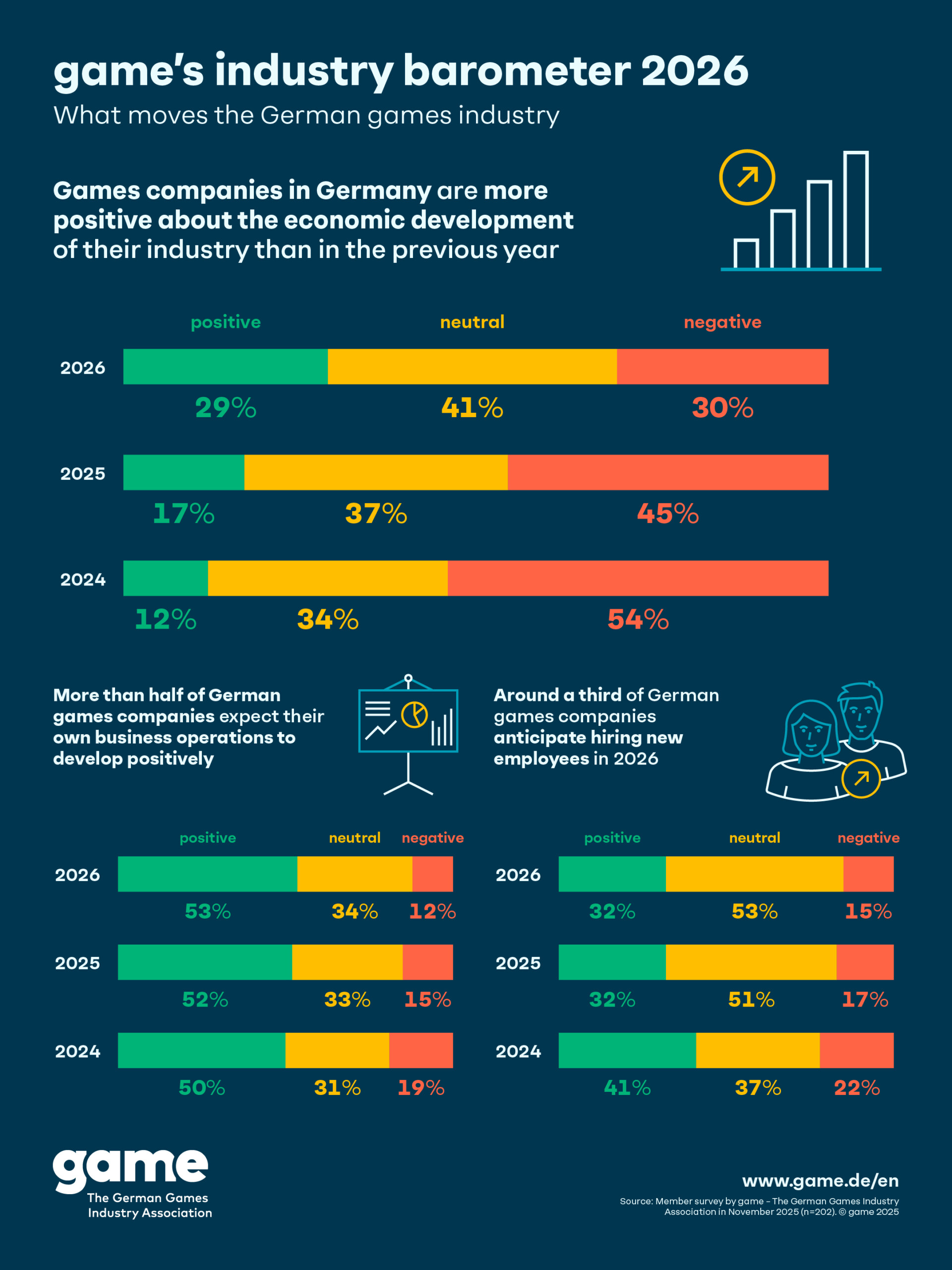
game – Verband der deutschen Games-Branche e. V. · 2025

game – Verband der deutschen Games-Branche e. V. · 2025
game – Verband der deutschen Games-Branche e. V. · 2025

game – Verband der deutschen Games-Branche e. V. · 2025

game – Verband der deutschen Games-Branche e. V. · 2025
Video Games Europe · 2026