
The current state of the global video game industry is frequently mischaracterized as a market crash, a sentiment often echoed by industry veterans. However, analytical evidence suggests that the industry is not experiencing a collapse in consumer demand comparable to the 1983 North American console market crash, which saw a 90 percent decline in total value. In contrast, the modern global games market remains robust, valued at approximately $200 billion with a 4.5 percent year-over-year growth rate.
The prevailing industry anxiety stems from a broken production logic rather than a lack of consumer interest. Over the past two decades, major publishers have engaged in an unsustainable arms race, significantly inflating production budgets for prestige titles without achieving proportional financial returns. This structural issue is compounded by rising user acquisition costs, particularly in the mobile sector following changes to digital advertising frameworks, and a sharp decline in venture capital investment, which fell from a peak of $19.5 billion in 2021 to $4.3 billion by 2025.
While the emotional distress and structural disorientation within the workforce are genuine, the industry is undergoing a correction of an inefficient business model rather than a fundamental failure of the medium. Evidence of continued consumer engagement is visible in successful high-profile projects, such as the record-breaking $27 million raised by the Cyberpunk trading card game on Kickstarter. This success highlights that when publishers align with fan interests and utilize effective distribution strategies, consumer demand remains strong. Ultimately, the industry is not facing a demand-side crisis, but rather a necessary recalibration of its production and investment strategies.

SuperJoost · 2026
SuperJoost · 2026

SuperJoost · 2026
SuperJoost · 2026

SuperJoost · 2026
SuperJoost · 2026
SuperJoost · 2026

SuperJoost · 2026

SuperJoost · 2026

SuperJoost · 2026
SuperJoost · 2026
SuperJoost · 2026
Poki · 2026
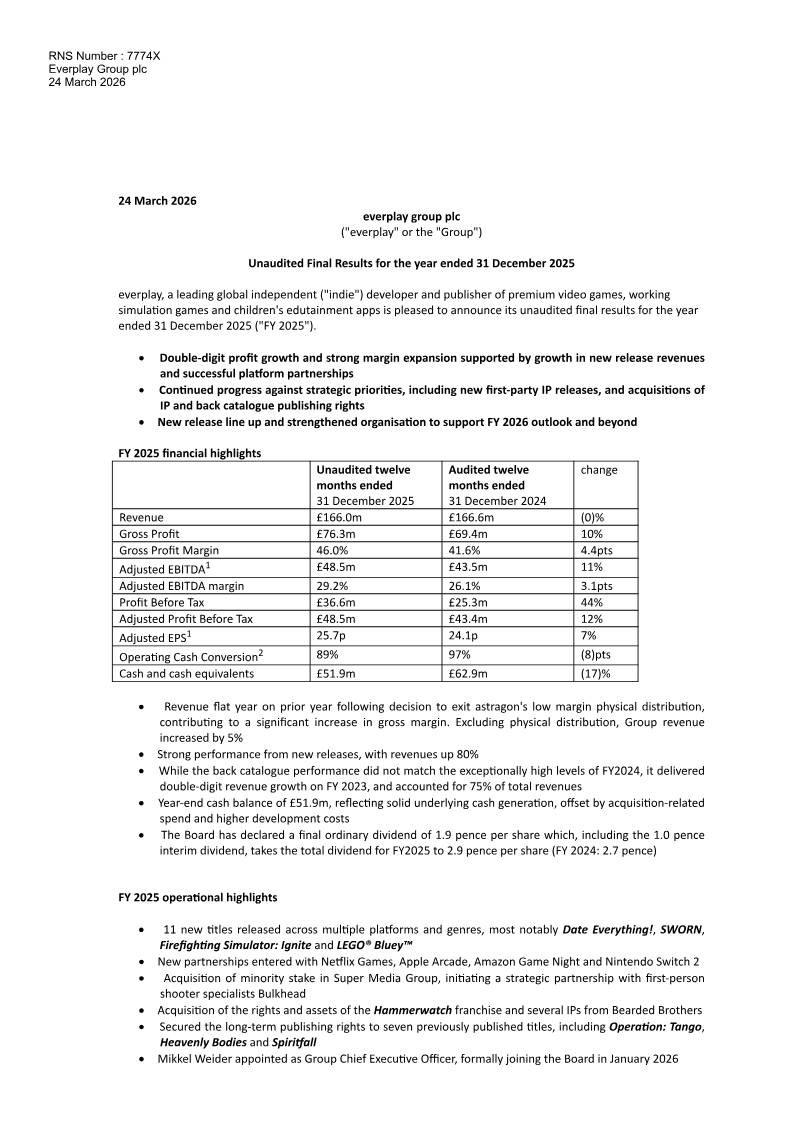
Everplay Group · 2026
Poki · 2026
InvestGame · 2025

Metaplay · 2025

Google Cloud · 2025

Game Developers Conference · 2025

VG Insights · 2025

Video Game Insights · 2025
modl.ai · 2025
Konvoy · 2025
Game Developer Collective · 2024