1 free read left. Create a free account for unlimited reading + AI research.
Create free accountWhitepaper Niko Partners
1 free read left. Create a free account for unlimited reading + AI research.
Create free accountWhitepaperNiko Partners
This directly influences player retention and long-term profitability.
Foundational Need. Robust network infrastructure is a foundational requirement for player retention and long-term profitability in modern globalized game development.
Robust, scalable network infrastructure serves as the foundational pillar for modern game development, directly influencing player retention, long-term profitability, and overall market success. As the gaming industry continues to globalize, particularly across the high-traffic corridors between Asia and North America, developers face increasing pressure to address latency, regional regulatory complexities, and the rising technical demands of cloud gaming and professional esports. Failing to prioritize these connectivity requirements early in the development lifecycle inevitably leads to player frustration, increased attrition, and significant revenue loss.
Strategic network planning must begin during the conceptual phase and remain a priority throughout the lifecycle of live services. Navigating the fragmented connectivity landscape of international markets requires proactive engagement with specialized telecommunications providers. These partnerships are essential for ensuring carrier diversity, overcoming regional infrastructure hurdles, and implementing the rigorous testing protocols necessary to mitigate the impact of unpredictable network spikes and service outages. By integrating these resilient architectures, publishers can effectively stabilize the user experience across diverse geographic regions.
Beyond basic connectivity, advanced network strategies enable high-quality, complex operations such as remote esports production, which further enhances player engagement and brand visibility. A well-architected network not only improves the immediate quality of service but also reduces long-term operational costs by streamlining data delivery and minimizing downtime. Ultimately, the ability to maintain a seamless, high-performance environment is a critical competitive advantage, ensuring the viability and sustained growth of global gaming titles in an increasingly demanding digital ecosystem.

Niko Partners · 2026
Niko Partners · 2026

Niko Partners · 2026



Niko Partners · 2026
Niko Partners · 2026
Niko Partners · 2026

Deconstructor of Fun · 2026

Niko Partners · 2026

Niko Partners · 2026
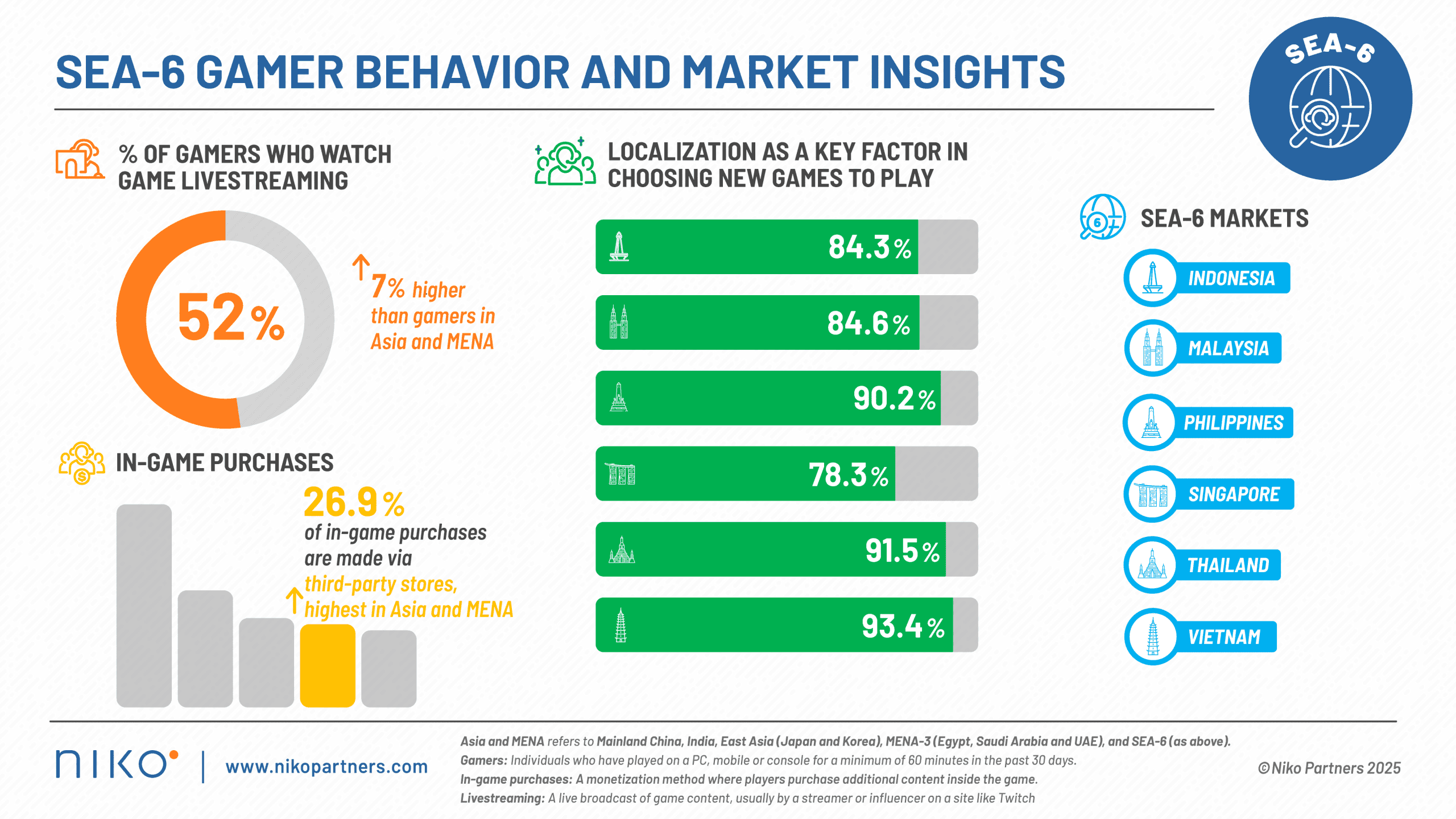
Niko Partners · 2025

Niko Partners · 2025
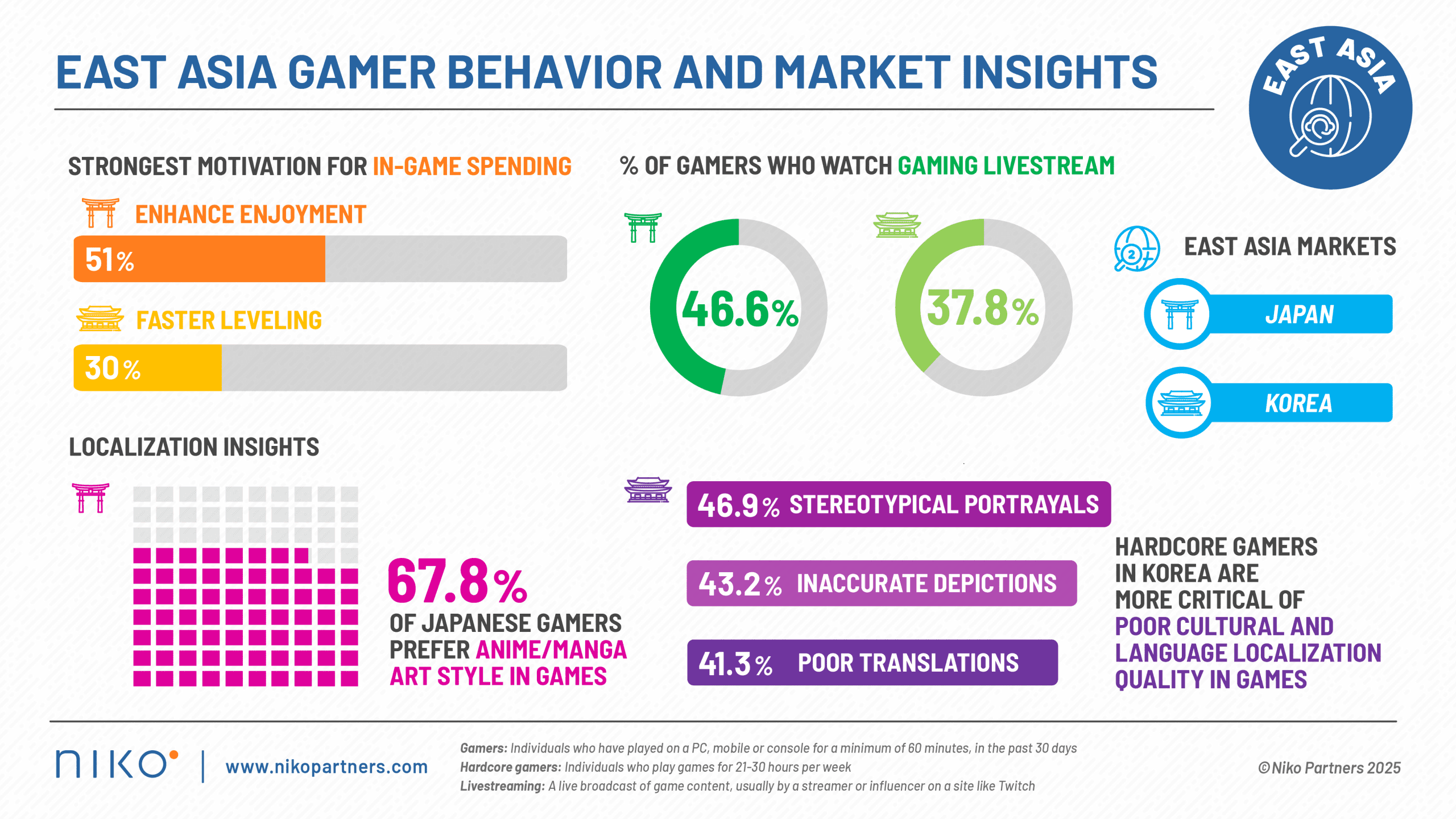
Niko Partners · 2025