1 free read left. Create a free account for unlimited reading + AI research.
Create free account
LIVE | State of the Industry with Brad Hart
Key insights
6 takeaways- 01The game development industry is undergoing a permanent structural shift toward hybrid work models and cloud-based infrastructure to access global talent and eliminate hardware refresh logistics.
- 02Virtualizing workflows through cloud workstations is being prioritized to enhance operational security and development efficiency.
- 03A culture of open collaboration is emerging, characterized by studios sharing infrastructure and tools to improve the overall quality of interactive experiences.
- 04Developers are increasingly diversifying their career paths by applying core game development skills to adjacent sectors such as virtual production and digital twins.
- 05Industry innovation is focusing on practical utility, with cloud computing and immersive design tools viewed as essential, while technologies like NFTs are dismissed as lacking consumer value.
- 06The accessibility of modern game engines and development tools is lowering barriers to entry, driving a surge in independent startup activity and professional autonomy.
Ask AI about this video
Transcript
top 10 mobile games in the us gross more than 340 million dollars in june do you want your game to earn more app figures is all about giving game makers the tools they need to get more downloads and revenue you may already know them for analytics and app store optimization now app figures can help you keep track of competitors and the game market from how many downloads they're getting how much money they're making to their audience demographics and even which tools they use to power their games their competitor intelligence gives you great context got a great idea for a nap or a game with app figures you can figure out how big the market is and how much money you could be making with it say a competitor adds a new feature or was mentioned in the news with app figures you can see if that brought in more downloads and that's just scratching the surface whether you're growing your game or building a new one app figures has what you need to reduce risk and get more downloads best of all you don't need a large budget or data science degree to do this kind of thing
anymore app figures has made it affordable and simple on top of tools app figures also provides a lot of guides and tutorials to take you step by step through gaining more visibility with aso and increasing your revenue by learning from your competitors they just release a free guide on that actually head to app figures dot com forward slash on forward slash gamedev unchained to try app figures for free again that's at figures a p p f i g u r e s dot com forward slash o n forward slash game dev unchained to try for free if you like it use our special code gdu3030 to get thirty percent off for the next three months [Music]
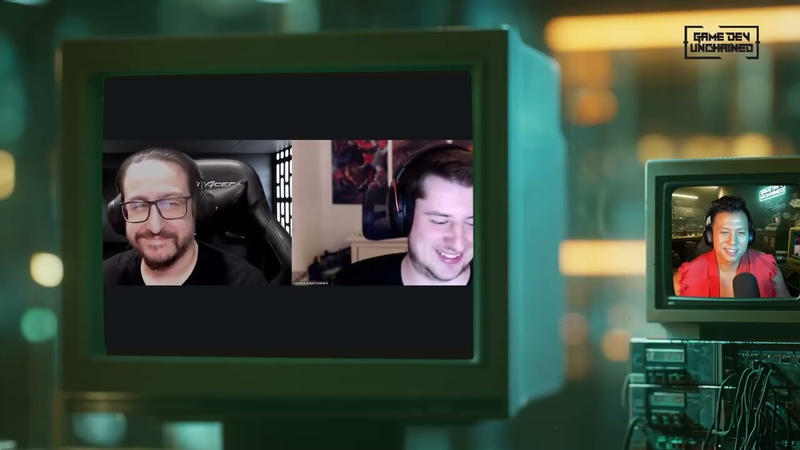
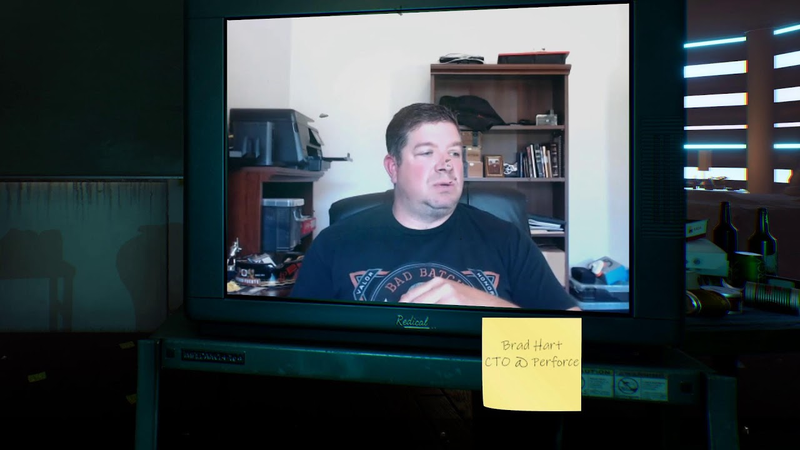
what's up everybody welcome to another episode of game dev unchained the no one game development podcast about game development and the lifestyle thereof i am your host brandon pham and welcoming back a dear friend of the podcast brad hart how you doing brad good brandon nice to see you again it's nice seeing you man it's been a while i feel like every time i have you on it's like trying to get a pulse on what the industry is going what's happening out there uh for the good people who didn't get the uh chance of listening for before uh do you mind reintroducing yourself to the listeners and the viewers out there who you are who you've been where you at sure sure thing yeah so brad hart i'm cto at perforce software um and i run you know product strategy and go to market for a number of the products in our portfolio but specific to your audience the helix core product
which i'm sure most of your audience is familiar with uh that is the you know product that most people know historically as per force we're a much broader portfolio now but um certainly helix core is you know a mainstay in the game development industry so begin product strategy go to market sales engineering around that product and a lot of the tan junction products as well yeah the last time we had you on i think we were in the thick of it either um pretty close in the middle of the the pandemic right covet being pretty big news across everybody's industry but i think in the game industry there was a momentum shift in how we work uh and i i think even before that you were anticipating a a sudden influx of uh everybody using perforce in particular as one of the biggest challenges of 2019 i think when you were starting to talk about that and uh
how has it been i mean obviously we're we're past the stage of aching pains at least like everyone seems to be connecting and working and have a system in place what are the biggest challenges now yeah i mean so it's interesting so we you know one of the things i definitely wanted to bring to light today that's uh available for your audience to take a look at is uh perforce did our biannual i'm sorry semi-annual uh game development trends and forecast report and what we do there is we reach out to the community right to our customer base uh to the users and we get all kinds of responses 300 plus responses from you know artists coders you know game developers architects project managers you name it to really get a pulse on what's going on in the industry right we publish those findings again it's a free paper you can download if you go to perforce.com and go to the resources tab it's really it's the first thing you'll see
and that is one specific question that we asked was based on how people had to change their work patterns in covet what has remained what is the go forward strategy is everybody going back to what it was before um had things changed permanently and one of the things that we found and it's been backed up talking to our customers because we talk to our customers all the time but also from this report is that we are in a state of permanent change um remote work is here to stay uh in some cases it's hybrid maybe people are going in two three days into the office but they're working remote and the other thing is that um people now are sourcing employees from around the globe so historically especially at the larger companies the larger studios you know if they had an office in san jose they wanted to recruit people that lived in san jose so they could come into the office but now it's about
finding the best talent and the best talent could be anywhere in the globe and because of the infrastructure people had to put in place to support game development during coven um it has now allowed them and opened the doors to hire somebody from singapore who would might not have had the opportunity to work at that company right because they would only want people from san jose so it's it's the net positive benefit and and as you mentioned our customer base um because of trying to support the needs of employees has been looking you know in advance of covid to be able to support work from home development on a game which is not which can be difficult right given the hardware requirements given the software that's required um the the infrastructure and that's where the cloud has really come into play and you know virtual virtual workstations you know game development environments etc you know using all the various technologies for sharing data for you
know remote access that's high speed low latency that technology was already being investigated to support the employees but now it's mainstream right now people are seeing the cost effectiveness of it and the ability to you know really reach out to the employee base globally which has been a great net effect and it there's a remote work paradigm is here to stay for sure yeah i mean there's definitely a huge net positive i think overall if we compare everything everyone moving online working remotely uh but you know there are always like those in the trenches those people who are kind of tied to the offices especially the ones who are paying for offices that are still thinking about hey when exactly can we get some of these guys back because uh for larger companies especially it's very hard for them to kind of just give up that real estate and like hey let's go full-on right they're stuck right and there is like a little struggle back and forth and i do agree that employees
definitely have a lot of leverage right now i think more leverage than ever before um so depending on which side you want to be on i think overall we always want the employees to have a say in their well-being right but i always wonder is like what is too much what is the right amount because both side is the part of the equation and it's a question that does come all up a lot for game development game developers i wonder what your thoughts are on that because obviously me and you we've been doing this for years now we are at home we're comfortable we know how this can work we're set up for this meaning you didn't have like an office to kind of commit to before that but you know we can kind of sympathize for those who are kind of stuck uh in between of not being able to fully commit uh one side of the other yeah yeah so i think you know i think the to your point the benefits from the employee perspective are pretty clear right i mean people like to have the
flexibility i like to be able to you know run to a doctor's appointment or go to the post office if i need to and the flexibility of i could shift my hours and just i could be there when my kids get home from school that kind of thing i mean the benefits are obvious um to the employer the it's also there's also a negative side and i've seen like if you don't have a certain mindset working from home if you're not inclined for that kind of environment it actually can be detrimental to the employee as well a feeling of isolation they're not getting the productivity that they're used to the water cooler talk yeah you know that is a that's a gap and you know i think our company included we've all tried to find ways to keep people connected uh that a remote um it really got obviously brought to light the last couple years uh for myself i mean i'm the kind of person personally where it doesn't matter right i don't you know i don't need all that you know connection if you will because
i'm constantly talking to people that i work with i've just given the nature of my job uh but keeping people from feeling isolated is pretty important um you know the employees perspective employers perspective it's less about from what we're hearing from our you know the from the feedback we've gotten on this report plus again talking to customers our own employees um and our own managers is like a lot of people are looking to go to kind of a hybrid model so if you are near an office it's there we're experimenting with you know we're seeing a lot of it two three days in the office but at the same days other people are going into the office right so maybe tuesday wednesday thursday so that you know you can get that kind of camaraderie you can get that connection with your employees you can do the team lunches all that kind of jazz which is actually pretty important in building a team and still allowing for the employees to have the flexibility they need
um on on those days that they're working from home to kind of find that right balance but i really think it's it behooves the employee to understand why um the the employer might want them in the office a few days a week and it's not about accountability we're way past that it's not about keeping tabs on people uh today's world you know who's producing and who's not it's not about clocking them in and clocking them out it's about energy right so much of what we do um it revolves around that extra level of effort and just community and a unified goal of what you're trying to accomplish you think about we've all been at crunch time before release right like yeah that's what all the arms are locked and you're going crazy and you're banned together to try to get the thing over the finish line it's not impossible but it's the more remote you are and disconnected as an entire organization the harder it is to kind of build that unified front
um that being said you have to be able to support people that are for earlier above like you know you know saying your experience my experience and that just becomes a little bit of horsepower on staying connected zoom call slack all that jazz so it's uh you know uh happy hours you know we did that quite a bit especially during the the heavyweight part of the pandemic we were doing happy hours no work talk just getting everybody you know on a zoom call to laugh and joke and have a beer and get some camaraderie going but it's uh just finding that right balance right what's the true health of the employee right yeah given the flexibility they need but also giving them the connection that they they definitely need um so just trying to find that balance and i think that's what people are striving towards yeah i think overall everyone's trying to solve like these underlying issues that we're we're training the new territory so obviously there are things that haven't
been 100 figured out the things that you pointed out are the obvious wins for employees and in some cases obvious wins for employers right the opening of uh talent right which you know everything has its own thing you know that used to be an advantage for those who are local right it's like well that guy in singapore is really good but he's over there right but now it's like oh man i gotta step up my game so it really depends on the perspective of how driven a person is um and it is hard i always say the one of one of the fallout of this instance working remote working like you said right there's a lot of people who are kind of built naturally for it we got our own setup we know what we need to do you know time is valuable to us so we maximize it uh but there are others as you can you know they're kind of struggling they're they're not used to this and i i know a lot of uh colleagues that uh forced their way back in the office because they needed that own time
i need a way i need to escape from my family it's just too much exactly yeah so i mean i think overall we both agree is having both options is always best you know having a an extra option i think right now is is best it's just you know there's a lot of um learning pains that everyone has to go through i mean lately the um uh who's the author the ten thousand hour guy the malcolm gladwell right he got kind of uh kind of burnt by just saying like how important you know kind of what you're saying in office um when it's cl uh collaborative uh can be for for certain businesses right and it was just you know people were just commenting of course he doesn't know what he's talking about he's but he's the guy who everyone quotes like you gotta put ten thousand hours to get better at everything i think he kind of knows and he's like well that's kind of hypocritical you know you work from home and you know he he always brags about
working in cafes and you know he has his spots where he but he's a writer right it's an isolated profession so like yeah it's interesting to kind of hear from these different perspectives and as a creative myself i also you know see the benefits of being able to turn my chair around and talk to someone and hatch an idea and i still haven't been able to replicate 100 that kind of water cooler talk on zoom right it's like man every time i do a water cooler it's a meeting right it is an hour it's like wow it's a commitment it doesn't feel as passive as it used to be and of course you know managers want to be a part of that or producers it's like yo it's like two guys turning around in the chair and then the third guy pulls and it's like hey know your space it is a lot of weird shenanigans that i think uh maybe another couple years as time kind of moves on the balance is
everything um like meta in this case during this whole time they're trying to figure out zoom 3.0 rather with the vr headset and trying to uh apparently their new headset has eye tracking which is the big thing right my camera is up here so i'm not exactly looking at you you know having that interpersonal connection and they're trying to solve it in that way and i think these are all positive steps towards the same thing where flexibility i think is where everybody wants in the end right yeah i mean yeah exactly how do you get that free form casual conversation how do you support that without like you said oh now it's an hour zoom in because you know what if you schedule an hour they're going to take an hour right yeah get the time suck i had 12 yesterday yeah like whoa and that's kind of another end of the spectrum for people being remote is like so many meetings oh man yeah and it's just like because we want to keep
communication so it's to find that balance i think is there's going to be an opportunity there's going to be some like you said some some technical innovation that's going to help that i mean what i miss the most and i used to work in an office when i had my company um and it was you know an engineer so it's like oh we got an idea that's something we want weren't trying to figure out boom boom we're on a whiteboard and we're whiteboarding architecture and going through some stuff that's like the most thrilling thing for me and you know i don't have that right now yeah even with virtual life it's not the same yeah so it's uh there's a gap there there's a gap there um that i'm hoping that technology will help close so you can kind of get the best of both worlds yeah i think the biggest thing is like we're so in these meetings this this is it right this is what like this is all my expression emotionally what i'm trying to tell you right and we're not used to that right i'm not always staring just the top half of your body and your face like i'm looking your whole body language and it is a huge intensive focus on
you know parts of some better some are better actors than others right and i am not that when it comes to expressing expressing my thoughts it's like stop looking at me right um but let's let's talk about like the technology advancement right there was a lot of experimental things that we all heard of with the cloud base the virtual machines and um a lot of a lot of this uh streaming like were at the beginning stages but because of the dynamic it really fast forwarded uh use cases to actual cases right um and i would love to kind of hear your thoughts on that because uh overall like my company uses virtual machines they've gotten a lot better even in just the past year because of the the needs a lot of companies are still just plugging straight into their physical computers in the office uh as another way of doing and and the second way is the data centers how are you seeing that playing in to
our future here like what is this are you seeing more and more of this technology more companies are kind of centering around that to support the needs yeah yeah yeah and we're not just seeing it from the companies themselves but you know we work pretty closely with the likes of microsoft and aws etc and uh for instance microsoft just published um and they they launched it at gdc their ver their game development workstation right which it's a it's you know it's it's a machine image and you can run it on you know whatever level hardware you want with the right gpus all that and you know it's got like the likes you know it's kept on real engine it's got you know our helix core clients it's got you know editors it's got all the kind of stuff you need and then people are using things like parsec or teradici et cetera to give that low latency you know feel um and there's a lot of a lot of adoption of that right so you're seeing these big players invest in making that easier for people
to get up and running so they just hit a button and they go um and i've seen um you know are some of our largest studios that we work and for all the triple-a studios are our customers building and putting their infrastructure out into the into the cloud not because it's cloud but because it helps them from a cost model perspective yeah from a client perspective you know people talk about oh my gosh yeah the cloud costs you know we got to be careful and yeah you absolutely got to be careful you got to have a process in place to turn things down that aren't being used etc but when you do a three to five year model financially on the cost of refreshing hardware yeah to keep up with the latest demands pretty soon the roi becomes very clear that the cloud is actually a very attractive option if you're smart about how you do it and it now opens up just you know if i'm working you know if i'm in the office today working and then i'm at home working i don't need to take anything with me and i can work the same environment i don't have to work in a
different environment because i happen to be remote so it's really helping to make that seamless uh for the end users so we're seeing you know a ton a ton of push from our customers uh from our you know our partners our cloud provider partners that we deal with there's a lot of money going invested a lot of innovation happening that's where it's going to all go right i mean before you know it nobody's going to have a data center um in their in their environment i mean i've seen you know like the version control space for eons um it feels like and you would never ever see anybody put their source code in the cloud yeah right they're developing it just would it was impossible to think about but now game of companies are doing it media companies that do it semiconductor companies are doing it now which i never thought would be possible um and that's just where they're going because they see the roi and the benefits and you know that people understand better how to make things secure and limit you know ip leakage because those are obviously things that are concerned um so the technology's there and people are
leveraging it to their advantage and now it's just helping with kind of collaboration you know globally which is also another again that's something else that this opens up you talk about remote but just one of the other big things that came up as a pain point in our in our uh the paper the uh the development transit forecasts that we just did was collaboration's a challenge right we ask what's what's what's giving you what's in your way what's giving you problems and like global collaboration is a challenge for people well that's what you know perforce has always done heap with health score and again we traditionally grew up kind of in the source code management um and you know as you know i'm sure you're aware i mean it used to be where a game was one artist designer to one coder it's now like three artist designers to one coder that's trending to five to one yeah and collaboration across globally around big digital assets is difficult and complicated and
you're seeing people using things like well geez i got to collaborate with this person in sweden and i'm in boston you know they're using dropbox or you know google drive whatever that's what we released this year uh a month or so ago we released our helix dan product digital asset management which is basically all the power of helix core but with none of the complexity right new interfaces helix sync it's all web-based so artists can collaborate globally reuse assets do you know reviews kind of kind of kanban board style uh review process inline edits all that kind of comments etc to really give that first class collaboration capability seamlessly but with all the guts underneath of an enterprise version control system so you know that's why i love doing these reports because we really learn what the pains and challenges are in the market and it gives us an opportunity to go address them for
our customers pretty cool stuff yeah yeah um i i mean there's been huge not just on the development side but even on the the player side uh the publishers everyone's kind of moving into the cloud like it seems like there's a a huge step more and more away from just owning hardware i mean music did it first everyone you know owning is i mean subscription is everybody like a business person's music to their ears right it's like hey you just keep paying but like my company for example are using virtual machines and we are never going back for for the benefits that you spoke of right it's like you don't have to there's no upkeep right every two years you don't have to replace it uh power management you know the being able to have it on 24 7 and have sync right is like a huge advantage it's something i i don't like doing with my home computer right but being able to do on the cloud and being able to log off and basically log on to
it from anywhere without having to log in my like 20 pound laptop to make things work is it's such a game saver being able to just do regular maintenance all right uh being able to log on different people's computer and fix it is a huge plus and these are like everyday little things that you would see in game development but are huge wins as a developer to be able to just you know it is i think even better than walking to someone's desk and just seeing what's going on right let me log in and figure it out log into the same desktop and take a look and collaborate together real time exactly and you know what's cool it's when you think about it too another trend that came up in the report was talking about the platforms and everybody's aligned on the fact that all these game developers that like cloud streaming of games is is coming it is real it will be a major player it's it's it's kind of the same thing right like yeah i got playstation
five and i've got a little lake house in maine i like to go to if i want to play that i gotta pick the bloody thing up and carry it with me guess what i'm not gonna do it right um and uh you know just from the same perspective of somebody writing the games somebody playing the games having that kind of insane you know leverage of the cloud and they're not worried about new hardware they're not worried about backups they're not worried about you know where it is versus where i'm going to be tomorrow i want to jump on a plane or get in a car i was available always around and that to me is the real the real magic of the cloud whether it's for the individual game player or the game developer is just ubiquitous actors right it doesn't matter where i'm what country i'm in it doesn't matter who i am you know what i have personally money wise for hardware i can get access to whatever i need and that's that's a that's a game changer that's that's really made in roads the last couple of years but to you to your point people that go there they're never going back ever yeah
accessibility i think it's gonna improve everything like the the products that we're going to output uh it invites more players into into games or anything related industry-wise that are using this so i mean a lot of people now can technically not have to own a playstation 5 to play so many games right you can do the playstation subscription and and be able to play all these games i mean that that's me man i i've been skipping out the last ps uh upgrades right i haven't owned the hardware but now i'm revisiting because now they're making it available and i mean that's that's the publisher side realizing like hey we're limiting ourselves by just sticking to the hardware let's put it on the cloud let's put it on steam put it and and xbox and microsoft have been saying the same thing it's not about the hardware anymore it's just the content the software and making it available as widely as possible exclusives
uh just having our brand name on it but not exclusive to to to the device itself which is huge so like everyone's frame of thinking is i kind of pointing to the same direction this is where we want to be this is where we want to go and that's the net positive i think it's hard to deny um but you know the competition is higher i mean and it's yeah i mean i know we me and you are pretty competitive so we're fine with that but you know the weaker ones who are less are more concerned right i can see that happening a lot it's like it's not a it's a it's not a secret anymore how we do things and we've been seeing this for a while with education being more accessible for for digital industries right you can go online you technically don't need to go to school anymore for all a lot of stuff and we're seeing better and better products at earlier stages of people's careers which is i think another big plus in the
last four or five years yeah yeah because i think it's more it's more about let's compete on the content yeah right and not about what degree you have or what secret sauce from a technology stack perspective you have i i look at so we deal with you know we run like uh these customer advisory boards with you know you name the triple a studio there party and what has always amazed me is their willingness to share the technology that they have built in their environment to help them create their games faster and better what they share with each other which is to me it's like oh competitive advantage right you don't want to tell people that but they love it because they're like let's raise the bar for the industry and we're going to beat you because we're going to make a better game we're going to make a more compelling immersive environment than you and that's what they're hanging their hat on and that's a boy that's a way to really raise the bar in an industry is to share knowledge and just make that
infrastructure part of it ubiquitous right and that's what we're seeing a lot of we're trying to you know when we we have uh i know i mentioned last time our indie studio pack right you sign up you get five free licenses of helix core and hands-off to project management which is great help people get started but we also built this thing called the enhanced studio pack where you know a lot of people don't want to have to figure out how to set this thing up and all that well you pick your cloud provider you put in your credentials and we set it all up for you in the cloud now you just you you might want to use you know you pick your provider we don't care you might want to use you know say the hillscore client to do a sync or you're using the unreal plugin whatever to download your content to your laptop or maybe you want a workstation in the cloud we have that pre-built as well so we got images for that so just click go you're ready off and running you're gonna use the microsoft one just gets low the barrier to entry for people to get started and get creative just we're just putting in automation we're trying to make it so simple
without reducing the power right a lot of times people will trade simplicity for power uh we're like all the same power of helios core that has always been but just trying to make it easier for people to get started and getting plug-ins configured and environments set up so they could just start focusing on creation which is to your point where the real magic's coming in and people doing earlier and early in their careers and i can tell you this talking to some of the major players in the industry what i've personally ask them you know what are your biggest challenges it's finding good people that's the biggest challenge for the industry for these people they can't find good people there's there's just a birth of talent so that just really encourages people to get into the game development environment and and to learn and like you said there are avenues where you don't have to go to school for four years to get and crack into this environment you show that you're creative and you can you know have a little portfolio of you know you know 3d
effects that you've created whatever that's that's you're getting in the door and that's a that's a great thing to lower the barrier to entry yeah it's a you know um i don't think we need to say much i mean we we love the game industry it's been good to us uh surprisingly been too good right like in some cases like when you make them as much as a doctor just sometimes that's like what are we doing here it looks ridiculous sometimes right uh but i'm very proud you know because uh out of all the industries uh i i think we're leading in a lot of fronts i mean we look at the movie industry they're adopting a lot of the tools and the the methods you know uh i see perforce being used in a lot of those studios now and before it was like what what's wrong with thumb drives it's like come on guys like it's it's such a welcoming thing that's been happening since we've gotten so good at making things look
good that everyone wants that workflow uh in all the industries and that's something i'm very proud that we're doing and we're still going forward with ar vr all these fronts that that seems so futuristic right um and we're leading in a lot of ways in that way yeah i mean i think the thing that's cool there is uh you know and as you mentioned so it's really kind of cool it's something to be proud of being from the game development industry is that game development and the tools and practices and and ex experience and expertise is helping to transform other industries like you mentioned virtual production and using game technologies to build the mandalorian and now everybody's copying the mandalorian and how they did that using unreal engine perfors you name it and because they see it's a better way it's a faster way to create better content um it hit the market quicker it's
cheaper overall and people want to copy that so they're leveraging these key capabilities from the game development which is awesome it's also moving into digital twins same thing all the same artists that are building a game are building digital twins in automotive manufacturing infrastructure you name it aerospace same technologies same processes you know that's where we're focused we're focused on the digital twin industries we're focused on virtual production media entertainment obviously gaming semiconductor all these patterns and technologies are being shared across these industries which is also super cool as a game developer whether you're coding or whether you're a creative on the artistic front your skills are now applicable in all those industries that i just mentioned so your world of opportunity by growing up in the game industry has now expanded yeah massively you want to go work on a movie take your game development experience you can get a job
tomorrow yeah that's really really cool that's i you know if i was in that seat i would be pretty excited uh yeah you know it's pretty pretty great opportunity yeah it's pretty crazy just a few online courses skip college i mean that's that's you know that's the sacrifices the pioneers you know had to do take out those private student loans where schools don't exist anymore because they got in trouble i mean that's us paving the way for for all this and it is exciting and uh it's crazy it's crazy to see all these tech companies like meta facebook uh google uh uh pretty much all the tech companies in the bay area are utilizing game developers for some type of project even apple right and uh that's something i think even 10 years ago i didn't even think was it possible it happened so fast that's what i'm saying
i can't imagine what the next five years will be once you know vr ar starts getting a grip on everything and that's going to create another layer of innovation for for all industries to kind of share the challenge for there's no question and that was again to kind of echo off of that the um you know part of the survey what we asked about the report was we asked about arvr we asked about you know the metaverse we asked about nfts all these you know uh you know hot button areas and ar vr there's no question that you know while it's been a promise for a while it is part of the core strategy of the future for the game for the game industry um a lot of traction a lot of real projects going on right now uh to to to enhance and leverage the ar vr space so that is a place to be um kind of interestingly enough as well um the feedback that we got from the people we surveyed like nfps
people they don't have a great feeling about it um you know kind of the sentiment is kind of a marketing game it kind of echoes my own opinion and maybe people won't agree with me but um you know kind of a marketing gimmick they just you know you got the word nft so now you've got a project but the real fundamental thing is well nfts and blockchain in general you know blockchain is great technology as long as it solves a problem in a unique way that's my opinion right so when it's an nft or a blockchain tech for blockchain's sake it to me it's useless yeah right you have to have it in an application that solves somehow moves the needle for game development right and the feedback that we've heard is like well geez with nfts the you know sort of the ownership or of the pro you know the uh you know importance of an asset or whatever they already have tech for that right you can buy stuff i can buy a a new color outfit
from my character i can earn a lot you know so the technology to accomplish those goals already exists so i would say i think it was roughly 70 to 74 of our respondents are kind of like nfts nah now metaverse in the middle right i think we all kind of see like with the metaverse and all the game developers that we've surveyed like yes it aligns with game development because immersive all-inclusive experience but people are kind of still kind of waiting to see where it's going to go to see if there's actually going to be an opportunity to make some money with it uh where ar vr is no question so it's kind of kind of interesting to see the insights of the folks that we that we surveyed yeah well i mean and phil you know answer as comfortably as you want right so obviously the last two years a lot of things have happened nft blockchain all this stuff just crept out of nowhere
i think most of the time when i talk to a hundred percent designers they hate that stuff i mean they hate downloadable content years before right but any new stuff that like is money hungry they're like oh it's total trash but especially technology like-minded people like yourself anyone that i have on that kind of knows how these things kind of work in the background 100 says this is trash this is the dumbest thing in the world uh because like he said there are technology there are things in place that allow you to do what nft promises to do right you can buy an outfit you can own it uh there's no question about it right it's just a server with things that people won't only one person have access to i don't know i i won't even pretend i know what they're talking about but i've i kind of you kind of believe and at least follow like hey yeah it does feel like we we can do these things already and you know uh time have passed and especially this
year i feel like nft is crashing and burning pretty hard and which is kind of proving everyone's like uh suspicion pretty correctly uh and of course the metaverse right the metaverse was kind of like a hot topic uh in the past two years and it it's everybody i think it aligns with game developers dream we watch ready player one we read it and we're like yeah i would love to be a part of that um it it plays along the lines of popular mmos it's like all right i get it you know we can get it done uh i would love to kind of hear your opinion more about both things um and i do think like funny enough the metaverse is kind of coming from it's gonna be coming from a game company i i just don't see any other way of doing it um it has to be a place people want to hang and play and do something not it's not going to be enough just sitting around and staring at each other of life like we are right there has to be something we got to do and in that in
that case now i've been kind of saying epic is going to come in with their fortnite and i think it's the closest thing because they get it it's a game company the throwing virtual concerts there's obviously huge following already it looks great it looks like you know you can play on mobile you can play on pc and i've been reading a lot of rumors saying that vr is kind of like its next frontier and once they get that on i think that's the metaverse right isn't that it exactly i mean to your point when i look at the metaverse to me it's you know oh we're going to have like you know somebody looking talking to nfts they spent like 650 grand on some nft of a stupid minecraft looking yacht right yeah what are you even doing yeah um but and i can't see people i certainly wouldn't waste my time sitting on a fake yacht talking to somebody you you
leave your existing life yeah in the stresses of the daily activities and work to go escape and have some fun and go that's typically like i gotta go accomplish a task or go go on some adventure i mean that's what games have always been about and you know increasingly hard levels or you know open world whatever and i think to your point i think games are gonna drive the metaverse because it it just takes what we've always done it makes it more immersive i mean think about you know the first innovations around the feedback and the controllers right it just it rumbles a little bit and wow i feel a little bit more like i'm in the game yeah um you know that like you said the vr is gonna you know really complete that the game innovation because that's where people are going to spend their time that's where people want to burn hours is trying to accomplish that next thing um and that is you know i look at like the game development's not going to make the
metaverse metaverse is going to help game development go to the next level that's what i'm looking at is that technology of bringing it all together because that's what people want people want to escape they want to be able to have some fun challenge other people connect with other people i mean i can go way back i go back to the earliest video games you can imagine not you know playing pitball back in the day on my app on my atari from activision right i mean like but it was like i gotta jump over that next alligator right next level uh to now some of the crazy stuff that's going on but it's excitement it's challenging it's it's kind of expanding your mind and that's really where i think the metaverse is more like an enabling technology it's not much like the cloud right so i i like it for the product the cloud for cloud's sake is just stupid it's useless it doesn't accomplish anything yeah the cloud has to solve a problem for somebody right and what it does it solves an infrastructure and skill problem and among all the other things we talked about that's why cloud is useful nobody goes to cloud because they're told they
got to go to cloud they go to cloud solves a problem um people will go to the metaverse because it solves uh a problem of how to be even further immersed and connected into the game world it solves that problem therefore that's why it's important and that's why again my kind of negative take on nfps is nfts don't solve a problem that isn't already solved therefore to me they're it's useless it's a useless implementation of blockchain technology because it doesn't doesn't solve a problem and people are just putting it in their little tagline or whatever because they think it's going to make them relevant when at the end of the day if they're not providing something or bringing value in a unique way what's the point nobody's going to pay for that so that's kind of kind of the way i look at it yeah yeah i think uh as a developer i feel the same uh i i think the last two years i i've met a lot of sellers i
met a lot of sellers at mt who get super hype about like the potential selling more nfts but have never met a guy who actually bought nft it's like who are buying these things never met anyone i was like all right there's something weird it's like out of all my friends i'm not that connected but i'm connected enough you know within reach of that technology i was like who are these people who are buying like monkey gifts and stuff right and i i had i couldn't find anyone to talk to right because i just wanted to because in the early i i didn't understand i just wanted to understand and i was like hey i want to reach out i want to talk like what what are you thinking as a buyer that i'm missing here and i couldn't find anyone so that that was like you know suss right and uh i i think you're correct you know uh people are are excited about vr excited about mediverse because it is a form of escape it's a vacation right i mean we're talking about the matrix essentially right it sounds cool even
with all its doomsday movies and science fiction around it i was like i still want people look at ready player one as like a warning i'm like i want that as a gamer yeah i want to have that and that that's i think that's the economy of people to divide but there are two avenues that i do see i agree with you one is towards the heart of it and i think i'm leaning more towards that it solves the problem and it is it's games games have been for a long time encourage this kind of metaphors right all the elements of the metaverse i mean that's been in some parts of games mmo rpg all that stuff right and the other part is like people think of it as you know a zoom uh next-gen right that's like well i mean do people really enjoy zoom that much right now it's like why do you want to have an elevated version of it nobody wants to play in zoom do anyone do anyone actually get excited about
going to a zoom meeting so it's it's it's i i feel like we know what the outcome will look like i'm interested to see how close it will be because there are two different ways of looking at what the metaverse is and i feel like all the companies all the innovations are towards those two paths it feels like well i mean i think about you know it's all about like connectivity and immersion right i mean think about at the end of the day at the end of the day things are only going to ever really get built if it's going to drive revenue for the companies that are building yes right and people what's going to drive revenue is building something that people want um and so the you usefulness of this will all come out and play and i really again i think the game development industry is going to drive it because that's what people want they want the year's point they want the escape i mean i remember when madden first had you could online play against somebody else and you had a lag with murder um
and all that kind of stuff but you know what it was awesome because it was i could play against my buddy then people started to upload that and they started having the lan parties right and bringing their computers with them and then now like connectivity like that's not even something people think about right online you play with people all across the world it's just a given uh you know you say we talk about the rumble and the controllers you talk about what's the point of having a you know a 4k to an 8k you know tv right or surround sound it's just bringing you into that world and vr ar tied to the metaverse is really the kind of ultimate promise of that experience so yeah it's kind of like it can be kind of matrixy and doomsday-ish in some ways right but it's uh it is certainly cool and i think it's going to give people an experience that they they've been kind of searching for right what's the next level that i can get to of entertainment yeah yeah pretty stuff that's uh that was it cyrus when he was describing the matrix
he's like you know i know the steak it's fake but you know i love it i don't care i was like i get that i get that i understand what he's coming from uh i do want to ask you this question so um this is a trend my friends think i'm crazy it's a conspiracy that i'm kind of building up on my own accord but i see a lot of people that coming out of the endemic right they are uh uh in in a lot of ways like i see a lot of people who's been in a company for 10 years super stable super secure nothing has changed but they are taking more and more risk now they're they're going startup they're changing jobs in a time that inflation is happening right and i would love to kind of hear your insight of what what you think is happening like people had real existential crisis over the last two years and everyone's rethinking like you said you know what's important
to them uh are are you seeing a lot of this personally professionally what was your take i would say both personally and professionally i'm seeing it um and i don't think i don't think it's unique right i kind of i've lived through this before when the whole tech boom you know when the the whole you know tech boom happened originally and then you know the dot com boom after that which was kind of a disaster uh but what you were seeing people they were leaving jobs that they had at stable companies sun micro systems companies like ibm that they had been at potentially had pensions at yeah been there for 20 years and all of a sudden they're starting a startup and they never did anything like that in their life yes um and i think i think we're definitely uh on a new precipice of that because the like i said the barrier to entry is low so now if i want to build a game development company i don't need to go buy
a quarter million dollars of hardware for build machines stuff right that's where the cloud thing comes into play um i don't need you know all kind you know the advancement in the the game engines means i'm not writing a lot of code if any i can write a game without writing a single line of code so the barrier to entry is a lot lower and i think people that innovation it's like they want to they want to control their own destiny right do i want big mega corp to kind of dictate my success and future and when i see things that get scary like mega inflation things like that you're kind of at the mer when you're at the mercy of your company a big company that can be a little disconcerting for some people where they're like you know what to hold it i want to go take control of this myself right maybe i'll fail but the good news is they know there's always going to be a job out there but maybe i can maybe i can take on some
of the environmental things of inflation etc um and just beat it myself right and go live my dream and be successful and there are so many success stories i mean that's how this country was founded right like take a chance let's go go brave the western frontier a lot of people died but a lot of people had a lot of success and they built families and fortunes and um and i think that's kind of the spirit that i like to see thrive and like i said the last time i saw that was with the beginning of the tech boom and people like really stable jobs and we're seeing that again because again the barrier to entry is low and um i i encourage it i think a lot of people are doing it in kind of a hybrid way where they're a lot of our indie customers they're you know they got their day job right nice and stable but you know what they do on nights and weekends they're developing something for themselves with a couple of friends and that is like
the most aggressive awesome like uh experience to go through because maybe it works maybe it doesn't but they will learn life lessons from that and hopefully they're successful then they can do it full-time and you know you watch shark tank you see a lot of these people got full-time jobs and their passion projects or these other things that they're working on and you know sometimes it works sometimes it doesn't but you know if they say you miss 100 you know you miss 100 out of 100 balls you don't swing at right so you go you gotta you gotta personally i've always been in the mindset i'd rather go down swing and then watch you know watch ball go by you didn't strike out so yeah i think you you solved my mystery then yeah this is i think in memory the first time i kind of see this and it makes sense that people got pushed through the edge so much that they're bouncing back in a big way and uh like you i i love seeing that that means there's gonna be a lot of cool things and uh thankfully it's not nfd related but
it's like you gotta start something now don't do nft yo the bubbles burst but uh i want to thank you brad we did hit an hour uh this is the time where i actually uh shut up hand the mic over to you to for you to tell the good people where they can find the survey anything that you want to promote talk more about the helix dam uh project and everything uh mike's yours all right great thank you so um yeah so perforce.com um the resources tab is right at the top go down there download the report i think it's going to put a little information but it's a great report it's very insightful uh lots of good information about technologies that have been used trends and it's not our voice it's not our opinion as a vendor it is game developers you know all different personas so it's a it's a very valuable uh insightful report uh that you can download for free um yeah the helix dan product is really great like i said we
release that at the end of july and it's really targeted towards the creative personas in your organization um so whether you're already using helix core and you're you know using p4v or whatever to manage your assets this is a completely new interface along with our helix sync it's a very dropbox like simplicity but with the enterprise scalability that we have under the covers the helix dam product gives you review it allows you to comment on you know frame by frame on you know uh video files 3d assets audio so really instead of doing code review on code it's kind of like code review for digital assets uh very collaborative team-based oriented there's you can go to our page look for helix damn d-a-m and you can sign up for free get try it out in the sandbox environment it's a really slick product designed beautifully very easy to use very intuitive um and yeah i mean so again our focus is all about the you know supporting the game developers or
indie studio pack etc um you know we're really targeting both large and small and we really want to bring the scale that's needed even for an indie studio to the large triple a comp um you know with large aaa capabilities to everyone right keep it simple for the simple have the back end complexity because even a small studio is dealing with really large game assets and you know tens or hundreds or millions of files so uh we'd like to support that in our enhanced studio pack helps you get it set up easy all this stuff is free to try the indie studio packs free forever for five users um so i love your feedback um and again i really appreciate the opportunity to get with your audience again and share some of my opinions which um i'm glad we're too controversial he's with you brandon [Laughter] dude man you wouldn't believe every time i usher nft like a whisper just asking
questions i get so dogged on by the community and i was like man if everyone hates it how is this getting getting through like nobody nobody gave me a chance to talk about it it was crazy yeah i took a chance when i gained my opinion on it but i figured i'm transparent yeah yeah i think you're safe now because yeah it's crashing and burning but uh brett as always man it was great talking to you i learned so much every time we chat and it's great to kind of get your update i'm a lifelong user of your guy's product love it can't see my life without it can't create anything uh without it uh conversations that we have now with with our partners our clients about like hey stop using that thumb drive is is getting easier so so it's great you guys are doing you know a good deed here around the world and it's i see it every day uh everyday impact appreciate it great uh great having the opportunity to talk to you again it's always a blast yeah as always guys you
know all everything you describe is in the link in the show notes so uh feel free to click through and connect with brad whenever you can and ask him personal questions and as well as professional and your own accord well that's it guys uh thank you and uh see you guys next week [Music]
Summary
The game development industry is undergoing a structural transformation characterized by the permanent adoption of hybrid work models and a strategic migration toward cloud-based infrastructure. By decoupling development from physical office locations, studios are successfully accessing global talent pools while utilizing cloud workstations to eliminate the logistical burdens of hardware refreshes. This shift toward virtualized workflows not only enhances operational security and efficiency but also mirrors broader technological trends that prioritize accessibility and content availability over localized ownership.
Innovation within the sector is increasingly defined by practical utility rather than speculative hype. While cloud computing and the metaverse are viewed as essential evolutions that solve tangible problems in collaboration and immersive design, other technologies like NFTs are widely dismissed as redundant marketing gimmicks lacking clear consumer value. This focus on functional advancement is further supported by a growing culture of open collaboration, where studios share infrastructure and tools to elevate the quality of interactive experiences across the industry.
These technological and cultural shifts have fundamentally altered the professional landscape, lowering barriers to entry for independent creators and fueling a surge in startup activity. As game development tools and engines become more accessible, professionals are increasingly prioritizing autonomy, moving away from traditional corporate roles to pursue independent ventures. This transition is bolstered by the industry’s expansion into adjacent sectors like virtual production and digital twins, which continue to broaden career opportunities for developers. Ultimately, the industry is moving toward a more flexible, collaborative, and cloud-centric future that emphasizes high-quality content creation over rigid, legacy development practices.