Key insights
10 slides
The old model
Rockstar once ran multiple teams on separate titles simultaneously.
The studio maintained a high-frequency development cycle in the mid-2000s. Multiple teams developed separate titles at the same time.
Public persona
Rockstar cultivated a rebellious public persona in the mid-2000s.
The studio actively engaged in public controversy and direct press interactions. Public opposition frequently functioned as an unintended promotional engine.
Marketing access
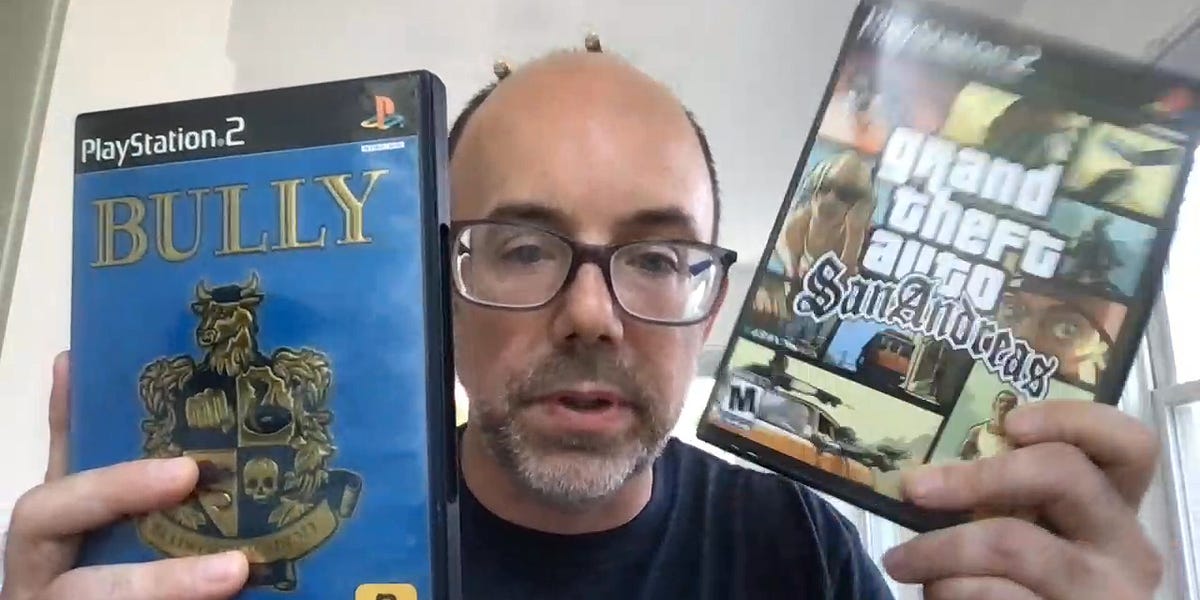
Rockstar hosted intimate, hands-on preview events in unconventional locations.
The studio's historical marketing strategy involved direct media access.
Structural shift
Rockstar now focuses the entire company on a single major project.
The studio has shifted to a consolidated structure. The current development cycle for Grand Theft Auto VI reflects this centralized approach.
Media access
Rockstar now withholds traditional media access and maintains a reserved presence.
The current development cycle reflects a departure from intimate, hands-on media previews. The organization no longer feels compelled to justify its creative direction.
Market position
Rockstar's strategy suggests a position of market dominance.
The company concentrates its collective resources on fewer, larger projects. The quality and scale of the product are intended to speak for themselves.
Technical challenges
GTA IV faced significant technical challenges related to PlayStation 3 architecture.
These challenges contributed to a release delay announced in August 2007. The studio engaged directly with the press to showcase technical innovations.
Information control
Rockstar historically withheld details about soundtracks and core features until weeks before release.
The studio maintained tight control over information. Details were often withheld until just weeks before a title's official release date.
Industry maturation
The shift marks a maturation of Rockstar's influence within the global gaming industry.
The company has moved beyond the need for aggressive, controversy-courting tactics. The former reliance on media scrutiny and public debate is now obsolete.
Strategic contrast
Rockstar's current strategy contrasts sharply with its past controversy-courting tactics.
The studio no longer engages in the public discourse that previously defined its brand identity. The current approach is more guarded and consolidated.
1 / 10
Ask AI about this report