ArticleGame File
15 Discouraging Hours With the New Onimusha, and 10 Brilliant Ones With He Who Watches
4 Sept 20261 pages~16 min full read
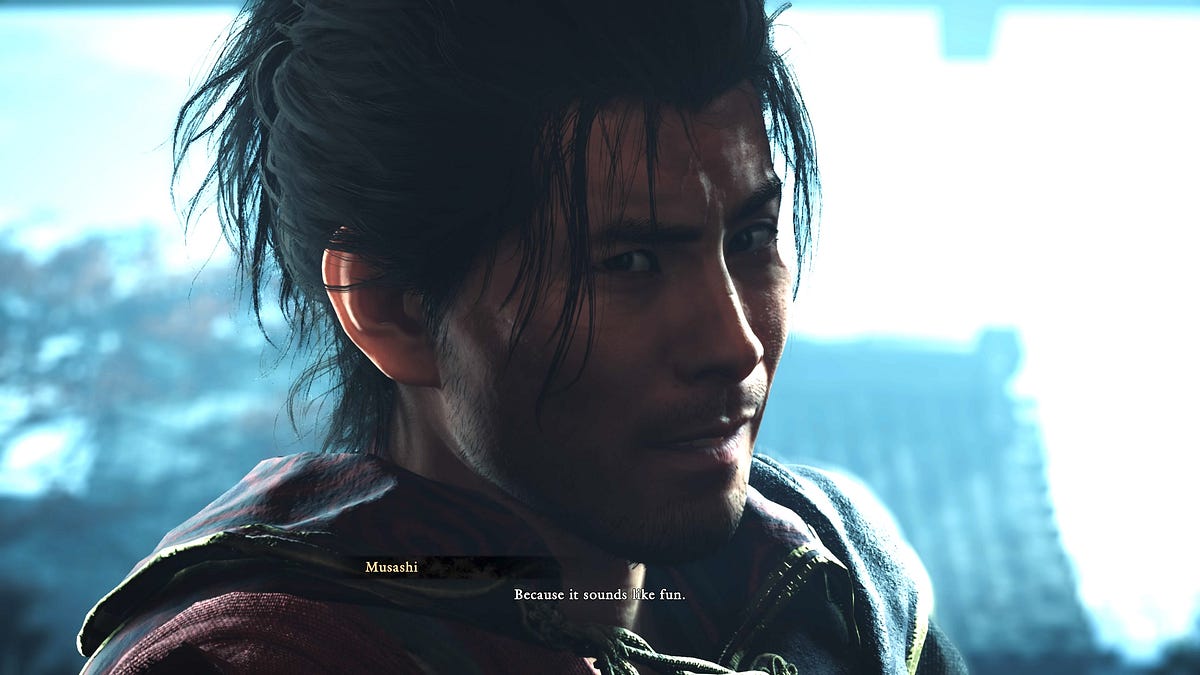
This analysis examines the contrasting experiences of engaging with two distinct video game titles, Onimusha: Way of the Sword and He Who Watches, while providing broader industry updates as of September 2026. The primary thesis posits that game design choices regarding difficulty, progression, and checkpointing significantly impact player retention and satisfaction, even when a title is technically proficient.
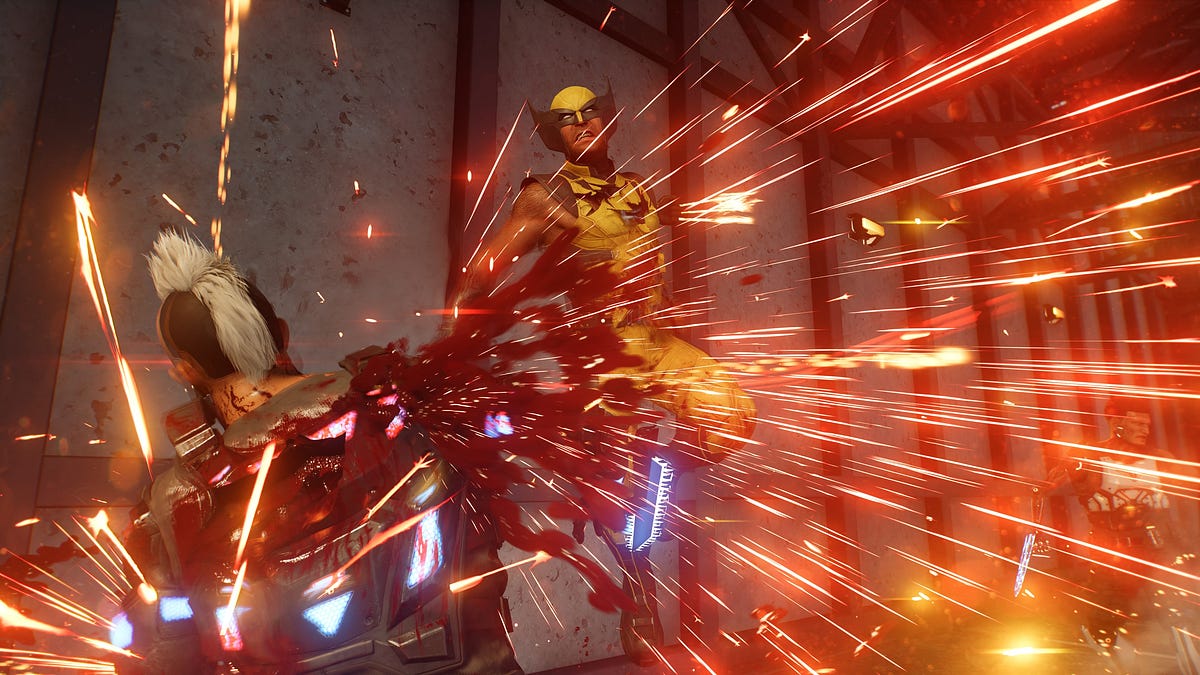
Onimusha: Way of the Sword is characterized as a punishing experience due to a severe difficulty curve, particularly during boss encounters that lack mid-fight checkpoints. Despite an explorable hub world, the game’s upgrade systems are described as inconsequential, failing to provide meaningful character progression to mitigate the challenge. Conversely, He Who Watches is presented as a successful, albeit difficult, first-person puzzle game. Its design relies on layered mechanics and gravity-shifting puzzles that reward patience and logical deduction. The developer’s approach to providing subtle, pedagogical hints rather than direct solutions fosters a sense of accomplishment, contrasting sharply with the frustration induced by the lack of structural support in the former title.
Beyond these specific reviews, the industry landscape reflects significant shifts. Notable leadership changes include the departure of Housemarque co-founder Ilari Kuittinen and Savvy Games Group CEO Brian Ward. Furthermore, Microsoft has implemented new usage caps for cloud gaming, transitioning from an unlimited model to a 15-hour monthly limit for Game Pass Ultimate subscribers. Additionally, Square Enix has confirmed that the final installment of its Final Fantasy VII remake trilogy will require a digital download despite a physical release, highlighting ongoing cost-saving measures in physical media production. These developments underscore a period of transition in both game design philosophy and corporate business strategies across the global gaming sector.
Game File · 2026

Game File · 2026

Game File · 2026
Game File · 2026
Game File · 2026
Game File · 2026

Game File · 2026
Game File · 2026
Game File · 2026
Game File · 2026
Game File · 2026
Game File · 2026
BITKRAFT Ventures · 2026
Ubisoft · 2026

Sensor Tower · 2026

Sensor Tower · 2025

Facebook Gaming · 2025

Newzoo · 2025

Sensor Tower · 2025
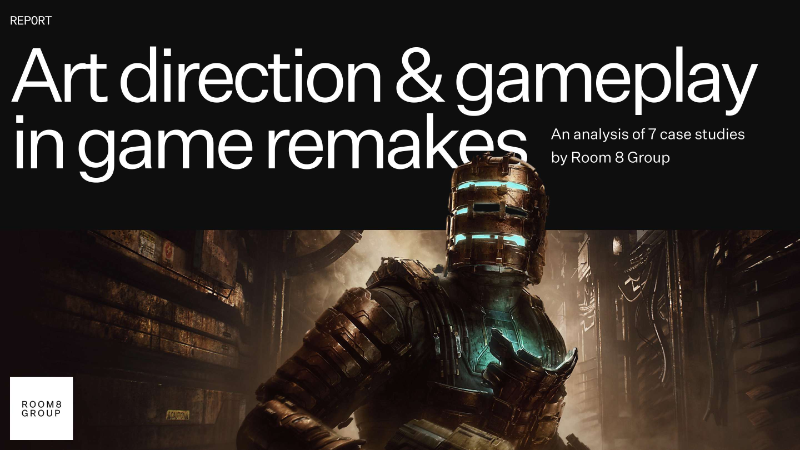
Room 8 Group · 2024
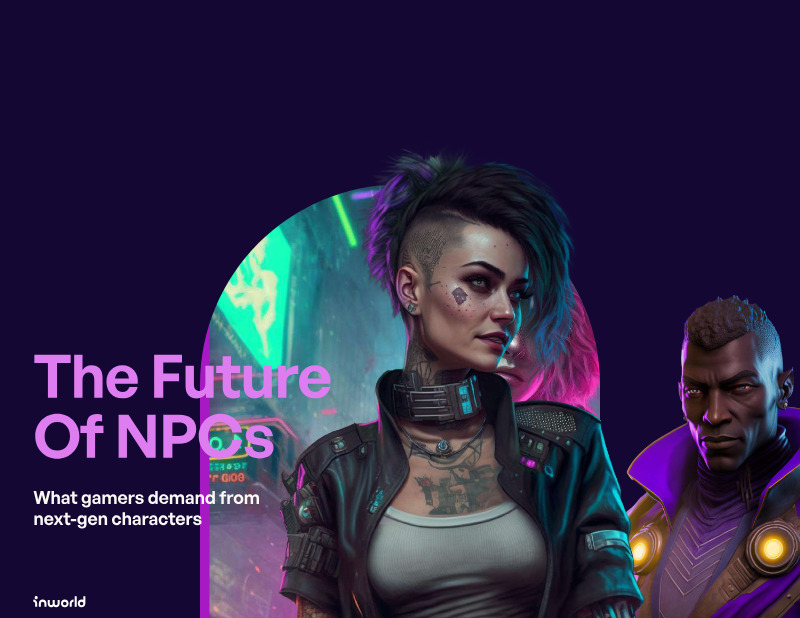
Inworld AI · 2023
Skillprint · 2022

data.ai · 2021

East Side Games