
ArticleGame File
Six Resident Evil Games Sold Over Three Million Copies: Capcom Epiphanies
25 Sept 20261 pages~3 min full read
The primary objective of this analysis is to evaluate the sustained commercial performance of the Resident Evil franchise by examining Capcom’s internal sales data. The central thesis posits that Capcom’s strategic combination of aggressive discounting on legacy titles, consistent marketing, and a robust remake initiative has created a long-tail sales phenomenon, allowing older entries to remain highly profitable years after their initial release.
The data covers the period from July 1, 2025, to June 30, 2026, focusing on global sales performance across the Resident Evil portfolio. A key finding is that six distinct titles—Resident Evil 2 remake, Resident Evil 3 remake, Resident Evil 4 remake, Resident Evil 7 biohazard, Resident Evil Village, and the new Resident Evil Requiem—each achieved over three million units sold within this single 12-month window. Notably, Resident Evil Requiem reached eight million copies within four months of its February 2026 launch, while older titles like the 2023 Resident Evil 4 remake continued to move five million units during the same period.
The methodology relies on an longitudinal analysis of Capcom’s official investor relations sales data, which tracks cumulative unit sales for million-selling titles over the past two decades. By aggregating sales across various ports and remakes, the analysis demonstrates that the franchise maintains a consistent revenue stream regardless of a game's age. This evidence of enduring demand serves as a primary driver for Capcom’s ongoing development strategy, which includes the prioritization of high-profile remakes for classic entries in the series.
Game File · 2026
Game File · 2026

Game File · 2026

Game File · 2026

Game File · 2026

Game File · 2026
Game File · 2026
Game File · 2026

Game File · 2026

Game File · 2026
Game File · 2026
Game File · 2026
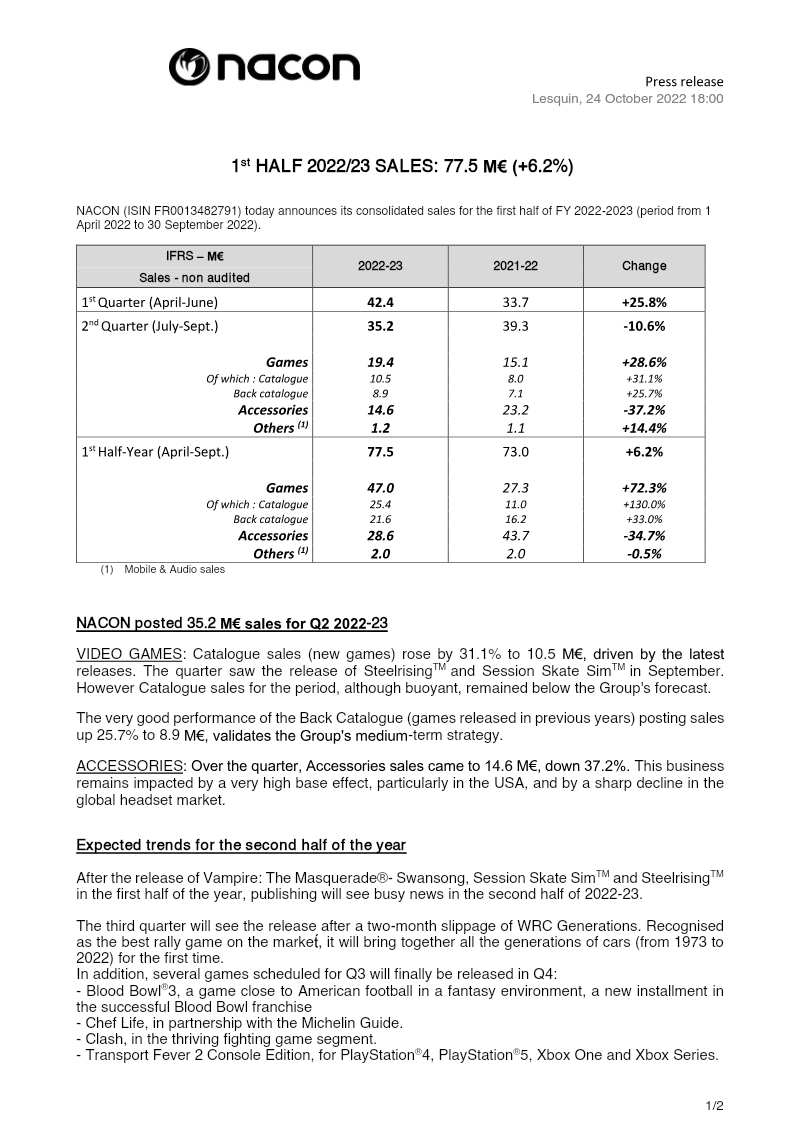
Nacon

Koei Tecmo
11 bit studios
GungHo Online Entertainment
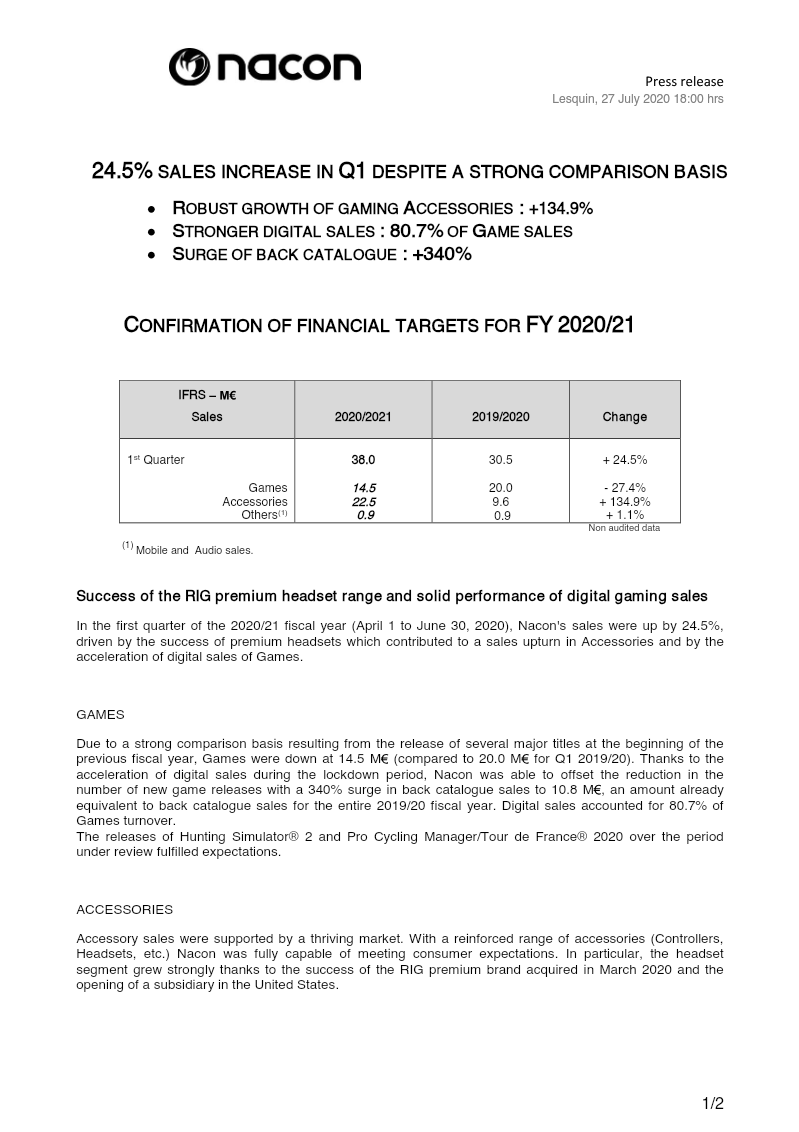
Nacon
11 bit studios

Ubisoft · 2026

Newzoo · 2026
Newzoo · 2026
Aream & Co · 2026
Epyllion · 2026

Aream & Co · 2025