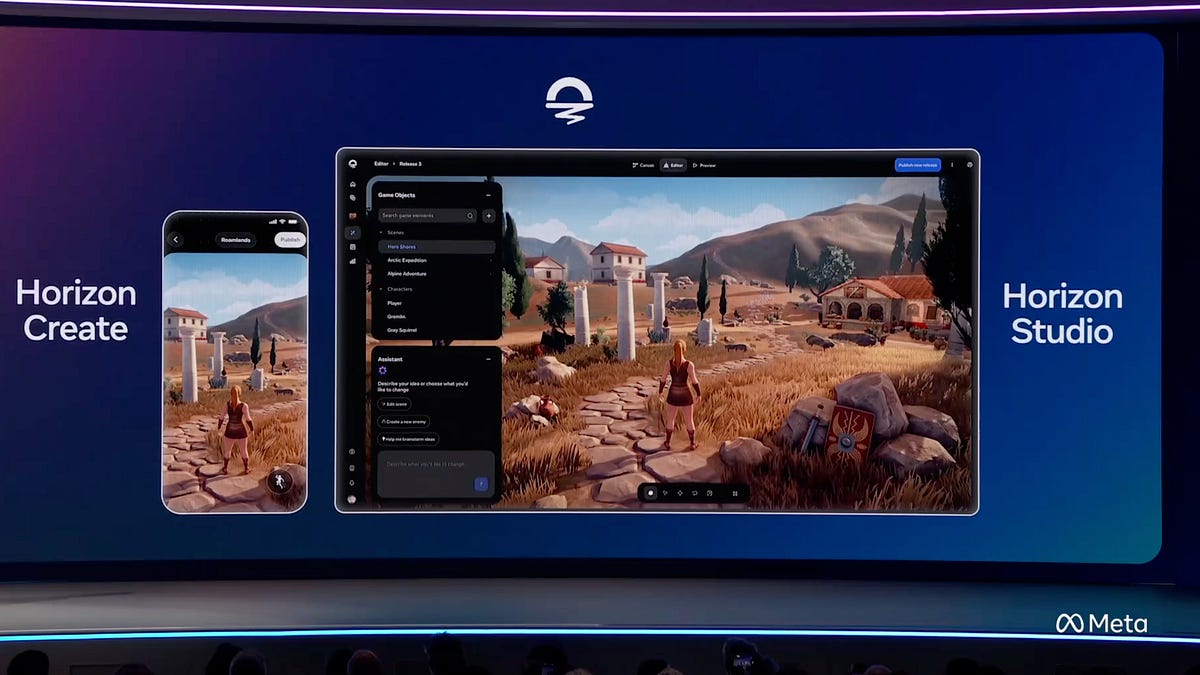
Meta is pivoting its gaming strategy away from virtual reality toward AI-driven development tools, aiming to democratize game creation through its new Horizon Create platform. The company’s thesis posits that users should be able to build playable 2D and 3D games using natural language prompts, eliminating the need for traditional coding or artistic expertise. By leveraging AI agents, Meta intends to allow creators to iterate on game environments, mechanics, and quests in real time, with the ultimate goal of fostering a collaborative, sandbox-style development environment accessible via mobile and web interfaces.
The proposed ecosystem, which includes a web-based version called Horizon Studio, is designed to integrate directly with Meta’s social platforms, such as Instagram and Facebook, allowing games to be surfaced and played without requiring separate app downloads. Meta’s approach emphasizes player retention, with AI agents tasked with analyzing engagement metrics to suggest iterative improvements. This strategy positions Meta as a direct competitor to platforms like Roblox, focusing on a low-barrier, prompt-based workflow that enables users to remix existing games or build new ones from scratch.
While the initiative represents a significant shift in Meta’s long-term gaming roadmap, several industry challenges remain. Key concerns include the potential for AI-generated content to lack originality or infringe on intellectual property, the economic viability of high-cost AI processing, and the environmental impact of large-scale computational demands. Furthermore, the industry is currently debating whether such automated tools will meaningfully enhance game design or merely saturate the market with low-quality content, leaving the long-term impact on professional game development studios uncertain.
Game File · 2026

Game File · 2026

Game File · 2026

Game File · 2026
Game File · 2026

Game File · 2026
Game File · 2026
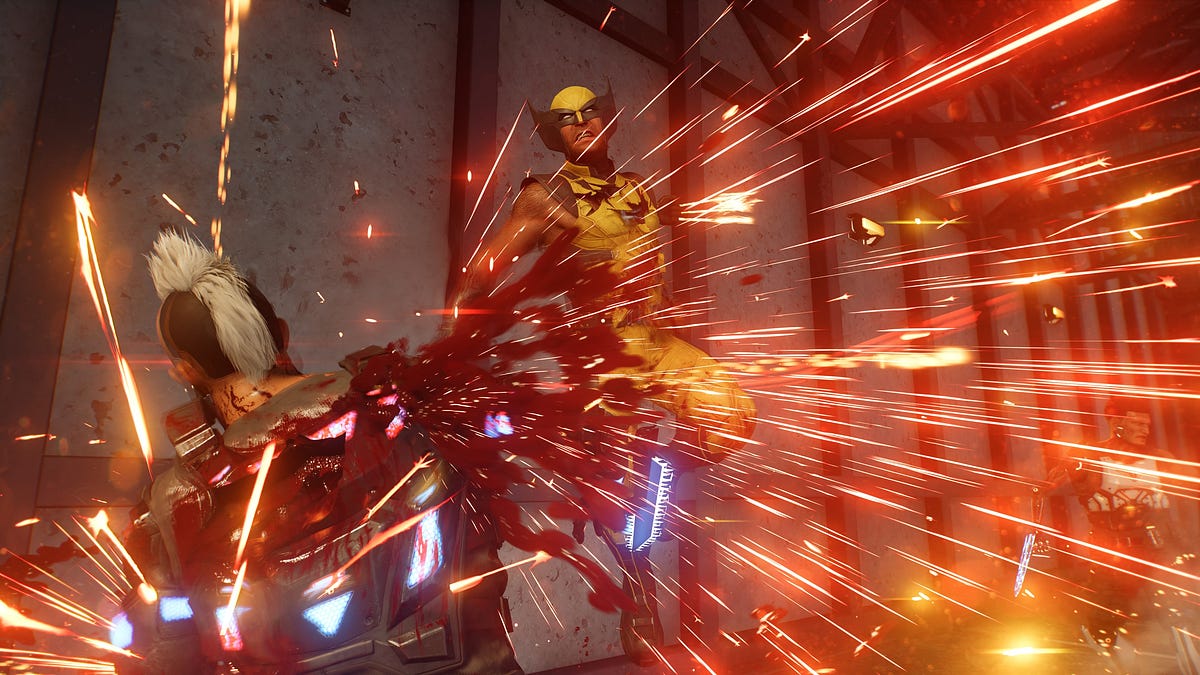
Game File · 2026

Game File · 2026

Game File · 2026

Game File · 2026

Game File · 2026
BITKRAFT Ventures · 2026
Google Cloud · 2025
Game Developers Conference · 2025
modl.ai · 2025
Informa · 2024
Drake Star Partners · 2024

Perforce · 2024
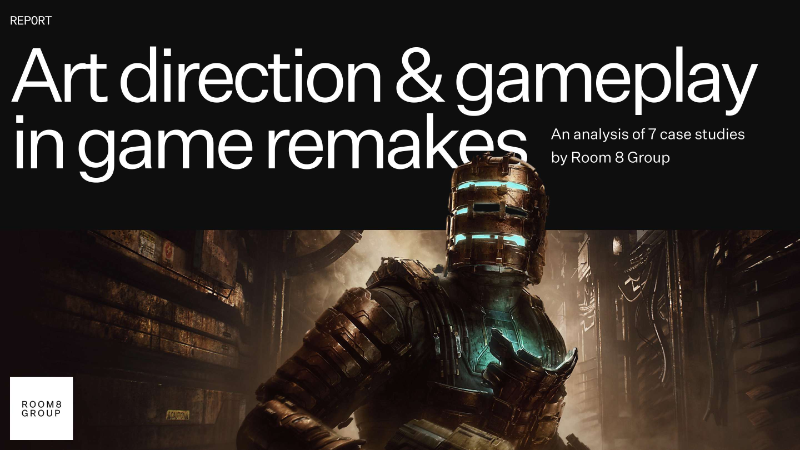
Room 8 Group · 2024
Inworld AI · 2023

University of Bristol

East Side Games
Modern Times Group