1 free read left. Create a free account for unlimited reading + AI research.
Create free accountArticle Journal of Games Criticism
1 free read left. Create a free account for unlimited reading + AI research.
Create free accountArticleJournal of Games Criticism
Distilling the key insights…
Digital gaming heritage preservation currently relies heavily on the labor of small-scale, volunteer-driven initiatives, such as Malta’s Vintage Computer Club and Italy’s Videogame Archive. These organizations serve as critical repositories for hardware and software, utilizing public exhibits to foster educational engagement and document the evolution of computing culture. By prioritizing historical preservation over the commercialized trends of retro-fetishization, these curators ensure that gaming history remains a subject of academic and cultural inquiry rather than merely a consumer product.
Despite their success in community outreach, these initiatives face severe systemic challenges. The rapid obsolescence of physical hardware, combined with the inherent volatility of digital storage, creates a precarious environment for long-term archiving. Because these organizations operate with limited institutional funding and rely on personal resources, they are highly vulnerable to financial instability. This reliance on grassroots efforts highlights a significant gap in the heritage sector, where the absence of stable, state-sponsored support threatens the survival of irreplaceable digital assets.
While hobbyist-led preservation is essential for maintaining the integrity of gaming history, it cannot serve as a permanent substitute for formal institutional involvement. The current landscape suggests that without a shift toward structured academic and governmental support, smaller archives remain at high risk of losing their collections. Establishing a more robust framework for digital preservation is necessary to protect the cultural legacy of gaming from the dual threats of technological decay and economic precarity. Integrating these grassroots efforts into a broader, well-funded heritage strategy is the only viable path to ensuring that digital gaming history remains accessible to future generations.
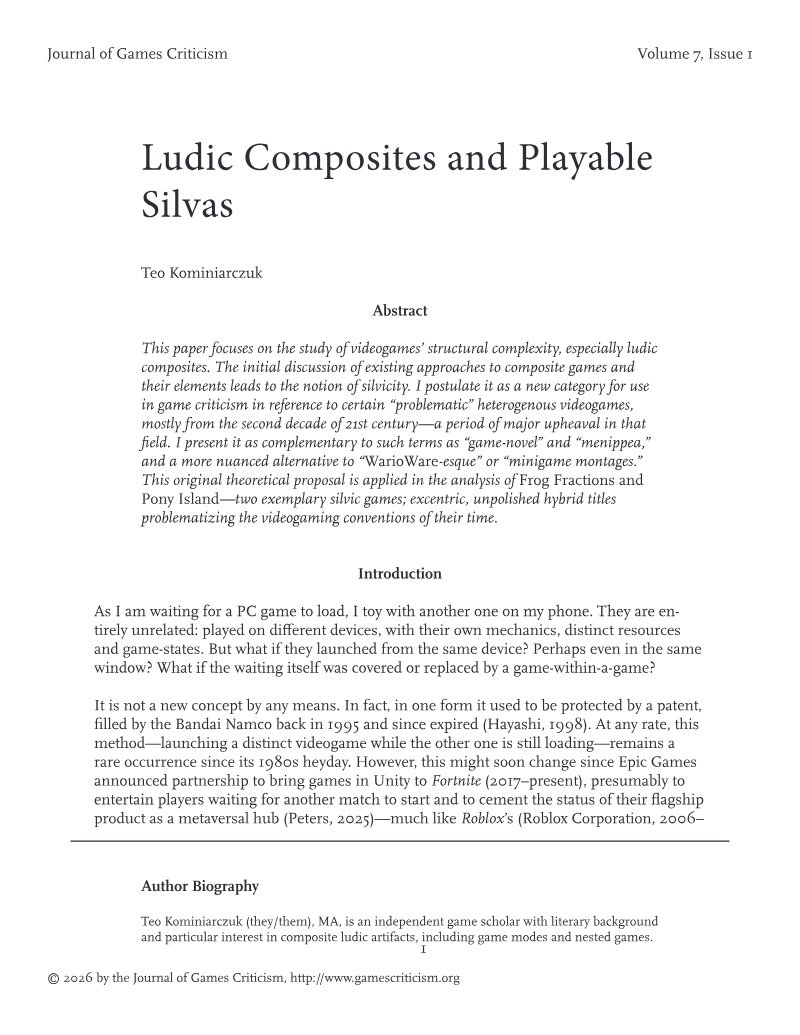
Journal of Games Criticism · 2026
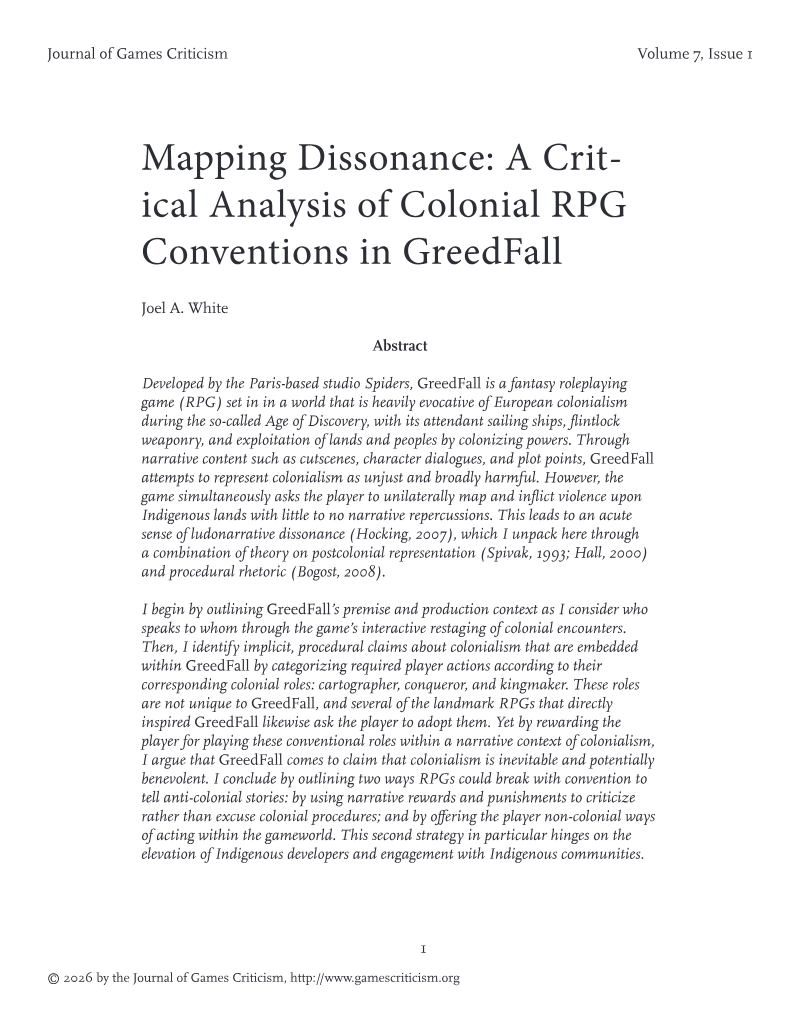
Journal of Games Criticism · 2026
Journal of Games Criticism · 2025
Journal of Games Criticism · 2025
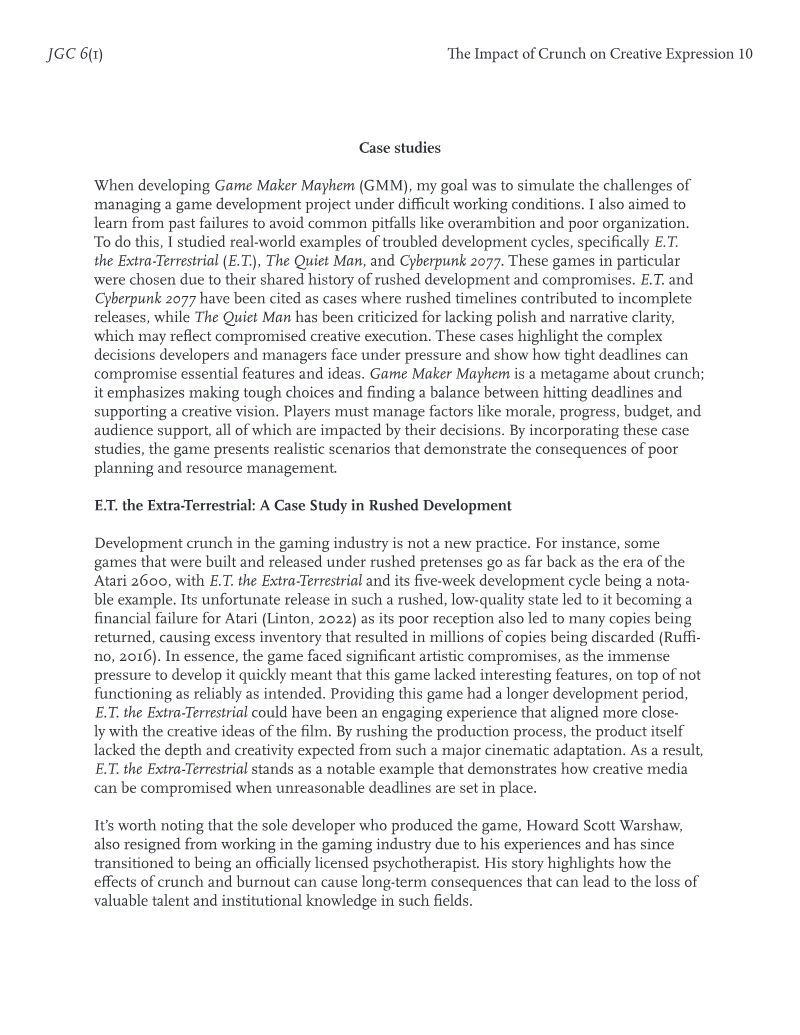
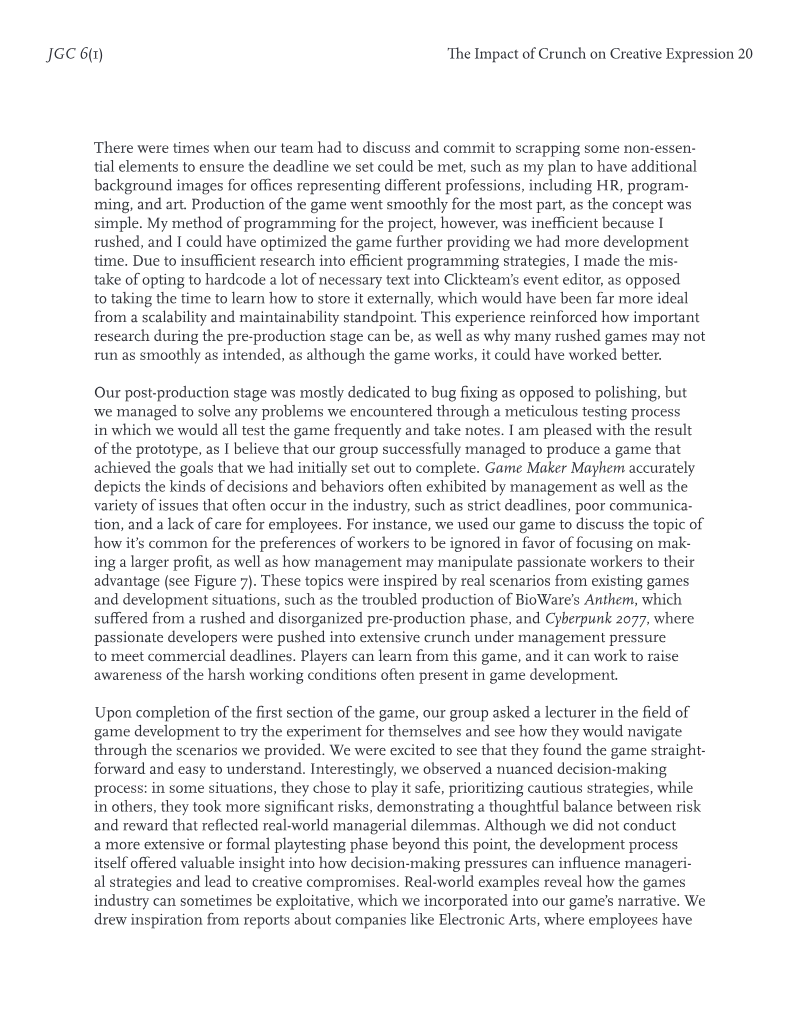
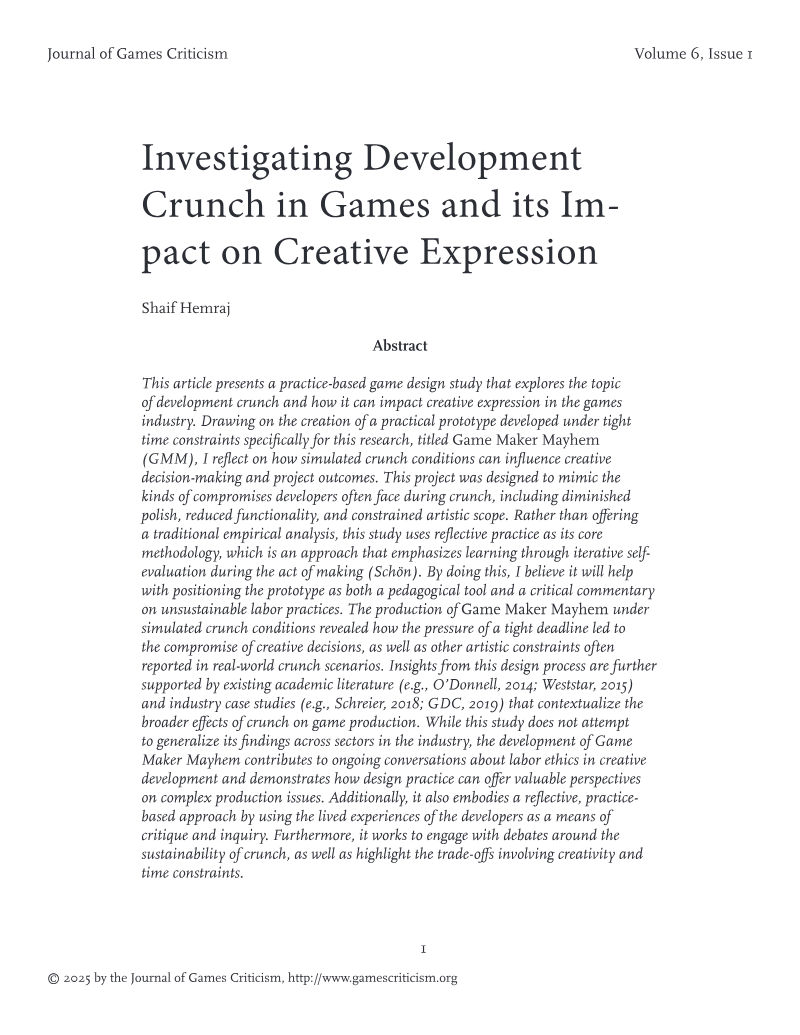
Journal of Games Criticism · 2025
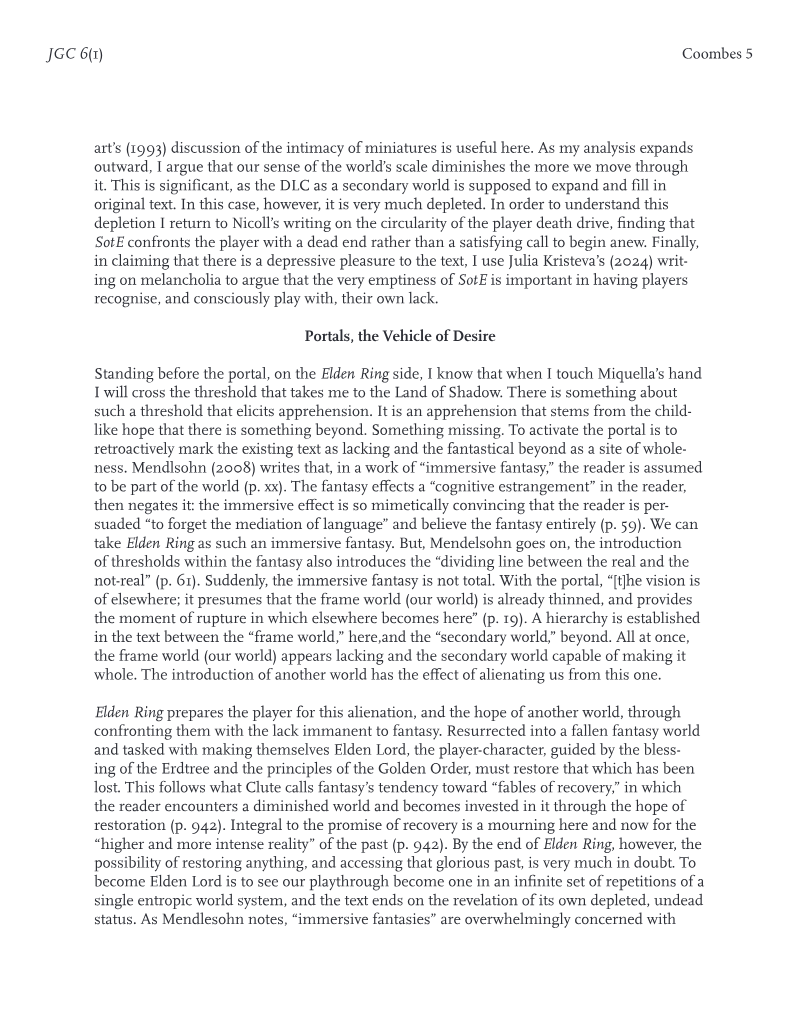
Journal of Games Criticism · 2025
Journal of Games Criticism · 2024
Journal of Games Criticism · 2024
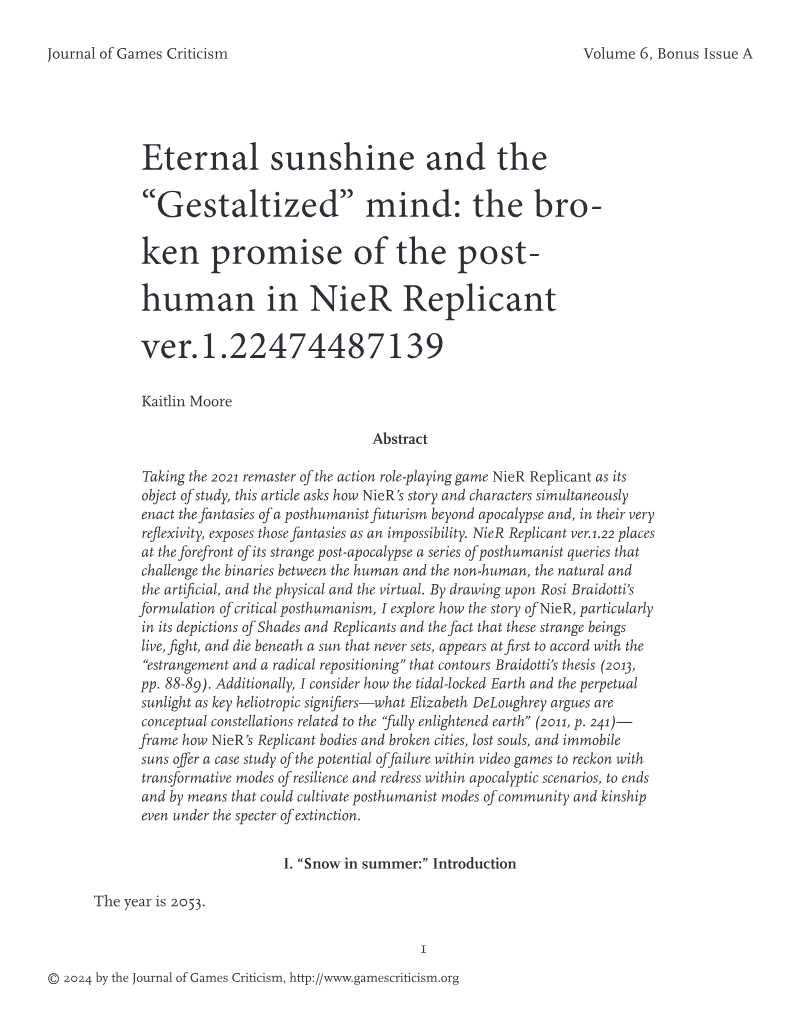
Journal of Games Criticism · 2024
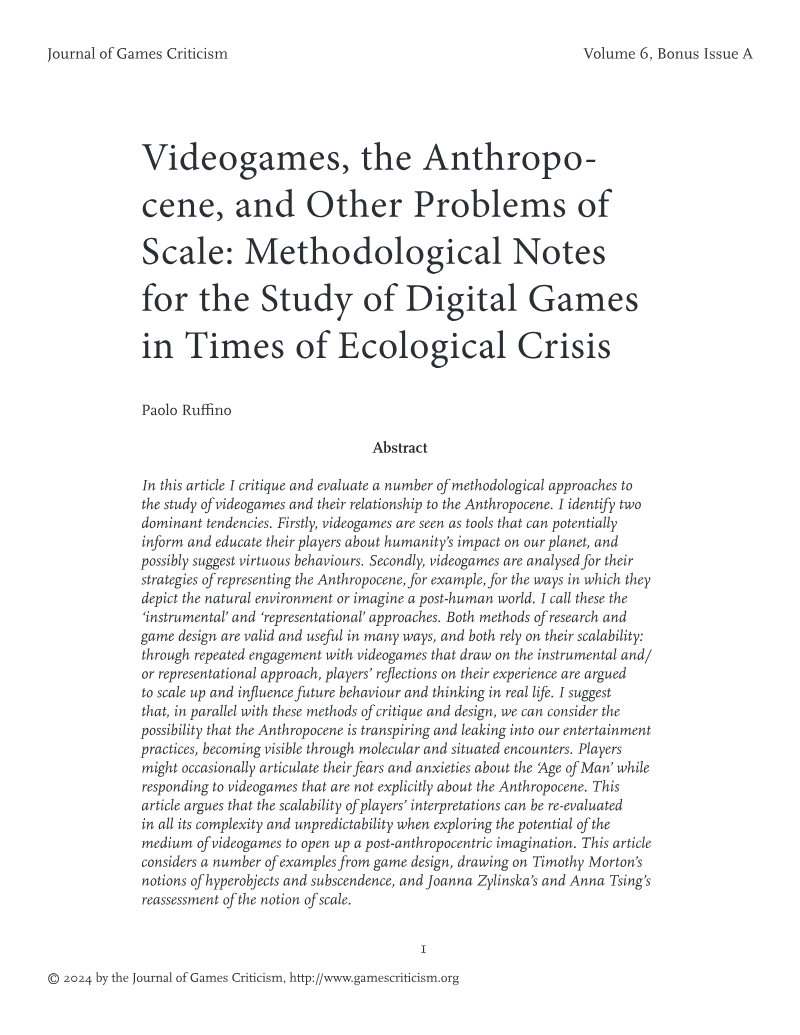
Journal of Games Criticism · 2024
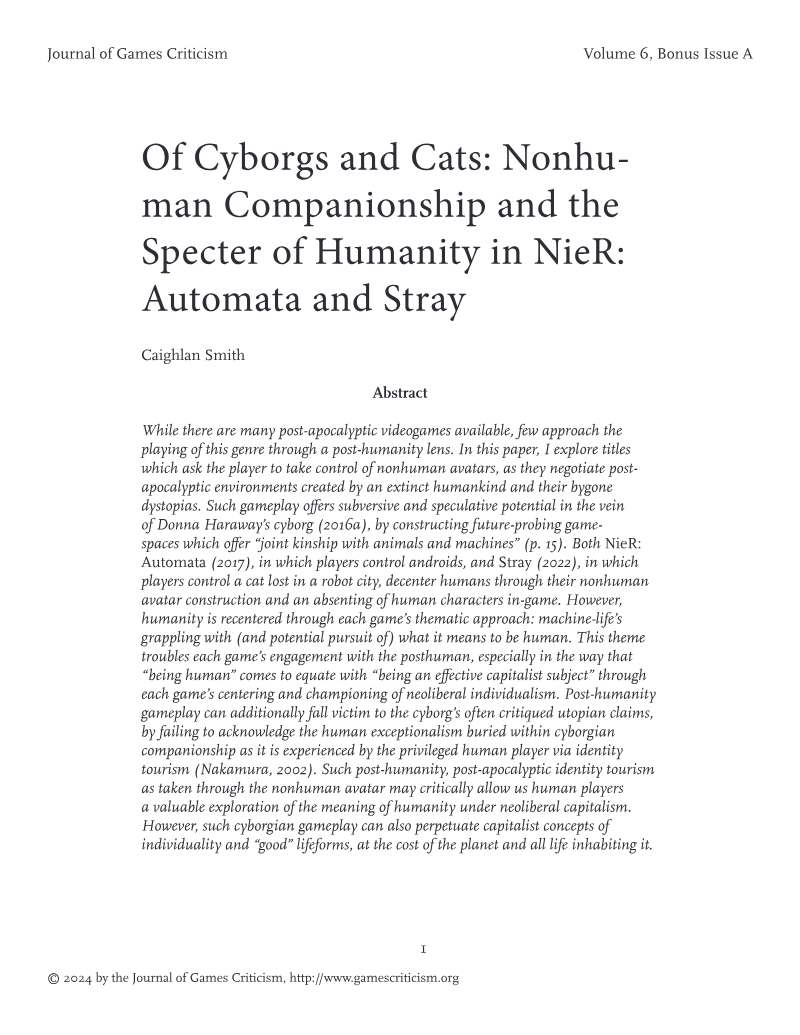
Journal of Games Criticism · 2024
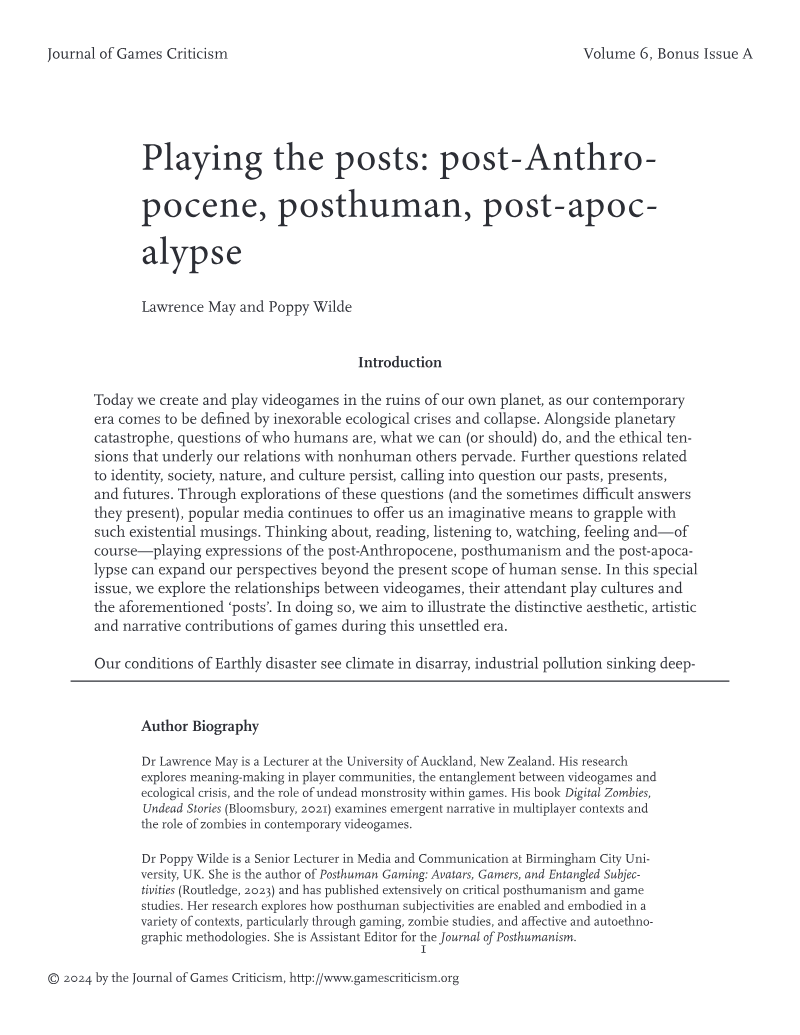
Journal of Games Criticism · 2024
DiGRA · 2026