1 free read left. Create a free account for unlimited reading + AI research.
Create free accountWhitepaper DiGRA
1 free read left. Create a free account for unlimited reading + AI research.
Create free accountWhitepaperDiGRA
Titles such as Minecraft, Fortnite, and World of Warcraft are shaped by updates, expansions, and community activity. Museum preservation must therefore shift from the artifact to its temporality.
This paper examines the challenge museums face as they increasingly collect video games whose identities shift through updates, expansions, and community activity. Titles such as Minecraft, Fortnite, and World of Warcraft resist fixity, functioning as ongoing networked processes rather than finished artifacts. The central argument is that preserving such "living games" requires moving the focus from the artifact to its temporality, and specifically to its entropic dimension: the systemic decay, obsolescence, and infrastructural fragility built into platform-based existence.
The analysis grounds this claim in platform studies and examples of loss. Games depend on server continuity, patch cycles, licensing arrangements, and corporate ecosystems, so earlier versions, features, and worlds are routinely superseded or made inaccessible. Documented cases include Fortnite's deletion of limited-time modes, Destiny 2's vaulting of campaigns, the removal of P.T. from digital storefronts, and the shutdowns of Club Penguin, Paragon, and Marvel Heroes. The paper also highlights affective and cultural dimensions of loss, showing how closures erase social identities and memorial spaces, and how players respond through fan-run servers, machinima, digital mourning, and ritual vigils, practices that often operate in legal grey zones.
In response, the paper proposes a Modular Curatorial Platform built around a versioned game archive, gameplay documentation, developer documentation, community server registries, community memory archives, and curatorial notes addressing loss, legality, and maintenance constraints. The model treats preservation as partial, ongoing, and relational, coordinating museums with developers, fans, and other institutions. Drawing on Stiegler's notion of anti-entropic care, the author argues that stewardship of dynamic processes, rather than static objects, offers a viable path for sustaining living games' cultural heritage.
 FortniteGame · Epic Games · 2020 · 871 documents
 World of WarcraftGame · Blizzard Entertainment · 2004 · 228 documents
 Destiny 2Game · Bungie · 2017 · 106 documents
 P.T.Game · Kojima Productions · 2014 · 5 documents
 Cyberpunk 2077Game · CD Projekt RED · 2020 · 262 documents
 The Elder Scrolls V: SkyrimGame · Bethesda Game Studios · 2011 · 24 documents
 Blizzard EntertainmentCompany · United States · founded 1994 · 75 documents
 Epic GamesCompany · United States · founded 1991 · 813 documents
Each row is a game or company this document names, each column a document, oldest first. A mark means that document names it. Select a row to see those documents.
DiGRA · 2026
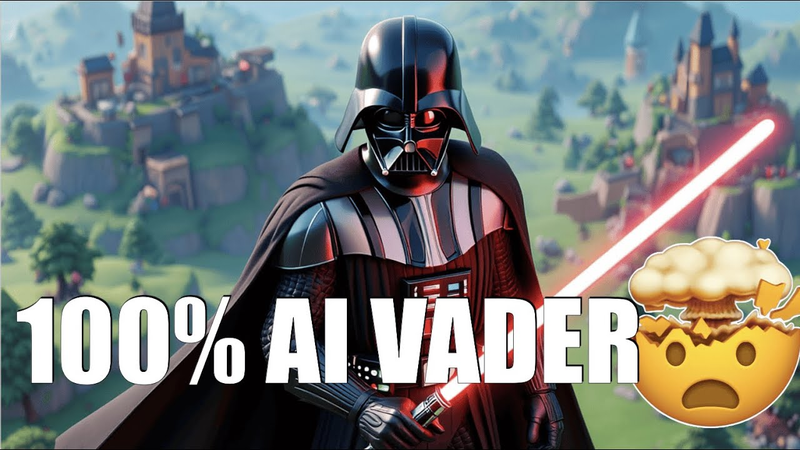
Deconstructor of Fun · 2025