Club Penguin
Game
2 documents in the library are about Club Penguin, from writers such as Naavik and PocketGamer.biz. Each has a summary and key insights with the page they come from.
Connections
The documents about Club Penguin on the inner ring, the other games and companies they name on the outer one. Select a cover to see it up close and open it in a new tab; drag to move, pinch or Ctrl + scroll to zoom.
Documents about Club Penguin
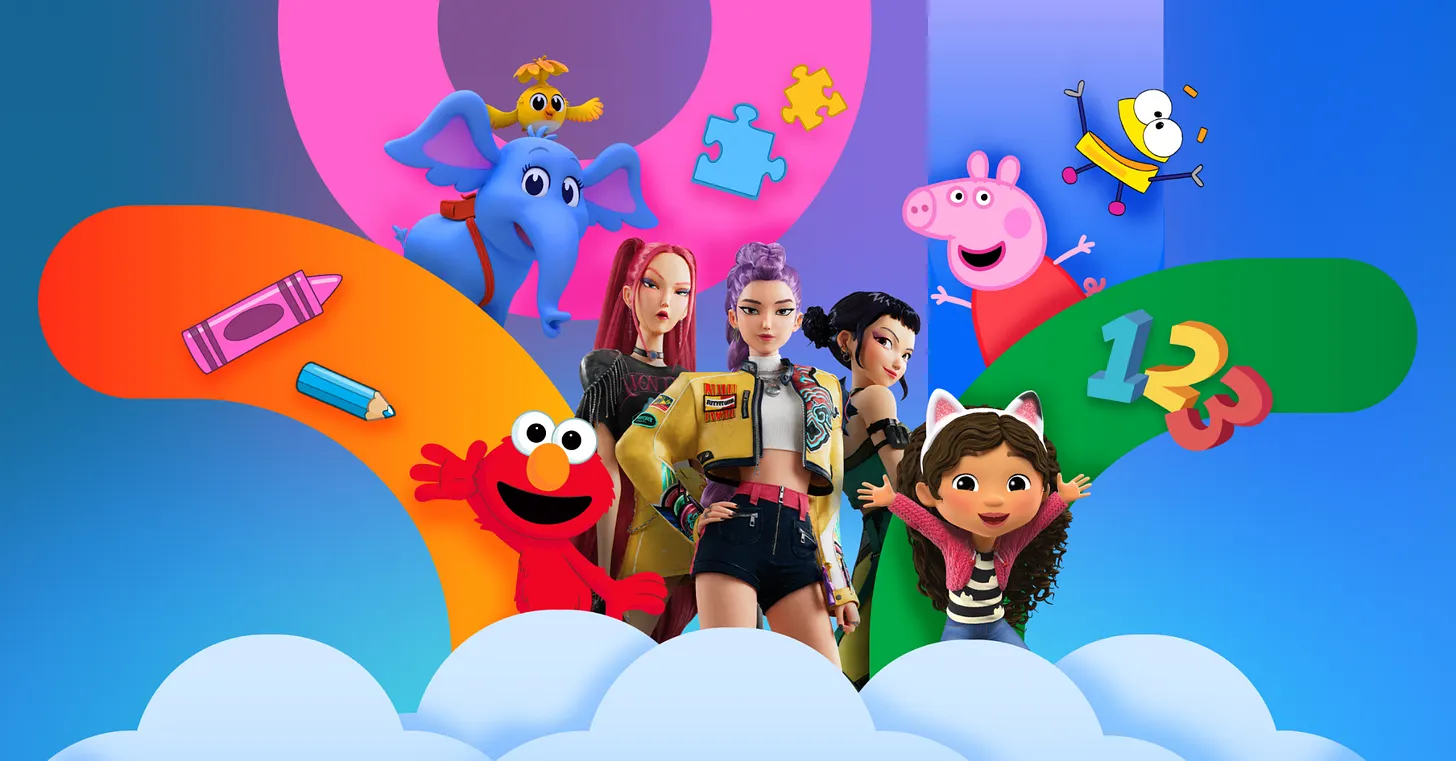
The Future of Kids Gaming
The kids’ gaming sector, defined as content for children ages 4 to 12, is undergoing a strategic shift as industry players move to capture the critical early childhood window before users transition to user-generated content (UGC) platforms like Roblox.
- The kids' gaming market is defined by a parent-controlled purchasing dynamic for children aged two to eight, a critical window before players transition to peer-driven UGC platforms like Roblox.
- Subscription-based aggregation is the dominant business model for kids' content, with platforms like Netflix Playground and Apple Arcade leveraging bundled, ad-free, and safe experiences to drive subscriber retention.
- Traditional publishers have largely retreated from the kids' segment, shifting their focus toward teen and adult audiences, which has created a vacuum filled by specialist studios and big tech firms.
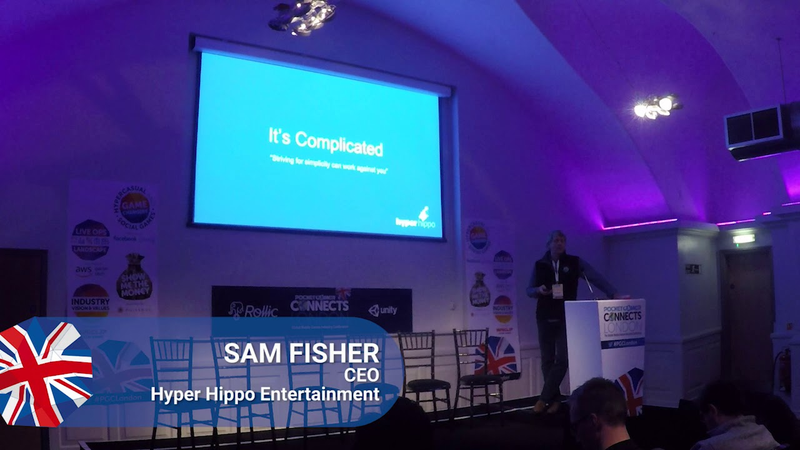
How Hyper Hippo's Live Ops Operations Maintain its Success in Different Cultures and Locales
Hyper Hippo Entertainment emphasizes the necessity of a robust global strategy for mobile game developers, particularly as growth in traditional North American, UK, and Australian markets slows compared to emerging regions.
- Developers must prioritize expansion into emerging markets like India, China, and Latin America, as growth in traditional regions like North America, the UK, and Australia continues to slow.
- India represents a significant growth opportunity for mobile developers, with 20 million new users entering the Google Play ecosystem every month.
- Successful global scaling requires a unified, scalable backend infrastructure that supports diverse front-end experiences while avoiding the operational overhead of reinventing core systems.
Companies behind it
As the documents state it.