VideoGameMakers
HR Reality Check: Hiring, Layoffs, and the Path Forward for Game Devs
18 Aug 2025118 min video
Transcript
So the communication of that's going to be very key. But in a world where there's a stack rank, yeah, those that fall to the bottom are typically the ones that are removed. And um I think that even if they're not there hasn't been communication, this is to the example I brought up earlier. If there hasn't been communication, they're still at the bottom of the list. So it may not be for quote unquote performance. Um but I might that might be the reason why they were let go because they were at the bottom of the stack. Now, how did I end up there? Maybe I didn't work well. maybe I didn't, you know, person didn't like me or I didn't and maybe I was maybe I wasn't doing my job well. Could be any number of reasons. Um or maybe I just didn't do it better than the other person or maybe I'm great but my manager's terrible and they just couldn't they couldn't fight for me in the right way. That that's a factor too. But I think the important piece about all of these things is taking ownership of what you can control and what is what does that look like and being objective about any feedback that you receive and then how regardless of if you're in a layoff situation now what am I going to do going forward? How am I going to take some of the learning that I got in the
scenarios of why I might have been laid off and how am I going to make that different in a new place, a new world, in a new job. Well, Keith, welcome. I'm so glad you're joining me. And not just because we're old high school buddies, but uh but I I've actually been really looking forward to this conversation with you. Uh especially because I feel like we are living in a world today that is very uncertain, right? Where there's so many changes happening. And in gaming, there's like this there's this concept of micro versus macro, right? uh micro meaning like the you know it comes from like RTS games right
micro being like the executional tactical things that you do and macro being more highlevel strategy and I feel like when we're kind of in these times where so much is changing there's so many dynamic things happening with the industry
right
that it's it's actually good to think more to have a greater focus on the
macro instead of just the micro and so I definitely think that HR are and just what's happening in the world today related to people is a very important topic. So, I'm so glad to be talking to you today. I've really been looking forward to it. That's great.
The only the only bummer Keith is is we as I mentioned is that um I only had an hour of sleep, so hopefully I can like be be coherent during our conversation today, but I want to thank you for joining. No problem. And for our audience today, we have with us Keith Caswell, who has been a very senior HR leader over the past 20 plus years. I think you've worked had a long career at Microsoft Electronic Arts, most recently at Hasbro, Wizards of the Coast, and as old high school buddies that used to play Dungeons and Dragons together.
Exactly right. Yes. My uh when I got that job, my 15-year-old self was very excited. like it was pretty good. So
yeah. So anyway, just and just to set the stage for the audience, what I wanted to talk about with our discussion today is a lot about what's happening in terms of employment, gaming industry, layoffs, how do you prepare yourself to find a new job? You know, on the flip side, recruiting in in the current industry, impact of AI, all that kind of stuff. Um, maybe we can even if we have time speculate a little bit on what's going to be happening in the future, but I wanted to just kick things off with you, Keith, by just kind of getting your, you know, I mean, we're hearing a lot about what's happening, especially on the layoff side, but
Right. Right.
What's your current take in terms of jobs in the gaming industry? Where where are we and what's your what's your current take?
Yeah. No, I appreciate that and thanks for having me on, uh, Joseph, it's been great. Uh I'm looking I was really looking forward to this as well. Uh and I think look in the games industry you know it's look it's tough right now. The market is really tough and I think a lot
of us know and there there you know I think there's been some trackers out there that are showing how many people have been laid off but there I think there's been a lot of layoffs over the last two three years and I think as you know studios are making some decisions. So bigger studios are making decisions to to save costs and and game making is very expensive as many of us know and as you know as you're as you're working through some things yourself. Um, and so they're they're making some decisions to to either kill games, reduce the the footprint of they have close studios. Um, independents, a lot of independents have run out of money because their funding has dried up because, you know, game making takes a long time. Um, and it should be a lot of fun, but there's a lot of stress that goes into it and uh and trying to make a game that that that sort of appeals to the masses and provides, you know, the the revenue that the studios need to to be able to stay stay afloat and stay alive until they, you know, until they make their second or third game potentially. So, it's been pretty hard and I think, you know, especially after a few years of Boone where there's been a lot of great opportunities and a lot of game development and a lot of investment, I
think that's changed and I think that's that's come down um over the years. Um, and look, I think, you know, I, you know, I think you're in this and and and if you've been in game game development for a while, there's this sort of cycle that happens, right, where there's there sort of this boon and everything is great and there's a lot of a lot of big companies that are that are acquiring and then they and then a lot of those people that have been in those companies stay there for two or three years and then they leave and then they go spin up new new new game studios. And so we're sort of in this decline period where a lot of the stews have either closed or shuttered or and the only thing we're really seeing are are things that are absolutely guaranteed to be successful at least in the minds of either the game developers themselves um or the larger companies. So I think that's probably what we're seeing in the game game space for sure as things go on.
Right. And Keith, I think like a couple of years ago, people are like, "Well, we're going to bottom next year." And then last year, people are like, "Well, we're going to bottom next year." And this year, it's like, "Uh, we're going to bottom soon." And so, like, what it does feel like maybe this time is a
little bit different from past historical kind of cycles, but what what is your kind of take in terms of, you know, are are we going to V out of this? Are we going to L? Are we gonna like and and what do you have a sense in terms of timing and and what like early indicators might be that we might be recovering?
Yeah, I think um you're seeing some additional like targeted investment I think from VC companies into into games. I think you know there's a lot of games and I you know the conversation about bottoming out. I think a lot of game um game funding was out there for a variety of studios and then it looked like the lights were going to turn off for for many organizations or many studios and then you know somebody came in usually it's VC or somebody else came in and said hey I'm going to continue to fund this because the concept or the idea or or the the um design of the product or the game itself is has beneficial and so I'm going to continue to invest in that because I I I believe in it uh and it's going to go forward. So I think you've
seen some of that. So that's why I think things haven't bottomed out as much. Um in some cases too, some some of those companies did get acquired um
uh because of the concepts and things that they had in place. So I think those those things played into sort of the the sort of the lagging of of you have closures and and sort of the reinvestment. But look, I think the cycle is going to be in the uptick in the in the next year to two years. And and why I say that is in conversations with many people across the games games industry, I think people are looking at that saying, especially the big organizations, right? the big studios, the Sony's and the Xboxes and um and things like that. They're they've done a lot of reductions and they have some games, but that when you look at their portfolio, there isn't a lot there. There's some games that are there, but there isn't a lot coming out over the next few years. And so, they're going to need to fill that pipeline in some way, shape, or form. So, I think that's an opportunity for a lot of games that are out there and game developers that are out there to be able to fill those gaps. and whether that's, you know, basically being acquired or if that's going to be building a game and then and selling it through maybe as a publisher for Sony or or Xbox, that could absolutely be the
case,
right?
Yeah. And I think to your point on funding, one of the things that I've noticed just speaking to some investors and in just kind of talking to to different folks is that it seemed like um there was a lot of funding going into gaming especially postcoid or even during co because
because like everyone started playing games and you saw this huge up upswing and then it seems like a lot of investors will invest based upon a specific thesis, right? So there was like the the COVID entertainment thesis and then it's like oh uh let's invest in these ex riot x blizzard guys who are kind of you know leaving those studios and it's like okay UGC okay um
you know uh different kinds of thesis emerge but now it seems like we're we're out of thesis we're investing into gaming so until like may maybe you know AI gaming maybe in the next boom but then you know there there's probably some issues with that as well that we can go too.
Sure.
But maybe just to like get real practical for some of the folks in the industry because I know a lot of people have been affected and for some of the folks who may be watching now,
right? when you think about, you know, um the the the current state of the industry, um and it, let's say you've been recently laid off, um how do you think, uh these these people, um if you have been recently laid off, how should be they be thinking about finding the next job in the in the current market? Would would you try to like aggressively would you try to wait things out? Would you try to aggressively appro approach companies? How do you think about that? Yeah, it's a great it's a great question and it's tough, right? Because if there's limited roles or limited opportunities out there, how am I going to how how am I going to stand out in that in that scenario? And so I think I think it's probably a couple of things. I think um you need to identify which which games or which companies you really want to work for. And it's
and it's a tough question for a lot of people, right? Like where do you want to where do you want to be? It's almost
like the question like where do you want to be when you grow up or where do you want to be in five years? And a lot of people get that question. They're like I I don't know. I haven't really thought that far out. I'm like thinking like two years out. And for people who are out of a job today, they're looking at when is the last when does my severance end? When does my unemployment end? What does that look like?
Right.
And and that makes it that makes it really difficult. And so I think so there's a couple things. I think you you identify the companies that you're that you're most interested in in working in. And then I think you pursue those aggressively um to say I'm interested in your company. Here's the things that I bring to your company and this is why I think it's it's a benefit for you and it's a benefit and it' be a benefit for me because I would have a job but I can do some great work. At the end of the day, you're trying to market yourself and you're trying to say what what's the value I'm going to bring to the company, right? It's like what what am I going to do? And and you say, well, I'm I'm a software development engineer and and I'm I'm I I'm really good at at rendering. Okay, great.
What's the benefit to them, though? Because there's a lot of people who have that characteristic. And some people are really great and so they can command higher price and and and they're in those those jobs and other ones are not not interested uh or maybe not as
interesting because of their background. So, I think that's that's one factor. I think the other piece and probably the bigger one um and I think this is true in general for for anybody that's looking for a role is it's leveraging the network that you have, right? I think it's it's going in and and and being top of mind for people who you've worked with. Um and I think it's super important for people to to understand that like you have relationships and you built people who in some cases are are they they like the work that you did. They you you collaborated really well. And so those are the people who are going to speak volumes to you in the companies that they work for or the companies um or potentially even be a reference for you for another company um at the end of the day and and that's where most people are going to find their roles both I think in gaming but even in general I think um most opportunities come from that and if you talk to um you know the experts out there who are there you know trying to find that are that are sort of transition support for people who have been laid off that's the number one
thing they're saying too I think they're saying hey leverage your network, go talk to people. And we're seeing people that, you know, that are really um landing jobs because of the network that they have. Um, you know, I think in different worlds, you know, it's not not that not that not not that uncommon to hear,
hey, I worked with this person. I think they're really great. You should take a look at them. And that alone gets a hiring manager or gets somebody in HR or recruiter
to take a second pass at let me look at the resume and look at it specifically and find out why or why not and at the end of the day it doesn't guarantee you anything but it does give you that sort of maybe foot in the door so at least you can have a discussion or a conversation. I think that's the most important thing for people to do that
and and then how do you practically so if you were to give advice to to someone who's been recently laid off and who wants to uh try to leverage their network as you're saying how do you get top of mind for them? Should you be scheduling calls with them? Should you just be like posting like a madman on
LinkedIn and X and things like that or like how do you do that?
Um I yeah I think one of the best options is to it's it's the personal approach. It's the having a reasonable, you know, discussion with folks and letting people know what's going on. So, in some cases, you know, LinkedIn is sort of the Uber resume, but there's a lot of other sources that you can go to, but I would do one-on-one communication to individuals that you have worked with and that you know, and I think the problem in some cases with something like a LinkedIn or even a Facebook or or things like that, it's those have grown from people that you know to people that are just connected in some way, shape or form, right? And I think that can be very difficult. So, you know, I've tried very hard in my career like to say like for my LinkedIn, if you reach out to me about somebody on LinkedIn, I probably have worked with them, know them in some way, shape, or form. Like we've connected, we've we've spoken at least, right? And I got that advice years ago and I thought it was really good. Um, but it's also different. Are you trying to put your name out there and you're trying to market and so yeah, maybe you do have 10, 20, you know, 20,000 people who are connected in some way, shape, or form. That's not a bad thing. It just
means you probably don't know them as well. But I would say having a reach out to people you know specifically. Who do you know? Why do you know them? Where do you know them from? What does that look like at the end of the day? And and so then I can have a conversation and then we can talk about like what's going on and and and a lot of times it's just and here's the thing. I'm not there's a there's a networking piece to get a job, but it's really about the relationship. It really should be because and most of us are bad at it, right? Like we don't we don't stay connected. We we aren't, you know, we're only connected with those people that we have the closest friends with because we have families and we're busy and there's a lot of things going on. But being reconnect with people that you worked with 5, 10, 15 years ago is not a bad thing. It's actually a lot of fun being able to have some conversations and talk about it and then they're top of mind and then it you know and people get pinged all the time for different things and it may not you're not really looking for a job maybe there in the market but you're looking in those conversations to say oh you know what I thought about Keith or I thought about Joseph and we were they're looking for a role. This could be a good opportunity for them. You should reach out and talk to them at least. If not I'm sure they can reference you to somebody else and that's that's the
goal.
Okay. And just drawing from my own experience, I remember years ago I was looking for a job in the games industry,
right?
And I was just having a really really hard time. I was getting nowhere. Like I would I would I would apply to these jobs on a website and I'd get nothing. Like I would not get any response at all.
Yep.
And and then just by chance I met this um this recruiter. His name was actually Brent Hail. And um after I worked with him like after two weeks I got three job offers.
Wow.
And and so what is what is the role like how do you view the role of recruiters and maybe in this market and then how would people even like I I just got lucky. I I I think I think if if Brent had not helped me I I would have been hosed and I'm forever thankful to him. I mean, but like h like if you are looking for a job right now and also looking at
recruiters, how do you get on their radar? What what are what are your thoughts just more generally on recruiting or recruiters?
Recruiters themselves. Yeah. So, look, I think there's there's two different things out there. I think there's the um AI first recruiting organizations, right? So, so it could be large companies, it could be separate companies who are doing recruiting um and using an AI or automated system in some way, shape or form to screen resumeums and to find to find candidates um at quality. Right.
Yeah.
So, I look that that there there's some efficiencies in doing that for sure and and I'm not and I'm not going to probably say negative things about it. I think but the personal touch of a recruiter who knows the individuals who knows what the job is who spoken to the manager who understands those components and probably more importantly can look at a resume and go you know they don't have the core background like I'm going to move into gaming but I've never done gaming before but you're like but you've done all of these other things you've done monetization in this place and you've done some other areas here um and so you you have some of the skills and capabilities that aren't on paper like
naturally a good fit but I want to talk to this individual because they could sort of an outside the box thought to bring somebody in and and they can learn. And so it comes down to what can I learn in the job and what can't I? And so um but in the recruiting to to your question specifically, I would say that you want to you want to be able to um identify who are the recruiters at a particular company. And it doesn't hurt to reach out to those individuals to say like, "Hey, I know you're recruited at this particular company." And a lot of times you can do that on LinkedIn. You can find out either who they are or through your network. They're like a second connection in some way, shape, or form um to to build that relationship. Can you give me an introduction? And it goes back to your network. Hey, can you give me an introduction to this individual so I can so it's not a cold call. It's a it's kind of a warm handoff in some ways, but it's a an opportunity for you to to understand who they're get in front of the recruiter and be be there. And if nothing else, you sent them a note to say, "Hey, I'm interested in the role. Here's why I'm excited about the opportunity." And it's slightly different than a cover letter, too. I think a lot of companies don't use cover letters anymore, and they
don't have them available. But it's really telling them why I think I'm why I'm interested, why I'm excited about the opportunity of your company, even if there isn't anything there right now. I I want you to consider me for something in the future if it becomes available. Recruiters remember those things and I think that's going to be important. So reaching out to individuals, leveraging your network to do that. Um leveraging your own network. Maybe you know pe maybe you know recruiters in other parts of the business. Reaching out to them and saying hey would you mind looking at my resume for a second? Like even if I'm not you're not hiring me. Like could you just give me some advice? Like what are you seeing? What are you looking for? I think those are really cool. Um, the last thing I would say is I saw somebody somebody had posted something that was sort of I think that was out there that was like, hey, don't don't uh, you know, don't make your resume map to algorithm or don't look at LinkedIn for the algorithms, you know, that are going to that, you know, so whe whether AI will pick it up or or that it'll map and I I don't know that I don't think that's true anymore. I think that might have been true.
Um, now, but their point the point the core point though was leverage your network. It's better. Um and and so
don't trust your don't trust an algorithm to find you on LinkedIn, which is also true. Like a lot of times it's very rare that they find you there. A head hunter might find you because they're looking very specifically. A recruiter might find you, but if you think about software development, there's there's there's hundreds of thousands of software developers in the United States today. Uh and many more internationally. So how do how do I find the best person? It's very it's much harder for a recruiter to kind of co those through. And so that's why that's why they that they're trying to leverage AI to help. How do I streamline that process for for myself?
Okay. And I I think we had a conversation before a little bit about uh kind of like the next generation, right? Like the younger kids and I I know you've got kids who who are growing up and I I know a number of folks who have kids that recently graduated from college. And one of the things that I think we've both been hearing is that this next generation of graduating, you know, uh, of graduates from college or
or high school are having a really really tough time finding jobs in in the market today, not just in gaming, but it seems across many different industries. And so I I'll also ask you on the other end as well in terms of demographic, but starting with like the younger folks who might just be graduating,
finding themselves in an incredibly tough market. Do would you have any specific advice for some of these younger folks without experience trying to land that first job in gaming? How should they be thinking about it? How can they make themselves stand out when you don't have that much experience? Yeah, that's a that's a great that's a great question and and it is very hard and I agree like the feedback that we're that we're seeing in the market or at least I've seen is is very similar to your own which is um people aren't able to find jobs and it's what's even I think I would even argue is a is a crazier number is sort of people that are doing software development also can't find jobs
and you're like wasn't it that wasn't it
a couple years ago that that's like you should absolutely go in that field because there's going to be hundreds of thousands millions of jobs everything's going to be available And I think people that are graduating today are finding that that may not be the case for for those those certain disciplines.
Um, okay. So that said, so look, I think in college at least if you're going to college, you're getting a degree, you're going through that process. I think it comes down the early stages are get do internships and get connected to people in the industry in some way, shape or form. Reference my previous points, your network matters a lot and as a new as a new grad or somebody that's new, you don't have a very significant network. And so I think that's the the point is hey through through internships a lot of times if you're if you go and you're there and you make yourself valuable to the organization they want to offer you a job and that is their first opportunity to do that. Um and first opportunity for them to see your work. They get a chance to try a little bit before they buy quote unquote. And I think this is an opportunity for them to to step in. So if you're in college do the internship program as many years as you possibly can, right? So if it's your
sophomore, junior year, great. like do do it do it a couple times and then hopefully from those you can you can you can oper you can show your value and then get an offer from those companies um and that gives you the good good starting point and to give you some experience if you so if you graduate and you don't have a job and you don't have some of those experiences I still think it's some of the networks and it's interesting different people that I've spoken to I think that they're they're like well I don't I don't want to get help from anybody right I'm going to do it myself I'm going to go out and I'm gonna find the job. And to your point earlier about are you applying for jobs and just didn't get them or maybe even didn't get a call. That's what that's what recruiters and and AI are looking at. They're looking at their resume and go, well, you have zero experience in the space. Sure, you have a degree, but
so what I I have hundreds of people who have three to five years of experience, maybe more. Um, and I think you know I see that in some cases graphic design and I'm like yeah if you want to do physical design of packaging and what
that looks like that job those jobs are they're reducing been reducing over time but there's a lot of people on the market today who have 10 plus years of experience doing that. So if you're new your chances of getting those jobs are very very slim. So I think it comes down to leveraging leveraging the networks that other people have. So here's like you're young you're just graduated college. Yeah. Leverage your family's network. Like that's okay. like leverage your dad, leverage your mom, leverage your parents at the end of the day because or grandparents or friends of the family. Like there's always there's oftentimes there's that extended family that aren't really family, but they can they're they're connected in some way, shape, or form. Reach out to them, leverage their network to try to to to try to get your foot in the door again to have a conversation because look, a lot of a lot of people coming out of college are very scrappy, are very good, and are very smart. And some you can't teach some of those things. You can't teach scrappiness. You can't teach other things. I can teach you about the core functions of a job and and how to do it, but I can't teach some of those underlying those underlying skills. So, those are things a lot of times people are looking for and they in some cases
they don't even know it until they see it and they're like actually you're the type of person I want. So, how do I make it work where this is the right fit for you and it's the right fit for us and then you know I can grow you in that space. So, your goal is to get a foot in the door. So my recommendation is to leverage the networks is to go through you know do the internships if you can leverage your leverage the networks external networks as best as you can even those that you don't have personally and I think the last thing is you know what is your personal brand what is the value you would bring to an organization um and it isn't isn't going to an organization and telling them like here's all the reasons that you have all these problems and I can help I can fix those it's here's all the things that I bring to the table here's the skills and capabilities either I learned in school or I learned through my own processes internships coding or whatever it might have been and here's the problems that I solved. Are those things that would be beneficial for you in the organization and that's the conversations you either have in a cover letter to or directly with communications to the hiring managers or direct communications with the recruiter. So I think you can you can reach out in those ways for sure to
find out like what's the value ad and what does it look like. Um and if you if you want to shortcut a bit you can go to find out like do my skills match to the company that I'm looking at. You can go ask different AI different AI uh AIs out there to find out what are the things that those companies are really need and they're looking for and see whether or not your skill set and background actually maps to those things that they're actually looking for. Like whether what are their future plans and if if you don't map then I wouldn't spend a lot of time there trying to force fit it in. I would go someplace else that actually has a better match for the skills and capabilities that you have where the company is going.
Yeah. On your last point, I I would say like for me personally and some advice I actually give some younger folks is basically I recommend and I I don't know if it's just me, but maybe you you you can you can um you can speak to this of whether it's a more general thing, but I often recommend for younger folks to try to build, you know, essentially a a digital footprint, a portfolio, right?
Uh create a website with, you know, uh
with blog posts, videos, whatever. I I remember we had a game design role um in the past and uh the difference and the reason why we chose one person over some others is because this one person had this really great YouTube video
where he was playing this game and he was breaking it down extremely well. So, yeah. So maybe that's something else that some of the younger folks can um can think about because at least I know for me when I'm going through all these resumes and I'm evaluating people and we can talk about this, but even when you're interviewing, it's so hard now with AI to tell the difference between whether one person's good or not, but if you go to their blog, if you go to like a personal projects um website and see some of the things that they've been working on, to to me that's like because ultimately you're you're you're always trying to mitigate risk, right? And um in interviews now, you know, especially,
you know, not only written interviews, which can be answered by a lot of AI, but also even in live interviews, if someone's using Cluey, right? And I I I've had this happen on on a few interviews now, live interviews, right?
But uh yeah, it's it's it's pretty crazy. Um yeah, so sounds like that would be something else that the younger folks could consider. Yeah, I think um and you it's funny. It's a it's it it's it's it's a little bit of an old school tactic from the from from folks that are involved in art. And so anybody who's watching this who's like oh yeah I' I've done a lot. Yeah. It's like it's right like yeah I've got Art Station. I've got my portfolio, right? And I'm going to show you those things. And so designers do it too. They say here's some of the portfolio pieces that I have. Um and so I think what yeah I think what you're talking about makes a lot of sense. It's it's the idea of here's the other things that I of who I am. If you want to know who I am and how I operate, what I focus on and how I think, which is probably the most important thing, then hey, let's look at let's take a look at anything that's external, what does it look like? And it could be what are you
posting on LinkedIn? It it could be other social media things. It could be things that you're posting on on Instagram. It could be things you're posting on Facebook. And yes, companies do look at those things, right? They will look at those backgrounds to see like what what are people posting and who am I hiring because I want to know who they are and and and and the reality of of what they focus on and what I'm getting when I when I bring them on board. So yeah, I think that's a great idea to be able to have some form of external thing and a lot of um applications when you go online and and apply for companies. There's usually a spot many of the companies um and maybe more progressive that are thinking about it, they have a spot so you can plug in your own website, your own website or link or connection to something that you want them to review as part of your resume or part of your application process.
Right. And so now moving to the opposite end of the spectrum and I know Keith you and I are getting older
a little bit in
we still feel young. We still feel young.
Yeah. Uh but in recent like I've seen a couple of LinkedIn posts as well as in some Slack messages and just talking to people um you know in in person. Uh just
very recently in the last I would say probably three weeks I it seems like I've heard some complaints about agism. Right. So, if if you're like us, you're getting older in your career. Um, how real do you think is agism? And if you are an older person like you and I and maybe you you've been recently laid off and you're applying, how do you how do you market yourself in a way?
So, so maybe first you could talk about, you know, what is your take on agism? Do you think it's real or not? are some of these people who are complaining is is that not in your opinion real not real and then and then how do you combat that if it is a thing?
Yeah. Um yeah, it's interesting. I think it's it I think it'd be ignorant to say there is zero agism at all because people have biases one way or the other in a variety of places. I think the question is how pervasive is it? Um,
and I and probably I've heard about it more in the last couple of years than I have ever heard it in my career. And I and I and I've had and I've connected with a lot of folks who have different different ages who are, you know, in their 50s or their 60s or even 70s and they're having some of these discussions um related to it. And I think that and um you know I think we spoke before but one of the I'd seen I I read an article and one and there the the tagline of the article was um is 50 the new 65.
So you're 50 yeah you should probably just retire because you're not going to get a job. That was the that was the sense of the word and I'm like man that's just that's rough. That's pretty brutal.
Um and I don't I don't believe that's true. Um I do I so but here's the thing that you also see. So a lot of it's not just it's not just the age. I think it's also the level in an organization that somebody is. So the older you are, typically by default, you're typically going to be elevated in in more senior roles and the easiest way to cut costs in companies is to reduce those senior
roles,
right?
So you see that a lot. So a lot of people who are impacted, I think the one factor is to look at it and say, well, I'm over well, I mean the protected class status is 40, so there there's a difference, but let's say I'm 50 and all of a sudden I was in these roles and I was in these things. now all of a sudden like am was I in a senior role and that was impacted because of cost. It's hard to hard to argue that scenario because now you're commanding a different salary. If you're if you're in different levels in the organization and that's not a bad place to be because there's a lot of people who just love to do what they do and they want that they they're not looking for management. They're not looking for growth uh in that space. they're looking for they're I want to be great at what I do um in an organization and and so so if you're a lower level person then then you start looking at it and go wait a minute I'm not I don't know that I'm top of the the curve compensation wise and then you're laying me off but you're keeping all these other people who are in their 20s and 30s who have way less experience than I do. I think you have to, you know, I think it's a it is a factor where people look at it and then they immediately go to, you know, this seems like agism and
part of that comes from, I think, managers not actually having good conversations about what's working and what's not working, I think. And so if you don't if I'm and I I think about this in in some recent layoffs at large tech companies that have happened. Um and you know you talk to folks and they're like I've been great like I've been sort of above the line every year for last 10 years. It's never been an issue and then they laid me off for performance and they're like that's so weird because they never talked about performance ever until they laid me off.
Right. And you're like okay so why is that? Is it performance issue? uh and they just they were just a bad manager and they didn't tell them or was there some other factor involved and related to it and that's it's tough like so do I think agents out there I think it is in some cases um you know I I think businesses have to be very careful not only from an agism standpoint but what they're looking at doing so we talked about the front end hey it's super hard for entrylevel people to get roles
because they don't have experiences and there's a lot of things there
and maybe they're making some decisions whatever the And for businesses are getting rid of rid of roles that are that are people that are a little bit older. So now you have a gap of you lose all the experience on one end and then you also then lose all the entry level sort of bell curve talent that you want to bring through your pipeline. So now you're stuck with a group of people in the middle who can do the job fine for now. But what does that mean in the future? And if you're if you're eliminating sort of entry-level functions or jobs because of AI, you lose the skill set. Eventually, that middle management won't know what good looks like because they didn't do it themselves, right? They didn't they didn't go through the trenches. They didn't figure out how to do the entry- level work. At the same token, you also maybe don't have some of the most senior people who've seen it change and transform over the last 10, 15, 20 years, 30 years. And maybe not at just your company. Maybe they've been in multiple places. So for me I think it comes down to how do I how do I either as any employee add value to a particular company and at what point
does my value my value change right you know coming into a company your first two three four years there's a lot of impact because you're bringing a lot of good learning from other places and how do you do that and the question is if you want to stay at that company what are the things that you're going to continue to to to improve the company on and how are you continuing to educate yourself a lot of the folks are like oh no or a lot of folks in the in the marketplace today are like I I just I move jobs every few years and part of that is because that's who I am. I just I want to jump and I can add value. Um I think there's another piece which is I actually learn a variety of things in different areas and so you do see that in a lot of places where there are people in companies who've been at the company 15 20 years and they haven't actually educated themselves about what the current market looks like and so that makes them less valuable than somebody that's just off the street. So there's a couple different components, but I think there is some risk early stage elimination of roles potentially in late stage elimination later stage or elimination roles. You're you're lo there's a there's a knowledge gap that you're that you're that you're losing. You're not training your your low-level
folks. You have to be careful of and then you're losing some of the the learning of of multiple years, you know, 20 plus years experience in most of the cases in the same industry. Sometimes not, but many cases it is.
Okay. And so maybe just to close the loop on for for folks who may have been recently laid off and you know you had mentioned some very specific tips in terms of networking, maybe building a portfolio of some kind, but if you were to try to characterize a post layoff rebuild playbook, networking, maybe trying to work on some projects, what what what would that look like? Would it just be those two things? Is there anything else you would add there? So I think yeah so and I think it's interesting as you think about a playbook and if you if you if you look at some of the transition companies out there and what they sort of help people do there's people who like and there's other people out there that are like hey let me help you write your resume let me let me let me help you update your LinkedIn profile as sort of what I said before there's a
lot of people we're just bad at keeping up to speed on with people sometimes we're bad at keeping up keeping our LinkedIn accurate and up to up to snuff and so I if I The basic tool set in my mind is is fairly straightforward, but it's it's super important. I think it's looking at your LinkedIn and understanding it's not it your LinkedIn is some ways your Uber resume and you need to re you need to think about that and your resume as what did um what did I what not not the actual work or job description functions I did but what was the impact of the work that I did? What was the value that I drove? And so if you read a line and you say, "So what?" at the end of it. The question is, "So what?"
I I don't know why that thing you listed on your resume or on your LinkedIn is important.
So you want people who read it off the street just to know that that's the case. You need to have a simple LinkedIn uh LinkedIn connection that says
your name, right? Like so they you can be found. Um you want people to provide
um uh references for you or LinkedIn feedback that show you that, hey, that you worked with them. they they vouch for you and and think that you're good at the role that you did and then there's a part there's a partnership there. Um, and so I I talk about LinkedIn a lot, but that actually then bleeds over to you take that information then plug it into a resume that then sort of meets the expectations of the jobs that you do. And again, it's the so what resume. It's not a list of job descriptions. It's a list of what what impact am I going to have with the company and what value am I more importantly am I going to bring to the company. And so those are the things that I like if I think about our playbook, those are things I would get right because many of us have just done it wrong.
Maybe one other thing I can add there because I I've come across this a lot
is that when I do live interviews and I'm reading a resume, I think there are some people, I'm not saying everybody, but a there are a number of people who I think have gone a little bit too far in terms of impact where I'll see a line that says increase conversion by 40%.
And then I'll I'll ask them, okay, so you did this. Walk me through what you did and how did you increase conversions by 40%. And it's like, uh, well, uh,
yeah, exactly.
Okay.
So, and I think you flagged the downside of if I just take my if I just take my information and throw it into AI, it makes up a lot of stuff like, and I think it and it makes up stats. It would say, hey, you should have impactful stats. So, here's one 40% conversion rate. You're like, anybody would want that. But if you didn't do it, okay, lying on your resume, integrity is probably the most important thing you can have
in in what you're doing and how you're communicating with people because they need to know that I can trust you
and it's hard to convey that in an interview. But if if you can't if you can't provide the narrative of some of the stuff that you've even talked about or posted about, then yeah, it's going to be difficult and immediately there's going to be a flag that's going to go h
don't know if I can trust the individual. And then then you're done. That's it. That's that's all there is for the resume. Yeah. Okay. Let let's
change the scenario a little bit. Okay. So, now let's say
you're okay. We're in the gaming industry which is under a lot of stress right now and a lot of companies are struggling.
So, let's say you're at a company
and you know the company might be struggling.
Sure.
So, how do you think about um how do you keep your job and in your experience and you know obviously you've been in HR for a really long time. So you so I would say um I I guess two questions here. One is uh if you're in a company that's struggling and you don't want to be the the group that gets laid off, what do you do? And two,
how have you typically seen whether it's HR teams or teams decide who stays and who goes?
Got it. Um take the first one first and then I might ask you for a refresher on the second one, but
yeah. Um, so as I think about, you know, if you're at a company that's
struggling, I think there's two questions you have to, well, there's way maybe one question you have to ask yourself. Do you want to stay at a company that's struggling? Um, first of all, like do you do you believe in what they're doing and then as a result you going to you're going to stay? And that's a that's a big question because a lot of people are like, I'm unhappy here, but I'm going to stay. And I'm like, that's that's not a great scenario for anybody. Yeah. um because they're they're not going to do their best work.
Um they're not going to be happy. They're going to be fighting against any changes the company wants to do. And so at the end of the day, you're just a roadblock at the end. So you're going to then show up on lists that say, "Hey, this person's difficult to work with. They're not they're going to push they're not willing to push things through. So let's let's just move them on. It's let's just move them out. It's easier."
Um so on the flip side, if you decide, hey, I want to stay at a company that's struggling. Um the way that you do that I think is probably two two two different two different ts and there's probably more than that but I think there there's two that come to mind. One is um what's the value what's the value
that I'm bringing to the company and what and how am I helping the company transform to where they need to be. So am I doing it are am I able to help them move move the needle and become more profitable or to to make better products or whatever it might be. The second part about that and they're but they're connected is how do you make yourself so valuable that the company would be stupid to let you go
right
and that's objective or that's subjective sorry that's subjective in a lot of ways but I look at it and say hey if I'm a coder who's there who's leading an or helping lead an organization even though maybe I don't manage and my code quality is really good and and you know I'm I'm pretty quick to fix fix a lot of bugs that come through and and and and and relatively easy to work with and I partner well with the designers and the creatives and I work really well in those spaces, why why wouldn't I keep somebody like that in my organization if if most of the things they're doing are pretty solid and really good. And so they're they're sort of foundational in what I do. And then you if you think about how how HR or how the business and this is
the thing I think a lot of people assume it's HR just chooses randomly. We just pick people out of a hat like people are gone. No, we go to the business say hey who do you actually need? What skills do you need? What capabilities do you need? And how do you and and what and so who on your team actually represents those things. And so if you're that person who sort of I'll call it just above the line who's like I'm doing the job. I'm really solid. I in fact I work well with people. People like me. I'm in the group. You're probably in a pretty good space. And then everybody's going to compare you to this person. Are you are you above this person or you below this person? If you're below the line, then all of a sudden it's like, hey, there's a whole group of people that we can choose from now because at the end of the day, they're harder to work with. They're not they're not maybe they don't show up to the office. They they're they're resistant to coming back to the office things or they're they're fully remote and we want to be in the office. Those those are all factors that people will weigh in as to why it's more difficult to work with an individual and the impact that they could have is less than others, right? And so by default
you are going to get compared to others um as a part of that process. So I think that's that's probably one of those are the two things that I think about is how do I help what am I doing things are going to help the company be better and then more importantly am I actually somebody that the company wants to retain because of the skills and capabilities that I bring to the organization and how I show up when I talk to people. In practice, do you see for example in in this decision or when companies are thinking about who stays and who goes, a couple of things I've seen in the past and may maybe you could speak to this as well is like one and I I know a number of game companies like Blizzard and other companies have been famous for stack ranking.
Sure.
Um and then also
cost, right? So to to the point that we were talking about earlier about people on you know at the older end of the spectrum they may be drawing a pretty big comp and then do those people start to stick out. It's like okay is this is this person worth it?
Uh yep.
So to to what degree do do those two things become a factor in deciding who stays and who goes?
And remind the first part of that one stacking
the stack ranking. Yeah. So stack if if a company does stack ranking on a on a regular basis I think that becomes a big play. Um you know if you go it goes back to sort of the the GE stack force rank bottom 10% let's just get rid of the bottom 10% every year and many companies went through that that pathway for a while. Um it works for for a little while. Um but at some point you start cutting into people who are actually just doing a good job and keeping the trains running and that that can become that become difficult. It's different than expecting I expect better performance year-over-year because I expect people to continue to grow and develop and be better at what they do on a regular basis. Um, and that's that becomes more more functional in the job. But it's hard it it's important to explain that to individuals to tell them what those expectations are, what the job requirements are, and how those might be changing. So the communication of that's going to be very key. But in a world where there's a stack rank, yeah,
those that fall to the bottom are typically the ones that are removed. And um I think that even if they're not there hasn't been communication, this is to the example I brought up earlier. If there hasn't been communication, they're still at the bottom of the list. So it may not be for quote unquote performance. Um but I might that might be the reason why they were let go because they were at the bottom of the stack. Now, how did I end up there? Maybe I didn't work well. Maybe I didn't, you know, person didn't like me or I didn't and maybe I was maybe I wasn't doing my job well. Could be any number of reasons,
right? Um, or maybe I just didn't do it better than the other person. Or maybe I'm great, but my manager is terrible and they just couldn't they couldn't fight for me in the right way.
Right?
That that's a factor, too. But I think the important piece about all of these things is taking ownership of what you can control and what is what does that look like and being objective about any feedback that you receive and then how regardless of if you're in a layoff situation now, what am I going to do going forward? How am I going to take some of the learning that I got in the scenarios of why I might have been laid off and how am I going to make that
different in a new place, a new world, in a new job. Um, compensation is another factor. So, to address your sort of second point, the comp comp is an interesting one. I don't think companies typically look at the compensation. So, if I'm looking and I and I use soft for engineers a lot just because I think it's a it's a good good baseline, but if I'm looking at all my senior engineers, I'm looking at the compensation unless it's because they're all going to be like pretty close. But then unless there's somebody that's up here
um and then the and the and the rest are, you know, relatively in this in the in in the right ranges, um they're not going to get flagged. And then the question is, well, what's that person why are we paying that person more? What was the what's the are they bringing extra value to an organization and development? Maybe maybe they have a specific skill set. maybe they're better than everybody else at two or three different things. And so, yeah, you know what? That's just the price you're going to pay to bring somebody into the organization. Um, that used to be cyber security. That used to be the case for cyber security. I don't know if that's that's been changing a bit, but cyber security engineers used to get paid significantly higher than regular
software developers.
And that was because of the protection and and the need and the constant changing in that environment. So, salaries can be different, but again, it's it you have to look at look at them on the whole and say, is there anybody that stands up most of the time? most of the time doesn't mean always but most of the time uh it's not a factor um but there is a value I'm paying this person this money am I getting the value out of it and that actually that question comes up at all levels but many cases the more senior role more senior roles
right I I I guess maybe uh some of the framing that I've seen that kind of gets to both of these um points is one the way that I've seen it framed before is hey you know our company's not doing that well how many How many people can we fit on the boat? Right? So they're like, "Okay, your your team has space for six,
right?
But you have 10 people." So this basically they're asking for a stack rank basically, right? So
and and so then who are the four people that that get let go? So So that that
would be the stack rank issue. And then the other way that I've seen it framed is like um this is your department's budget. Not so much at startups I don't think but I I but you know uh sim in a in the startup case I would say that maybe one thing that might be a little bit different is I tend to see more dis desperate uh kind of comp at startups relative to bigger companies.
Sure.
Um and then um and then I do think like there are some employees who um who are very compensation focused,
right? And they'll just always be arguing, you know, every all the time for more comp, more comp, more comp.
Right.
And then and then maybe you get the more comp, but then when when there's a downturn, managers remember.
That's right.
You you you needed me for compensation for so long, but now at the end of the day, I don't know why I have allowed that to happen. Right.
Yeah.
I think that I think that's true.
Right. And and maybe one thing I I I
would even advise for a lot of people is that sometimes to your point on like the value,
right?
Um es especially if you're in a budget situation or or even in the stack rank situation. I kind of feel like a lot of employees because you know we're all human beings,
right?
So we make a lot of mistakes, but I feel like a lot of employees don't do a good enough job of uh to your point about relationships. I think you made a comment about that earlier like building a relationship with your managers in a way where for example like over my career I've noticed that if you were to ask a manager and their direct report what um what are the key characteristics or what are the key things that you think define you doing a good job and you ask both right
and they'll say different things
correct correct
and and so I I do feel like a lot of employees, especially if you're at a
company that might be struggling to have that better communication with your manager. What are your expectations? H do you think I'm doing a good job? What what would what would it take for me to do a better job? Like it seems like that kind of communication isn't happening enough.
Yeah. And I think um you know companies a lot of companies went away from the sort of the annual review or rating process, right? And so and and the idea was, hey, I'm going to have more regular conversations with my employees and I'm going to tell them here's what's go here's what's working and here's what's not working and here are my expectations. And I think that's the thing that you're talking about and and a lot of managers don't do that well. Right. Um and I would say they optimize for being liked and those conversations are difficult and so maybe I just won't have them.
Right.
Right. And uh and look, I've fallen into that pit myself, right, at different times in my career. And I think and and you know I think part of it is hey we need to make sure that we're giving pe giving people the right feedback. We're telling them what's going on um and what our expectations are. And you're right
there is a mismatch. And oftentimes we don't see it until there's something more formal that's like, "Hey, uh, hey Joe, why don't you go ahead and and why don't you put why don't you put a rating, you know, one through five on these six characteristics of the job and I'm going to do a rating of those sames and then those same things and then we're going to compare them and then you go, wow, there's a huge disconnect on two or three of them that just how did that even happen?" And and getting clarity on those really matter. So I think yeah, it's a great great advice for anybody that's in a role to say, "Hey, look, get with your manager. you don't know what your manager expects of you, then having a conversation with them about what are what are some of those expectations? What are some of those characteristics or competencies you want me to be great at uh and potentially are are impacting my ability to be promoted to the next level, right? And if those if that's true, then how help identify them. Let's get clarity on what those are and then how how do I work towards making those better because I want to be better in those areas. So that one I'm not on your radar and it's not a problem for you as my manager. And then secondarily, maybe that allows me to to get more more, you know, a promotion or to get into a role where
I'm going to make a little bit more money. Um, I think those two things could be absolutely true,
right? And at the risk of of having our discussion become overly broad, but you know, I I I think it's a great opportunity to have somebody with with like like you with so much experience. I thought maybe now we could kind of jump over to the other side of the table and talk about hiring and take more of the employer uh perspective instead of employee perspective. And as somebody like at our company, we're actually pretty aggressively hiring right now,
right?
But one of the things that I've noticed is that so so for some roles, we start with a written test. For other roles, we don't. But for for the ones where we do, I have noticed and I I think I've talked to about this with you before that uh I would say 90% of for written tests 90% of what I get back is AI answered, right? And sometimes people will even leave like some of the prompts
or other output from from chat GPT.
Exactly.
There's little icons and little references and that kind of stuff. Yep.
Yeah. Um, and so in a world where not only is a written test being impacted by AI, but also, you know, I I I don't know if you're familiar with Culie, but I have also noticed on a on a couple of even live interviews. I could tell they're just reading off of some, you know, like semi-transparent thing that they're just kind of reading stuff off. So how how do you think evaluation and interviews, written tests, this kind of process of evaluating candidates, how can we do that better in this current world now that we live in where AI can basically, you know, answer virtual most written test questions,
right?
As well as live if you're using a clue
or whatever. Um, it can even do that. H how should how should employers think about how to make a better evaluation process for interviewing or assessment?
Yeah, it's a it's a great question and and um hopefully I won't be too longwinded on I think there's a lot of things companies
Oh, please be longwinded. I'm trying to figure this out right now, too.
Yeah, exactly. Right. So, so hopefully some of this is useful um in general for folks that are out there. So, I look there's a lot of different things you can do. I think some companies out there have basically posted on their inter interview process forms that they send to all employees and a part of that is a you know this is this is for you to you you're to answer these questions yourself. You're not to use any external inputs or you know evaluations or AIS or things along those lines and they'll write something along those lines to say let's put that up front. It goes back to my point earlier about integrity. Integrity matters. So, in a world where like and you look at it and you're like, "Hey, you basically just filled out all this stuff online and you did it via AI." That's a problem. And now I don't
trust you because now you didn't actually do it yourself and I still don't know if you can do the job, right? And that's that's that's what it leaves. So, so we put a comment in it that says, "Hey, we're going to take this very seriously. If you if if we find that you're using those things, you're we're going to pass and that's it." Like, so you can have those things out there that sort of set the baseline about the expectations and about the culture that you want to drive at your in your organization. There's a bunch of different thoughts on um do you use pre pre-employment tests or not? And I think today we could probably get away with it because there's so many people in the market looking for jobs that they're willing to spend the time to go to to do the test. And even if they did it themselves, let's say it's an hour. I've heard places that are three or four hours of work, right? And and so but in a world in in a couple years ago that nobody was interested in any of those things like you either want me because I'm good at my job or you don't. And if you want me to spend four hours on your thing on my own time to get a job at your place, yeah, I'm not interested. Now, businesses would justify and say, "Well, you didn't care enough about our business to to fill out the form and
spend the hours, so we don't we're not interested." Yeah, but they might have been really awesome and they didn't. It doesn't they don't care about your business. They're just not willing to put they're care about the current business more because they're they're fine and you really want them in your company and you want them for the skills and capabilities they bring. there's this question mark of do you even do that in a world where you're if you're getting a lot of people who are just using AI anyway um you might you might remove that from the pre the sort of the preview process but you might include it as part of the the internal process and and really what you're trying to get is how do you think about solving these problems right and what what are the right sol and what are the solutions and then you actually have them you can do it in an interview you can just have a whiteboard you can whiteboard in the interviews to say hey just do it just write it out hard to copy that in AI and do it fast enough. Right. Right. And and so this is one of those scenarios where you're like, "Hey, I can you can do it. I want to get your thought process." And you and AI is probably not going to be able to help you too much in these scenarios. Um
the other scenario, you know, there's this question of is
heck, let's just throw it out there. Am I even talking to a real person? Okay, that's that's a thing, right? or or am I am I talking to a real person but they're obiscating their voice or they're obiscating other things because they don't necessarily want you to know and maybe they they're they don't have the best things in play. I think part of it is to say am I talking to an AI or not? Hey, so why don't you show me your room? Right? So you see my my setup here, my bookshelves or whatever, but like take your camera and pan around and let me see the room. I want to see like where where do you work? What do you what's what's that look like? And it's part of the interview process, but it's like hey, just help me understand like what what you're doing. AI can't fix that, right? Like, sure. And that that gets you a real quick call out right away. And if if there's any obstruction on the front end of it, there's a bunch of integrity questions I would have like, why are you not willing to share your room? Like some people take interviews from their bed, fine. I don't care. What I care about is like, how are you thinking about the job and can you get it done? Um,
right.
So, I think there's there's some there's
some software out there that help detect AI. So, you can do that um during the interview process. I think there's a couple things to look at, you know, um, a lot of that they, you know, I think about it to just specifically with clearly in schools like they typically are trying to stop some of that, but also schools are on the flip side saying, "Hey, we should you should just use AI." So, it's interesting to figure out like there's a dichotomy happening in in our education system, both young and in in uh in colleges as part of that. Um, I think the other thing is AI answers things in a very particular way. So if the candidate that you're talking to comes across in one of two ways um very very polished then and and not and I would say and I'd say polished not natural then that could be a scenario where they're just reading and they're getting the information from an AI or it's an AI that's generating the the stuff there. Um the second piece I think is um that the answers may may lack specificity. Um, and so they they they give you general answers and
they're like, "Cool." And we all know in interviews you're supposed to ask the detailed questions about how and what and and and dig into those things. But I I I think that AI generally doesn't get to some of those specifics and you're ask and then so I think the quick thing to figure out is great. They gave me a general question. Let me ask a very pointed specific. So walk me through a specific example where you at this company did this thing or to your point, hey on the resume you said you did this 40%. What did you do and how did you do it and what did that look like? Yeah, AI can't come up with that fast enough for you. Like they can you can put some stuff in and give you some basics but it's overview. It's not specific. So again those so now will AI eventually be able to do those things? Yeah, maybe. Um but I think for now we're in the spot where hey we're just trying to make sure that that the person we're getting and what they're telling me is correct. Um, and if there's too much of a delay between the question you ask and the response,
you know, you know, they're sitting there typing and they're waiting for the read and they're like, "Okay, let me read this." Right?
Um,
yeah.
Uh, so
it almost it almost seems like you could train somebody to interview in the age
of AI like to to the some of the points that you're making, right? I I don't think everyone naturally understands how to conduct interviews with AI in mind, but it almost seems that that could be a new skill for folks who are interviewing.
Yeah, it's it's definitely a new way to think about it because you the assumption you used to be able like I used to be able to ask some key questions and then get to the root cause of what's going on with the individual.
Yeah.
Now I'm not so sure. Right. And if you if you do the STAR method or some other things where you get you get more specific answers, that's good. But AI can emulate all those things too. So it makes it very hard. It makes it very hard. So I think you're right. I think there is some opportunity to to train um in the age of AI. How do you how do you conduct interviews? Um
Keith, you should make that course. Let let me know. I'll buy it.
Okay, perfect. I appreciate it. That's that's a good point. I'm going to take a note and I'll jot it down. So uh how to get it done. Um one of the things that we implemented too at our at our uh at
my previous company too um was around inerson interviews. So that's the other factor. So, especially with people that are not remote. So, companies that are not remote or or even if they are, they still want to see the person, that helps you identify it's a real person that's here that wants the job. Um, and uh and they're willing to travel in or whatever. And it does it increase the cost for the business? It does.
But I do think it's an opportunity for for organizations to identify, hey, is this the person? They get a chance to meet a few people on the team. Um, and even if you're all remote, like we're gonna get two or three people that were going to come together to meet this person um, in real life. It is that is one of the best best ways to identify like to talk to talent, but also way best ways to deter sort of bad actors from getting into your systems.
Yeah. One one advice that we were given uh from one of the recruiters that we worked with is that at least for some senior roles once we get down to our finalists that they they recommended that we actually fly them all up on on a
weekend. Yep.
And then just work with them in person and then use that as like the the basis of like really work with them on stuff.
That's right. Like here's some real problems we're trying to solve. Let's have you jump in. How would you think about this this actual problem and seeing how they do? I I I love that. I think that's a great opportunity. Um and it's and it's part of the interview process. So, they're coming in for a day anyway, right? So, it's like, hey, let's use them in different ways. And the the trick you have to to kind of watch out for is are they doing additive work that is beneficial to the company? And so, should we be paying them for that?
So, just right right
that's the only probably caveat that comes to mind. But I think it's it's important um to understand as part of an assessment process. Uh so so you might actually give them things that you've already solved
and then see if they come up with something very similar and maybe they come up with something better. But for the most part it's something that's already done. So it's it's it's baked work. It's baked software that's already in place.
Yeah. I I think the legal trick with that also is like if
like if somebody's already employed at
another gaming company, right,
and then they go in and then they work on something for you, then that company will own whatever.
Yes. Exactly. Yeah. You don't want you don't want that. didn't want any IP infringement, any issues along those lines because that could be that's that's a good that's a really good call out. Um,
yeah,
I would say you want to think too about when you're doing interviews, you know, a lot of a lot more people are using AI to take notes during the interview process. Meaning I as a recruiter or maybe as a hiring manager, I might might have AI take notes and then summarize the notes. The good thing that you can do with that is you can actually ask AI and say, "Hey, are how how how did these get formatted and were the questions, you know, highlight the questions that are very similar in response or style or were they very different and what that looked like?" And part of that is you're looking for like AI is great at pattern recognition. Well, what does it do? It provides pattern recognition in an interview. It could maybe be an interview response. So, in seeing it all in one place, you can actually then flag, do I think it was real responses or do I think it was AI as well? So, just as a side note, like you can do some other things, too. So,
okay. And so, while we're talking
recruiting, I got two follow-up questions for you. Okay.
Um, one, it's not necessarily related to AI, but
do you have a go-to interview question
that you think is a good predictor of ultimate success at a company?
Yeah, like you can do a search probably and find a whole bunch of these out there. I I I tend to go with um I ask a lot of different questions for people. Um and in some way, shape, or form, I ask a question. You know, there's people that ask like the superpower question or the kryptonite question. Um but
what is a kryptonite?
Oh, so the kryptonite question is like what's the what's the thing that that that causes you problems at work, right? Like so you think about what's your superpower and then what's your what's your biggest weakness, right? It's a it's a it's a strength and weakness question, but kind of gauges a superpower versus a kryptonite. Um I I tend to go with um hey Joseph why don't you walk me through a scenario um what that that you would describe maybe as one of your one of your biggest failures in work
right
and they're like uh I I I I and I've had people say I don't I don't have any.
Yeah.
Okay. So you're not self-aware. Good. Um and there's other people like oh man I have so many but they can't think of one. Right. And I'm like there's we all learn through trials and errors and mistakes and things that we make in our jobs. That's actually what makes us human and what makes us probably good at our the roles that we do. And so I for my my question really isn't about the failure. I'm actually more interested in what did they actually do? What did they learn from that process? And then how did they apply that going forward? And you know there and I and there's people that'll softball it too and they'll say well you know I did this thing but it's you know but I I'm I'm much better for it and there's other scenarios. I'm like no but like what did like what happened? Like what was the what were the specifics? So this actually gets you to the specifics and AI really can't make it up and what's the detail and why did it hurt? Why was it bad? Why did you think it was bad?
Right? And and sometimes people are like well I thought it was bad and I'm like yeah but your business didn't so was it
bad or was that just you being self-critical? And that's okay. but also understand like what's what actually had a negative impact on the business and why was it a failure. So understanding that understanding how they think how they process but more importantly how they learn and how they grow. That's why I typically ask that question and I'll dig into it a little bit more just to understand it from uh from from all levels.
Right. I there was a similar question I used to ask. I haven't asked it in a while but one question I used to ask is um tell me about an experience where you have received negative feedback about your performance and then how did you respond to that?
Right. Um, good. And then and then maybe a couple other um questions that I've heard about. So there's a Elon question, you know, basically what is your greatest achievement and walk me through your greatest achievement. And the Peter Teal question, which is
uh tell me tell me something you believe to be true that everyone else or most
people don't think is true. Like the the secret question. But um
yeah, that's an interesting that's an interesting one that that the other questions I think are pretty good. That one can maybe get you in trouble.
Okay.
So if somebody um if somebody asks that question, well the thing that I think is true is that hey, I'm a Christian. I believe that Jesus Christ is my Lord and Savior. Well, other people don't believe that's true. Well, now are you going to decline me because I'm because of religious purposes?
Okay.
Or not? So you don't want to open yourself up to potential risks, right? And I think those are the things that um that you just have to be careful of, right? I think those are so so the other questions I think are really good like you know but and and and you can understand why they're they ask them like why why do I want to why do I want to know like what you're most passionate about or what do I what I know like what's your biggest achievement that you've had to date and why right what and and it really is identifying passions and what people are really excited about. So I think those are those are important factors for people.
Um, but yeah, you just want to make sure you don't ask a question that will get you to a scenario where then they're going to then potentially accuse you of problems later. Um, okay.
So, just so just a flag for anybody out there. Um, because yeah, basically nobody, you know, people shouldn't be asking you questions that that relate to your that your personal your personal life and the things that are going on. It should all be workrelated.
Um, and so those are that that I think is super important.
Okay. Second follow-up question related to um hiring and recruiting. Yep. Would be since you've been in the industry for such a long time,
is there a belief about hiring, you know, throughout your career that um that you've changed your mind about? And I I don't know if you have anything like that, but if you do, it'd be a great
thing to think about. So, um, yeah, I think I early probably early on and so, you know, thinking about been in gaming specifically for about 10 years,
technology probably for 20, um, entertainment before that, but I think, you know, you you used to interview a lot for probably hard skills, right? Key things that people either have done or could do. And probably in the last 20 years, the biggest changes really have been is isn't what they've done. It's really what they could do and the potential that they would have. And and look, if we think about it, we are hiring on potential for everybody who comes in the company. We don't really know them. We have a, you know, each of us maybe have 45 minutes to an hour interview with an individual to find out if they're good at their role. And so the trick is how do you how do you you know and you try to get four or five people together to kind of say hey do we all agree that they're they're generally the right the right person to come on come on board and sometimes we're right and sometimes we're wrong but I think it comes down to what's the potential and what are they going to bring to the company and why am I going to hire them it's not because of raw skill set sometimes but it could be specific knowledge could be industry knowledge it could be uh specific game discipline or
game product that they've built in the past um and so I want somebody with those those that knowledge and skill set because that's a predictor of future potential and so I want them to be able to do that. Um and so you we move a little bit away from hard hard skill backgrounds like do you know this or do you can you program in that and all those things? Yeah. Some of those things don't matter as much anymore. It's more of a what are you so are you are you passionate about engineering and software development? Are you willing to learn new things to be able to figure out how you could be the best at what you do? Are you willing to learn new languages? are you willing to figure out a way to incorporate AI into the work that you do? Whatever it might be, but those are the things that that you sort of interview for. Um because that means that that person is forward thinking and moving wants to move your business forward. They're not going to be resistant. Not not always the the right tell, but oftentimes they're not resistant to some of the changes that you want to implement and might be some of your best best talent to move the changes forward.
Right. I I think uh a way of thinking
about what you said I I heard one founder describe it as uh that they used to hire for y intercept but now they hire for slope of the curve instead.
Sure.
So sure yeah it's good that's good that's a good way to to to think about it. I think that's right. But yeah what's and how how fast is the ramp and where are they on the slope? Right? Are they at the early stages and they're going to ramp up and grow or are they already toward the top and so there's not a lot of opportunity for them,
right?
Um, and sadly, I think that's what a lot of the older employees get, right? They look at that and they're like, well, you have all this experience, so yeah, you're already you're at the end of your your end of your value chain. And so that's going to be a problem.
So that's some of that's some of the things that I think the older older workforce has to deal with. Um, and so that's why you get the overqualified. Oh yeah, you're overqualified. Um, and in fact, I just saw a post this morning that was somebody's like, I don't I don't want to hear I'm overqualified. I'm actually fully qualified to do the job and I'm okay to take a lesser job. I don't need to have this this trajectory,
right, that looks this way. I'm fine to go back and do something that I feel good about and I'm confident in doing well,
right? But but they're like, "No, you're overqualified. You don't get the job."
And it's same scenario, but it's something to think about as you as as you start talking to people in the jobs and in the industry.
All right, cool. So maybe we could shift gears again and this time let's hit one of the the biggest topics that everyone's talking about which is AI and you had mentioned that there are some companies that are laying off for AI. I've I've I personally don't know of anyone who has done it in the gaming industry but
right
I don't know may maybe some people have but here in Silicon Valley I do know of a number of folks who at least claim that there have been a number of layoffs because of AI. So maybe I can ask you what what is your take in terms of how do you think AI will impact
the job market? Uh do do you think knowledge workers will be
disproportionately impacted by AI in the future?
Right. Um I I don't know if you have a specific perspective or kind of um you know specific thoughts on this but how are you thinking about how AI will eventually impact knowledge workers? It's a great question and you're right. AI in the industry has been been been a big thing for a lot of people and if you you look at different CEOs and people out there who are sort of saying and more and more are coming out sort of saying hey uh yeah it could affect 50% of the workforce and and and you know and so the question for a lot of us is okay well does my will my job be impacted uh what do I do about it? How can I how how can I manage it and and what does that look like? So do I believe AI will will take over some jobs and has you know uh Microsoft announced that they were laying off a bunch of people and they specifically cited it as AI. Um what I think about it is AI is really good at it. It's really good at at pattern recognition in some cases you know right now and also there's different aspects of AI. So I'm just talking about sort of the general sort
of search engine type AI versus say more the agentic ones. Um but I think that the we will see some changes in how how work is done and a lot of the sort of repetitive work or and things that that may have be manual entry or some of those things those types of jobs I think are going to be impa impacted earlier rather than later. So you know if it's data entry clerical type jobs I think those are going to be impacted. I think you know you could see that in some cases on telemarketing and some of us get robocalls all the time um already uh you know could be basic bookkeeping I think um uh uh uh co-pilot sort of announced like hey your finance your financial adviser available all the time 247 right and and so there's this view of well can it can it keep my basic accounting needs and is that in the right place um you've already seen it in some ways um some automation in um customer service right and what does that look like and doing the especially for sort of like tier one, tier two
level impacts. Um, you can see it with underwriting, you can probably see it with bank telling, you can see it with maybe even admin assistance because you can have an AI take notes and do all the stuff for you in a meeting and and so may maybe different for an executive administrator who's doing a variety of other things. Um, but I think those are all jobs that could be impacted in the in the next couple of years. And so if you find yourself in some of those jobs or you're thinking like in some of those worlds um then yeah the question is how do you become how do you figure out what AI is going to do and replicate from your role and then does your role need does your role need to change or do you need to change and learn more about AI and how to get involved in it and it could be it could be as basic as prompt writing to you know sort of am I actually doing the right context writing with the AIS to make sure that we're getting the outputs and the outcomes that we want um and and look it could be even identifying there's a there's a need for an agent here or something like that that that we could we could put in place, but being the point person and to my point earlier about being invaluable
to the company, if you're the person that's bringing it on board, it matters a lot. Um, a a friend of mine who's a developer had talked about this and I think it's a it's interesting because everyone's concerned, hey, software development is going to go away. You can just code via via AI and that's not really true. Now I say that today, you know, somebody looks at this a year from now and that might be totally false. Like my statement could be completely wrong. Um, but it's changing every day. It's changing all the time. His view is like, look, I'm going to bring in AI. I'm going to figure out how I can I can I can use it to do my job quicker and better and check it and do all the other things and do it in a way that's going to be effective. So, I'm going to be a super user of of it and ultimately leverage the skill and capability that I have to be able to understand that business and to understand software development and and to do it faster and better than anybody. And so, I think that's great. Like I think that's a that's that's the way that we all need to be thinking about it. Um, but it it will impact certain functions like certain it could impact jobs, but it could certain roles. And so the question
is then how do you how do you learn and develop in that other space to really become knowledgeable? Um, I've I I've I've I've talked about this uh and posted a few times, but I think one of the things about AI in that space though is how do you develop the learning that you need in a world um where the basics of how I learned how to do a variety of skills goes away and then I'm just relying on AI to provide me the accurate information. And it can, but I don't know if it's accurate. I just assume that it is and I don't know the questions to ask it to to to make sure that it's accurate and and correct uh because I didn't maybe at two or three years from now I wouldn't have gone through the process and now I'm in a senior role and I'm making some decisions and AI is feeding me analytics data and I don't know that the analytics is wrong and I saw a great post um oh and I'm now forgetting the name um but it was around um AI and product management and it was really looking at hey AI is providing data and the the human aspect of it is you look at the
data and gosh there's something wrong with the data right like there's something off and I don't know and AI is not going to do that it but you but as a human you would and then they'd looked into it and realized oh the data that was providing was wrong
and so but if they just had made decisions based on the data they had it would have been bad and so you need you need humans to be a part of that process to be able to figure it out but where do you insert yourself where's the data and then more importantly how do I teach the sort of that next layer of people the managers all of the things that they didn't learn or they didn't go through in the early stages and that we need to document those things. We need to figure out what those things are so we can actually educate the the future the future leaders of the companies.
Yeah, I I couldn't agree with you more Keith. I think those are really great points that you're making and and kind of going back to this notion that we opened with right which is like like in today's world with so much changing because of AI not only understanding the micro but the macro meaning
you know how is the world going to
change with AI and if you're if you're if you're a taxi driver right now you should probably be looking for something else to your point where do you add value right
um But maybe we could push on that a little bit deeper as far as like you know what does it mean to as as you've stated become a super user of AI. And actually even before we started recording this podcast, I was looking on X and I saw this post and the the post was like uh said something to the effect of for all of the product managers that we interview now we are asking them as a test to create the prototype and if you are a product manager and can't make the prototype we're not going to hire you. Right. So like
it it it kind of speaks to
you know um having people think maybe a little bit more carefully about how do roles change and where do you have value
in a world of of of AI? And so I I kind of think that like maybe that's where we might be going as as far as like even the conversation we had earlier about how do you add value or how do you prove to employee employers that you're going to be very valuable is if you do know AI really well if if you understand whether it's vibe coding or how to do eval right
um and then also understanding
from a macro perspective what's going to be less valuable what's going to be more valuable and I think the more valuable
would also be dependent upon
where is AI going to be weak right and so like things like creativity
right
uh human judgment as far like you know detecting hallucinations and things of that nature so human judgment and things like that y
but um do do you like what do you think about that how how would you like if you were to give um you know a little bit deeper advice in terms of uh What should
someone do with respect to AI to help build their skills or make themselves more valuable to a company? How how would you think about that?
Yeah, I think right now and even still today and even though AI has been around for a couple of years now, oh it's been I mean parts of it have been around much longer than a couple years, but in general terms of how people have been talking about it and generative AI specifically, I think look, people need to do research to understand what AI can actually do. I think they've heard about it. It's the big boogie boogeyman in the closet, right? like I don't know I heard of these things all these jobs are going away sky falling whatever you want you want to do I think you have to look at it and say what are all the things that it can do and it and and I did this myself I went started going through this process and looking at a lot of these things and I was I was surprised and amazed honestly about all of the things it could do
and it's different aspects what are the different types of AI how does it how does it get incorporated in it and what could it do and then once you understand those components then you to your point you have got to look at it and say okay well if I How would I how would it
impact my job and should it and and then if it and if it does well then how do I incorporate that in and then what would I focus on instead like if it was doing the thing and I knew enough about it and I could manage it and kind of work in that okay now I'm not spending 40% of my time on that maybe I'm spending 10 what do I do with the other 30% and how do I how do I what do I focus on instead and so I think that's the that's those are the two things that I would I would recommend looking at AI understanding it take some classes, do some things online. There's a lot of free resources that are that are available um that you can go you can go find out and find out more about what's happening and then figure out like looking at that and what it can do and then looking at it and say what does that mean for your organization for you specifically in your job? Um and and that actually might highlight you're like I don't even know if you need my job anymore. It's kind of a scary thought but it could be you could look at it and say yeah like 80 or 90% of my job could be done by AI. And so the question is okay if that's true
what does your job completely change it's maybe that it's not it's not unnecessary it but it might be different than what it used to be and so what would that look like where would you focus your time or if it's not that then what other job would you want to move into because it's the right thing for you to do and then you would help bring in AI bring it into the space change out how the work gets done and then you would move into another role that is less less probably impacted by AI or is allows you to be the super user that you want to be in AI
right but I do think that that may be an opportunity right like with every big change in environment there are new winners and losers and so to the extent that whether you're a PM or you know HR or whatever and if you can say hey look
I'm a I think like as like maybe I'm a PM here's all the vibe coding projects I have right or hey you know look look how I'm doing eval look at my my prompt engineering and look at this really great prompt that I'm I'm able to build.
That's right.
For for these kind of, you know, specific use cases. I I think that may be a way for some people to really differentiate themselves in in the job market.
I think that's right. And I think, you know, the other thing that's funny and maybe you experienced this in your current uh world um as CEO is there's opportunities to understand like what's going on in the business, but um what what's the documentation for software developers and it's funny like you talk to a lot of software developers and software engineers and the the documentation of how we got to where we get to is is typically not great. Um, but if you did a if you do a great job with that, you can plug that into an AI and then it'll do a lot of that stuff for you. Give it you gave it all the specs. You gave it all the writing. You gave it all the detail.
Now it's now it just needs context and that's where you come in, right? But that that's a significant shift like
but but many of us don't don't have good documentation files about how we end up building the software and so it just says it's in the backlog and we'll deal
with it later. It's just stuff we have to deal with. Well, you know what? If you actually have that on the front end, you can actually it can expedite your capabilities quicker as you develop and it makes you a better engineer overall because it can do a lot of things for you that then you can then articulate and know because you're you're an engineer yourself. You look at it and you're like, I understand what's going on and why there's some of these are problematic. How do I fix this? So, there's some other opportunities there too. Yeah, I have a similar concept which I call creating AI native artifacts. Meaning like for for any kind of artifact meaning like document, diagram, whatever like m creating or redesigning these artifacts in a way that is not only human readable but like in a world where things change, roles change and where you have AI and maybe agents. How do you make this artifact
readable by not only humans with change roles and things of that nature, but also by AI and by agents? Yeah, that's a good point. Yeah. And can it and so that
way it can function on its own. And the good news about it,
whatever you plug in, it will remember, right? Like you can have it remember certain I mean depends on which version you use, right? But at the end of the day, it'll remember like a lot of the AIS and the agents will remember things
and then with the idea that they're going to be better next time, right? And they they they would look at it. Um, yeah, somebody had had done some research, uh, a friend of mine had done some research and he was telling me, he was like, "Yeah, I used this. I used the search and I did some stuff and I pulled him some stuff for a business plan and then a month later it flagged him and said, actually, there's new data that you need to see." And I was like, that's amazing, but also a little scary at times where you're just like, I did I didn't know it was going to do that, you know, right? But it did it. And so now it's like, how do I get intentional about some of those things and say, hey, I want you to do these things for me. enact as my agent in those scenarios. So you can you can ultimately identify things because we can't be everywhere at once. Um and the good news is AI isn't everywhere at once, but it does understand it can take in a lot of
information that many of us would forget over time. So how do you help how do you help it be better, but also make sure it's got the right the right it's doing the right things on a regular basis,
right? And I I want to talk about a little bit of speculation about the future. But before we get there, I also wanted to maybe bring up a topic that might be a little bit controversial. At least it's been controversial for for for me.
Sure.
In the past. And so may maybe I can open this with with a story.
Okay.
And the the story is that many years ago um actually when I was probably in my late 20s maybe, so this was a while back, I I I went to Fiji. Okay. And when I was in Fiji, I I realized that actually in Fiji, there are a lot of native Fijians, but also a big population of Indians living in Fiji.
Okay.
And when I traveled there, I realized because it was very obvious that there was a big conflict between the native Fijians and the Indians. And so when I
asked some of the native Fijians, what what is what's going on? Why is there this beef? Why why do you guys not like the Indians who have immigrated to Fiji? Um what I heard was okay well the the Indians who come here they're extremely hardworking
right
and that's that's fine and great for them
but then they work so hard then they buy up all the businesses they own all the land and we're left with they're taking more and more of Fiji but we don't want to work that hard.
Right. Right. you know, you know what I'm saying? And so I I guess the question is like today if I were to look at the games industry, we kind of have a similar thing happening in the sense that if you look over the last four or five years, we've been seeing a dramatic increase
in the output and success of games being developed out of China. And you know, I've actually worked in China. I you know led some game projects from China. Uh there are many folks there that work 996 that are extremely hardworking and they are disproportionately finding success relative to western game developers. But similarly a lot of the western game developers many of whom are my friends are like we don't want to work that hard
right
so when it comes to this issue of like a hardcore work ethic versus work life balance versus what's happening in the world do do you have any thoughts on this uh what's how should we be thinking about this?
It's a tough question. Uh and by the way for for those that don't know what's uh 996 what's
996 means working 9:00 a.m. to 9:00 p.m. 6 days a week. Got it. Okay. So, yes. So, they're working a working a lot of hours. Um, reminds me of my old retail
days where I just spent time on the floor like six days a week, you know, 12 plus hours a day and just the way that the way that that's just the that was just the job.
Um, and I So, yeah, it's a tough it's a really tough question. And so, we battled that in a lot of ways um in especially in the United States and and other western western cultures where at the end of the day, we want to do the work and and so we little little bit won our cake and eat. We want to be able to do the work. We want to be successful and we want to be able to have all of our free time and do the things that we want to do. That and those are things that I get energized. I get passionate about. I get excited about um as an individual. And then there's somebody else somewhere else that's willing to do the work uh to work the the nine day the six days a week, 12 hours a day that is willing to do maybe more than that. Um I I remember you know years and years ago I was in I was in China and people were just asleep at their desk because they're like oh that's just the way that it is here. Like they just sleep for 30 minutes or an hour and then they're back to work and they're here for 12 15 hours. It's just the way that they do
the work and like that doesn't seem sustainable. That seems like a lot of burnout. But culturally that's that's how those businesses have operated and have been that way for a long time. You see it a little bit too with um I'll just even simplify it and say it's the married versus unmarried, right? So people who don't have other family obligations typically have more time dedicated to work, to travel, for work, to to spend more time in the work space and potentially rise potentially could rise faster because they're willing to make that make those trade-offs. Um, you know, I my only point probably in this scenario is it there are um there are all life choices that we have to make as either a business or as individuals and we make many decisions based upon those things. Um, you know, uh, I choose many cases where I was going to live. I live in the Pacific Northwest, so I've been there, been here for a long time, but when my kids were in school, I was like, I'm not going to move. I just made a decision. And so, that impacted my career a bit and impacted opportunities and those sorts
of things because I turned down many different things that came my way because I was more interested in what decision I made from the family. That's a personal decision. That's just something that I decided to do. Um, but in the same token, you know, you see other people who advanced quicker, who did other things, who who maybe arguably sacrificed more, whatever you want to describe as sacrifice, um, to be able to do the job. And so, I think think we're seeing that with a lot of the game developers in other countries and other places where they're coming in, they're they're basically saying, "We're going to we're going to crank this out. We can do it at we're going to do it at a lower cost, though I think some costs are are normalizing in some some areas of the world. Um, but they're going to get it quicker because they have the right data and they have the right output and they have the right customer base and so therefore we're going to they're going to just crank this these games out and they're going to be great and and they can do it quickly. Um, but the cost is the is the employee, right? And they those companies and you you worked in in those areas too. The the employees do pay a price and then they do churn out. Um, and I think if you're in China, hey, I'll just get another one to get
somebody else. and US had had that viewpoint I think probably a few years ago. Um and maybe they have that again today where they're like, "Hey, there's less and less jobs, so I I only going to I'm going to cherrypick and get the very very very best I can possibly get in the work in the workforce." Um so yeah, it's tough, but I I just view it as companies in the United States are making decisions and we're making decisions on how we're going to make a game. We're going to make decisions on what what our work policies are going to be, what our culture is going to be as we develop. And the I think the core view is we can make make we can do both. We can make a great game. It will be successful and um and take care of our employees and not kill ourselves doing it because at the end of the day game making should be fun. If I'm working six days a week it probably um so that's that's my that's my viewpoint. I think other cult you know culturally it's just different depending on where you are in the world.
Yeah. I mean I I've got a couple thoughts on this as well. I guess first I would say
if AI is successful in terms of getting to AGI and ASI, I mean this may not even be an issue anymore, right? Where
that's right
where this this this the next few years may be the last chance we have to to do hardcore work,
right?
And then the the second point I have is that you know I've I've in the ideal world is one in which everyone just has a choice. Right.
Right. It's like, hey, I want to really work hard. I want to do hardcore work. I want to learn a lot. I want to open up and get more opportunities. So, I'm going to choose to do that, but there may be other people who have families who have who don't want to like, you know, who who value other things, who want work life balance,
right?
And so then they can join a company that offers that. But in an industry that's struggling and that second option may not be
available anymore, right? So, so then then I do think then yeah, it's like gez well
I guess we're in a pretty tough situation, right? Where some people may not have a choice or be in a tough situation. And I would say that there's also the flip side. Um well not the flip side but I also think that in Silicon Valley the other thing that I'm seeing is that um there are people uh it it's not just like the the exploited Chinese worker. It's also what I've been seeing is like there have been some tech companies here in Silicon Valley most famously Facebook but you know Zuck um was it last year the year before last year implemented a massive culture change
right
at at at meta right where he shifted to age of efficiency and I I there's there's a few folks I know who are like who were as in the past work life balance people
right
and they make a massive amount of money
and and they are now working late nights, weekends, but their motivation is like, I have way too many stock options to lose my job, so I'm just going to do it.
I hate it, but I'm going to do it.
Yep.
Um, but yeah, I I do think this is I I think this this issue it does seem to be very sensitive to a lot of people.
Sure. And I I know a lot of people get very emotional and upset about this issue, but you know, I thought it might be something that we we can discuss, but I don't know. I I don't know of any good solutions now, especially as jobs are starting to go away.
Yeah.
Uh I just think it's kind of a a tough situation, but I I do wish there was a world where everybody just could choose their their option, right?
Yeah. Well, and look, and I think the the sad reality of some of that, too, is the uh hard work doesn't guarantee success, right? like for for the product or for the game, right? I think both of those things
and in the majority of cases, right? Because like if you look at many
startups, over 90% fail.
That's correct. That's right. So, I think that's the other part which is I could I could work my butt off and at the end of the day it doesn't matter at the end of the day because the company folds or the product never ships or it's just not good enough or doesn't resonate well with the with the player base
uh for or whatever the reason. And so that that's demoralizing. And a lot of us go, "Oh, well, that's just that's the game industry." Yeah, but that doesn't mean it it's wor it's not any it's not worse. It's not terrible. Like it just is a just the scenario that that's there. So I think it is that you so people are now probably more so culturally in the United States for sure taking the taking the the viewpoint of hey I'm going to uh I want to work less. I want to spend more time quality time. I want to I want to refresh myself because at the end of the day you know what companies don't care about me right? That they they and that's the viewpoint that they they might have. And so at the end of the day, I'm just a person that's going to deliver more revenue. And maybe I'm compensated well, maybe I'm not. Or maybe I have too many stock options. So I'm I'm I can't let it fail. So I'm going to work really really hard and try my best. But at the end of
the day, you you know, most of us, especially in larger organizations, don't have a lot of control.
Um there's decisions are made and you can agree with them or not, but at the end of the day, the decisions are made and and you don't have any any access to or or input into making those decisions.
And so that's that's good for some people and not for others. So, I think, you know, I think you're right. I think making, you know, making some of these decisions, um, is important. Um, but you got to make them for yourself and what what matters to you in the moment. And if you're money motivated, it's easy. Like, it's sort of a almost a one for one. If I do this, if I work this and I'm going to guarantee this money. If you're not money motivated, which is becoming less and less, I think, of the of the base out there of employees, okay, what is the thing that you do value the most? Is it your free time? Is it your time with your family? What does that look like? And then you're going to make some business decisions on that. But there are consequences to those decisions,
right? And and to your point, like game development is the ultimate team sport, right? So like that's right. Like you
could be doing everything right, you could be killing yourself but then not have ultimately not be successful with a project. So you know one thing I often advise folks is like if you are going to go hardcore um make sure it's worth it to you from not not only from the financial perspective because if if you are ultimately tied to an outcome that's where you don't have ultimate agency over the outcome then at least you should be building skills gaining more opportunity like being able to expand your you know um your your network to some degree because I I do think um you know like some of the some of the people who I keep in touch with today were based upon projects I've worked on in the past where we've worked really hard. So at least you're gaining skills and you're building this network of people that you can you know to your point about networking where that that you know you you can leverage in the future.
That's right. Yeah, I think that's true too. I think in game development, you know, teams that that work together and make ship games are the ones that you
have the biggest chance for success as long as they can make enough money to stay together long enough that you know they can they can ship the next thing and the next thing. Typically the biggest knockout successes are the second or third games that are made.
It's pretty rare that it's the first one out the door that that people
people resonate with. But they it's because of that learning and that that capability that they get. So it it there's some upside to that for sure. not only just the network, but just people being together and and working closely together and sort of understanding. There's almost a secondhand that happens where they're just I understand how they work and how they think. It just makes my life easier because I know what they're looking for so I can provide it. Um, and that's why we work better together over time.
All right. So, maybe we can now just close with some speculation in terms of the future. I mean there's a lot of things that we could speculate on but maybe like a first question could be do do you have any specific perspectives as far as the market in terms of future demand or hiring a game studios like
um how do you think a rebound happens? I don't know if you have any specific thoughts on that whether something
rebounds first or not things like that.
Yeah. So uh just take it as a speculation in my my opinion. So yeah, for what for that what that's worth, I think. So I think probably in the next year or two, we'll probably see some more smaller studios spinning up
um or and or probably current current medium small to mediumsiz studios that are that are going to be more closely connected with some of the bigger publishers out there um because of the titles that they need. So I look at that as a good thing. Um but a lot of that depends you know if if you know if the if the money continues to to come down and borrowing money be still becomes cheap then that's where you saw a lot of investment in gaming as well right so money was cheap and you know gaming was taking off and so I think that's that's important so if money continues to kind of you know the borrowing of money continues to come down a bit you could see some additional investment in game development um that said I think it will look a little different I think you will have. Yeah, I think there's probably two different two different things that happen. I think there's the AI component
and what AI will do in this in the idea of game development. I still think you probably need the humans creative design and managing it. And then the question is, okay, outside of those things, how does what does what does AI fill in on some of the some of the some of that process? So, I think that's that's potentially where some of the game development will go. Look, it's somebody's going to come out with a fully AI generated game. That'll happen
at some point. At some point we'll find out if it's successful or not. I don't know if it will be. It may it may not feel it may not you know people will call it maybe soulless or something. Who knows? But we'll see what what that what happens. Um I think the second part will be um you know the you could see more of the outsourced development. So the as the bigger companies start looking at their games, you know, the idea of having two or three hundred people making a game, especially once once it's shipped when you only need like 20 to 20 or 30 people to really prototype and figure out the next game and there's always this they want this overlap like oh great it's going to take us five, six, seven,
eight, 10 years sometimes to make a game and then but the last you know last whatever that happens to be two years I'm going to have 30 people working on a new prototype. Yeah, but that's super expensive like to manage it that way. So there is a scenario where I think you could see more like the movie model, movie making model where they bring people in to um outsource a lot of the work. You have the core group that basically builds and comes up with the idea is are the designers that are and and and and they set the vision for what it could be and then they're outsourcing more places and you're seeing that in a lot of lot of companies today. Um but I think you might see more and more functions get outsourced. Um and and so it's it'll be interesting to see if that's actually what happens more and more. Um but to my point earlier, I think the downside would be, you know, we know that if teams are together and they're together a long time, then they're probably going to ship better games over time. Um and that's just there's some data that's out there that that talks about that. So like, yeah, so bringing people together like they come in and they make a game and they just disappear and then they go work on something else, not going to be very
successful. Um, and one thing I would say just as an anecdote in of looking at game development, the probably the fastest way to failure for games is basically building a game you're not you never built before like the type type design style, whatever. So,
tell me about it.
Yeah, right. You've done you've done many things, right? But it's true. But I think you see that out in out in the world where where teams are like, "Hey, I'm going to go I've never worked in first-person shooters, but I'm going to go build one." And you're like,
"Yeah,
yeah, I don't know if that's a good idea." like you you don't have any experience.
Trust me, it's not a good idea.
I I know
exactly. So, but but people still come up with those ideas and and they have a lot of energy and passion around it. I'm like, that's great except for your skills and capabilities are not in that genre. So, how do we how do we help make sure that the right people are making the right games? So, that's probably my only other anecdotal thing out there where I've seen that again and again in the marketplace. Um, but yeah, do you know be game managers do what you're good at. Like go drive the thing home and then that gives you your best chance of success. And to your point, we still
have a lot of failures, but your goal is to give it give the best options for for future success.
And since we're speculating, do do you have any speculation in terms of maybe specific rules in game development that you think might be impacted by AI? You know, and when I when I talk to people, it's it's all over the map, right? It's like,
oh, artists, artists aren't going to have a job anymore. Oh, actually engineers aren't going to have a job anymore. Oh, actually product managers your role.
Yeah. Um, if I were to think it's it's it's a hard one. I I if I were to guess and that's this is all this is would be um the jobs that will be impacted. So the things that you describe, I think they all will be impacted, but I the question is do they go away and they all are they all being done by AI in some way, shape or form. I don't believe that's true, at least in the near term. Um, what I do believe is that to be better, you're going to use AI and do a
lot of the the manual things you used to do to help you then move forward and focus on the things that are more added value. And I I've seen it in the for the PM space which is like hey how do I how do I make sure the analytics and data is correct but also am I focusing it on the right things because it could do a ton of stuff that I used to have to do by hand right like so I used to have to go in and figure it out and what's the what's the structures and what what's what's my rorowaz and all the other things that are in in there and so how do I how do I deliver those things um and so I think that's super important for for for anybody in the disciplines to think through but I think will it impact software development yeah they're going to have to use AI to be more efficient and probably set up the foundation or in some cases we talk about the platform of here's the platform of work that we're the AI is going to deliver and do for us and then we're going to build from there right and what does that look like you can see that happening art could be similar right which is hey there's going to be some creatives that are come up with the art plan design and what does it look like and and and and what's the look and feel of the product going to be and the game going to be and then great then how
do we leverage AI to be able to deliver those things to the way that we want and and do it quickly um so anyway I can see those I I So, I don't think those roles go away. Um, I do think they they get impacted in a way that they can become more productive, but you that may mean you need you need less of them to deliver a game. And if you're if you're a small company, a small game developer or a big one, you're like, "Yeah, my number one cost is people. Doesn't really matter." And so, if I can do it for less, but if the quality is still good, if the design is still good, it still resonates with the with the players most importantly, then why wouldn't I, you know, why wouldn't I use that? That's a question a lot of people have to go through. I think a pendulum could swing. We don't want to swing too far which is everything's automated. It's all AI driven and then you're like,
okay, well that's not probably going to get us what we really need and we might make a lot of bad assumptions as a result. So, how do we stop those things from happening?
Um, but then be able to move forward with that. But it could mean, you know, could mean people are are are switching jobs or thinking about something different. Um, or focus their work on something else in their discipline
that's more that's more uh impactful to the business going forward. if AI is going to take some of the function away,
right? And on your comment on fewer people, like if we look through history,
every techn every technology innovation has generally always led to greater demand, more jobs and things of that nature. But I but I think today AI seems to be the first technological innovation where people actually are more skeptical where they're like I don't think that's going to happen this time. I think there's actually going to be fewer jobs.
Yeah.
For the first time. Is that is that where where you're at? What do you think?
I've done some looking into it to kind of see like what are some of the predictions that are out there? and you know the offset you know they say that they could you I'll I'll I'll make up some numbers for simplicity but let's say a 100red million jobs go away in the United States because of AI which would be a lot of jobs um but it could be um
but they think you know probably 90 95 million jobs could be made could be created in the same period of time that are going to be AI connected related or whatever and so the question is can you be retrained to do those things I think in the past when you saw the technical innovations it was more of the the the the blue collar workers and warehousing and and uh manufacturing and some of those places, right? So, they're like, "Oh, we can automate those and we can eliminate some of those and they were going to save some money." Um but, you know, but to your point, it caused more demand and there was more things involved. So, we they they probably didn't they didn't save money. They might have just made more over time um and and sold more. Um this is probably the first big thing where knowledge workers are being impacted,
right? I I say that I also say somebody else had talked to me about this and they were they were saying yeah it's kind of like that middle man like when they decided you know 20 30 years ago they're like we should just get rid of all middle managers because that'll that'll streamline communication and actually a lot of companies external companies that are consultancies that are like oh you should get rid of all
the middle managers so that way you'll save a bunch of money and it'll just streamline communication. The problem is the middle managers are the ones that keep the things moving like they they actually do keep the trains running and there's a lot of things there. So when they eliminated a bunch of jobs, a lot of companies did and then they realized, oh, these things don't work anymore.
Well, yeah, because you got rid of all the people who did made who were the glue that kind of took this information from the top, got the employees below to do it. Now there's no glue and so what do you what are you going to do? So AI is a little bit like that. I think I think it is I think they're right. I think it's a it's a key component of how you know it could it will impact jobs, but it is going to be what are the you know, do they look differently? And to your point, will it will it eliminate jobs? Yeah, it might. Um, and I think and will there be less less, you know, roles uh in the future? I think that could very well be true. Like speculation wise, I think that that could be true.
Um, and and for a lot lot of different functions. I I flip back and forth between these perspectives, but I think I lean more now towards I think there's going to be fewer jobs because, for
example, I talked to a lot of founders of different game studios and you know, kind of like the narrative by a lot of folks is actually we're not going to we're not going to be cutting jobs. We're just going to have smaller teams, but instead of having one team working on one big game project, we we'll have two teams of half the size working on two big game projects. But I think the problem with that is that that assumes that demand is infinite, right? Or um is completely funible. But I think what we've been seeing is like the opposite where because we're living in like this new attention economy where you've got live operated games that are taking up a lot of uh players and users time plus video on demand plus social like Tik Tok and Instagram. All these things are vying for players attention. So I don't think you can just launch, you know, you can double the number of games out there and they all do well. I think it's going to be harder than that. So
yeah, and I would say I think that's where where you know big businesses for sure, you know, when they go into the gaming space or they look at other games many times they look at it and say, "Oh, this is 100% hit rate." Well, that's not actually that's not there's no data that actually justifies that, right? you at best you're 50% and you're probably more like 25 30%. um of of and especially that's your AAA games and your big big games that are out there and so in some cases there's a lot of games that catch fire and you're like I have no idea why and you go look at them and you're like still don't know I don't understand it just resonated well with the people and it's great like uh and I think that's um Stardw Valley is like a great one like what single developer made a thing right
caught fire
and I he's made tons and tons and tons of money off of it and I'm like good on you but how do you ever recreate that and the answer is well you probably couldn't can't plan for it. It's not Yeah,
that was never I don't think his intent. His intent is like I just want to make a game. I thought it was fun. Cool.
And now he's you know doing doing quite well. Doing okay. So,
right. And I think there's a a number of
like single or extremely small game development teams now. Right. So whether it's like battle bit or um schedule one or like lethal and there's so many games now. So
yeah. And then that also like now these single developers are able to take time from from players as well.
Yeah, that's true. So, and it is it is a it is a competition economy to say where am I going to invest my time uh to for all this entertainment that's available to me today and it's tough it's tough market.
Okay. So, so maybe the final final question I can ask you here Keith is like do you have any other general predictions for the future in terms of what's going to be happening or what people should be looking out for?
Look, I think you know obviously AI is the big one that's out there. So I think you know to flag that as to what do we need to be doing? How do we how do we bring in AI for the jobs that we have and then how do we maximize um the work and the impact for our businesses in a positive way. I think that's going to be key. I think part of it is you know businesses will be being I think
businesses will have problems if they don't pay attention to how they use AI and how closely it's attached to humans. If they eliminate jobs and put AI in place, it's going to be a problem. And I say that because well when we look at the the learnings that we need to have from that early stage career and the early development and the ways I I call it sort of the scar tissue that we learn through that process. If we don't recreate that somehow for the next level of managers to to make sure they understand three or four years from now it's going to be a problem and and so they need to get ahead of it. And so I think that's going to be key. Um, and then I think, you know, lastly, you know, I think the the game world is super strong. It continues to grow. It continues to, you know, to really impact people. And, um, the the smaller the devices we get, our handheld devices and other p places allow us to do more casual or even more um, you know, more streamed type games that are out there, it's getting better and better over time. And so, I think we'll start seeing that. And if you're if you you know believe in some of the things that Meta
is trying to do with relative to the VR and what that looks like, then that'll be that's you know that's that's a whole new world of of of what it looks like. So I I think we're going to continue to see sort of upside in game development strength. Um and what it looks like and we'll see we'll see an uptick in how AI is used over time. Um there's a lot of predictions in general about AI and the usage and you know everybody you know I think it's like 70 or 80% of people will be using AI in some way shape or form by you know 2030. I actually think it's probably sooner than that, but that's the that's the data that's out there. And I think by 2030, the the assumption is AI will consume um 5% of all energy generated in the United States, which is which is mind-blowing to me at times. Like you think about it, you're like five, that's a lot. That's a lot of power. And they're like,
yeah, I almost think it might be higher. It might be higher. People are
It might be higher. But uh
so anyway, so those are things I think that that we'll see out there, you know, speculation wise, but I think it's super important. Um and and making sure that your your teams are ready to kind of
bring those things and adopt those things in. Um and and I think from an HR perspective, I think it's to make sure that your HR team is there on the business strategy side and helping the business um think through the challenges and and the scenarios there. uh and not just the administration like they're not just there to do they shouldn't just be there to do your benefits and hiring and and that kind of stuff and even just just recruiting I think it's that it's the whole component of are we paying people what are the right skill sets and where do where do we need to be so the company can be successful isn't just to keep things moving it's actually to grow the business at the end of the day so you know making sure that your HR teams are doing that
okay well Keith I think we've uh covered a lot of different topics I really want to thank you for your time and maybe for anyone interested in getting a a hold of you, is there any way that people can get in touch?
Yeah, no, that's great. Um, I think you can reach out to me on LinkedIn. I'm happy to connect with folks there. You can also go to my website. It's keithcaswellhr.com.
So, very straightforward. Um, but
I'll leave those links in the show notes.
I appreciate it. And Joseph, thanks so much for having me on your show. I really appreciate it.
All right. Thanks so much, Keith. And for our audience, thanks if you've uh tuned in for this long. and we will catch you next time. Thanks everybody. [Music] [Music]
Auto-generated captions from YouTube — names and numbers may be misheard.
Key insights
7 takeaways · ~3 min read- 01Large studios like Sony and Xbox have significantly reduced staff and face thin release pipelines, creating a projected industry uptick in the next 12 to 24 months as they seek to fill content gaps through acquisitions or external publishing partnerships.
- 02Traditional resume screening is increasingly automated by AI, making it essential for candidates to use AI tools to map their specific skills against a company's future strategic needs rather than forcing a generic fit.
- 03To bypass automated filters and stand out, candidates should build a digital footprint or portfolio that demonstrates tangible work, as recruiters now prioritize 'slope of the curve'—an individual's growth potential and learning speed—over static experience.
- 04The industry is shifting away from traditional written tests, which are easily compromised by AI, toward practical, in-person assessments where candidates solve real-world, 'baked' problems to demonstrate actual competency.
- 05Stack ranking, a performance management practice that forces the removal of the bottom 10% of staff, is increasingly viewed as counterproductive because it eventually cuts high-performing employees who are essential for operational stability.
- 06While historical technological shifts have increased job demand, AI is unique in that many industry experts now anticipate a net reduction in total headcount, forcing professionals to focus on human-centric skills like creativity, judgment, and error detection.
- 07When working on high-intensity projects, professionals should prioritize skill acquisition and network building, as these assets provide long-term career security even when project outcomes are outside the individual's control.
Ask AI about this video
Cite this video
Citation
Generating citation…













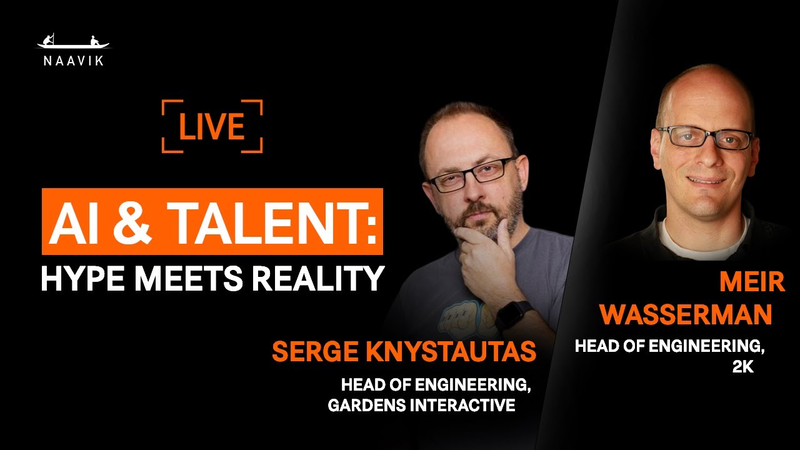
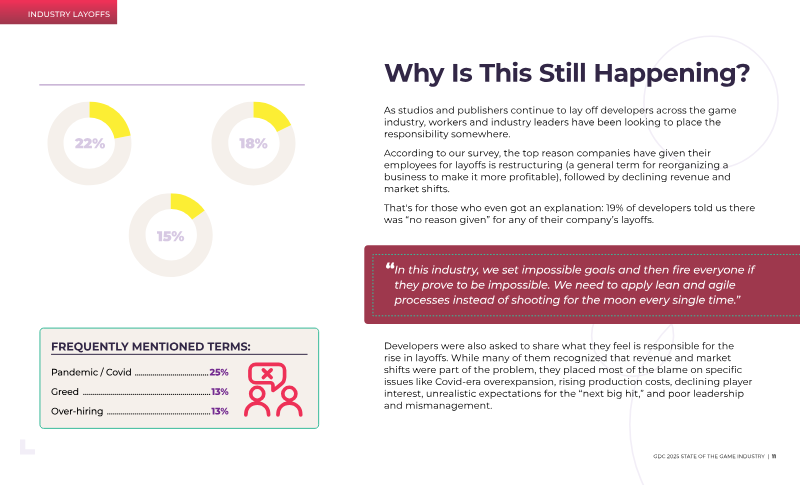
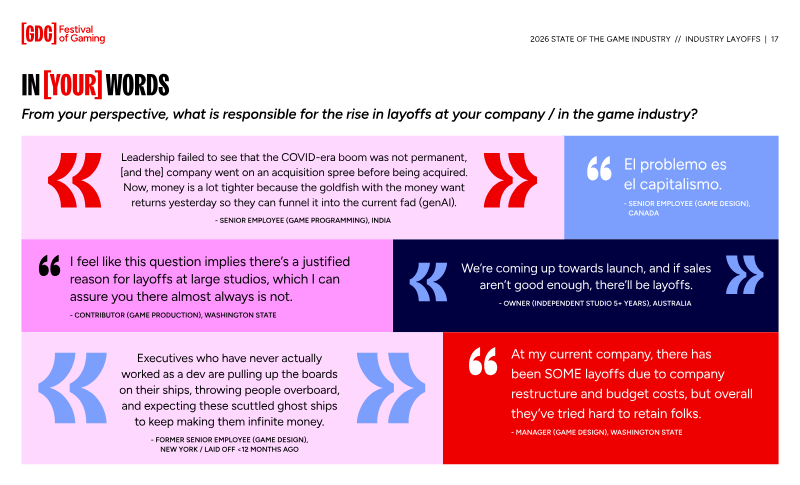
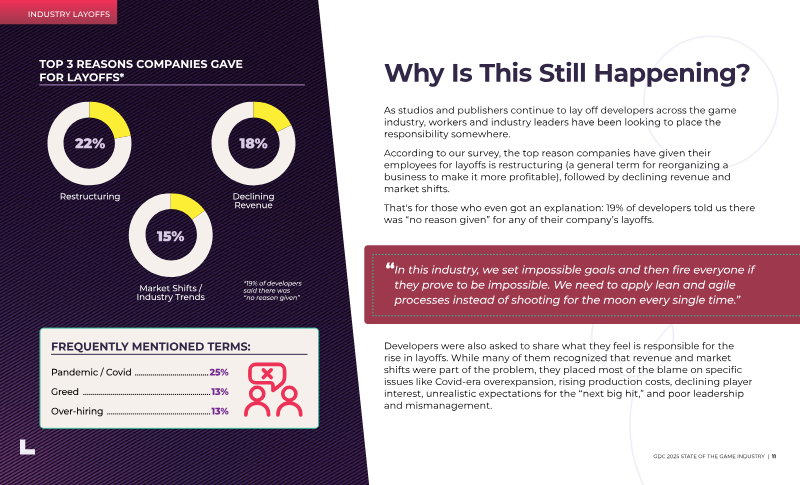





Comments