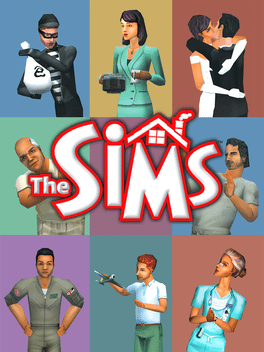
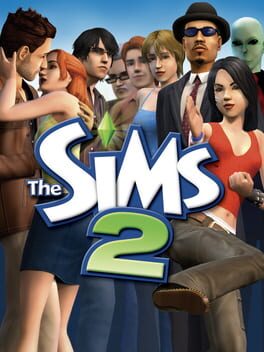
Loading the document
1 free read left. Create a free account for unlimited reading + AI research.
Create free accountArticle DiGRA
1 free read left. Create a free account for unlimited reading + AI research.
Create free accountArticleDiGRA
The paper notes that the Something Awful forums are the site conventionally credited with the Let's Play form.
The document challenges the conventional, male-centric history of the "Let's Play" media format, arguing for an earlier, female-driven origin within The Sims community. While the term "Let's Play" emerged from the Something Awful forums around 2004, the format—combining screenshots with written commentary—was prevalent in "Sims stories" several years prior. These stories were primarily created by the largely female player base of The Sims franchise.
Sims stories first appeared on the official TheSims.com website via The Sims Exchange, a platform designed by developers to foster participatory culture. Over 100,000 stories were posted on the first official site, and 172,061 on TheSims2.com before both sites went offline. While many early Sims stories are now lost due to link rot, a rogue archive called "A Certain Reader" preserved 4,039 stories from TheSims2.com. Previous scholarship on Sims stories often focused on fictional narratives (gamics/machinomics) or their role in literacy and fanfiction, overlooking their function as emergent gameplay documentation.
The research proposes a taxonomy of Sims stories using a quadrant chart, categorizing them by narrative type (predetermined to emergent) and subject matter (original to transformative). This taxonomy delineates four types: Let's Play, Original Fiction, Transformative Fiction, and Transformative Let's Play. A close reading of three "Legacy Challenge" Sims Let's Plays will be conducted. The Legacy Challenge, created in 2004, involves playing a single Sims family for ten generations, ensuring emergent narratives shaped by gameplay. This analysis aims to establish Sims stories as an origin point for Let's Play media, highlighting the community's approaches to documenting emergent narratives and the societal values reflected in them during the mid to late 2000s Anglosphere. This re-evaluation supports the idea that women's contributions to game history are often overlooked but present.
Each row is a game or company this document names, each column a document, oldest first. A mark means that document names it. Select a row to see those documents.
DiGRA · 2026
DiGRA · 2026
DiGRA · 2023
DiGRA · 2023
DiGRA · 2009
DiGRA · 2005
DiGRA · 2005
DiGRA · 2003



GAMEHEARTS · 2026
DiGRA · 2026

Extra Credits · 2026



DiGRA · 2026
International Journal of Esports · 2026