1 free read left. Create a free account for unlimited reading + AI research.
Create free accountWhitepaper Journal of Games, Game Art, and Gamification
1 free read left. Create a free account for unlimited reading + AI research.
Create free accountWhitepaperJournal of Games, Game Art, and Gamification
These platforms mirror the complexities of university organizational management.
Key Purpose. Leadership simulation games serve as effective pedagogical tools when integrated with structured behavioral frameworks.
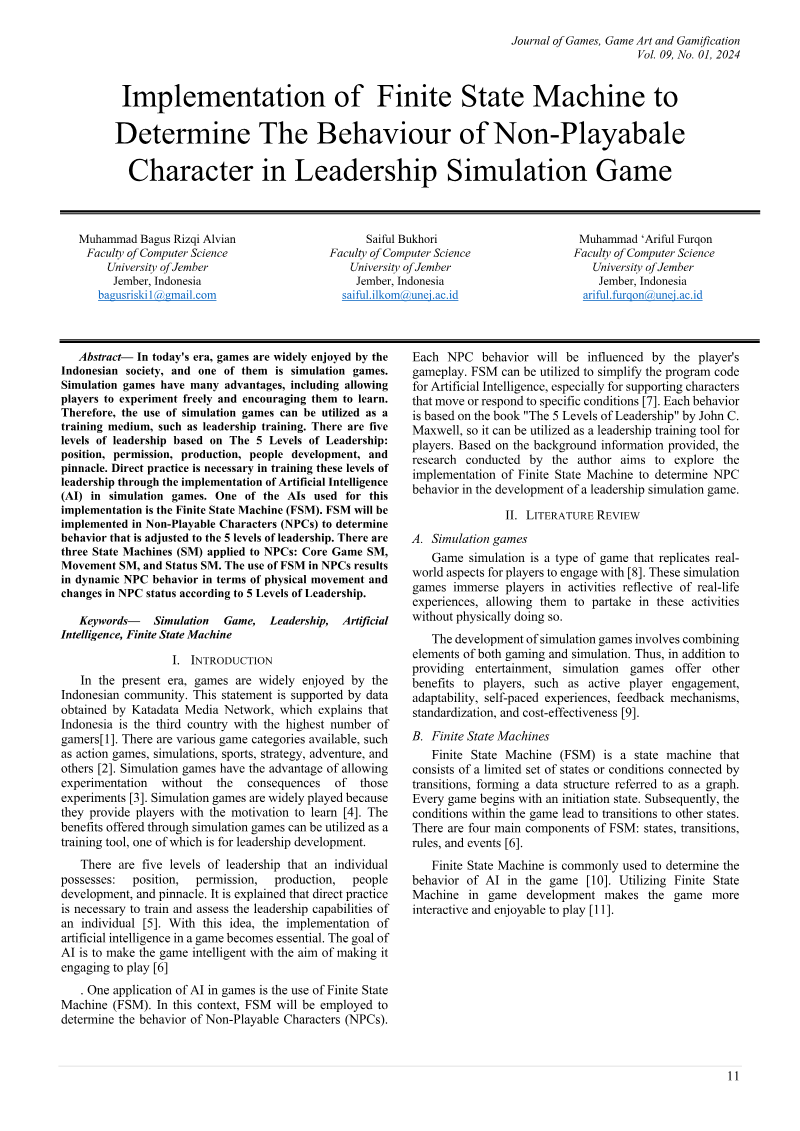
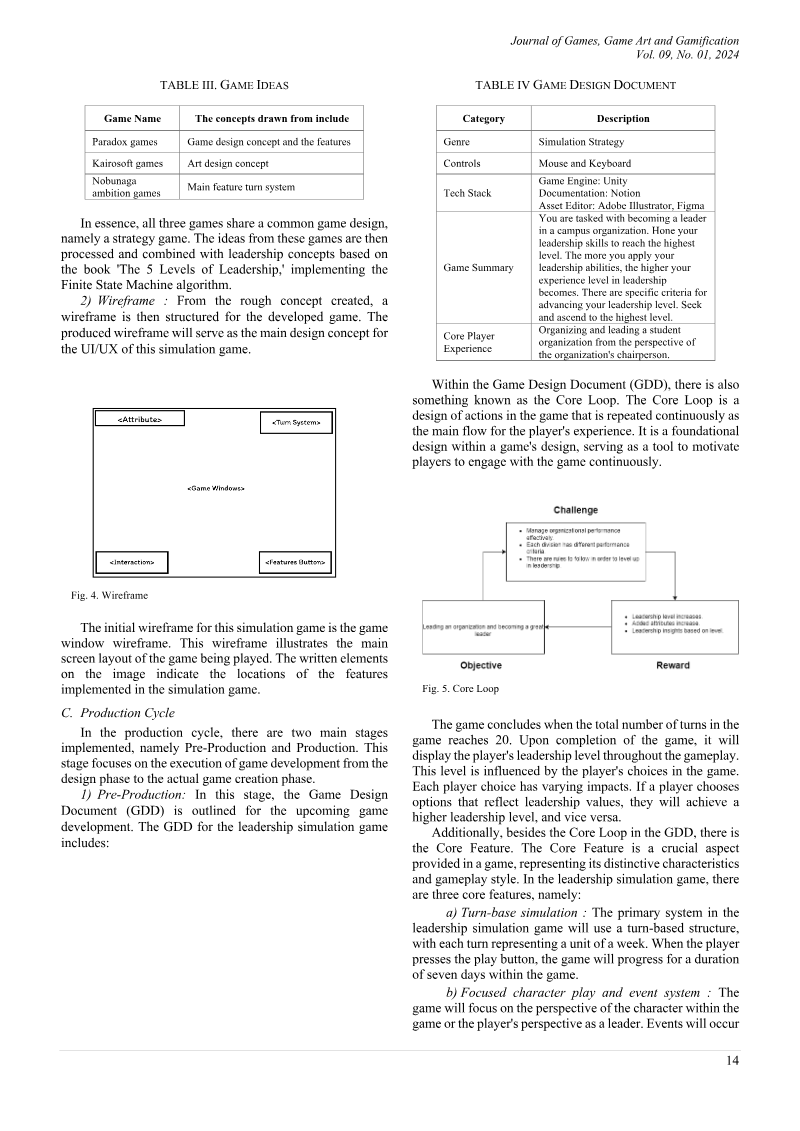
Leadership simulation games serve as effective pedagogical tools when integrated with structured behavioral frameworks. By mapping John C. Maxwell’s 5 Levels of Leadership onto a digital environment, developers can create interactive training platforms that mirror the complexities of university organizational management. The primary objective of this initiative is to facilitate leadership development through a turn-based simulation where player decision-making directly dictates progression and influences the surrounding environment.
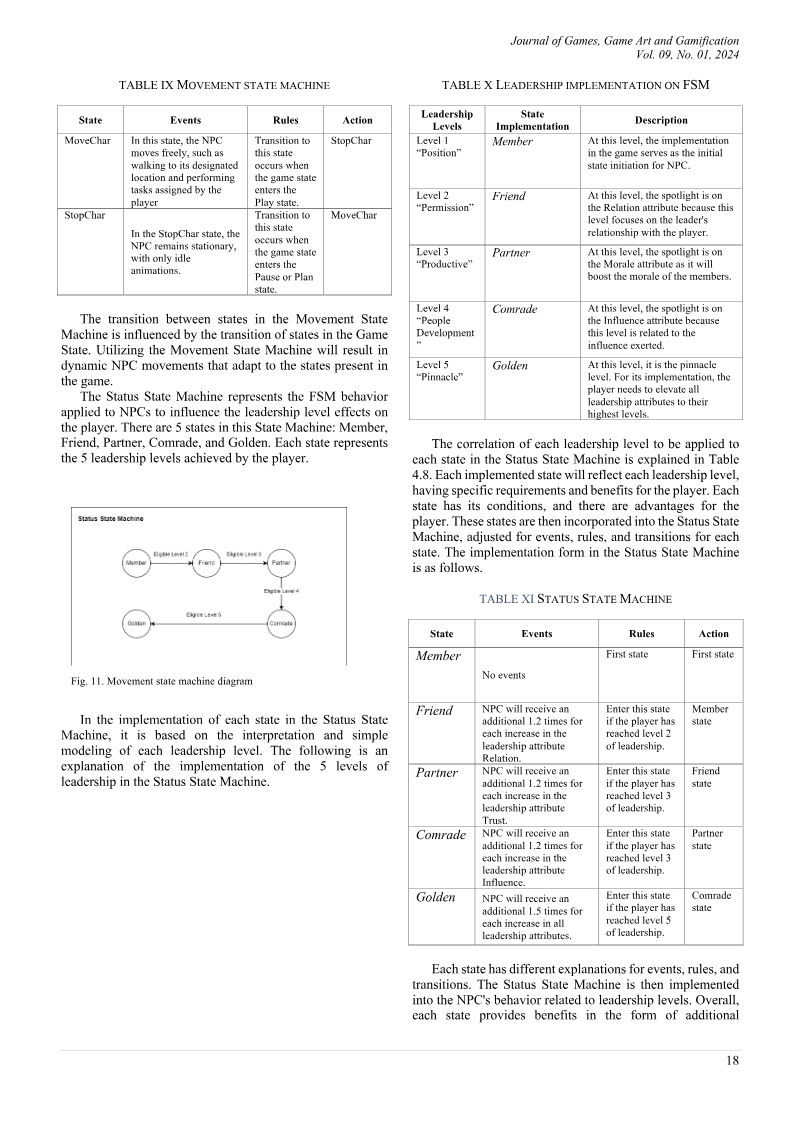
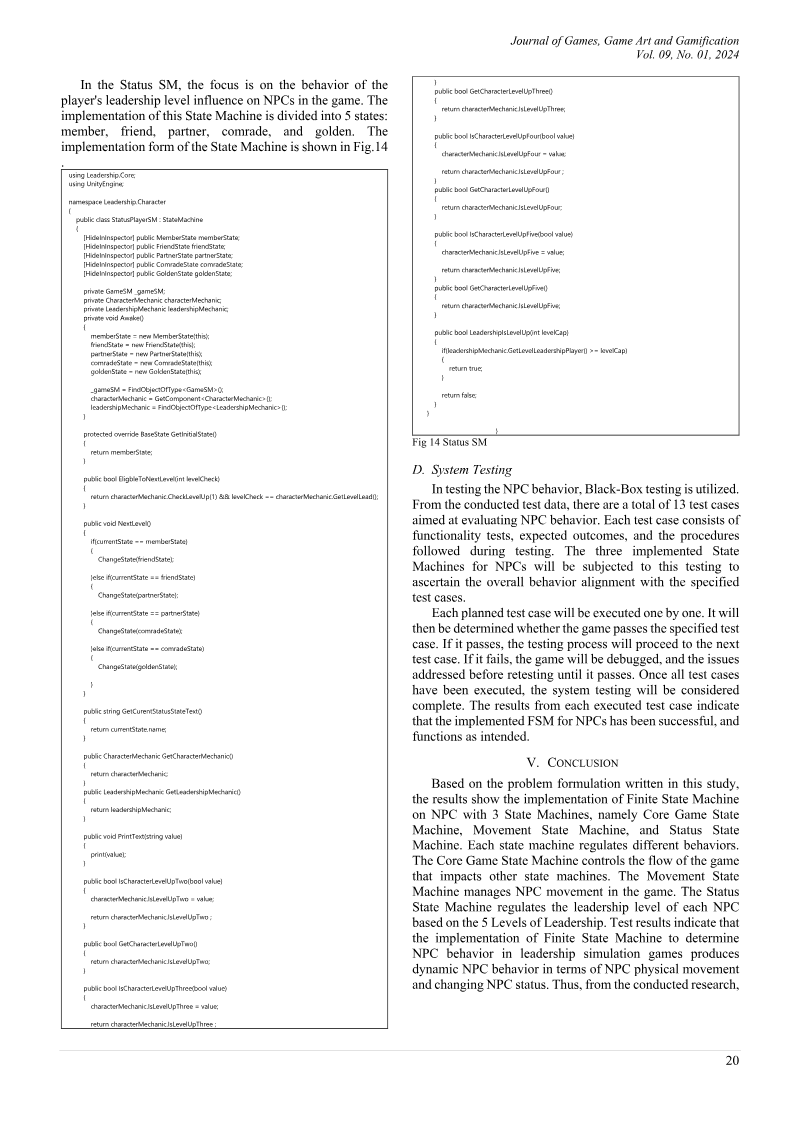
The technical foundation of this simulation relies on a sophisticated Finite State Machine architecture designed to govern non-playable character behavior. This system operates through three concurrent modules—Core Game, Movement, and Status—which collectively manage the game flow and track four critical performance metrics: trust, influence, relation, and morale. As players navigate the simulation, these attributes fluctuate based on strategic choices, triggering state transitions that reflect the player’s evolving leadership proficiency. This mechanical loop ensures that NPC responses remain dynamic and contextually relevant to the player's current standing within the five-level hierarchy.
Empirical validation through black-box testing across thirteen distinct scenarios confirms the reliability of this architectural approach. The findings demonstrate that Finite State Machines provide a robust and flexible framework for managing complex, state-dependent interactions in simulation environments. By successfully automating NPC behavior and status transitions, this implementation proves that algorithmic behavioral modeling can effectively translate abstract leadership theories into measurable, interactive experiences. Consequently, this methodology offers a scalable solution for developers seeking to build responsive simulation systems that require nuanced character behavior and consistent progression mechanics.
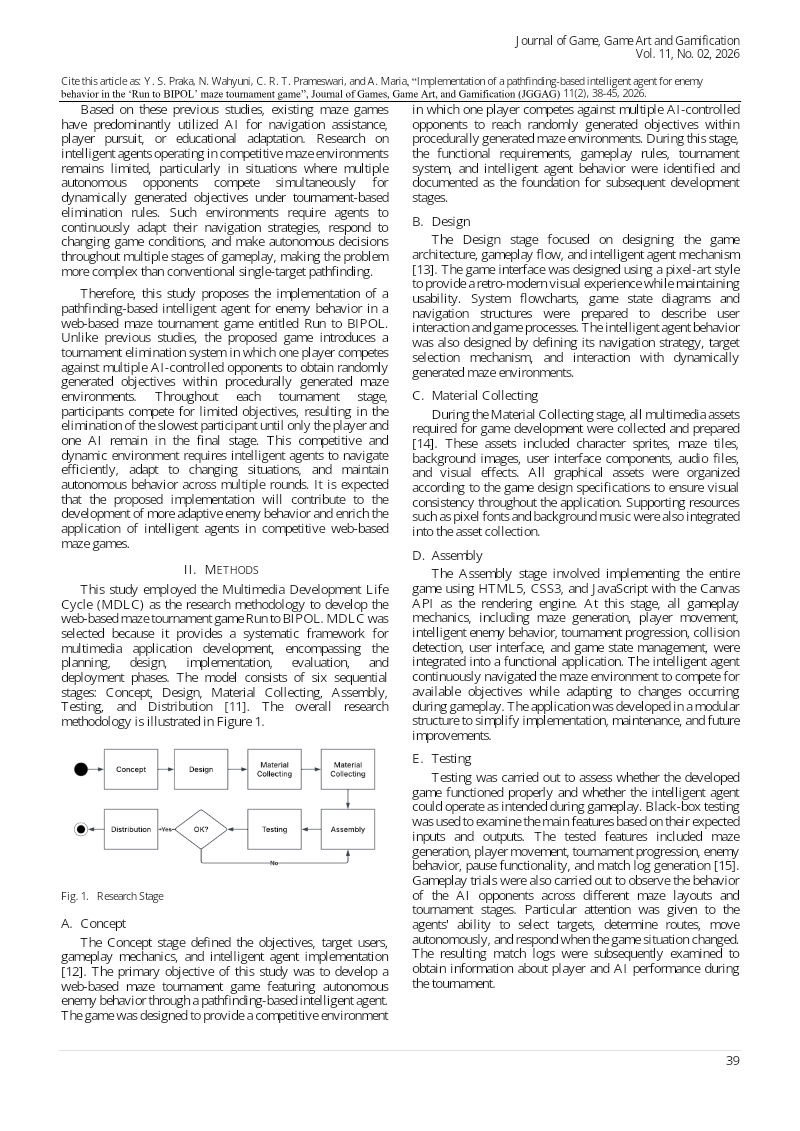
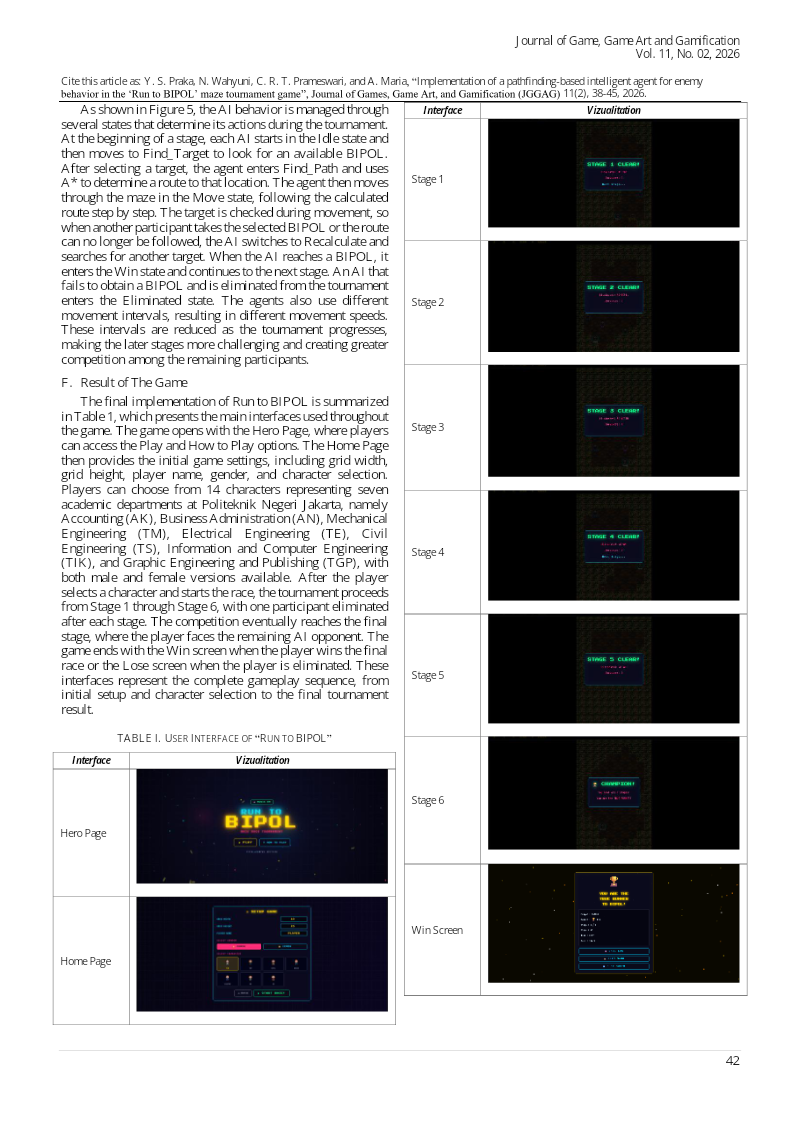
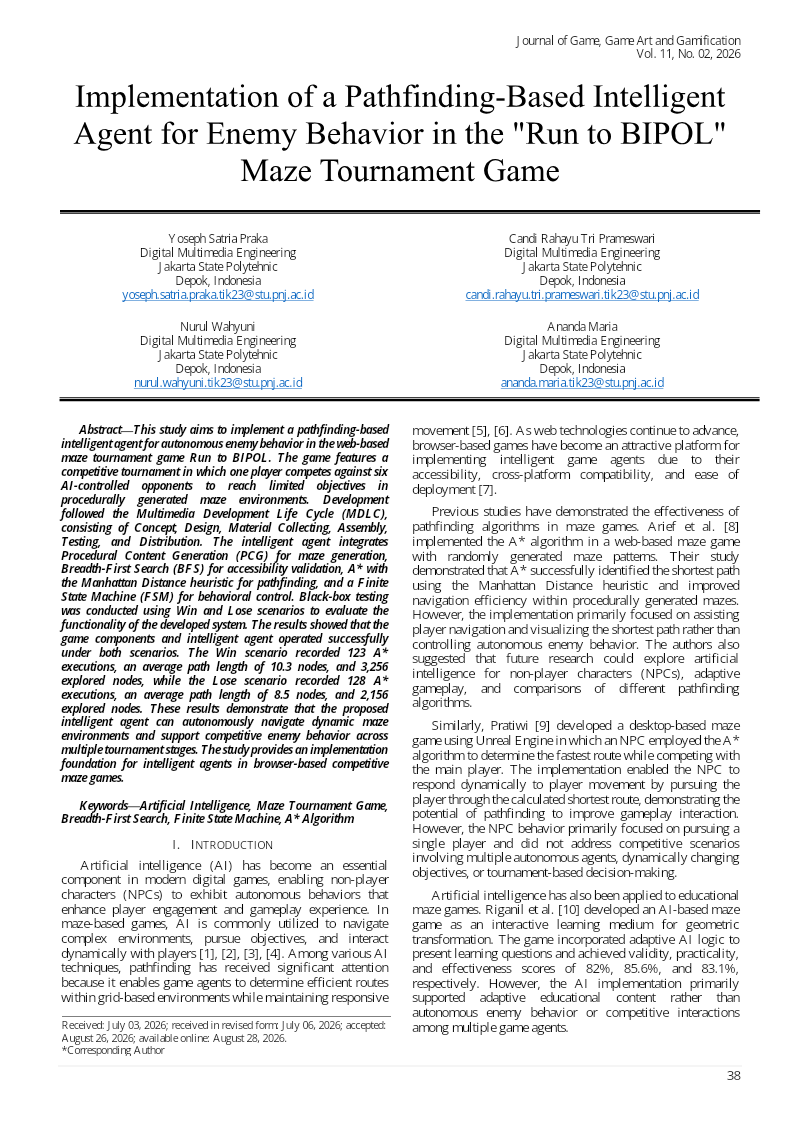
Journal of Games, Game Art, and Gamification · 2026
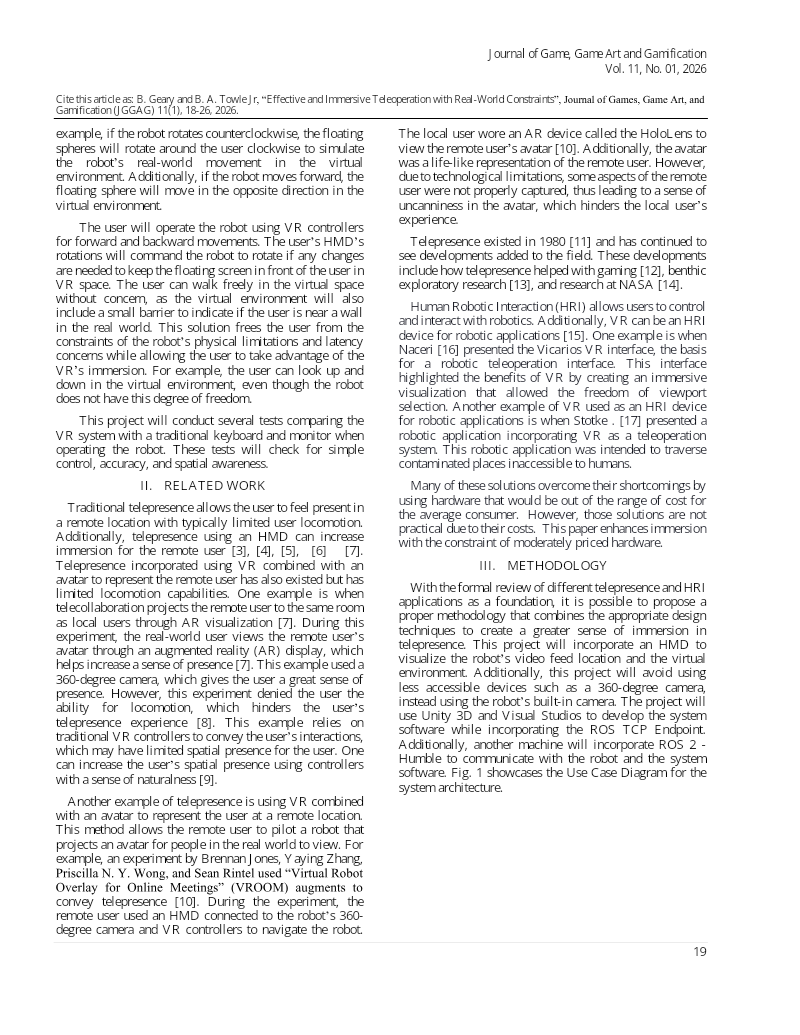
Journal of Games, Game Art, and Gamification · 2026
Journal of Games, Game Art, and Gamification · 2025
Journal of Games, Game Art, and Gamification · 2025
Journal of Games, Game Art, and Gamification · 2025
Journal of Games, Game Art, and Gamification · 2025
Journal of Games, Game Art, and Gamification · 2025
Journal of Games, Game Art, and Gamification · 2025
Journal of Games, Game Art, and Gamification · 2025
Journal of Games, Game Art, and Gamification · 2025
Journal of Games, Game Art, and Gamification · 2024
Journal of Games, Game Art, and Gamification · 2024
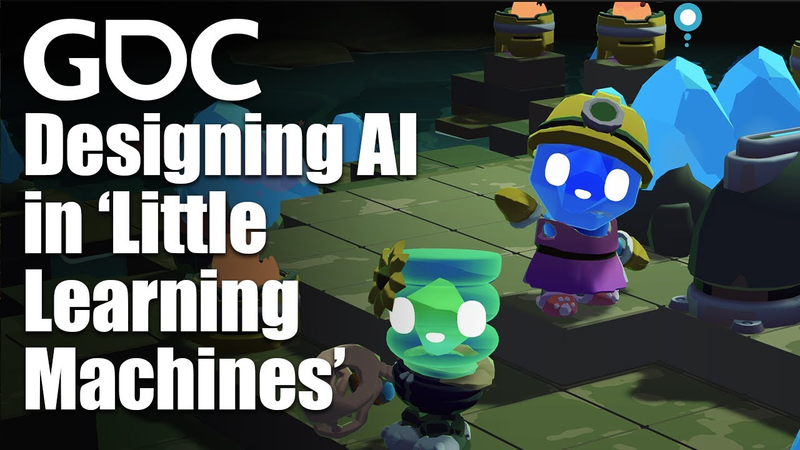
Game Developers Conference · 2024