Music
Documents
Cyprus LIVE #4 How a Metal Band Inspired a Wild Game Idea
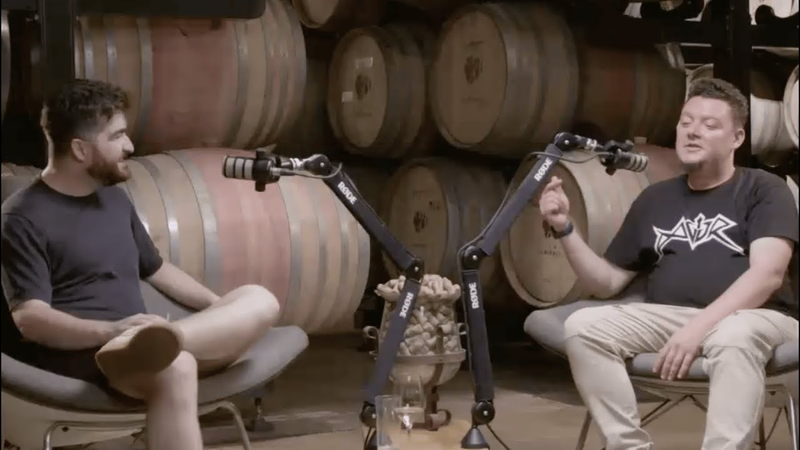
Lord of Metal, a management simulation game developed by Horns Up Games in collaboration with the Swedish metal band Sabaton, aims to capture the emotional intensity and logistical complexity of heavy music festivals. The project serves as a tribute to the global metal community, targeting an underserved demographic of fans in their 30s and 40s who seek to relive the atmosphere of live music experiences from the comfort of their homes. By blending traditional tycoon gameplay with a "power fantasy" narrative, the game allows players to manage the backstage operations, technical challenges, and chaotic scenarios inherent in organizing large-scale rock events.
The development process is grounded in extensive qualitative research, including interviews with stage technicians, security personnel, and event organizers to curate a collection of authentic industry folklore. This research informs the game’s core mechanics, which focus on tactical decision-making and crisis management. Unlike rhythm-based titles that prioritize musical performance, this simulation emphasizes the organizational side of the industry, offering a strategic experience that respects the culture and aesthetics of the heavy music scene.
A key component of the project’s strategy is its commitment to physical media and community engagement. Leveraging Sabaton’s established infrastructure for merchandise distribution, the studio has successfully utilized crowdfunding to offer physical collectibles, such as vinyl records and apparel, to satisfy the collecting habits of the metal community. The project maintains a strong connection to its audience through an active Discord community and a focus on authentic representation. By prioritizing both digital gameplay and tangible memorabilia, the studio aims to foster a long-term relationship with fans, positioning the game as a celebration of the shared values and mutual support found within the global metal culture.
- Horns Up Games is developing 'Lord of Metal,' a management simulation game in collaboration with the Swedish metal band Sabaton that focuses on the logistical complexities of organizing large-scale music festivals.
- The game targets an underserved demographic of metal fans in their 30s and 40s by offering a strategic, non-rhythm-based experience that emphasizes crisis management and backstage operations.
- Development is informed by qualitative research and interviews with industry professionals, including stage technicians and security personnel, to ensure authentic representation of live music production.
- The studio leverages Sabaton’s existing merchandise infrastructure to offer physical collectibles like vinyl records and apparel, successfully integrating crowdfunding to meet the collecting habits of the metal community.
- Community engagement is maintained through an active Discord server, positioning the game as a long-term cultural celebration rather than a standalone digital product.

From Imagine Dragons Fame To Night Street’s Shooter: Last Flag
Night Street Games is carving a distinct niche within the competitive 5v5 hero shooter market through the development of its flagship title, Last Flag. Founded by Mac and Dan Reynolds of Imagine Dragons and led by industry veteran Matthew Berger, the studio seeks to disrupt the saturated shooter landscape by prioritizing creative immersion and unique gameplay mechanics over traditional industry trends. The core thesis centers on the belief that a lean, agile development structure—combined with a deep integration of music and a "player-first" design philosophy—can produce a high-quality, sustainable competitive experience that avoids the bureaucratic stagnation often found in larger firms.
The studio has successfully scaled from a small prototype team to a 50-person, fully remote organization by prioritizing cultural alignment and direct communication. This operational agility allowed the team to navigate significant technical transitions, such as migrating from Unity to Unreal Engine, while maintaining a focus on rapid iteration. By utilizing AI as a productivity tool for prototyping rather than a creative crutch, the developers have focused their resources on crafting a tonally distinct, "anti-hero" atmosphere. The game’s mechanics, including radar towers and overtime reveals, are specifically engineered to maintain a 15-to-20-minute match duration, ensuring the gameplay remains engaging and balanced.
Rather than relying on the founders' musical fame or aggressive marketing campaigns, the studio emphasizes organic growth through frequent playtesting and direct community engagement. This strategy rejects the pressure to chase algorithmic trends or publisher mandates, favoring a long-term approach to development that values team sustainability and player satisfaction. By fostering a culture that prioritizes creative passion and iterative feedback, Night Street Games aims to establish a dedicated player base through the strength of its unique, music-driven gameplay loop, positioning Last Flag as a meaningful alternative to established genre giants.
- Night Street Games has scaled from a small prototype team to a 50-person studio by fully integrating their outsourced partners into the core company structure to maintain cultural and creative alignment.
- The studio differentiates its 5v5 hero shooter, Last Flag, by prioritizing a capture-the-flag core loop over traditional shooter mechanics and embedding music into the gameplay to drive immersion.
- To compete in the oversaturated PC shooter market, the studio follows a strategy of avoiding direct competition with established titles like Overwatch, instead focusing on unique mechanics that appeal to a specific core player segment.
- The leadership team maintains a flat structure where the executive layer, represented by CEO Mac Reynolds, remains directly involved in the high-level vision, allowing for rapid pivoting and candid communication with Game Director Matthew Berger.
- The studio emphasizes that marketing success on platforms like Steam relies on being nimble with social messaging and community building rather than relying on static, long-term plans.

This is Why the Music Stopped - for Music Games
The music game genre, once a dominant force in the video game industry, has struggled to maintain relevance due to prohibitive licensing costs, market oversaturation, and shifting consumer habits. At its peak in 2008, the music genre accounted for 18% of the United States video game market, serving as a mainstream cultural phenomenon. However, the genre experienced a rapid decline between 2008 and 2009, driven by a combination of the Great Recession, which reduced consumer spending on expensive plastic peripherals, and a retail shift that saw stores reclaim shelf space previously occupied by bulky hardware bundles.
The primary barrier to sustained success in this genre remains the complex and expensive nature of music licensing. Unlike sports games that benefit from centralized licensing bodies, music games require individual negotiations with record labels and publishers for every track. These agreements often involve significant minimum guarantees and restrictive blanket deals that make profitability difficult. Furthermore, the genre suffered from content fatigue, as developers quickly exhausted the catalog of popular songs, leading to a decline in player engagement.
Recent attempts to revive franchises like Guitar Hero on mobile platforms face significant skepticism regarding their business models. Data from the last 12 months indicates that even top-performing titles generate relatively modest in-app purchase revenue, with leading games earning approximately $10 million annually. Because these titles often rely on ad-monetization strategies that conflict with the premium brand identity of legacy franchises, their long-term viability remains uncertain. While free-to-play mobile gaming and the rise of digital distribution have fundamentally altered the landscape, the core challenges of high production costs and the difficulty of maintaining a sustainable, scalable music library continue to hinder the genre's resurgence.
- The music game genre collapsed rapidly after 2008, when it accounted for 18% of the U.S. video game market, due to the Great Recession and the decline of expensive, bulky plastic peripherals.
- High production costs are driven by complex music licensing, which requires individual negotiations with record labels and publishers rather than centralized licensing bodies.
- Retailers contributed to the genre's decline by reclaiming shelf space previously dedicated to hardware bundles, forcing a shift away from the physical-first model.
- Content fatigue significantly impacted player engagement as developers exhausted the catalog of popular songs, making it difficult to maintain a sustainable and scalable music library.
- Modern mobile revivals of legacy franchises struggle with profitability, as top-performing titles generate only about $10 million in annual in-app purchase revenue.
Gaming, Music, & Tipping: A New Era for Creator Payments
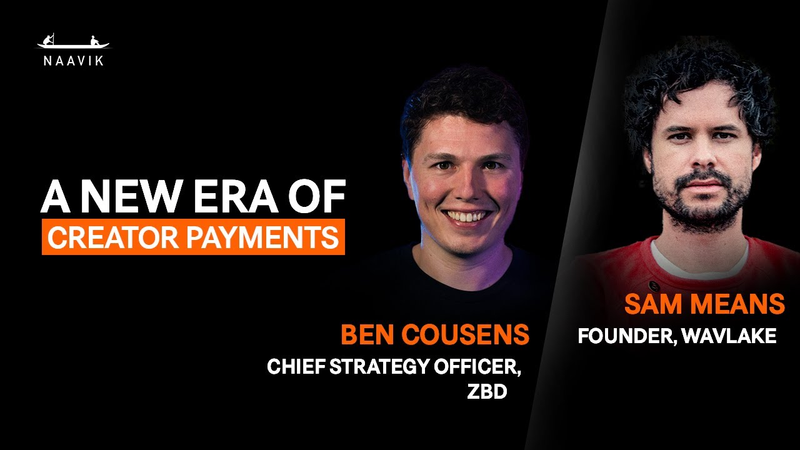
The integration of the Bitcoin Lightning Network into the creator economy marks a fundamental shift toward decentralized, direct monetization for artists and developers. By bypassing traditional, high-friction royalty systems, this infrastructure facilitates near-instant, low-fee micro-payments that empower independent creators to capture value that is currently lost to intermediaries. This model replaces siloed, permission-based streaming services with an open, interoperable ecosystem where revenue flows directly from fans to creators, ensuring that digital labor is compensated fairly and transparently.
Platforms like Wavlake and ZBD are at the forefront of this transition, utilizing the Nostr protocol to enable seamless, global value exchange. These tools allow developers to embed music and content directly into gaming environments and applications with automated, transparent revenue splits that function with the simplicity of email. By moving away from rigid subscription models toward a value-for-value exchange, these technologies provide a scalable framework for user-generated content, particularly benefiting creators in underserved international markets who previously lacked access to efficient payment rails.
Ultimately, this evolution represents a broader movement to transform users and creators into independent economic agents. By leveraging decentralized payment infrastructure, the industry is moving toward a future where digital identity and audience ownership are no longer tethered to centralized platforms. This shift not only addresses the systemic inefficiencies of current streaming and gaming monetization but also establishes a sustainable, borderless model for the future of the internet, where value transfer is as fluid and accessible as information itself.