1 free read left. Create a free account for unlimited reading + AI research.
Create free accountWhitepaper DiGRA
1 free read left. Create a free account for unlimited reading + AI research.
Create free accountWhitepaperDiGRA
The study examines fan-produced YouTube videos in which musicians perform acoustic covers of video game original soundtracks.
This paper examines fan-produced YouTube videos in which musicians perform acoustic covers of video game original soundtracks, treating these uploads as a form of participatory culture, prosumption, and meaning-making within game culture. Its central argument is that fan covers are not simply imitations but active reconstructions: when a score taken from a digital, interactive system is re-arranged for traditional instruments, the medium change forces the performer to interpret the source material and produces a distinct, embodied musical experience. The authors frame the resulting videos as de-centered paratexts and player-produced texts that testify to game reception and constitute artistic expression.
The paper proposes that the popularity of particular soundtracks reflects the size of their associated fandoms and the cultural visibility of their publishers, citing the enduring prominence of Nintendo series such as The Legend of Zelda, Super Mario, and Pokemon. A fan trend emerging around 2015 is singled out: the performance of 8-bit game music by recorder consorts. The authors argue that the homogeneous timbre of recorder quartets suits the modest sound palette of early game music, shaped by the limited sound channels and generators of late 1970s and early 1980s hardware.
The study adopts an interdisciplinary approach combining musicology, fan studies, and game studies. Its analysis focuses on videos uploaded to the InstrumentManiac YouTube channel that feature recorder covers of Pokemon compositions, with attention to how performers reconstruct scores from either OST recordings or MIDI files, since original scores are typically unavailable. The work relies on theoretical literature on embodiment in music performance rather than on a quantitative sample, so its conclusions are interpretive and grounded in a small, focused case rather than broad survey data.
Each row is a game or company this document names, each column a document, oldest first. A mark means that document names it. Select a row to see those documents.
DiGRA · 2026
Press Start · 2022
University of Jyväskylä · 2021
University of Malta · 2019
DiGRA · 2009
DiGRA · 2026

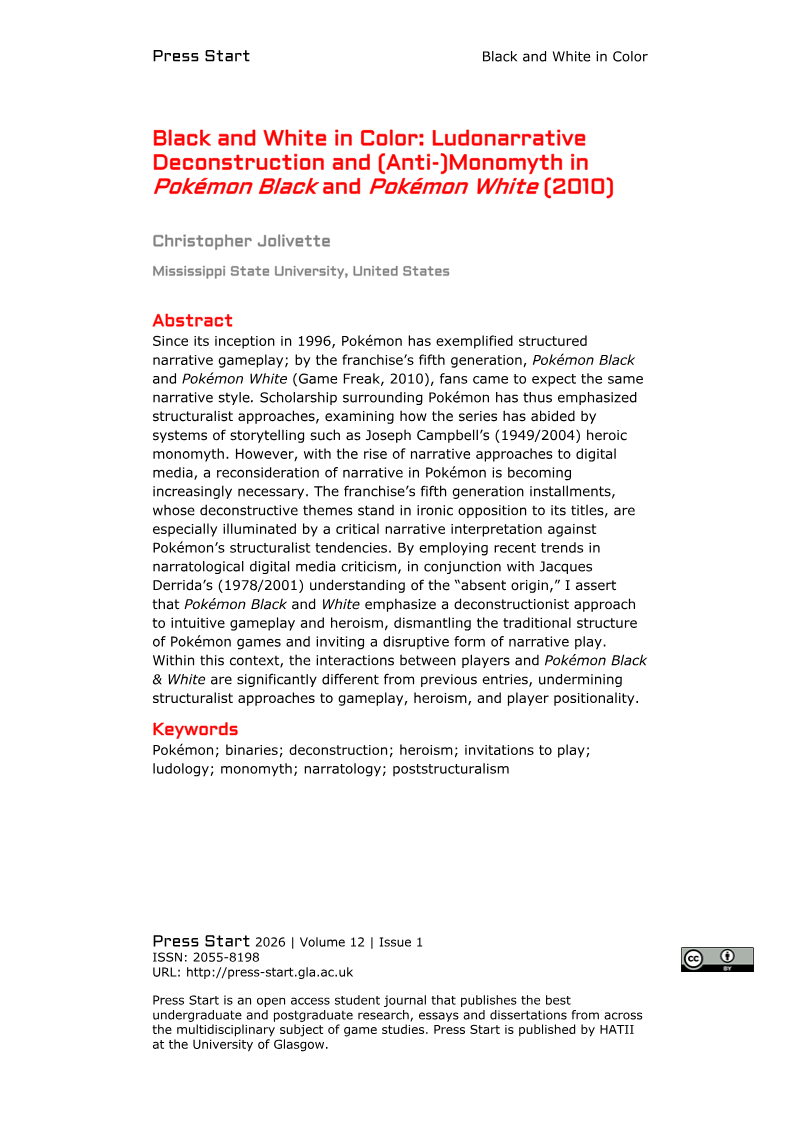
Press Start · 2026
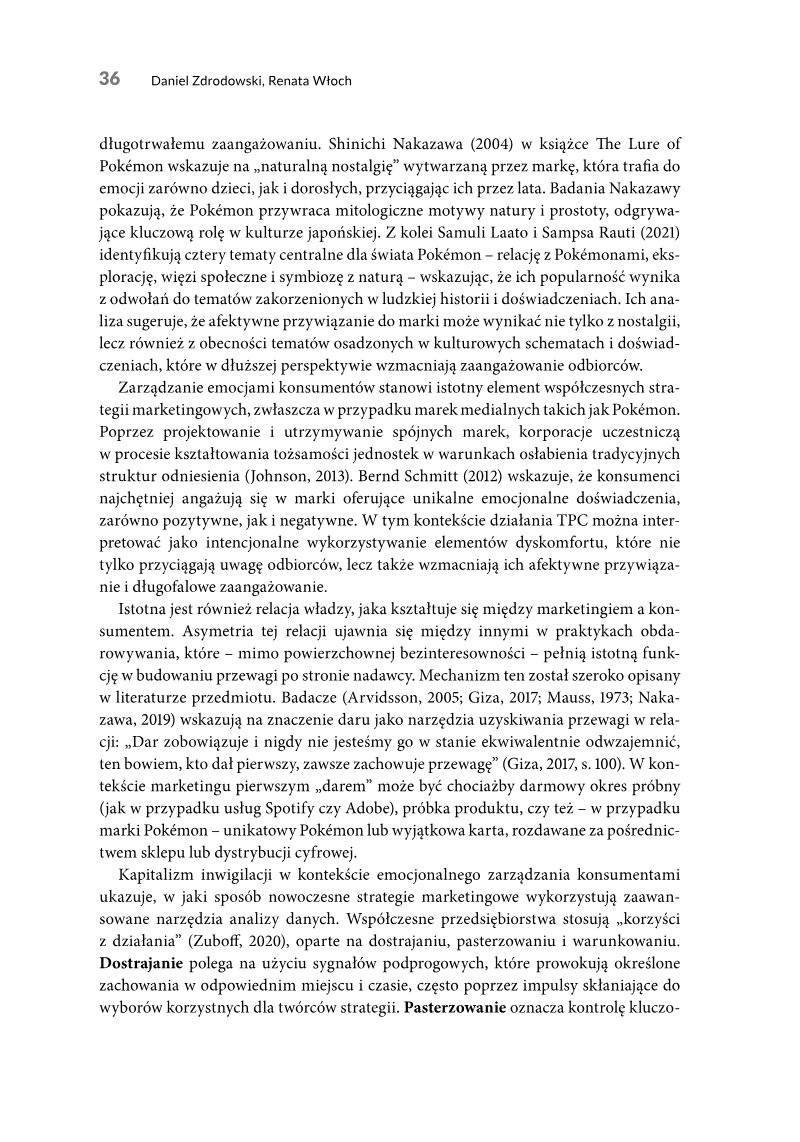
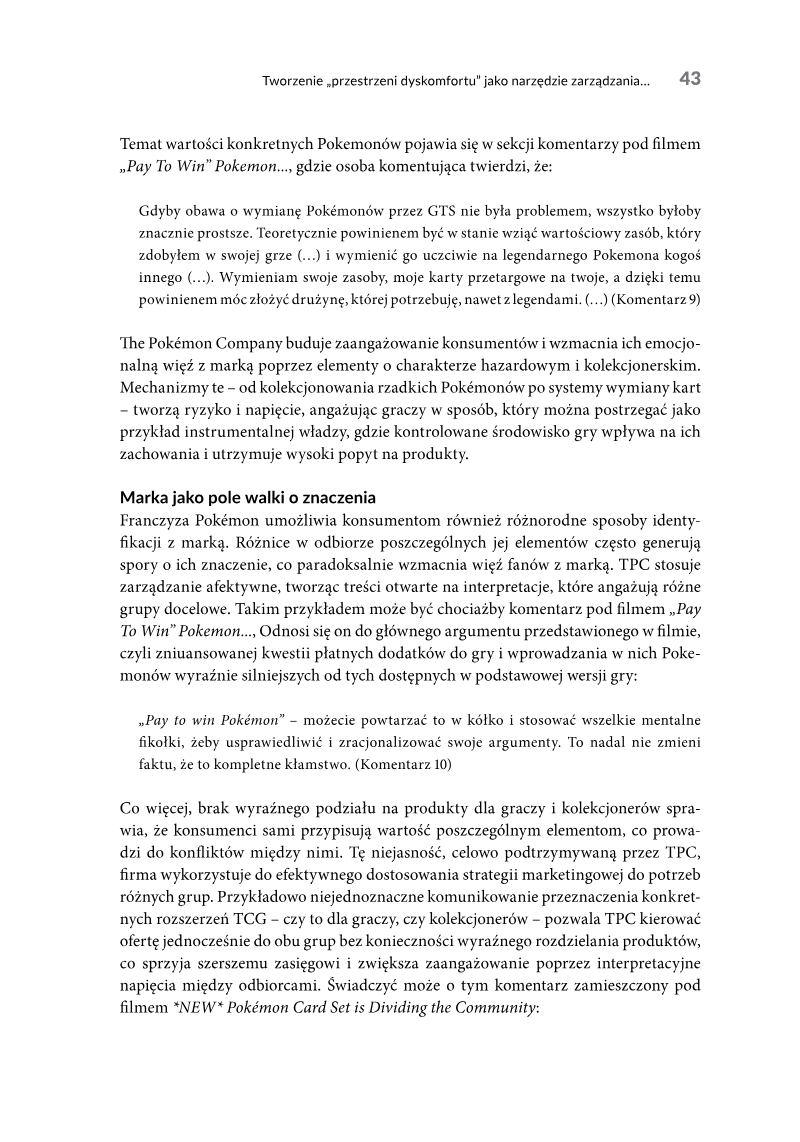
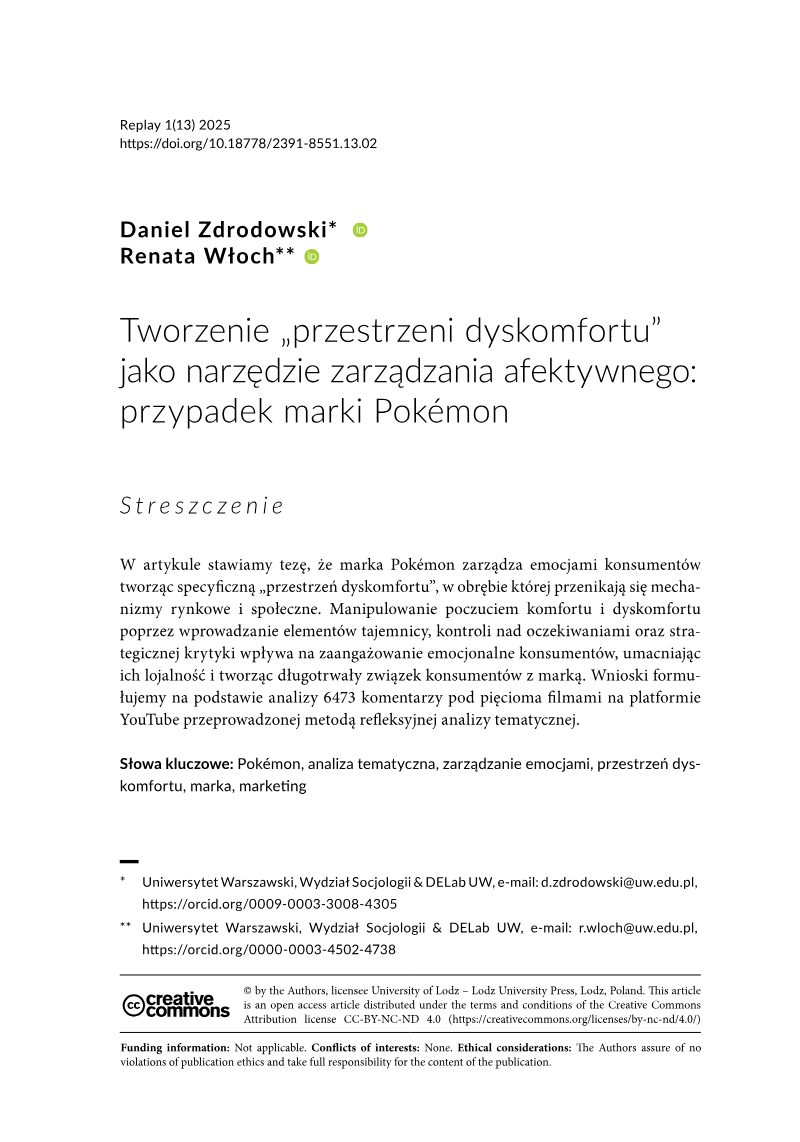
Replay. The Polish Journal of Game Studies · 2026
gamevironments · 2026
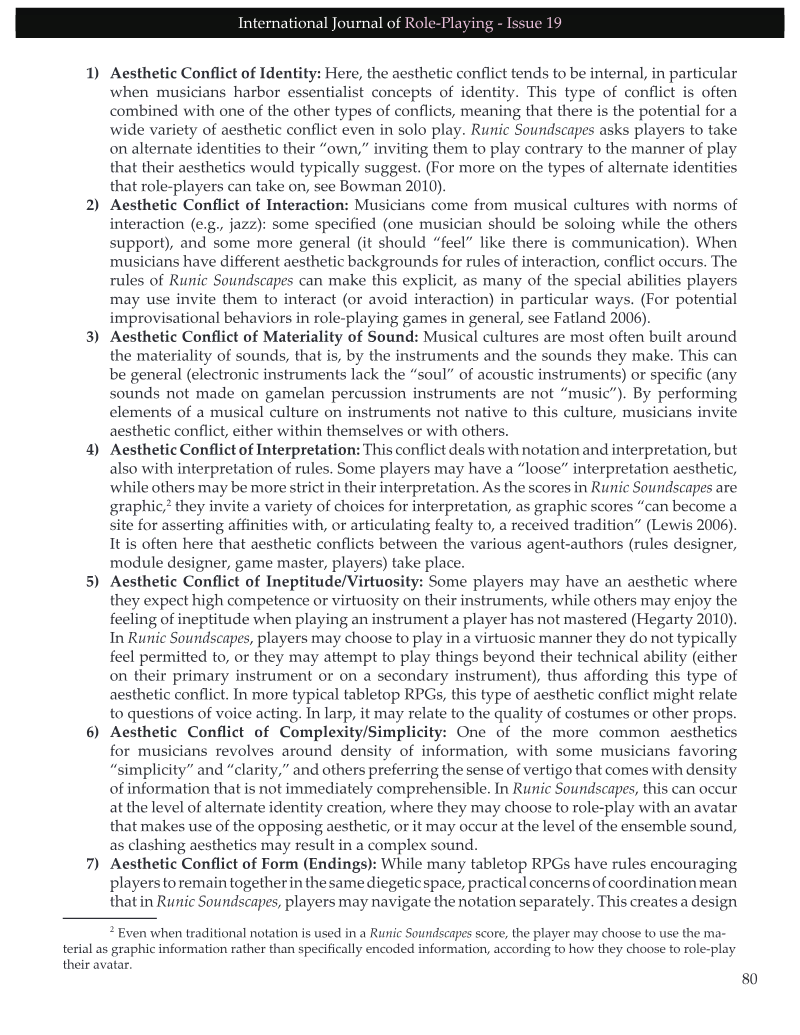
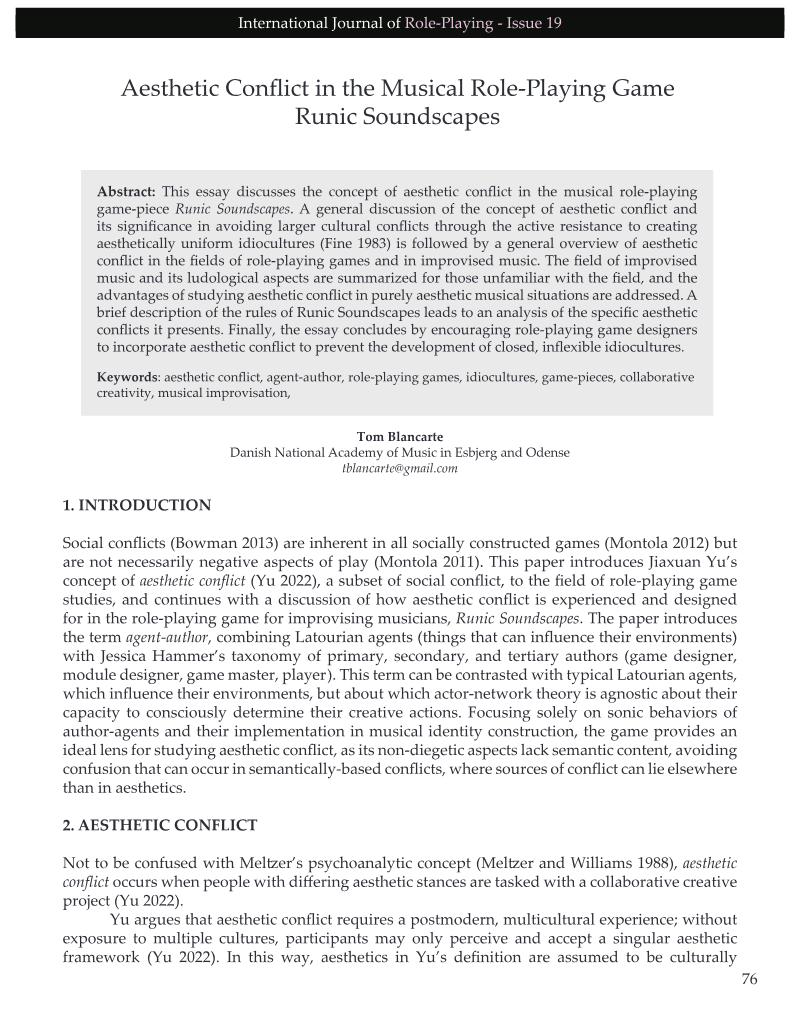
International Journal of Role-Playing · 2026
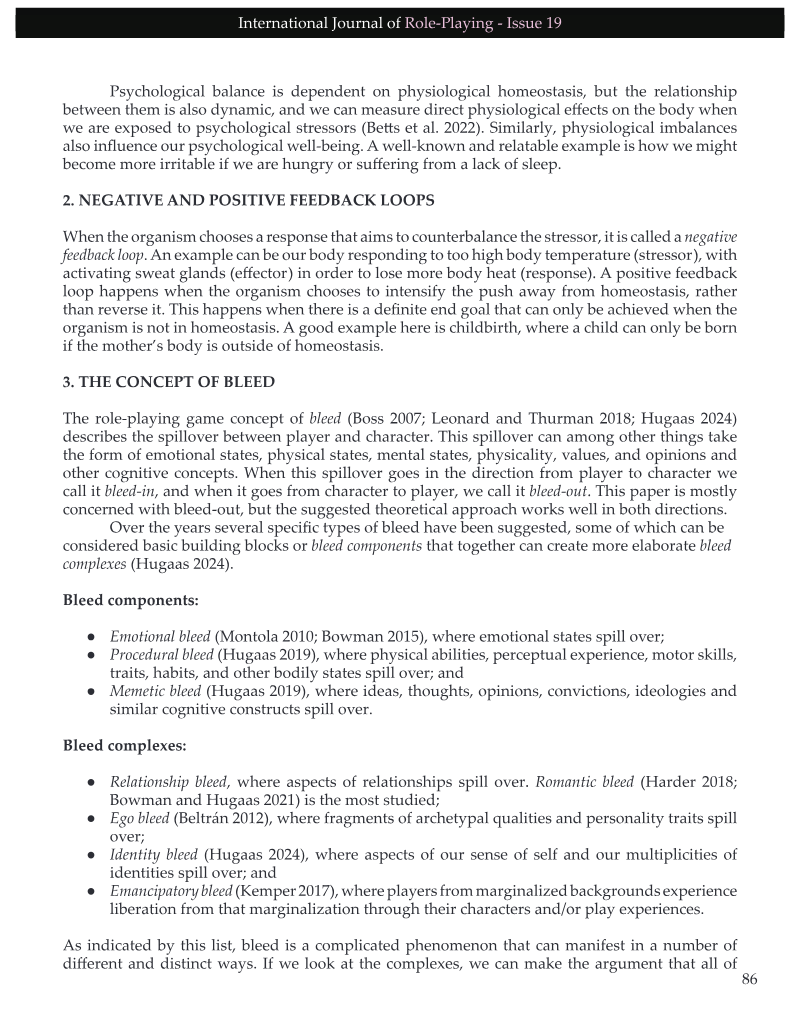
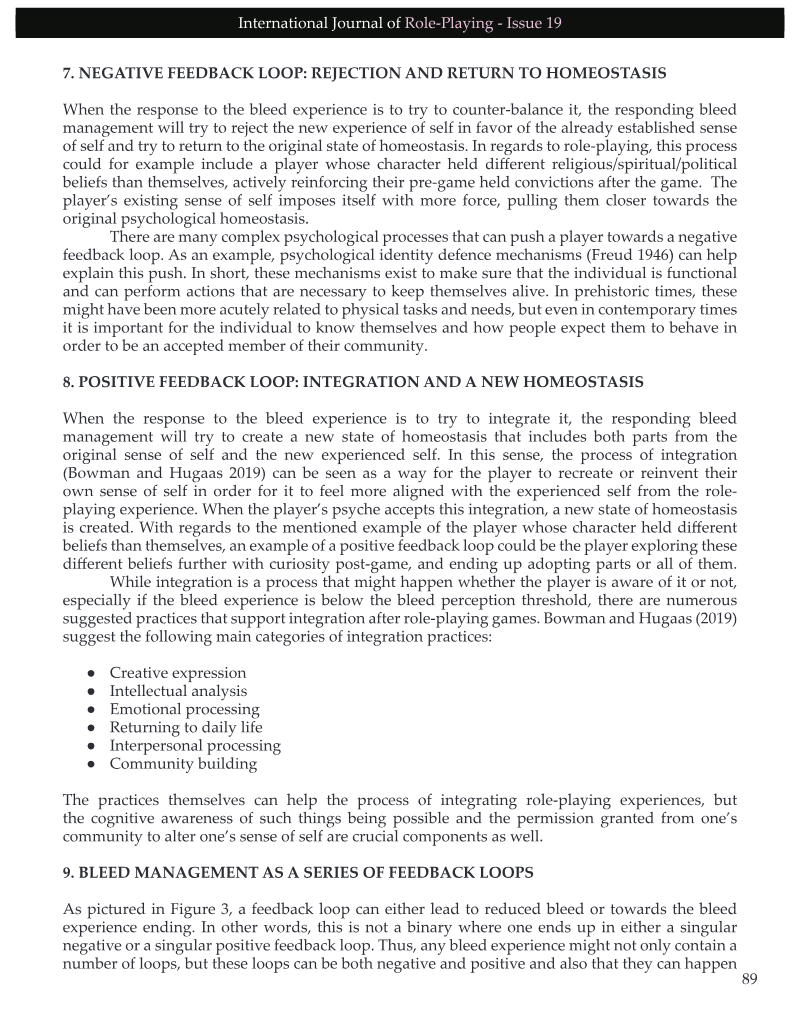
International Journal of Role-Playing · 2026
Kinephanos · 2026
DiGRA · 2026