1 free read left. Create a free account for unlimited reading + AI research.
Create free accountArticle University of Jyväskylä
1 free read left. Create a free account for unlimited reading + AI research.
Create free accountArticleUniversity of Jyväskylä
Tinder functions primarily as a ludic artifact rather than a conventional romantic tool, utilizing design principles that prioritize sustained user engagement over successful interpersonal connection. By framing social interaction through a mechanical, game-like interface, the platform transforms the search for companionship into a repetitive cycle of strategic impression management. This aesthetic approach relies on the ambiguity of user actions, where the lack of clear definitions for swiping behaviors allows individuals to interpret their participation as anything from serious dating to casual entertainment, thereby maintaining long-term platform retention.
The core mechanics of the application mirror the psychological feedback loops found in slot machines and video games. This swipe logic creates a gamified experience that encourages frequent, low-stakes interaction, effectively turning the construction and interpretation of profiles into a series of subjective cues and codes. By fostering a persistent promise of potential reward, the design incentivizes users to remain within the system, prioritizing the act of playing over the actualization of romantic outcomes.
This analysis draws upon interdisciplinary research spanning game studies, social psychology, and digital media to contextualize the platform’s influence on modern social behavior. By examining the intersection of digital design and human desire, the study highlights how the gamification of intimacy reshapes self-presentation. Ultimately, the platform succeeds by commodifying the social experience into a mechanical, ludic process, ensuring that the act of engagement remains the primary objective for its global user base.
Entertainment Computing · 2026
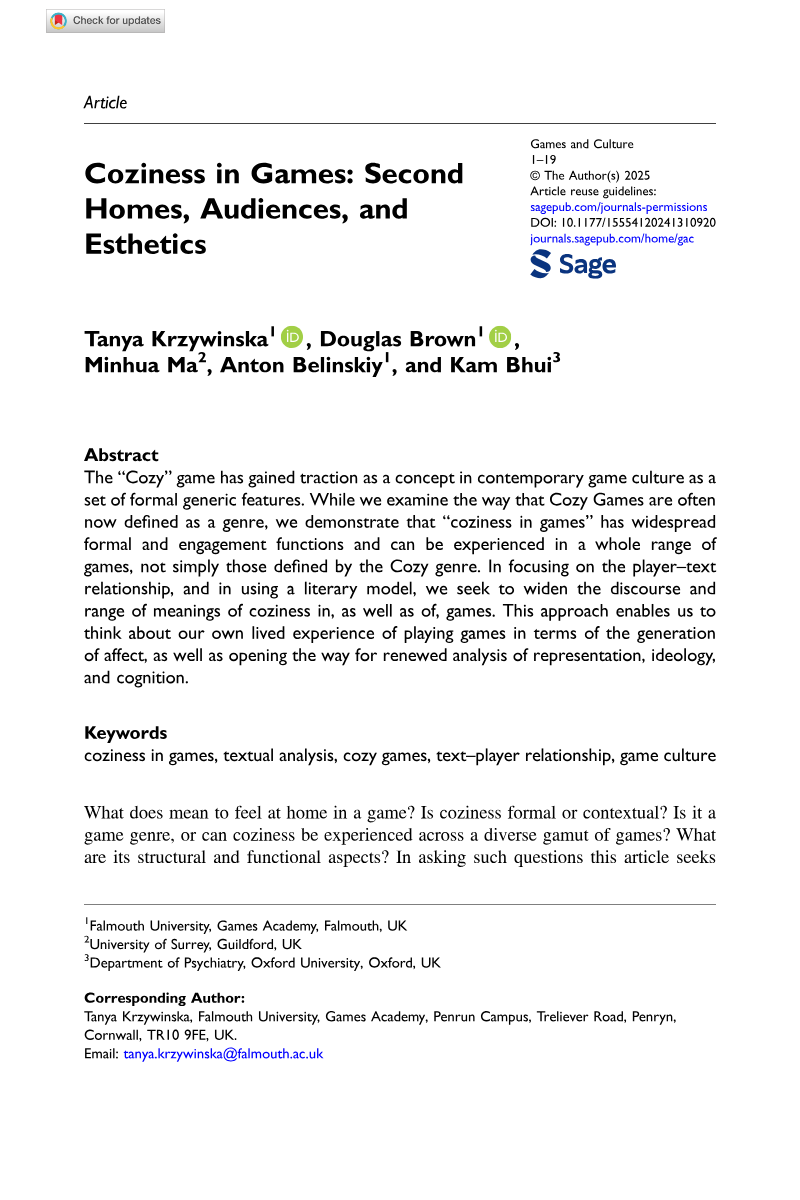
Games and Culture · 2025
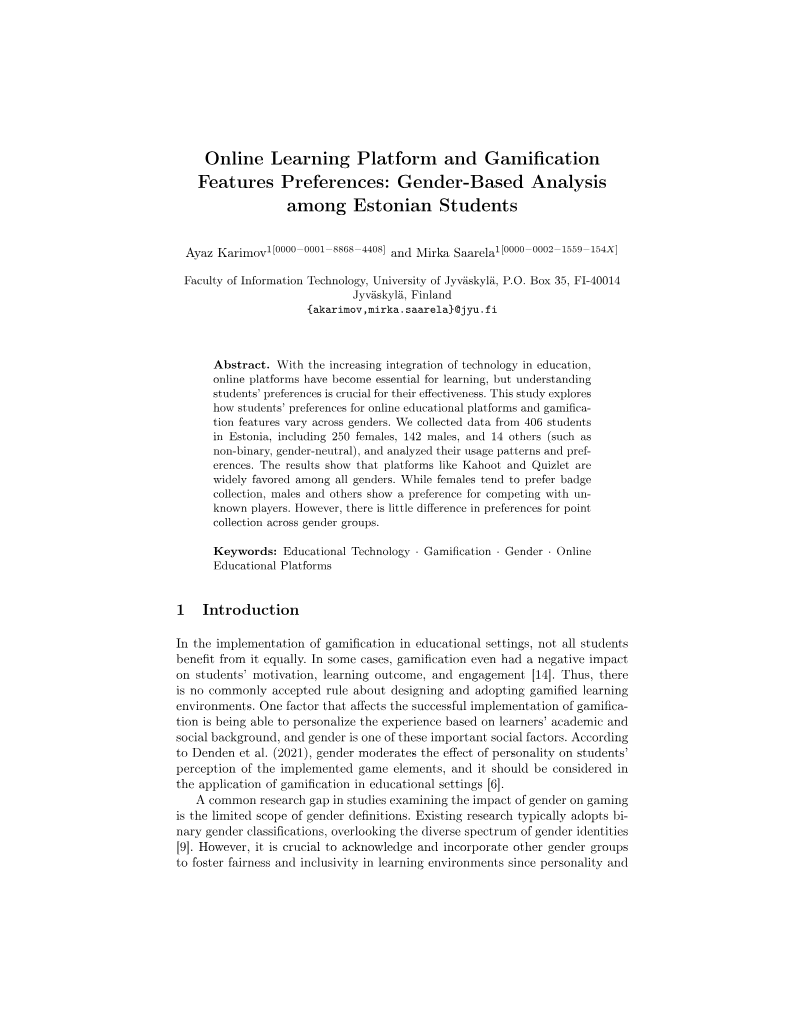
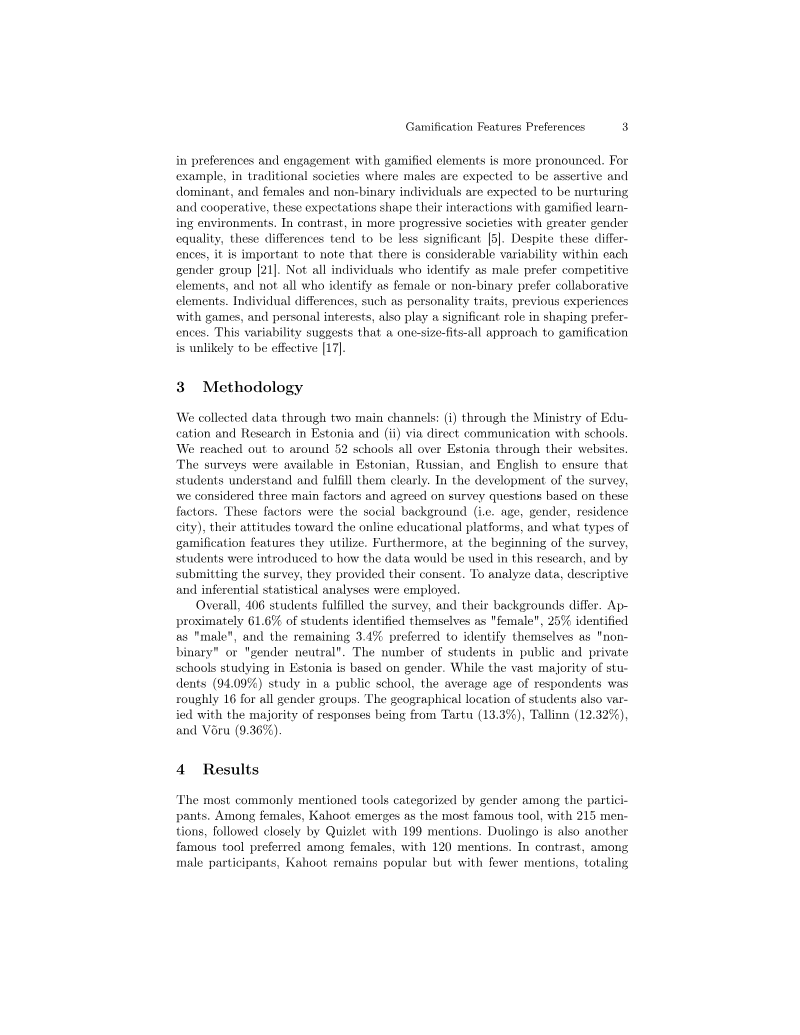
Games and Learning Alliance Conference (GALA) · 2024
Entertainment Computing · 2024
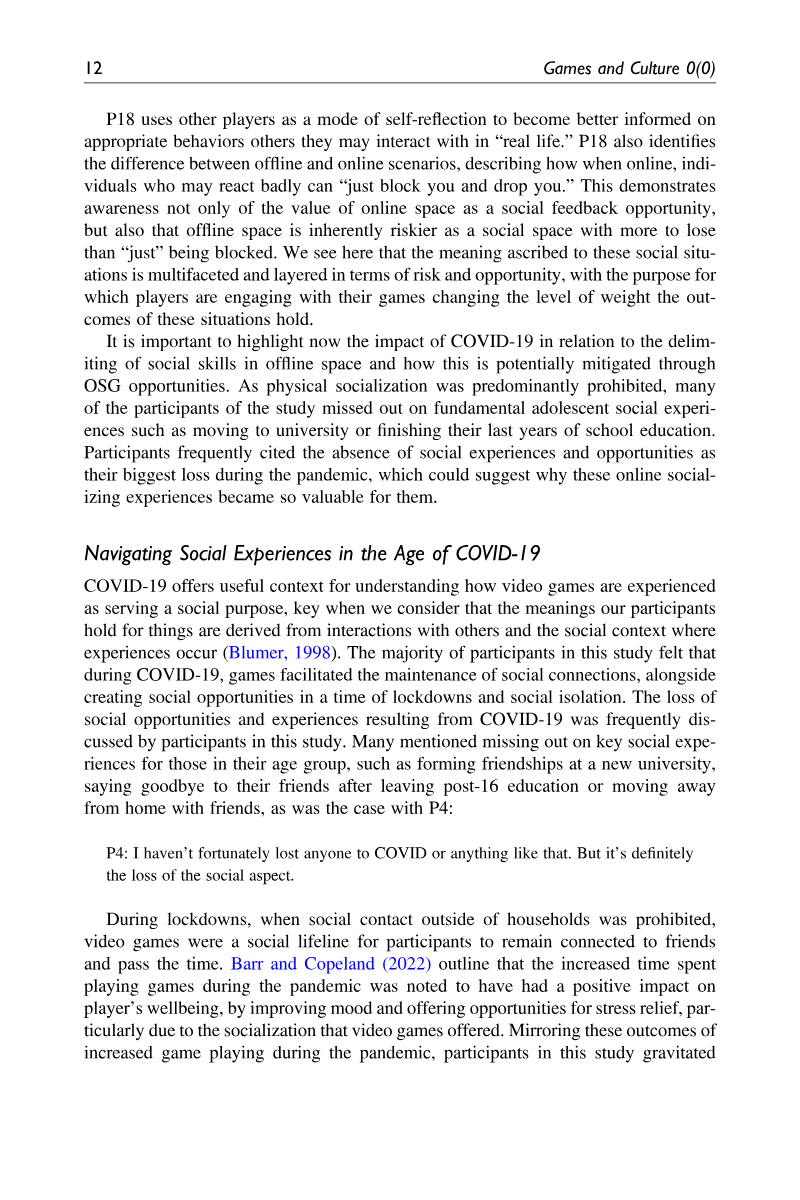
Games and Culture · 2024
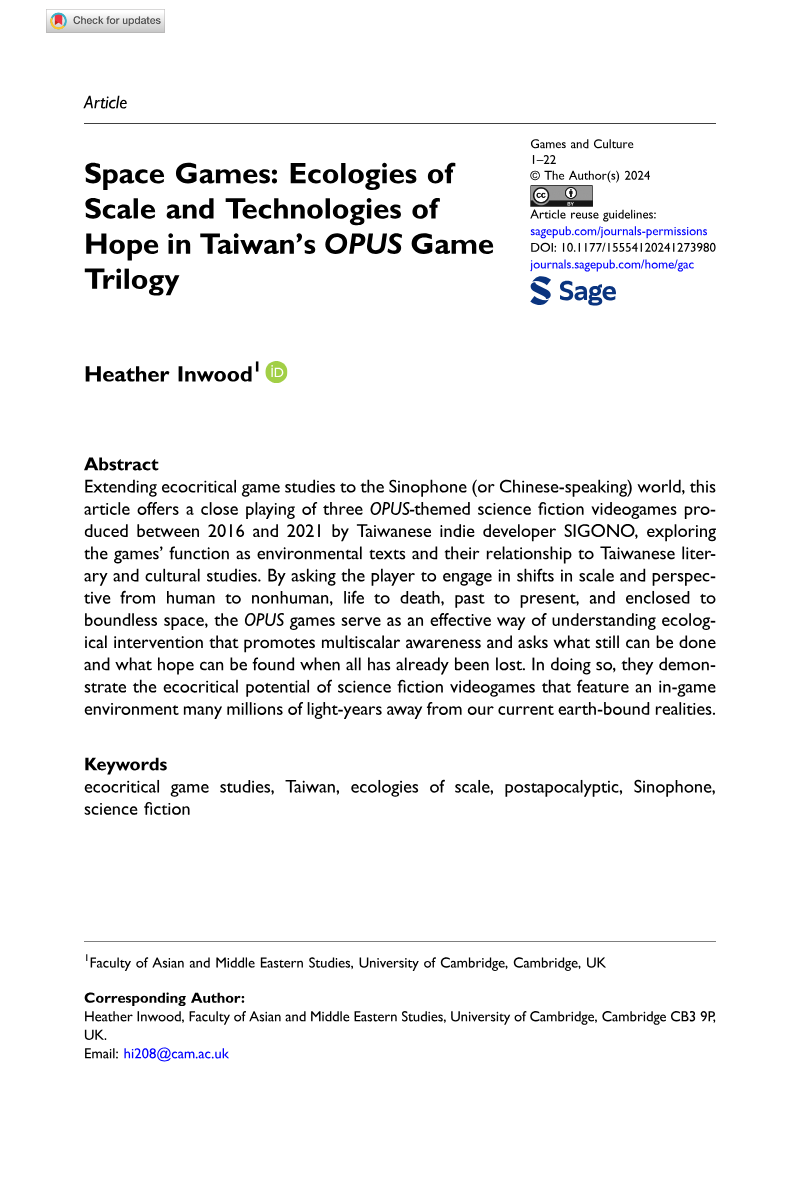
Games and Culture · 2024
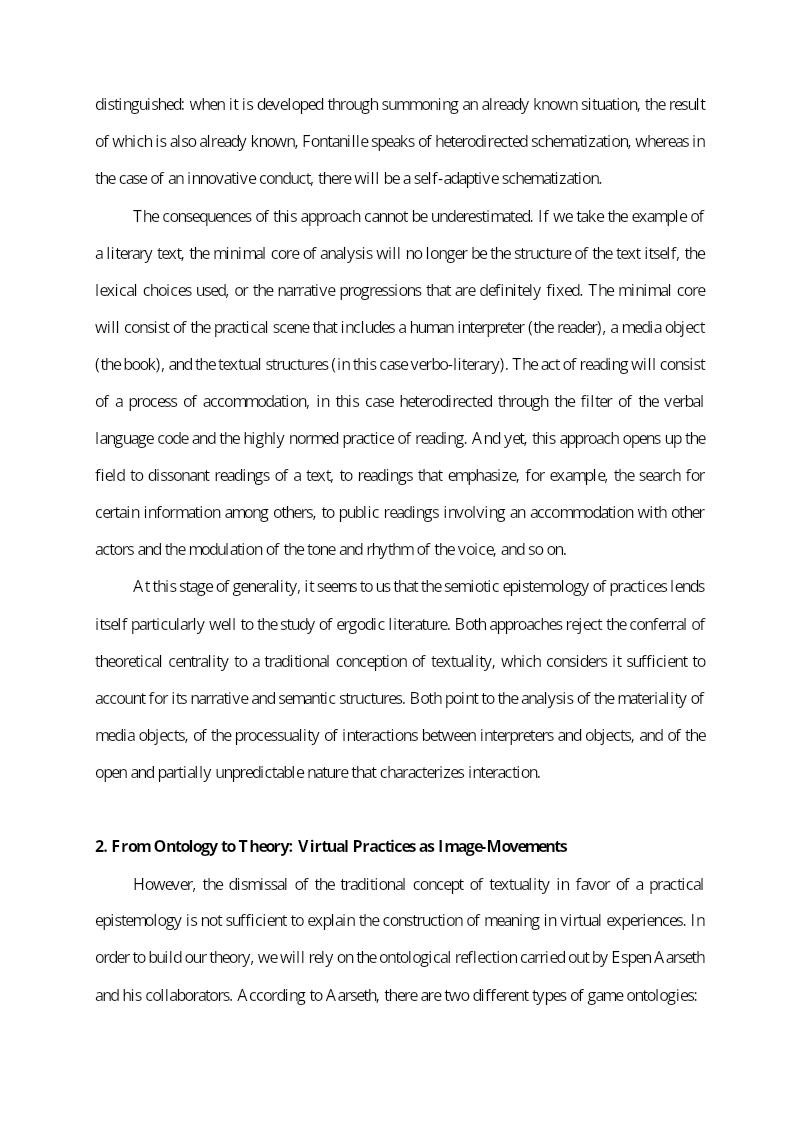
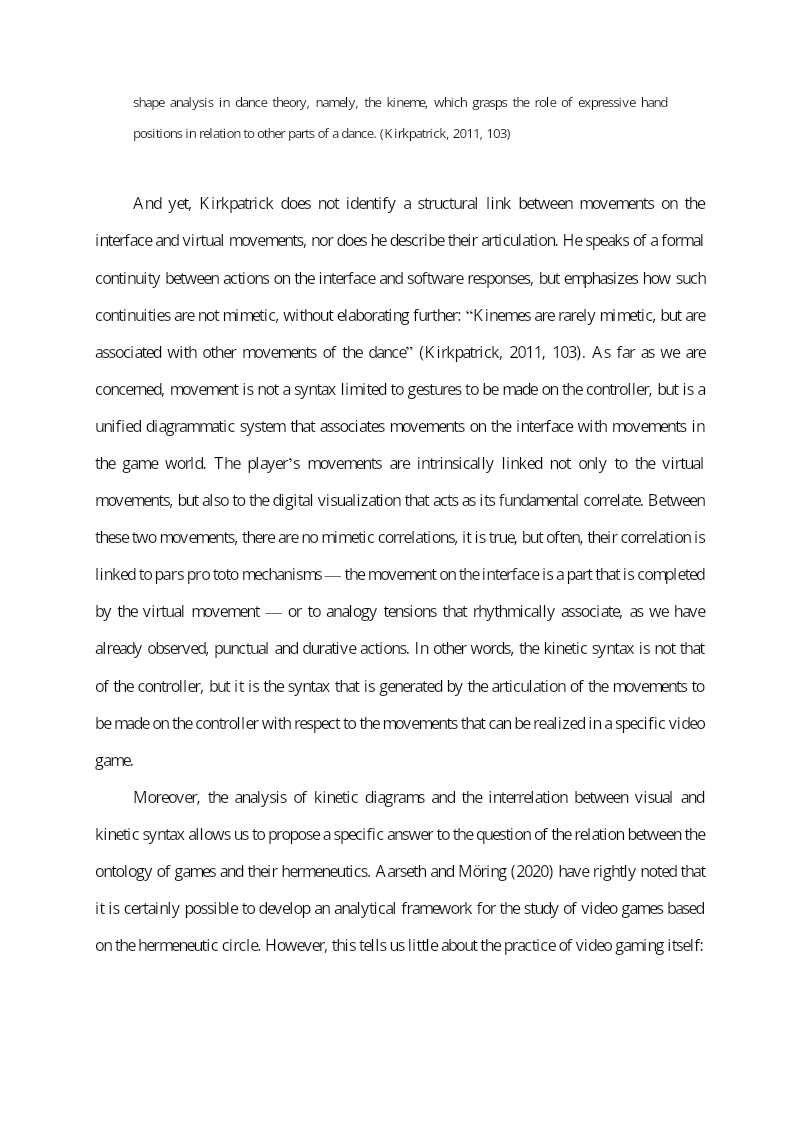
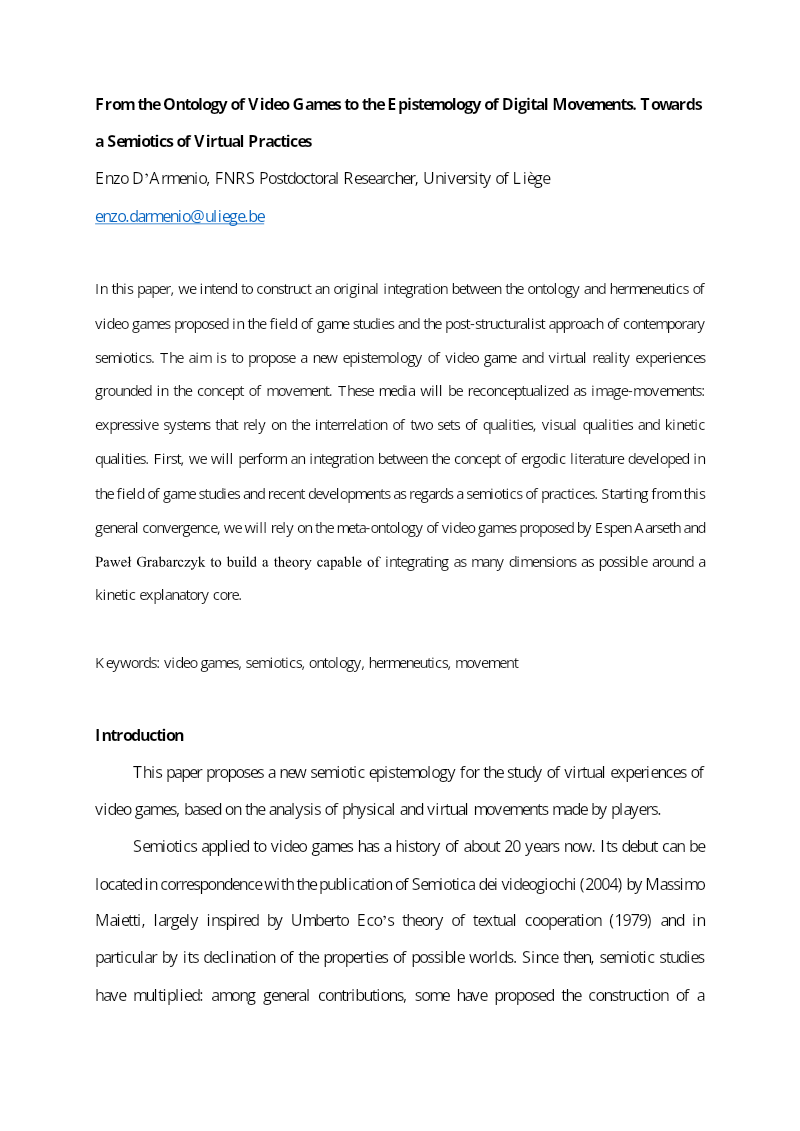
Games and Culture · 2024
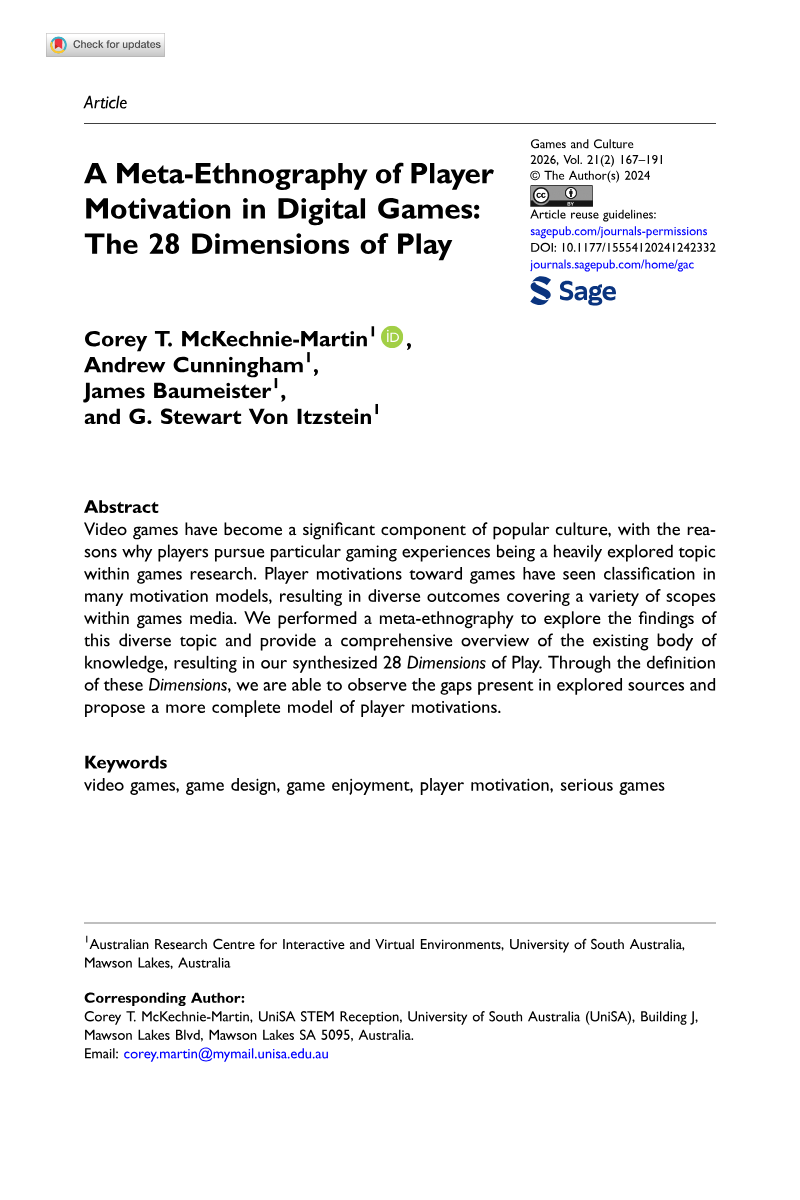
Games and Culture · 2024
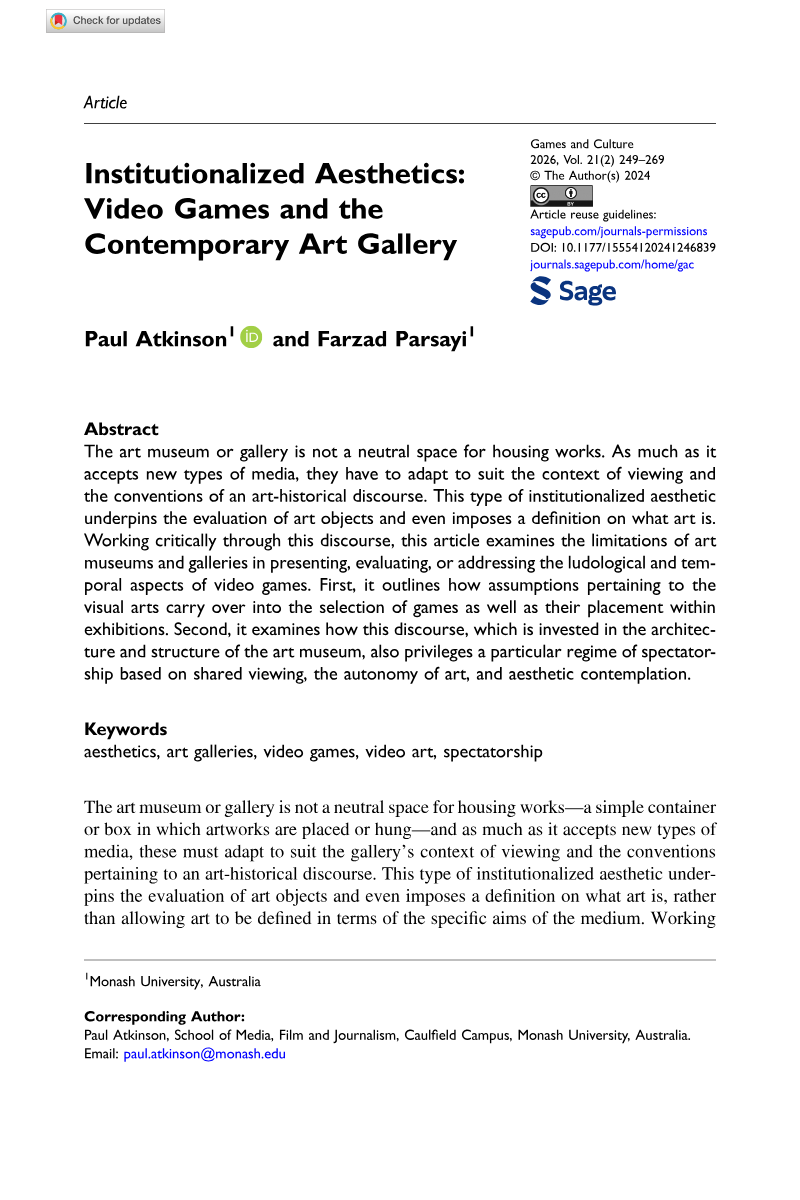
Games and Culture · 2024
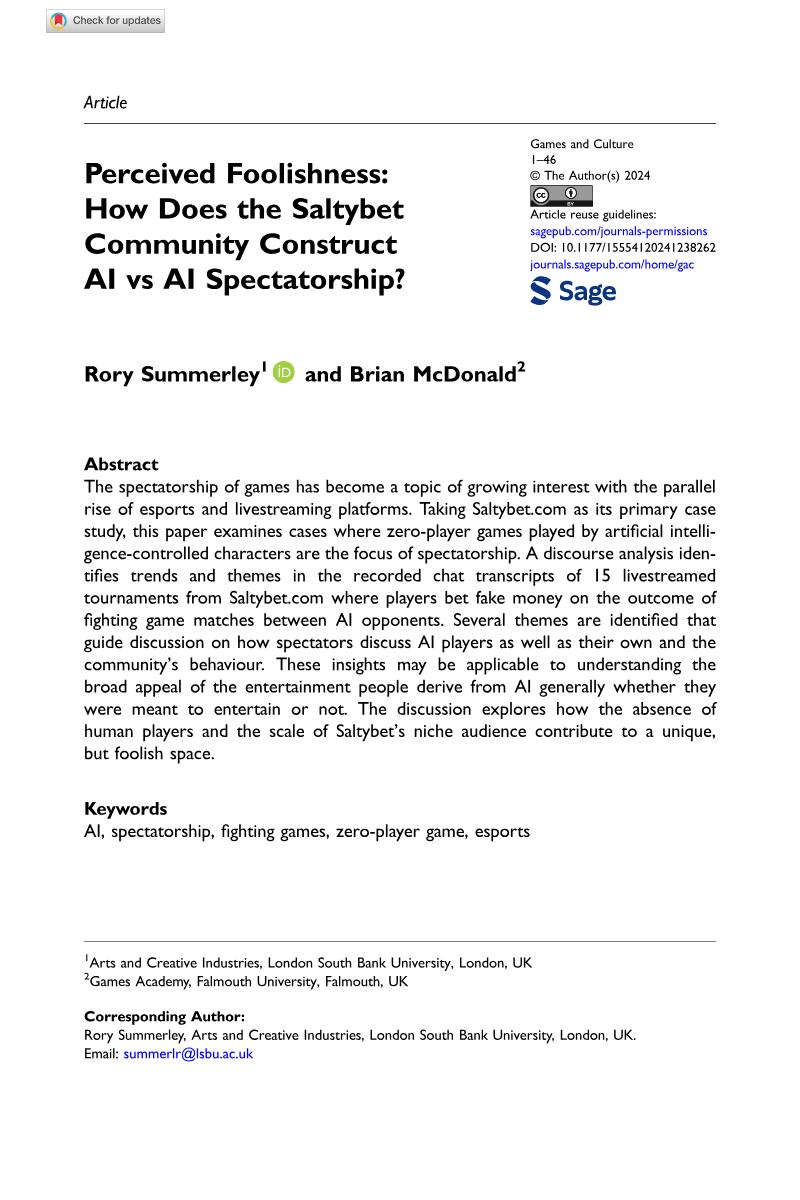
Games and Culture · 2024
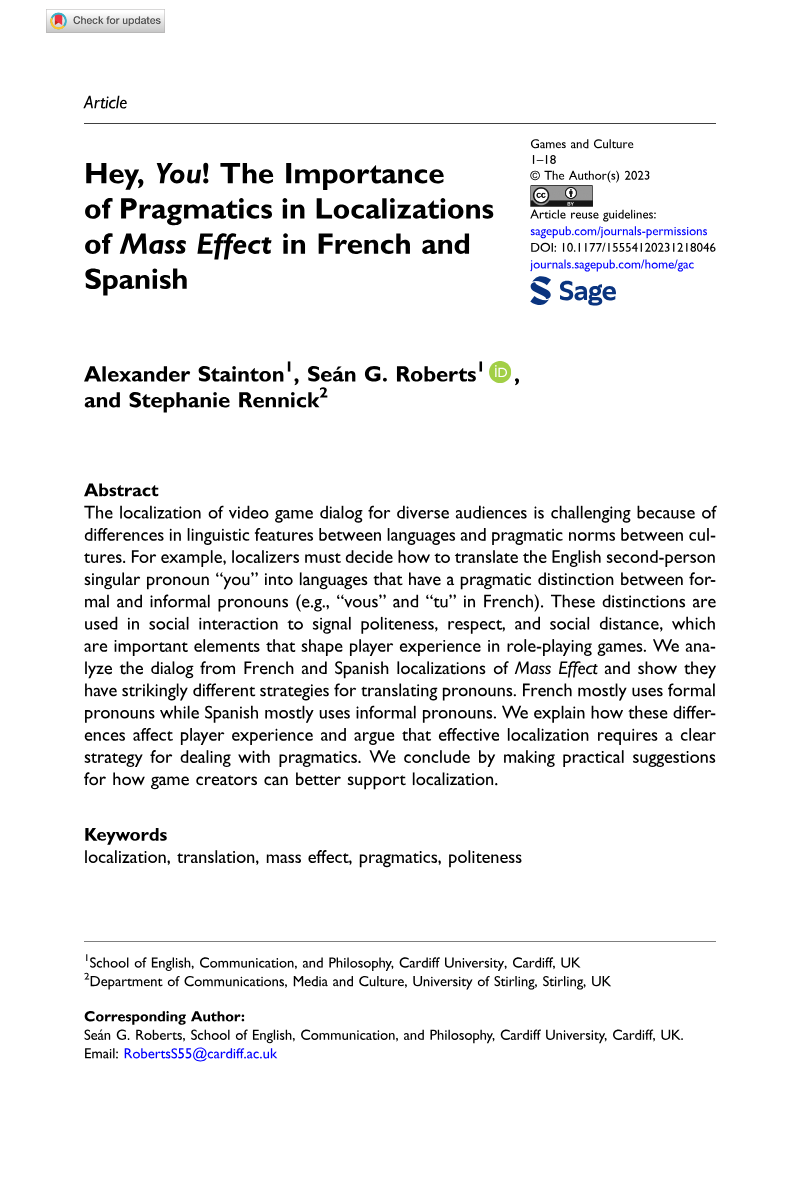
Games and Culture · 2023
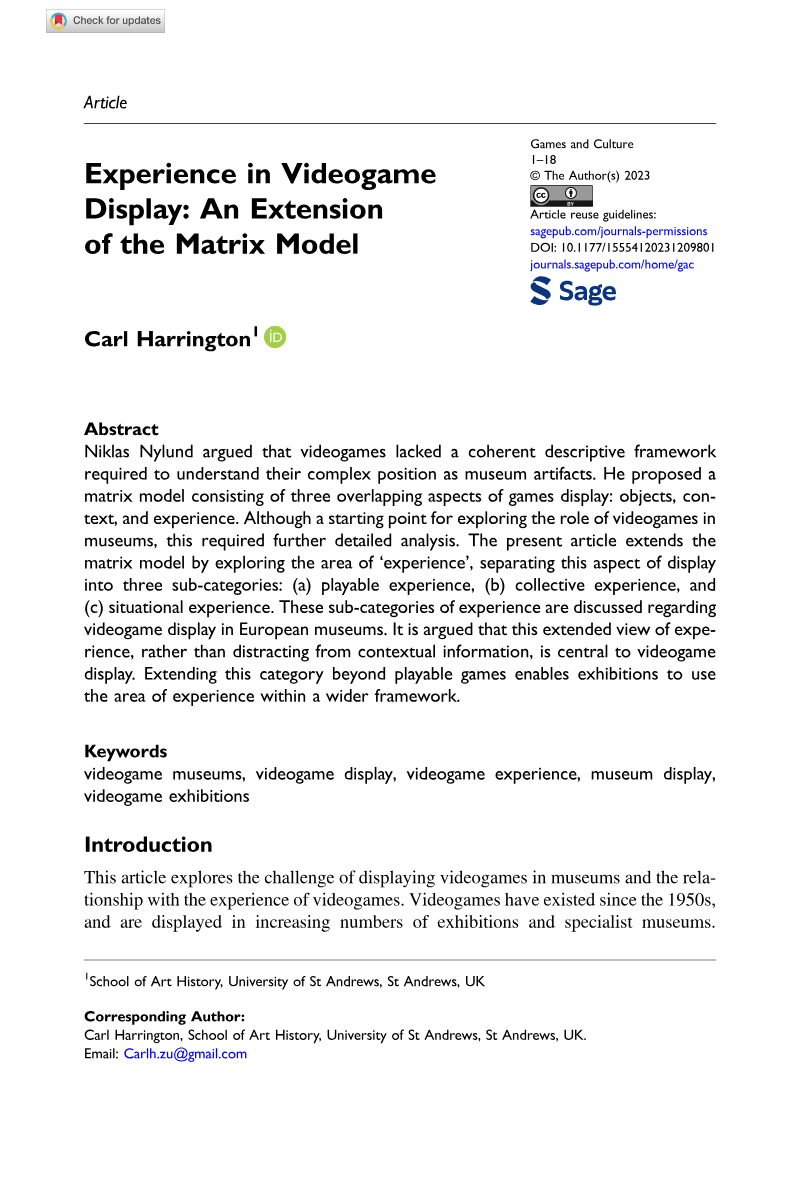
Games and Culture · 2023
Spiel|Formen · 2021