More from Games and Learning Alliance Conference (GALA)
View all
Whitepaper
Conceptualizing Fun as Motivation to Play Video Games
Entertainment Computing · 2026
Whitepaper
Cipher in Classrooms: Evaluating Digital Game-Based Language Learning for Irish Vocabulary Acquisition
Games and Learning Alliance Conference (GALA) · 2024
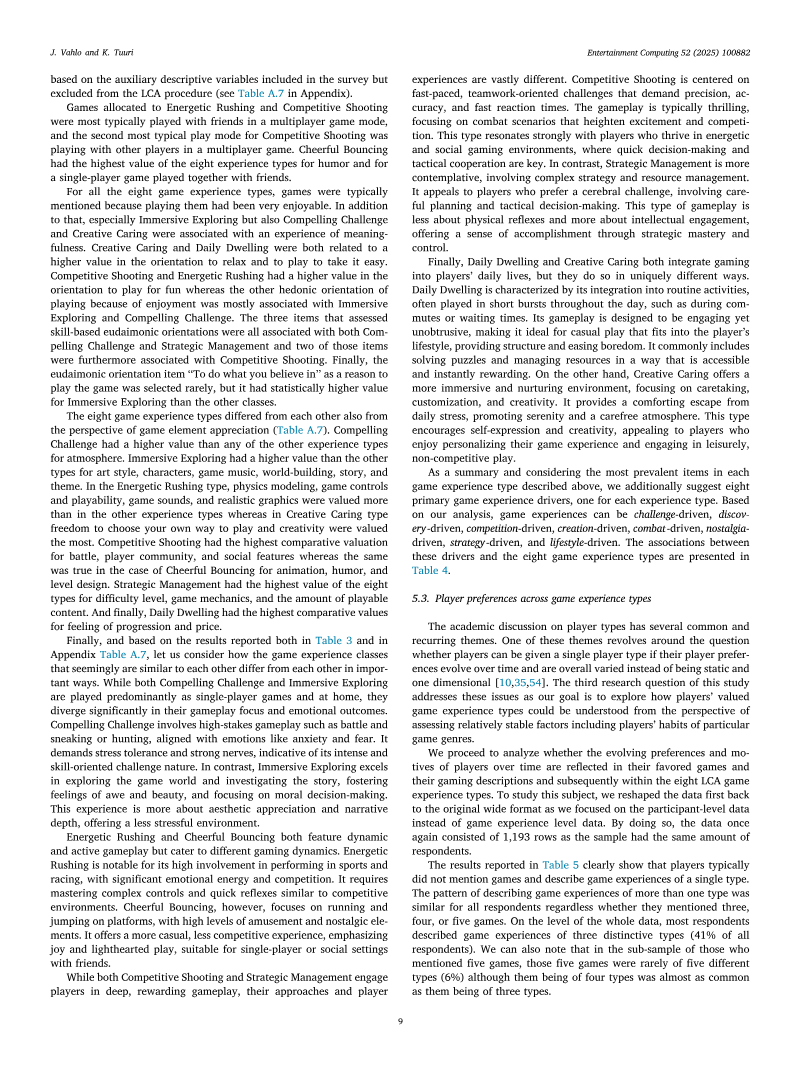
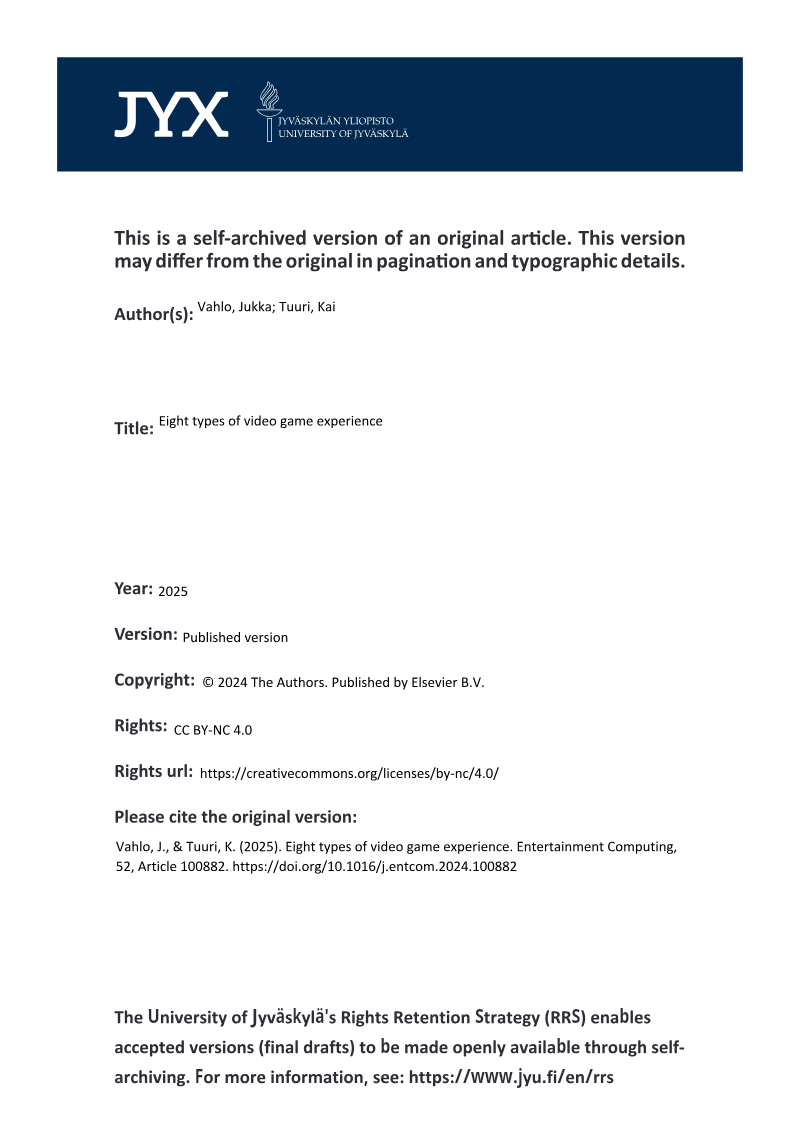
Whitepaper
Eight Types of Video Game Experience
Entertainment Computing · 2024
Article
Aesthetics of Agency and the Rhythm of Gameplay
Games and Culture · 2023
Article
Becoming a Gamer: Performative Construction of Gendered Gamer Identities
Games and Culture · 2021
Whitepaper
Identifying the Impact of Game Music both Within and Beyond Gameplay
University of Jyväskylä · 2021
Article
Let's Play Tinder! : Aesthetics of a Dating App
University of Jyväskylä · 2019
Article
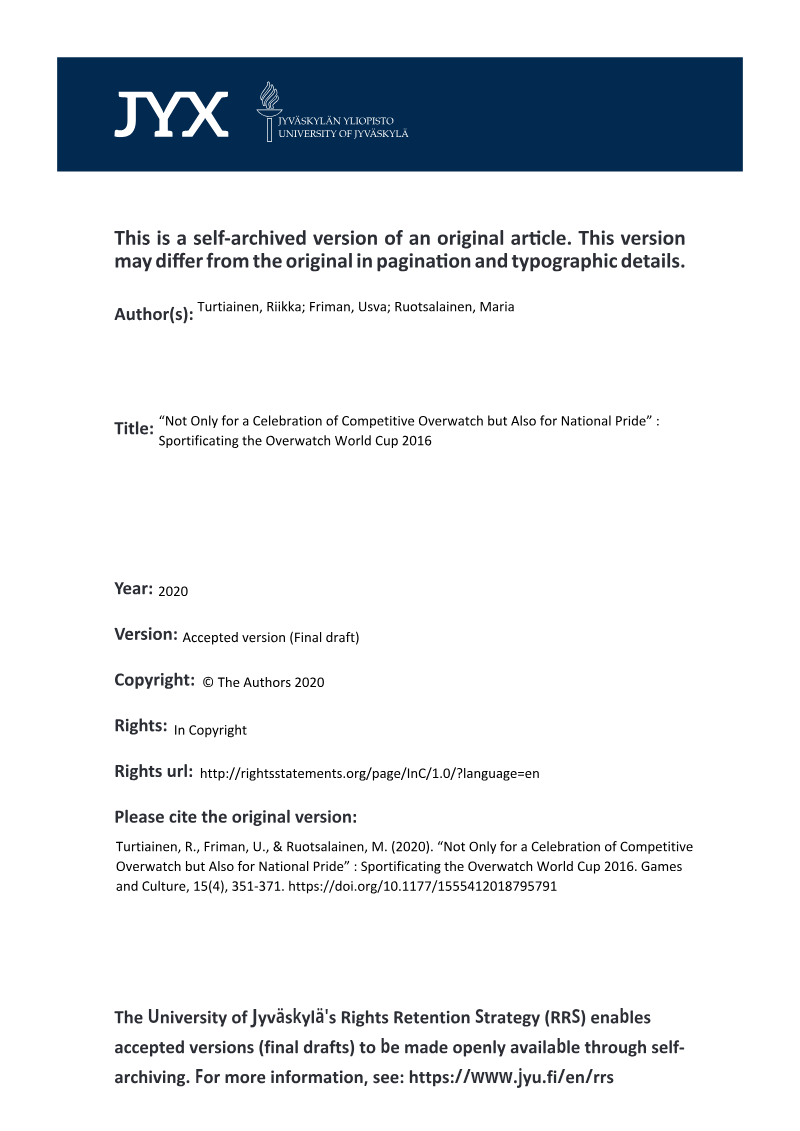
Not Only for a Celebration of Competitive Overwatch but Also for National Pride: Sportificating the Overwatch World Cup 2016
Games and Culture · 2018
Whitepaper
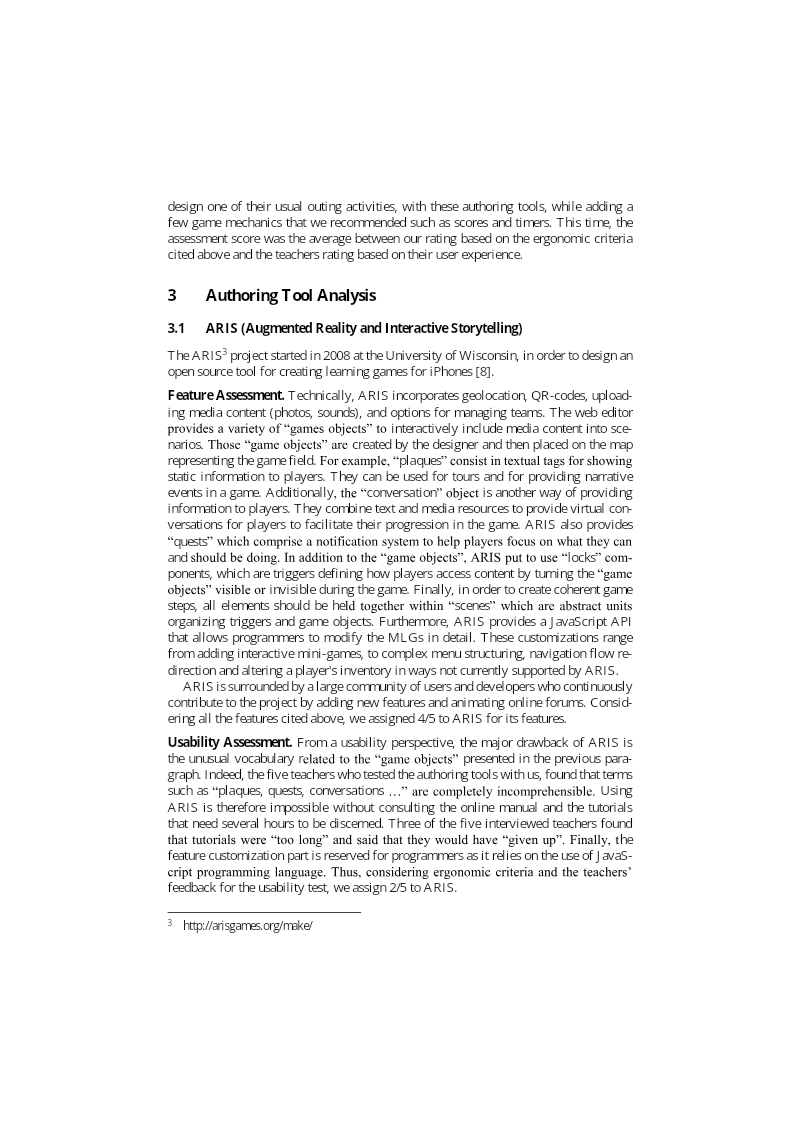
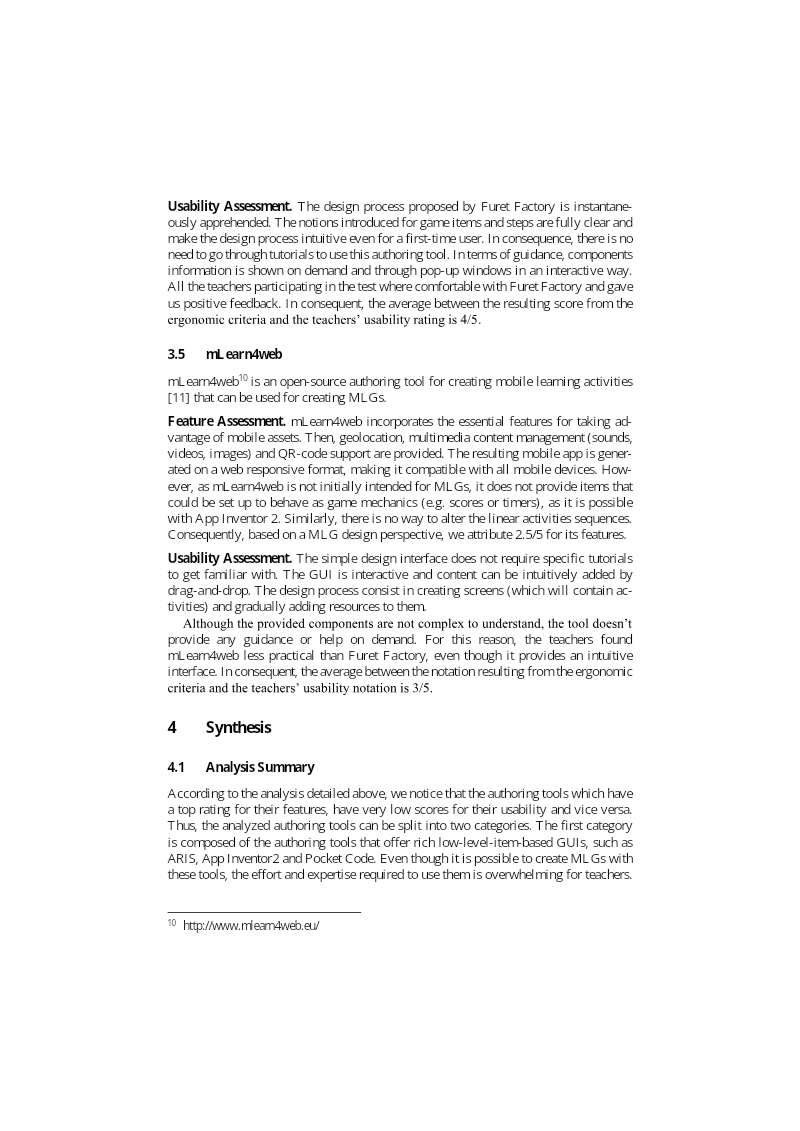
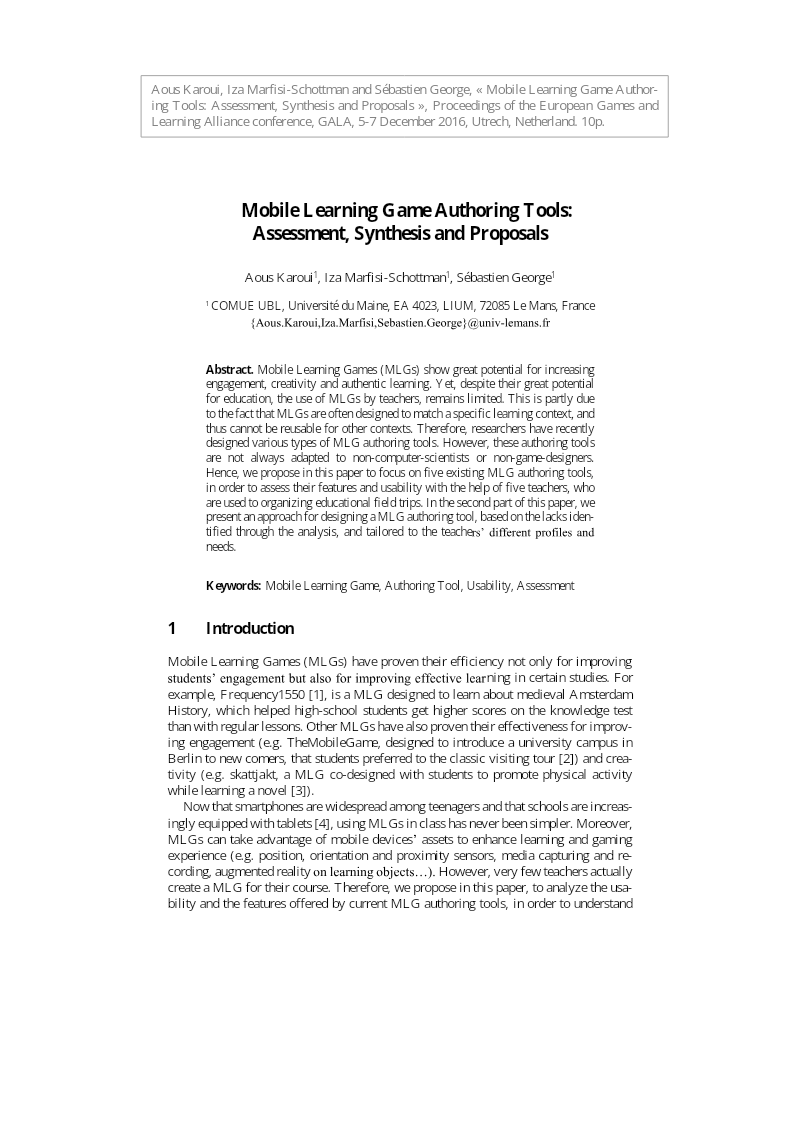
Mobile Learning Game Authoring Tools: Assessment, Synthesis and Proposals
Games and Learning Alliance Conference (GALA) · 2016
Whitepaper
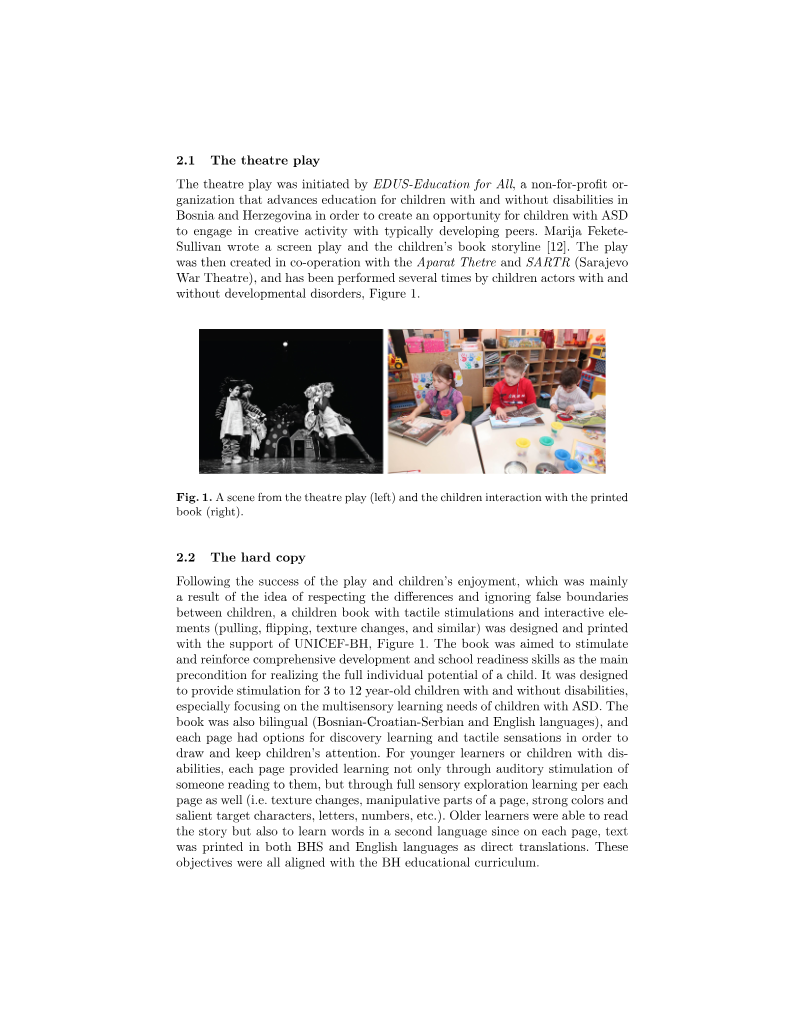
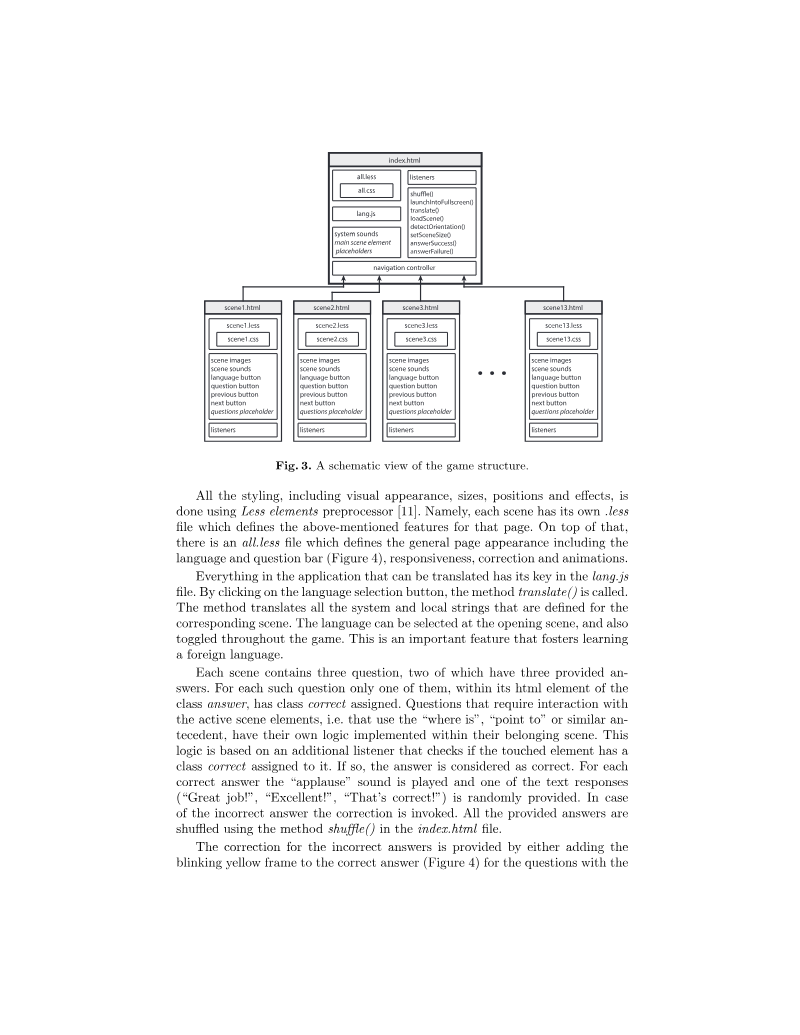
Read, Play and Learn: An Interactive E-book for Children with Autism
Games and Learning Alliance Conference (GALA) · 2016
Whitepaper
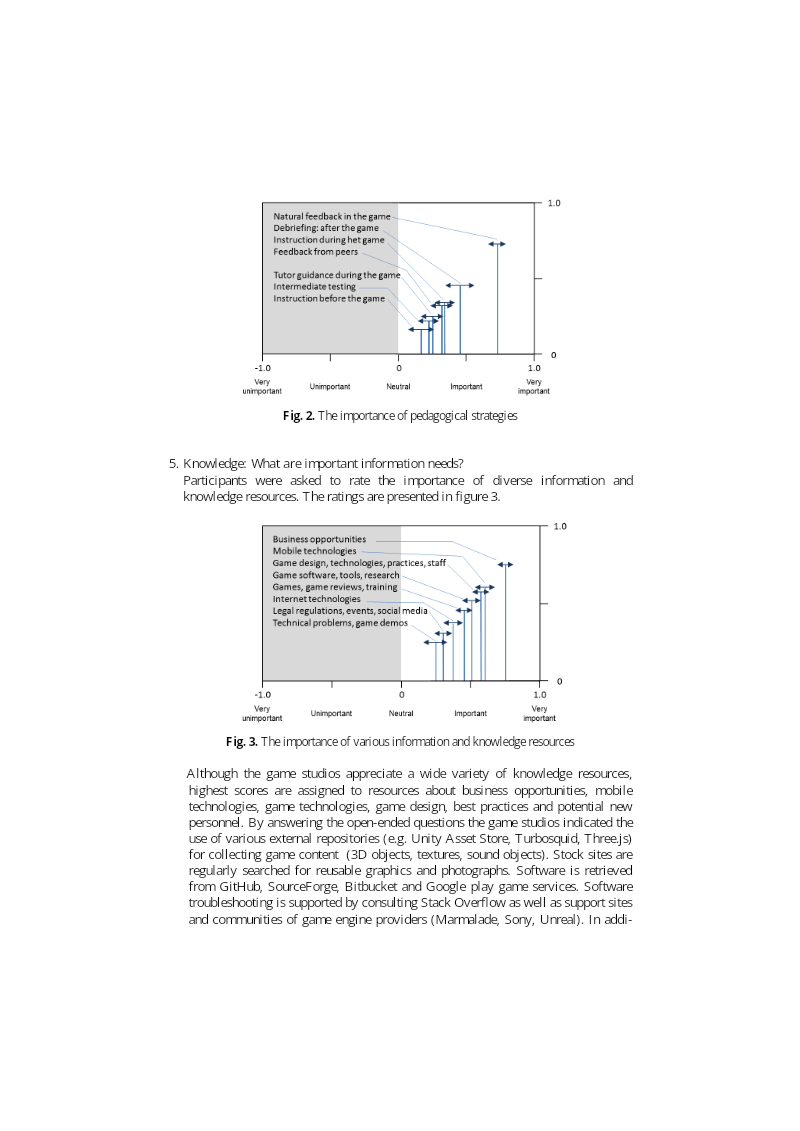
What Serious Game Studios Want from ICT Research: Identifying Developers' Needs
Springer-Verlag · 2016
Article
Azeroth the Homeland: World of Warcraft and the Sense of Belonging
University of Jyväskylä · 2016