More from University of Toronto
View all


Whitepaper
Development and Pre-Validation of a Gamified Virtual Reality Platform for SPECT Education and Training
European Conference on Games Based Learning (ECGBL) · 2026



Whitepaper
Virtual Reality Serious Games and Language Learning: A Quasi-Experimental Study in an Ivorian School Setting
European Conference on Games Based Learning (ECGBL) · 2026



Whitepaper
Implementation Conditions of Board Games as an Educational Technology in the Classroom
European Conference on Games Based Learning (ECGBL) · 2026



Whitepaper
Programming Mechanics in Commercial Games: A Multiple Case Study
European Conference on Games Based Learning (ECGBL) · 2026



Whitepaper
Energy Systems Engineering and Education: A Serious Game for Literacy
European Conference on Games Based Learning (ECGBL) · 2026



Whitepaper
Investigating Educational Escape Room Games in Mathematics: Effects on Achievement and Perceptions
European Conference on Games Based Learning (ECGBL) · 2026



Whitepaper
Searching for the Golden Thread: Game-Based Learning for Awareness of Gender Equity
European Conference on Games Based Learning (ECGBL) · 2026



Whitepaper
Playing for Quality: A Competitive Educational Game for Teaching Unit Testing in Computer Science Education
European Conference on Games Based Learning (ECGBL) · 2026



Whitepaper
From Cultural Game Jams to Applied Jam Models: A Longitudinal Evaluation
European Conference on Games Based Learning (ECGBL) · 2026



Whitepaper
Game-Based Learning for Integrated Care Implementation
European Conference on Games Based Learning (ECGBL) · 2026



Whitepaper
Leveling Up Physics Education with Gamified Virtual Reality Simulations
European Conference on Games Based Learning (ECGBL) · 2026



Whitepaper
A Board Game Approach to Hospitality Career Education in Schools
European Conference on Games Based Learning (ECGBL) · 2026
More on Serious Games
View all
Whitepaper
Playing the Climate Future: Evaluating Climate-adaptation Games for Higher Education
European Conference on Games Based Learning (ECGBL) · 2026
Whitepaper
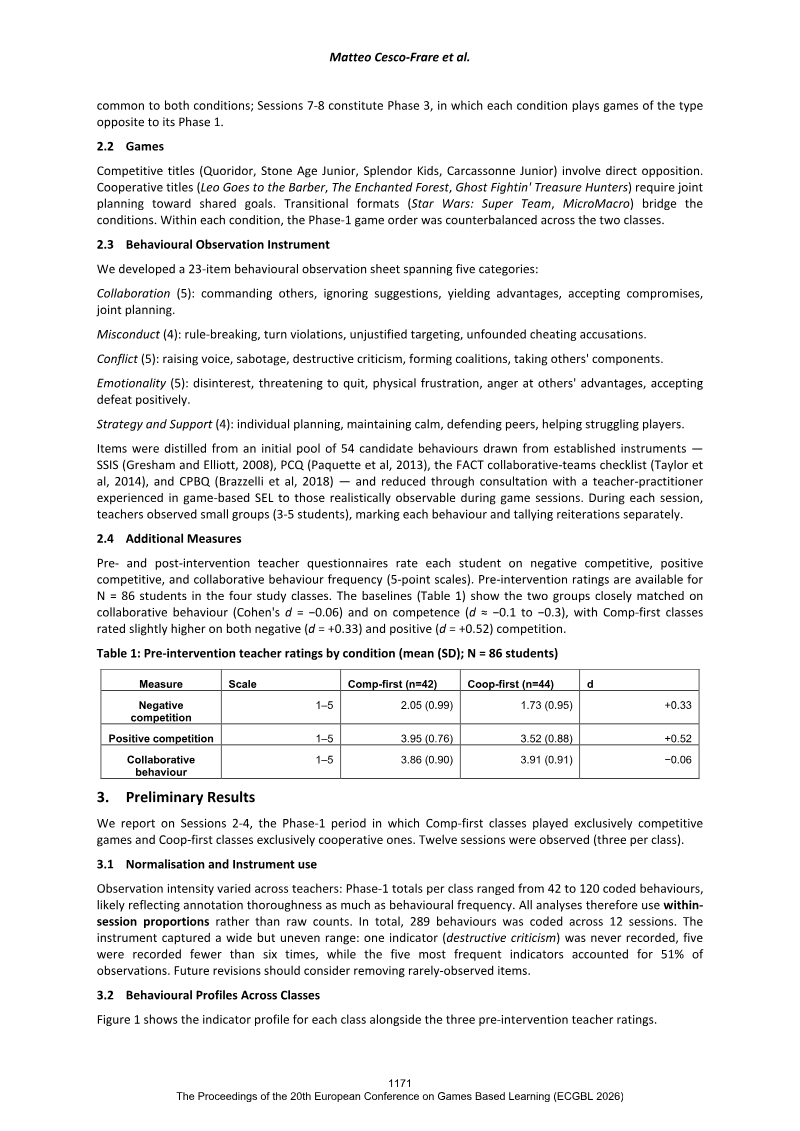
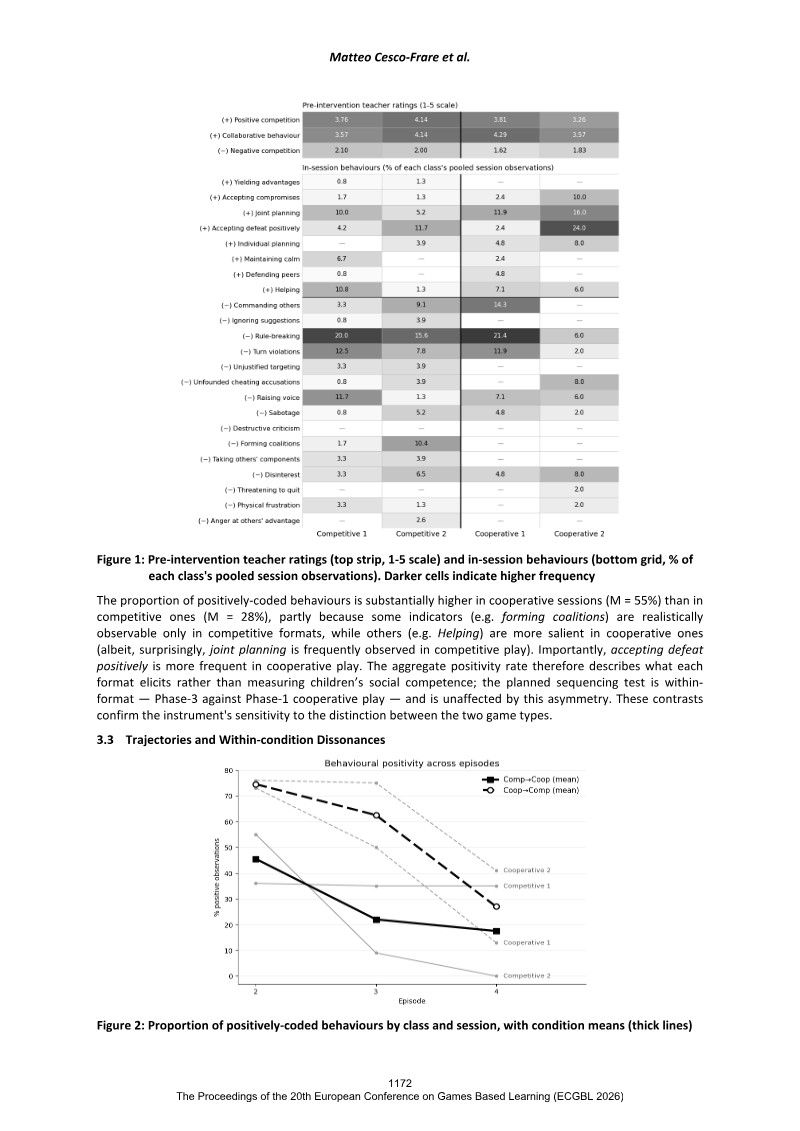
Defeat Means Friendship: Does Competitive Play Prepare Children for Cooperation?
European Conference on Games Based Learning (ECGBL) · 2026