
ArticleGame Production Alchemist
How I Stopped Hating Commitment Dates: The Slow Walk from PERT to Flow Metrics
10 Jun 20261 pages~11 min full read
This analysis examines the limitations of traditional game production forecasting methods and advocates for a transition toward flow-based metrics. The central thesis posits that conventional estimation techniques, such as Program Evaluation and Review Technique (PERT) and standard Monte Carlo simulations applied to subjective baselines, are fundamentally flawed due to the planning fallacy and the inherent bias of human estimation. By relying on these methods, producers often engage in reverse-engineering dates to satisfy external pressures rather than providing accurate, data-driven forecasts.
The analysis highlights that traditional approaches fail because they apply rigorous mathematical models to biased, speculative inputs. Even when using Monte Carlo simulations, the output remains unreliable if the underlying baseline is a guess. To improve predictability, the author argues for shifting to flow-based metrics—specifically cycle time, throughput, and work-in-progress (WIP) data—derived directly from existing project management systems like Jira or Azure DevOps. By running Monte Carlo simulations against historical performance data rather than estimates, producers can generate probability-based forecasts that are defensible and objective.
Successful implementation of this methodology requires a disciplined environment, including the enforcement of WIP limits, the maintenance of stable development processes, and high-quality data hygiene. While this approach does not eliminate the external pressure of fixed deadlines, it transforms the nature of the conversation with stakeholders. By presenting a probability curve based on actual team performance, producers can move from defending arbitrary dates to facilitating informed discussions regarding scope, resources, and constraints. This shift fosters a more transparent, recalibratable relationship between production teams and leadership, ultimately reducing the stress associated with project commitments.

Game Production Alchemist · 2026

Game Production Alchemist · 2026

Game Production Alchemist · 2026

Game Production Alchemist · 2026

Game Production Alchemist · 2026

Game Production Alchemist · 2026

Game Production Alchemist · 2026

Game Production Alchemist · 2026

Game Production Alchemist · 2026

Game Production Alchemist · 2026

Game Production Alchemist · 2026

Game Production Alchemist · 2026

Room 8 Group · 2024

GameAnalytics

East Side Games
Poki · 2026
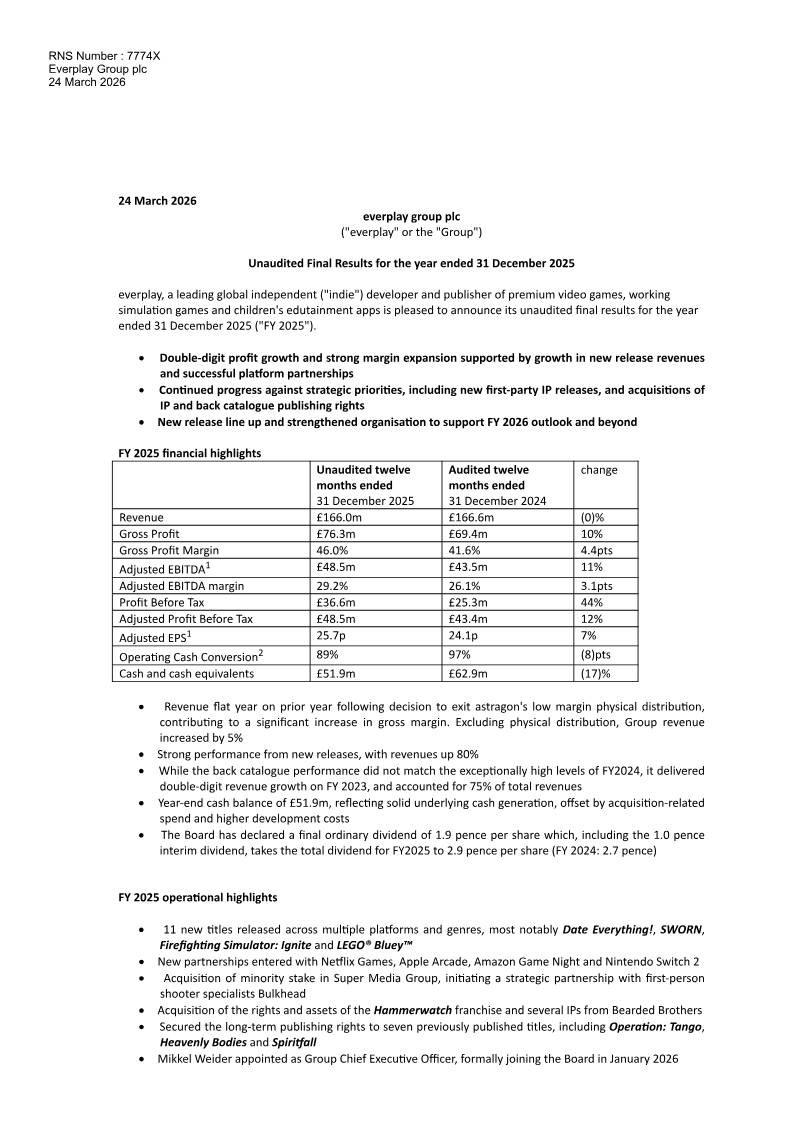
Everplay Group · 2026

BITKRAFT Ventures · 2026
Take-Two Interactive · 2026
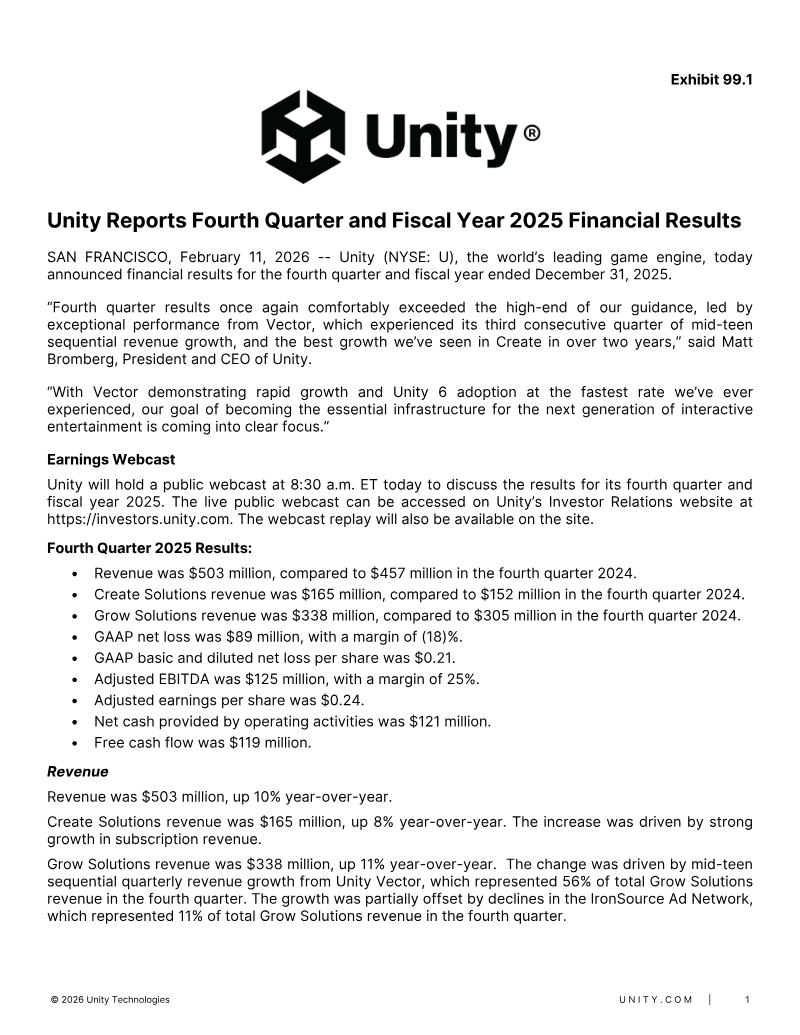
Unity · 2026

Sensor Tower · 2026
Poki · 2026
InvestGame · 2025
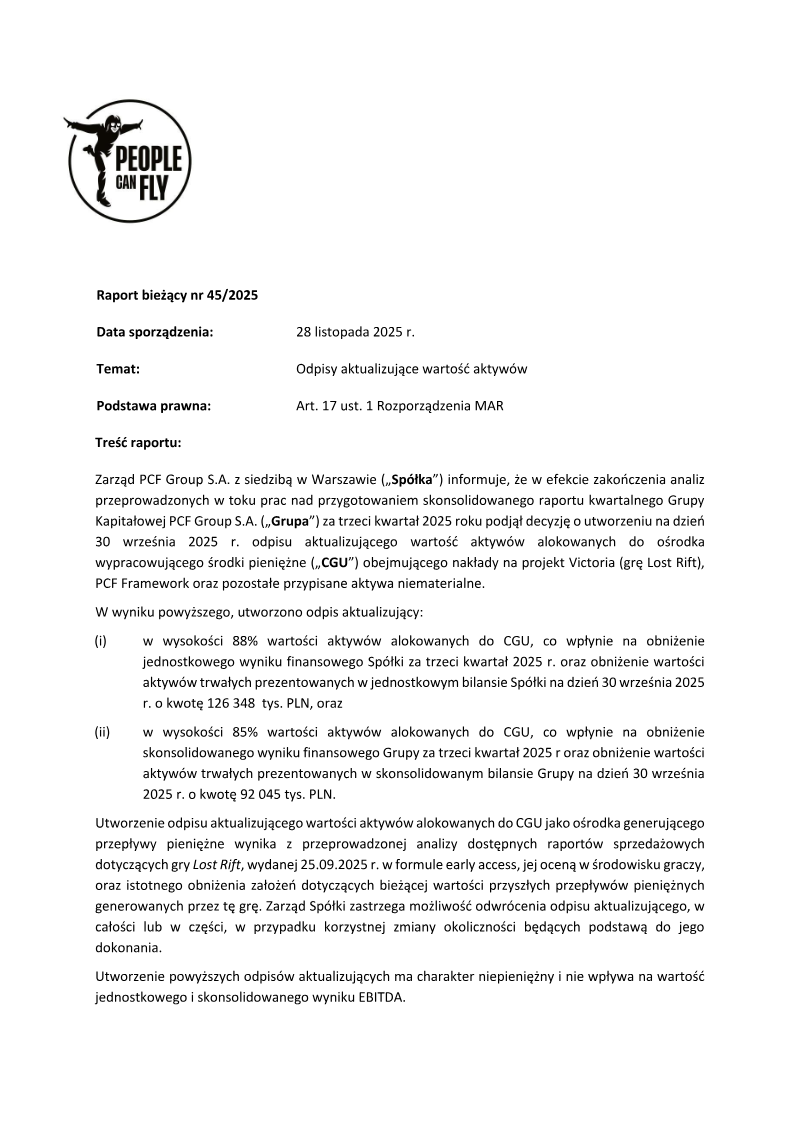
PCF Group · 2025