
Le Guide du PEGI: France
1 pages~7 min full read
The Pan European Game Information (PEGI) guide serves as a comprehensive resource for understanding the standardized classification system used to inform consumers about video game content. Developed by the Interactive Software Federation of Europe (ISFE) to address historical concerns regarding the suitability of gaming content for younger audiences, the system provides a transparent framework for age ratings and content descriptors. Since December 2015, this classification system has been officially recognized and homologated by the French Ministry of the Interior.
The scope of the PEGI system is extensive, currently encompassing 38 European countries. It functions as an independent, industry-led initiative designed to protect users from inappropriate content while providing clear, actionable information to families and public institutions. The classification process involves rigorous evaluation by specialized bodies, including the Netherlands Institute for the Classification of Audiovisual Media (NICAM) and the Video Standards Council (VSC), ensuring that ratings remain consistent and reliable across diverse markets.
The guide functions as an educational tool, detailing the history of the system, the technical methodology behind content assessment, and the roles of various expert commissions involved in the process. By outlining the specific criteria for age ratings and descriptive labels, the resource aims to foster responsible gaming practices. It emphasizes the importance of parental control and informed decision-making, reflecting the industry's commitment to transparency and consumer protection in an increasingly popular and complex digital entertainment landscape.

SELL – Syndicat des Éditeurs de Logiciels de Loisirs · 2025

SELL – Syndicat des Éditeurs de Logiciels de Loisirs · 2025

SELL – Syndicat des Éditeurs de Logiciels de Loisirs · 2023

SELL – Syndicat des Éditeurs de Logiciels de Loisirs
CyberAgent · 2024
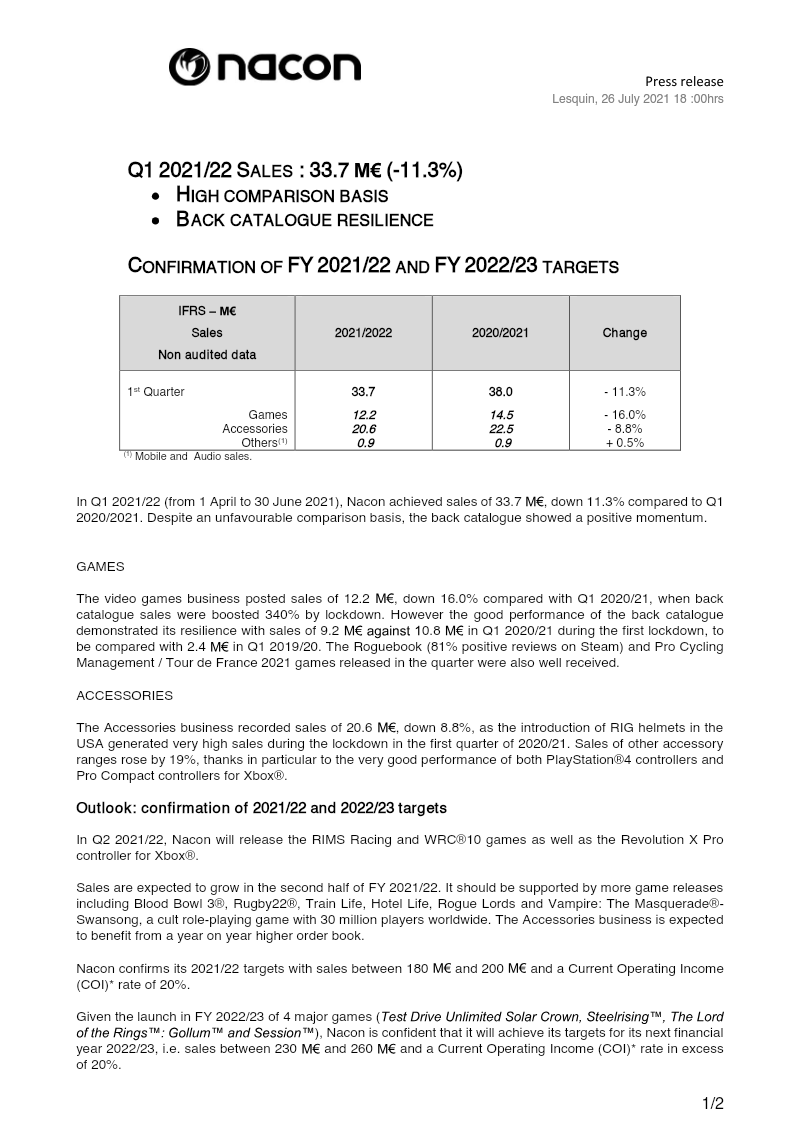
Nacon · 2021
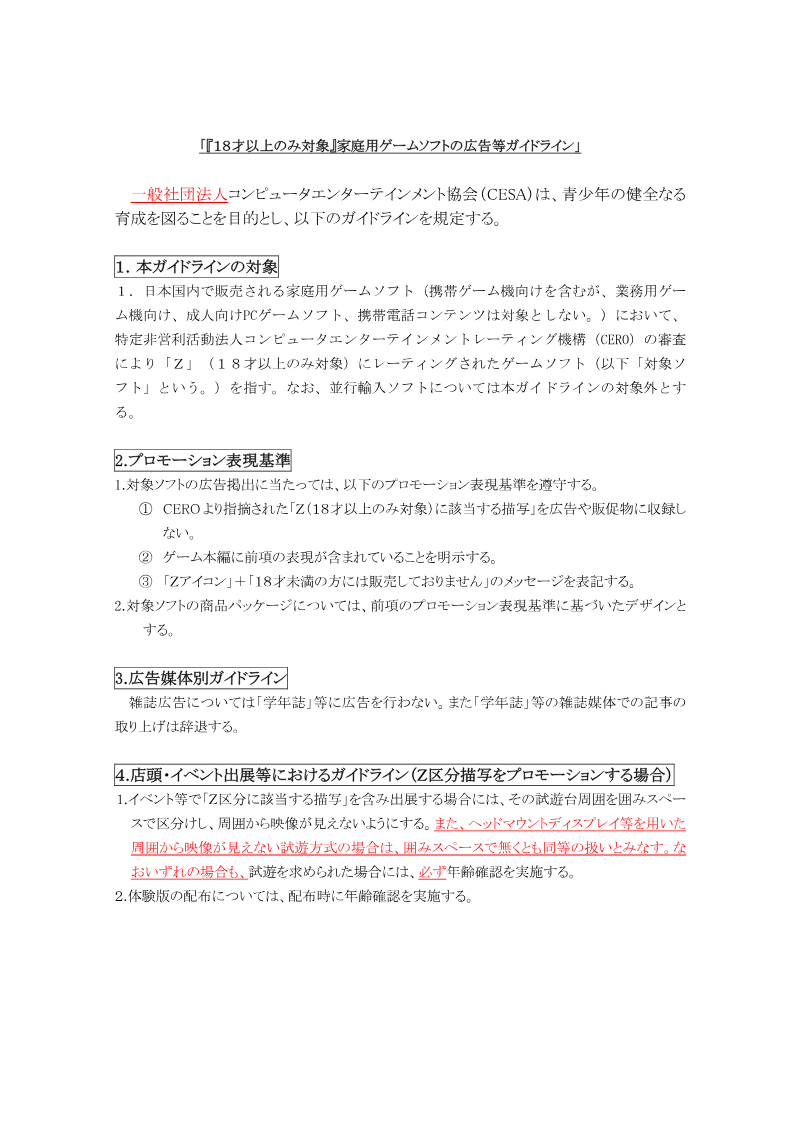
CESA – Computer Entertainment Supplier's Association · 2008

GEEIQ · 2026

Gamesight · 2026

SocialPeta · 2026
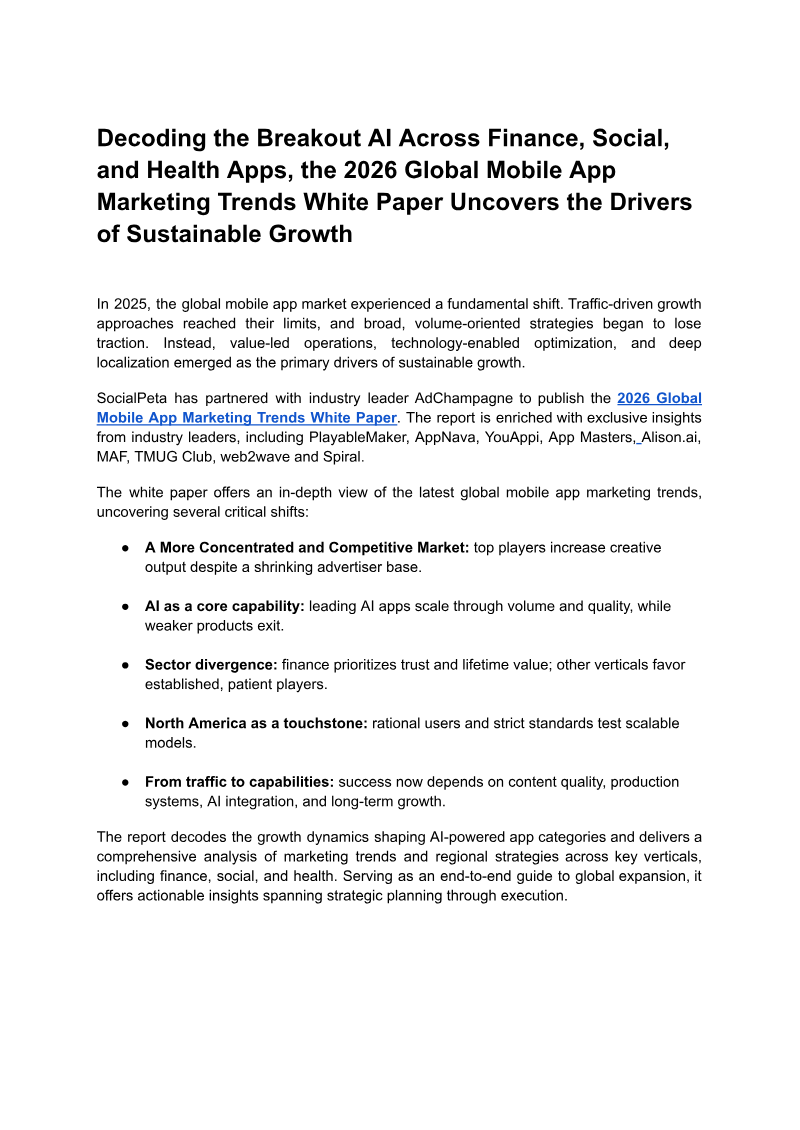
SocialPeta · 2026

Anzu · 2026

SocialPeta · 2026

Raptive · 2026

Decision Lab · 2026
InvestGame · 2026