1 free read left. Create a free account for unlimited reading + AI research.
Create free accountWhitepaper DiGRA
1 free read left. Create a free account for unlimited reading + AI research.
Create free accountWhitepaperDiGRA
U.S. Gold was founded in Birmingham in 1984. Its catalogue included Japanese arcade titles such as Sega's OutRun and Capcom's 1943: Battle of Midway.
This paper examines the British games publisher U.S. Gold, founded in Birmingham in 1984, and its role in marketing American identity to European players through a catalogue that included Japanese arcade titles reimagining America, such as Sega's OutRun and Capcom's 1943: Battle of Midway. The authors frame the company as a node within what they call the "ludoindustrial complex," a network linking videogame production to global consumption and cultural desire. Their central argument is that U.S. Gold transformed the American Dream of freedom and success into a pleasurable, aspirational consumer experience, and that this pleasure functioned as a form of ideology that concealed the geopolitical and material asymmetries underlying its production.
The analysis draws on theories of conspicuous consumption, affect, and cultural reception to argue that these pleasures intersected across class, gender, and geography. In Thatcherite Britain, owning home computers such as the Commodore 64 signaled technological literacy and social aspiration, and U.S. Gold's "All American Software" branding promised working- and middle-class players access to a transatlantic lifestyle otherwise out of reach. The authors contend that British consumers were purchasing an aestheticised idea of America rather than America itself, combining surf culture, neon imagery, and fast cars into a pleasure that was both ironic and sincere, and that players negotiated identity through play in ways that could either reinforce or resist hegemonic whiteness, masculinity, and Western modernity.
The study's evidence base consists of archival material, game packaging, advertisements, and magazine coverage. A notable finding concerns marketing scale: U.S. Gold reportedly spent five times as much on magazine advertising as its nearest competitor, building an immersive promotional ecosystem that merged print spreads, competitions, and arcade conversions. The authors describe this as a ritual of affective investment, situating retail browsing within a cruelly optimistic logic in which pleasure depends on identification with an unattainable fantasy. The paper concludes that the pleasures of play are inseparable from the pleasures of consumption, and that in the global games marketplace, play itself becomes a form of desire and consumption.
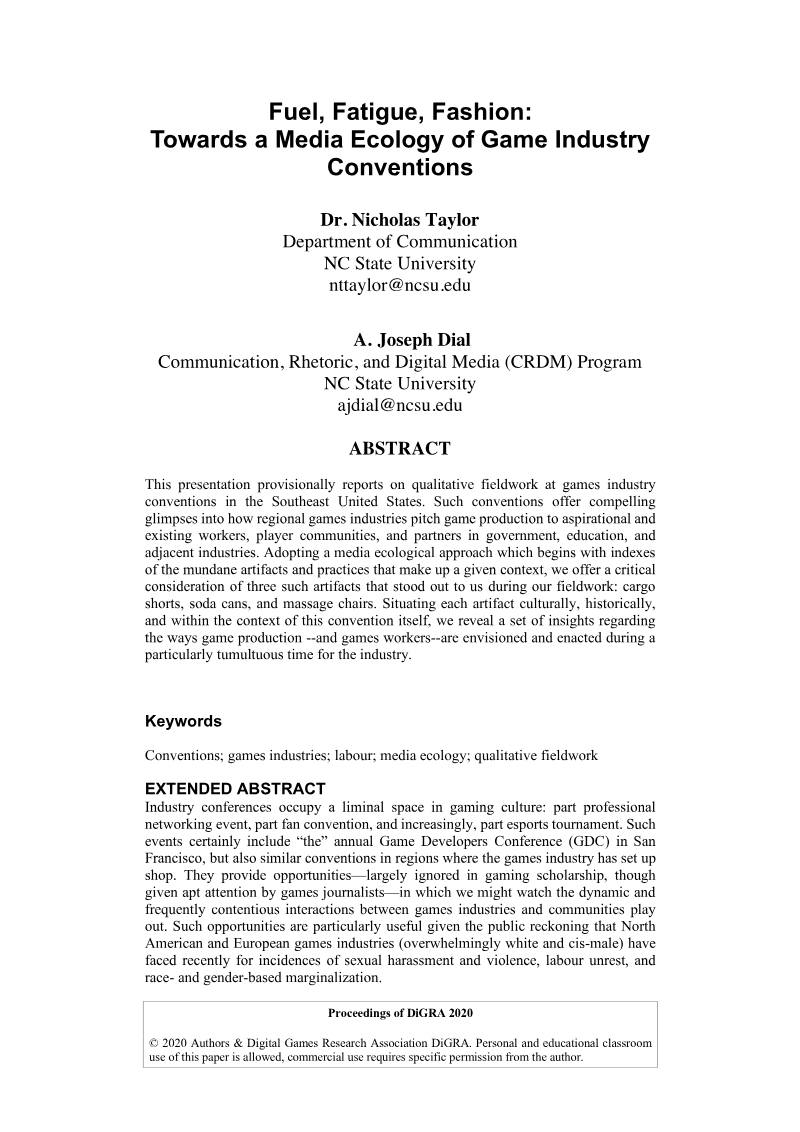
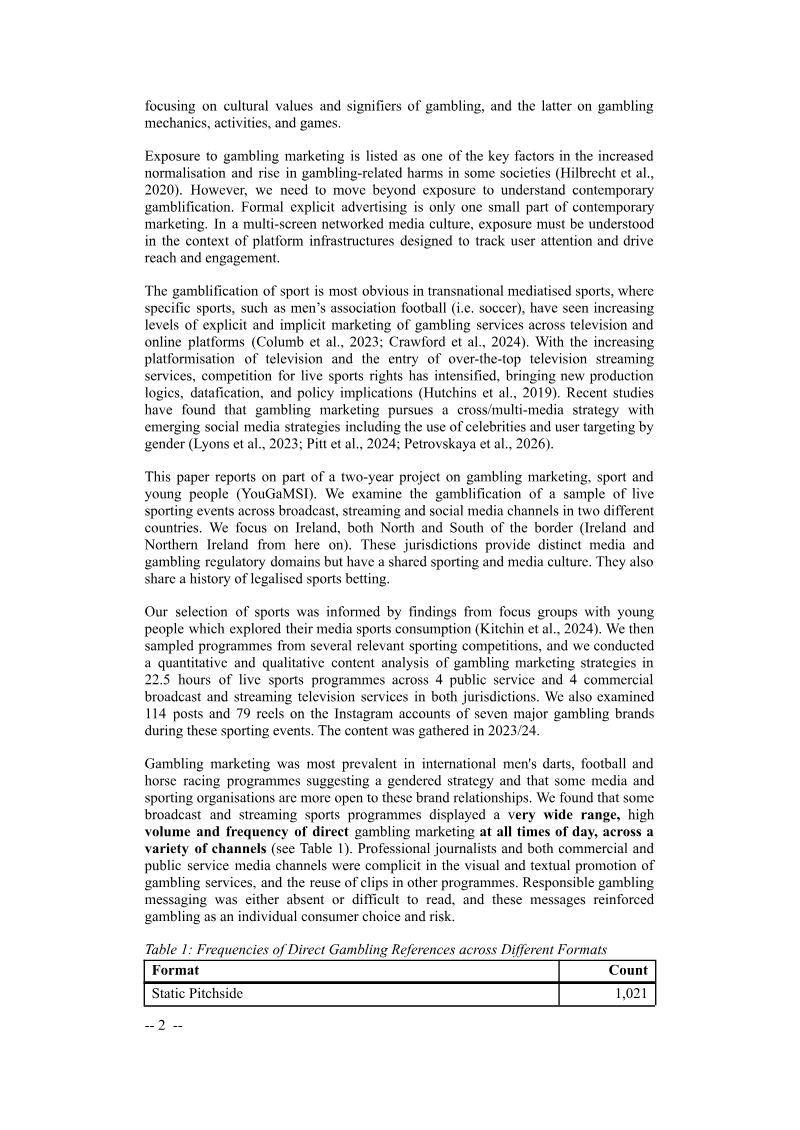
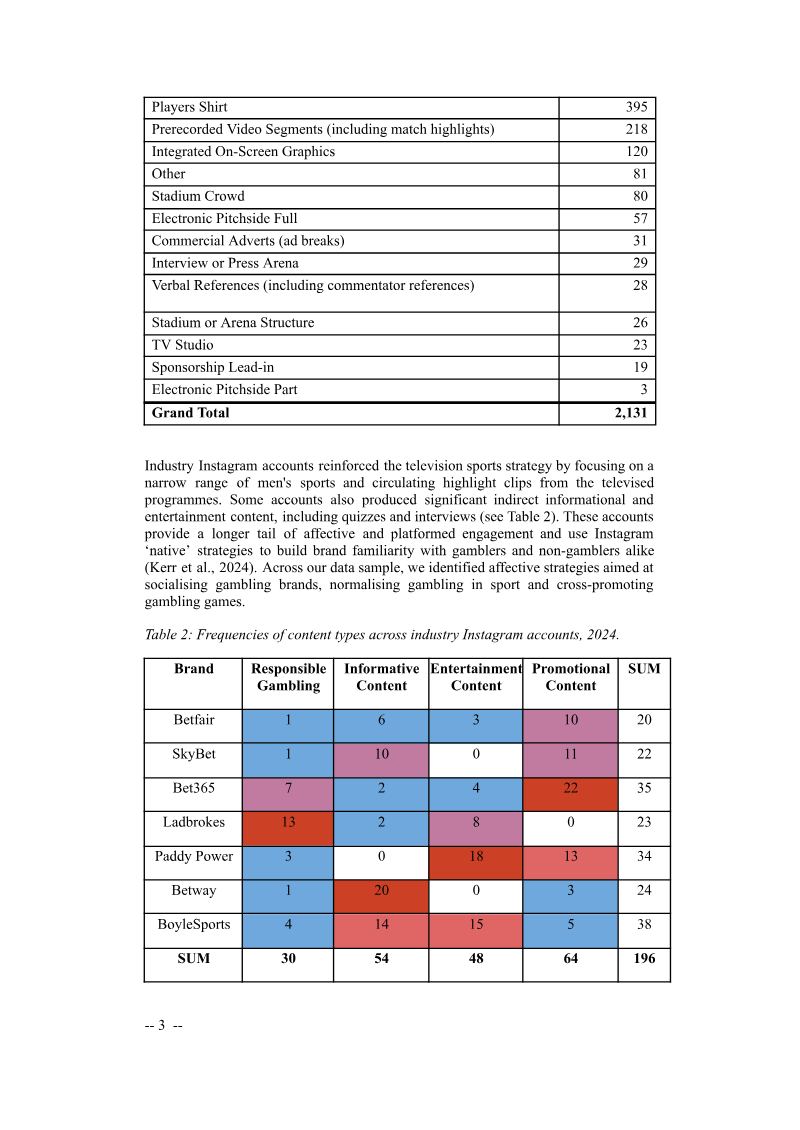
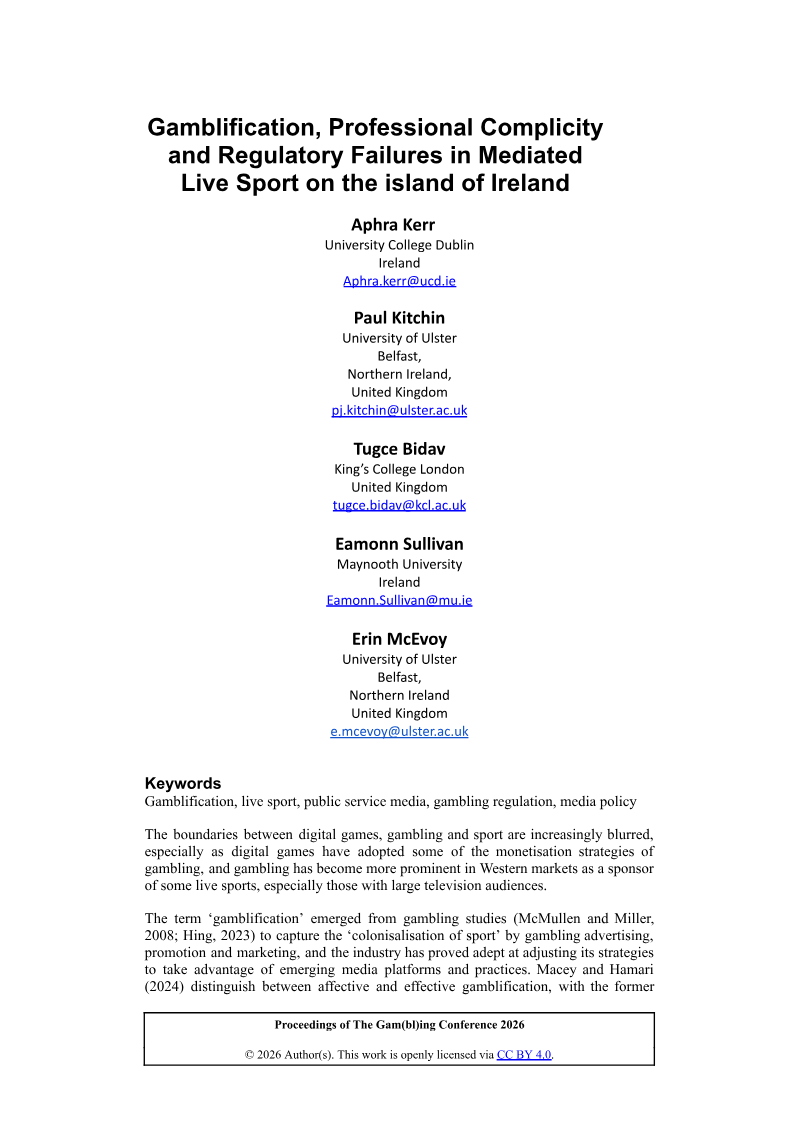
Each row is a game or company this document names, each column a document, oldest first. A mark means that document names it. Select a row to see those documents.

DiGRA · 2026

DiGRA · 2026



DiGRA · 2026
DiGRA · 2022