1 free read left. Create a free account for unlimited reading + AI research.
Create free account
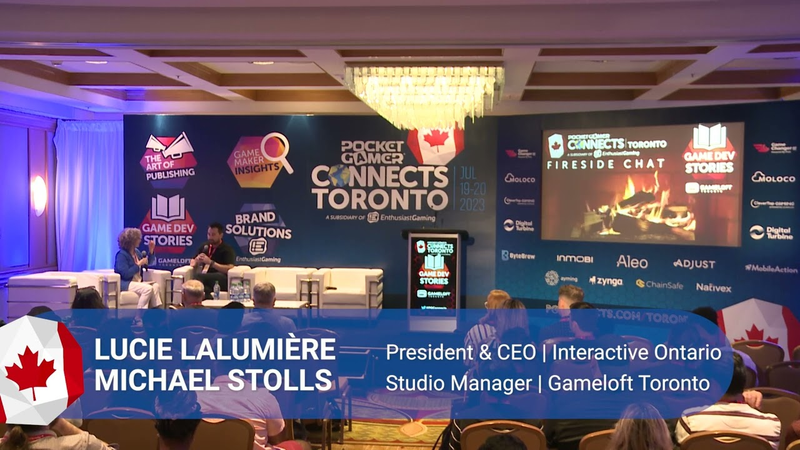
Maximizing Your Player Reach by Building for Different Platforms - Lucie Lalumière, & Michael Stolls
Key insights
6 takeaways- 01Transitioning from mobile to cross-platform development requires a fundamental shift in design philosophy, moving from short, frequent mobile sessions to the longer, immersive experiences expected by PC and console players.
- 02Developers must optimize user interfaces and experiences to balance the technical constraints of mobile hardware against the higher performance capabilities of consoles and PCs.
- 03Successful multi-platform expansion depends on early-stage research and focus group testing to ensure that monetization models—whether free-to-play or premium—align with the specific expectations of each platform's audience.
- 04Applying established live-service strategies, such as continuous content updates and active community feedback loops, is essential for maintaining player retention across diverse ecosystems.
- 05Expanding into multi-platform development acts as a strategic recruitment tool, allowing studios to attract high-level talent by offering opportunities to work on large-scale, AAA-style projects.
- 06Regional industry hubs, such as Toronto, are prioritizing sustainable growth by partnering with educational institutions and sponsoring industry events to cultivate local talent for cross-platform production.
Ask AI about this video
Transcript
[Music] [Music] thank you [Music] [Music] foreign [Music] [Music]
looks great can I get a job it's good um anyway my name is Chris James I'm gonna be your host today I've got to say I'm the CEO of Steel media but I'm it's not about me for once uh it's now we're going to have seen the video now we're going to hear from the uh from the people themselves we've got Michael uh from Game of his Studio manager from um game of Toronto is going to come and talk a little bit about what they've learned about cross-platform is that right look at me he's looking at me like it might not be that uh and I'm not gonna even be speaking to him I'm going to hand over to the lovely Lucy Lillian who is of of who's in charge of games in Toronto as far as I understand so she's going to come to we've got gaming royalty uh on both fronts here so I'm gonna I'm gonna bow and get off the stage could you please welcome to to the stage there you go [Applause] oh
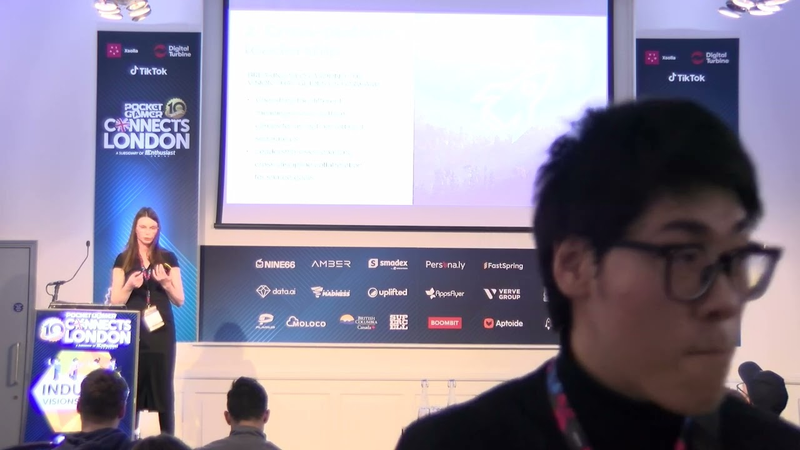
hello hi uh so thank you Chris uh so I am Lucille Lumiere I'm the president of interactive Ontario so we are the trade Association working hand in hand with Studios across Ontario in video XR interactive digital media to grow our awesome sector and together we're building more and more great careers for talent here in Ontario so today I'm very excited uh to have Mike uh and to moderate this fireside chat because game left Toronto is a very engaged member of the community here you have a major impact and so without further Ado I'm going to ask you to introduce yourself in game left Toronto cool thank you and hi everyone so um like they said I'm Mike stalls from Game of Toronto so I have been at Gameloft Toronto for 12
years I grew up through the the tech field of Gameloft Toronto so I started as a a programmer lead programmer Tech director and then uh a couple years ago moved into the studio management position um Gameloft Toronto has been around for 12 years I think we just had our 12 year anniversary um so I've almost been there from the start so it's been pretty exciting but uh but we've seen we've grown to 140 people we're at right now uh mainly been supporting our main uh one of our main projects is Disney Magic Kingdom so this is a mobile and Windows Windows platform game that is has been live now for seven years so we have a team that's actively adding content and actively working to kind of bring more and more experience to players so um that's a bit about game off Toronto yeah and in fact your games as you said are played around the world by millions of people and we hear constantly about
the great culture at game of Toronto and your leadership as well so what does it take for someone to grow into a studio leader so for me I think one of the the qualities or one of the I guess aspects I look at for myself and I I came through the tech realm but I look at problem solving and communication because for me that is a lot of what we do is problem solving and from a tech perspective we are as a programmer you're solving the problem of building the game and fixing bugs and implementing features and then as a lead you're now solving the problems of people and Staffing and resources and and then as a manager and now as a studio manager your your problems become bigger it's about culture it's about recruitment it's about what makes you competitive in the market and and then there's other people that are now looking at the more specific problems of actually um building the games but definitely like it's a lot of problem solving making sure that you have people in the right place to execute and and to achieve what you want to do so so what does somebody have to own in
terms of skill you said problem solving but uh is there anything else that you would recommend somebody do to grow into that kind of leadership position there's a lot we look um internally our leads it's very rare that we hire leadership I think from outside it does happen but I think what we try to look for is internal growth and we try to look at people that for one have identified that they want to be in a leadership position because I think the worst thing you can do is put someone in a leadership position because maybe they're the best artist or best Dev right that doesn't always mean the best leader so making sure that we identify who's a good leader who wants to be a leader and then some of those traits of um of that drive that kind of urge to make ever to to push forward to make things better to like not just stay stagnant and and to always be bettering ourselves year by year I think that's a good a good trade for for leaders thank you so now I'm going to jump into the
core of our talks so uh with gameloft's newest games such as Disney speedstorm and Disney dream light Valley they're being released on PC and console is game left moving away from mobile yeah so um first big shout out to our our other studio so uh Gameloft uh Montreal who who were our main studio for uh dream light Valley and um Gameloft Barcelona who worked on um Disney speedstorm so these are our two of our recent titles that are definitely were approached more cross-platform we wanted to hit um a wider audience with console and PC is Gameloft moving away from mobile definitely no I think mobile is an area that we have excelled in we've learned a lot we we can leverage a lot of that experience and a lot of our success to uh to continue in that realm but what we want to do is expand into uh into the PC
and console realm as well too so reaching more players and um and bringing our content and our fun to to more and more players so um and interestingly enough my first game at Gameloft that I worked at as a programmer was more console it was for idea it was for DS and at the time we were doing DS we were doing PlayStation at the time but then a shift went more to to mobile and and but now here we are back uh trying to regain our our presence back in the the full complete Market so what are the challenges of building a multi-platform games for for me I think at a design level and I think at a conception level there's obviously technical challenges of what you can do on mobile versus what you can do on PC and console platforms from a design perspective very early on we have to establish who we're targeting what type of user how they're going to play the game how they're going to um experience what we're trying to put together so mobile
mobile players may play short sessions more often in a day where where PC and console they may play longer sessions um but but less you know Less in a day so um so that's one area where a good good example is our Disney Magic Kingdom game you know people are playing nine ten times a day but for nine to ten minutes a day for instance um where a different PC console game you're playing maybe one or two two times a day on average but it's for an hour at a time so you're sitting there and you're really committed at that time so I think that's one of the challenges at a design conception level is trying to establish how you're going to make a game that that targets everyone um the the the Casual player the the type of player that will sit down and just play for hours on end um that's one of the early challenges so we look at that very early even right
now at Gameloft Toronto where we're in conception phase for for projects and where um having that discussion okay how's it going to play for mobile how is it going to play for PC console because they're two different markets and we want to make sure that we're providing a positive experience for for all the players out there so how do you overcome that game design challenge uh is it research testing what is it that you do to overcome it there's a lot of research I think there's um there is uh sorry guys but I cannot see the time so I have to okay all right so somebody will have to uh flag me five minutes um but yeah no it's it's a lot of research I think there's a lot of different games that are you know there's examples of games out there that have made a PC console game and then they have a mobile experience that is different there's a lot of games out there that are truly cross-platform and and some are successful and and some are not so you have to evaluate I think what's out there in the market but um but it takes a lot of um early
discussion we do different focus groups and and but a lot of diving into our our content and we have a lot of we leverage a lot of our past experience of what we have on mobile and now the more uh data and kind of experience we have on PC console to understand a bit more what the user is looking at so yeah so you've talked about uh the impact on game design what about on the business model the monetization uh what's the impact yeah so that is um a discussion that we we have again early on because obviously mobile has has shifted or shifted many years ago to to be more free to play and and console PC has been uh more premium experiences where you pay and you get a lot of content up front um but there is more and more of a room on PC and console World for free to play but it really comes down to what what makes sense and what fits uh that type of game so we may make something that's a bit more casual and we'll design it in
a way that we want that to be a positive experience for users that if they're engaged and if they're getting a lot of fun in it they're going to invest long term and and maybe we'll we'll Target a bit more um kind of games as a service uh you know free to play monetization strategies but then there's other games where we'll go more premium Direction so it's again it kind of goes back to the uh early conception design like figuring out who we're targeting um what our long-term goals are how long we want the game to keep going so I'm assuming that for some games it's going to be a similar experience whatever the platform but other games it may be a different experience beside the duration of the sessions yeah there's there's definitely a challenge I think to make a a truly cross-platform game something that can be played whether you're on the subway or or on the the train and then something that you know kids are asleep and I now have two hours to to uh to game and I can sit there and play so
that is a challenge to make sure that it's it's properly paced um and and it's rewarding for the user and but then there are some other uh games where it just doesn't make sense and the mobile experience is more of a complementary experience for the user or or a lighter version or a pocket version which it's still I think a fun and and experience for both uh users but and and there are going to be players that will experience fun on both versions so it's kind of a double uh a double experience for them so and uh game left you're excellent at game as a service so you're excellent at Community Management uh you know player support again you know designing an experience for multiple platforms how does it impact Community Management or does it impact so I think one of the the the experiences we leverage um having focused so much on mobile and like you say games as a service
um this is something that I mean for me back when I early on in the in in my time at Gameloft when we made a game it was a preview premium experience we we shipped it we done we're done we're moved on to the next one now that first release is is very much just a first Milestone of the project um beyond that like Disney Magic Kingdom is a great example where it's been seven years that we have engage with the community we've provided new content we've listened to their concerns we've listened to their complaints we've tried to address their complaints um but we really have a I think a good foundation for um engaging with the community which I think is important and I I'm I'm excited to bring that to PC and console um to build a game that is not just here it is enjoy it for you know the next 10 hours of content that we put in there and then it's done and I think we're starting to see that more and more where you see games that have season seasons and um DLC and and other packs but I think
what we can really Leverage is our experience of engaging with the community and we have really uh detailed communities like it's amazing the the types of wikis that users have built for Disney Magic Kingdom and you see them on Reddit and you see them on other forms talking about how to do this event and how to uh get through things fast so it's it's really I think that's one area that we we always will focus on okay let's see okay all right uh so uh what okay so the other thing is uh you and I had a discussion prior to uh this fire chat and you did mention that for the team it's also a great opportunity to be able to work on titles that will have an iteration in multiple platforms so so why beside expanding uh your Market why does Gameloft want to uh yes so I think
we touched on the the user aspect of trying to reach and reach more users and give them more options and more uh ability to to play our games and to to get get that entertainment from us on the management side of me and the you know management side of the rest of the leaders in Game of Toronto it it also introduces us to a different pool of um for recruitment for industry professionals uh there are some that may lean more towards they want to be in console and they want to be PC um and we we've seen it with I I've I myself have hired people that have joined us worked a couple years on mobile and then they're like I have a dream to work on a big AAA project I had that same dream as well too yeah um but now I think one of the benefits for Gameloft moving into this is that we can offer that and we can now be uh appeal to those um that type of that talent pool that wants to work on console and PC
um so I think it's it's overall positive and for your current team how do you prepare them uh to handle developing and supporting a multi-platform game is there anything that you have to do on the design side we play a lot of a lot of games to do to do our research I think that's um always trying to keep up to date with the market is big and seeing what others are doing and and um and then trying to continue to see how you're going to push the the envelope on the technical side it's it's understanding the boundaries the limits of what you can do and and how you can push those even further um and but um my experience so far has been a lot of excitement I think from the team so like this is something that they uh they've asked for and they've always wanted to to get into this so so for me it's been a very positive experience where I'm like okay this is where we know we're heading we start researching what can we do how do we play this type of game how do we prepare ourselves so it's going to be a nice smooth
transition and obviously we're not gonna head first dive into this and make a big you know AAA multi-million dollar you know 100 million dollar project um I think but it's important for us to be true to ourselves and understand that this is a a long-term goal and that we progress in a an aggressive but you know achievable manner I think and this consideration that you have for your team uh you also have for the community so and you're sponsoring uh The Game Dev stories here so why are you doing this so for me um I mean a little at a personal level I grew up in Toronto I went to school in Toronto and and at the time when I when I entered into this industry it was very I would say a stop not not the most established in Toronto we had a lot of Indie Studios but there was nothing uh not it wasn't considered a big Video Game Hub um myself that led me to to going to
Montreal and that was where the bigger Hub was and then I I uh then moved back when we started to see more of this development in Toronto and we started to see a true video game hub be developed in Toronto and we started to see this boom in Ontario and and um so for me like we've for the last 12 years we've always partnered with schools because I think that's an important part for us to reach back and reach out to the the younger generation the new generation that um to show them what you can make in a career and like what a career looks like in this industry and to help guide them into it um but also now like to be able to sponsor an event like this it is local has a lot of local companies um it brings a lot of I think exposure and and hopefully growth to the industry in uh in in the city and in this province so I always look forward to sponsoring and to seeing and to to participating and helping continue that growth so so what's the future for uh game left
Toronto so yeah no right now um we'll continue our our Disney Magic Kingdom game so that is still our main priority we don't there's no end in sight for us we we uh I mean the benefits seven years and going yes and and I think one of the benefits of working with such a a licenser and such a brand is that there's there's uh there's a lot of um opportunity there to keep something going as long term but even right now we're we're still in the conception phase for a couple different projects one of them being definitely more cross-platform that we're looking at right now but we are also trying to diversify our our library at Gameloft Toronto so um we have a mobile game with Disney Magic Kingdom looking at different console games and then looking at how we can partner with other you know with apple arcade and Netflix getting more and more into the uh into the game gaming realm those are I mean I'm full I mean Apple always was was part of it I
guess you could say but with their apple arcade subscription but um but trying to partner with them as well too so for me it's it's a nice Approach at a studio level to diversify our our library and our projects that we're working on so um that's kind of uh exciting because we're you know exciting times to kick start some new projects and to get some new uh some new game ideas going and it's exciting for us as well to see where you're going uh so do we have time for okay all right so questions yes Mike Mike on get some Mike am I doing that someone else doing it [Music] who is who's had the hand up over here is this one that's on there we go uh could you please uh explain your experience in play testing the games on different platforms so I believe that you have your own internal play testing but for
smaller Studios how can they make a playable demo accessible for PC compared to mobile and how is the whole play testing process and this whole phase goes for different platforms yeah so I I mean UI ux is obviously one of the bigger topics to to I think look at with a game that's cross-platform right there's a there's a big difference to playing on a controller to playing on a touch screen or a small screen there can be fatigue when you're looking at a phone for an hour as opposed to looking at a bigger screen and definitely like we have the ability to have internal user research and and different focus groups that can answer a lot more on the usability uh of specific topics of the game for smaller companies um I mean there's there's I'm sure there's ways to do like open betas and where you can do open betas whether it's on a mobile platform or you can do early access to uh to start engaging with the
community I think again early on and and um you have to make sure that you're not treating the community as testers and that you're giving them somewhat of an experience or that they're it's the experience they're expecting um but but you can engage with them early on and you can take their feedback and if you show them that you're you're working on their feedback and that you're appreciating that I think it will go a long way and you build that relationship with with the with them early on I've got time for one more question I think God this room is filled up by the back kind of steps in today I could do a loser wants to be fair that's fine they go Russell Hello Lucy hello stalls Paula says hi it's lovely to see you thank you so much for the panel super interesting Mal my question is with the spatial headset that's coming is Gameloft doing any kind of you know examinations in in that kind of space it's kind of technically mobile but also you know a different uh venue for sure I would say that I mean anything is possible it's important for us to look
at any and all types of platform and Technology that's coming up so um I mean right now it's not on the top of our list I would say in terms of priority because uh there's just so much that we're looking at but but it's we don't write anything off I think early on and we what we try to do is we try to look at okay we have a product and what where does this product make sense to live right um and we've had the discussion you know with Disney Magic Kingdom or any other game it's like what would it look like on this type of platform and I think what we do is we make sure that we're properly evaluating that there's a use case and there's a a user base that will actually benefit from it but but um sorry it's it's not the the best answer but but yeah definitely everything's on the table yeah definitely doing it that's it it definitely is um can we I'm sure there's more questions but you can grab Minecraft kind of a big round of applause please for Michael and Lewis that's fantastic
[Music] thank you
Summary
The transition toward cross-platform development represents a strategic evolution for studios traditionally rooted in mobile gaming. By expanding into PC and console markets, developers aim to reach broader audiences and diversify their portfolios while leveraging existing expertise in live-service operations. This shift requires a fundamental change in design philosophy, as mobile users typically engage in frequent, short sessions, whereas console and PC players often prefer longer, more immersive experiences. Successfully navigating these differences necessitates early-stage research, focus group testing, and a clear understanding of how monetization models—ranging from free-to-play to premium—align with specific platform expectations.
Technical and design challenges are central to this multi-platform approach, particularly regarding user interface and user experience optimization. Developers must balance the technical constraints of mobile hardware with the higher performance capabilities of consoles and PCs. Furthermore, community management serves as a critical pillar for long-term success. By applying established live-service strategies—such as continuous content updates, active engagement with player feedback, and fostering community-driven resources—studios can maintain player retention across diverse ecosystems.
Beyond product strategy, the move toward cross-platform development serves as a powerful recruitment tool. Offering opportunities to work on high-profile, multi-platform titles allows studios to attract talent that aspires to work on large-scale, AAA projects. This growth is particularly significant for regional hubs like Toronto, where industry leaders are increasingly focused on fostering local talent, partnering with educational institutions, and sponsoring industry events to ensure sustainable sector growth. While emerging technologies like spatial computing remain on the horizon, the current priority remains the disciplined, iterative expansion of game libraries that provide high-quality, accessible experiences across all target platforms.