ReportGameAnalytics
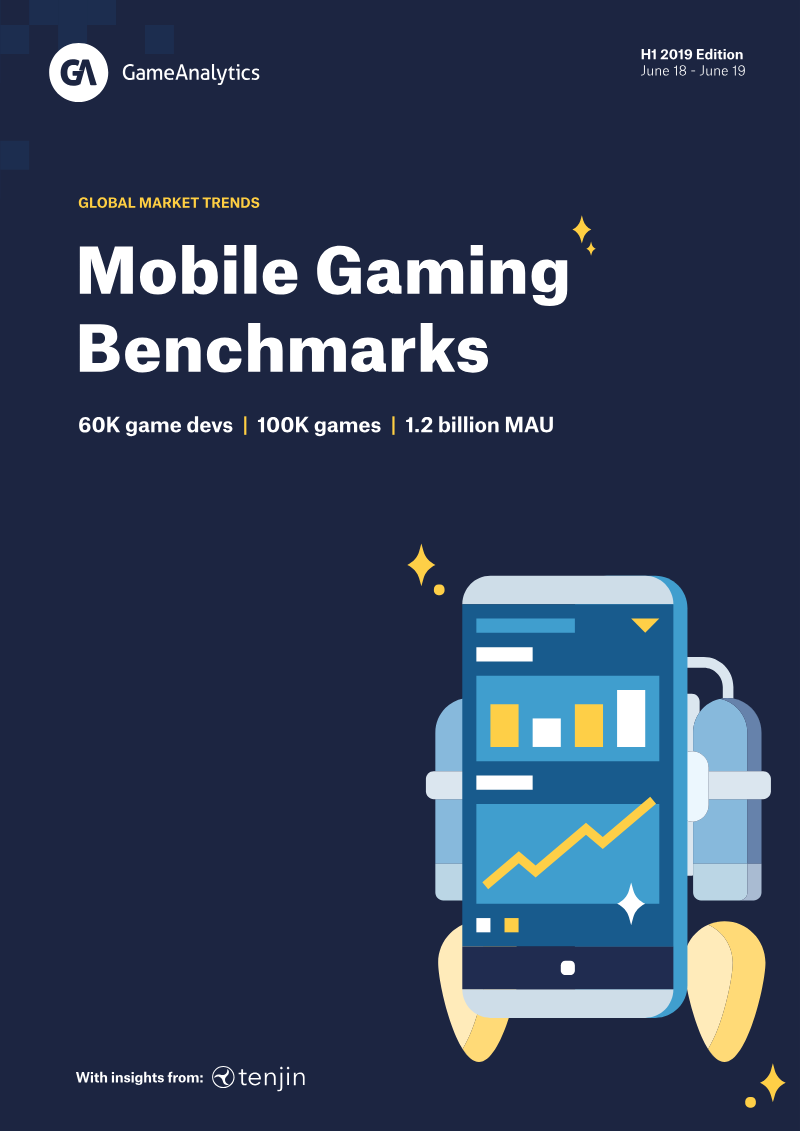
Global Market Trends: Mobile Gaming Benchmarks (H1 2019)
19 Jun 201934 pages~23 min full read
The global mobile gaming landscape in the first half of 2019 reflects a significant pivot in monetization strategies, characterized by a 15-20% year-over-year decline in in-app purchase revenue metrics such as ARPPU and ARPDAU. This downturn suggests a broader industry transition toward ad-based revenue models, particularly within the hyper-casual segment. Despite this shift, mid-core genres like Role Playing and Strategy remain the primary drivers of financial conversion, maintaining ARPPU levels as high as $25 and conversion rates nearly four times higher than other categories. Geographically, China has emerged as a formidable market, with eCPM rates reaching $3.90, effectively rivaling the United States in advertising value.
Performance benchmarks for the period indicate that sustainable success requires a Day 1 retention rate of at least 35% and an average session length of seven minutes. However, top-tier publishers now employ much more aggressive filtering processes to ensure profitability. Leading firms often discard 95% of projects that fail to meet a 50% Day 1 retention threshold. While "Classic" genres like Trivia and Word games demonstrate the highest long-term stickiness, the most successful developers utilize real-time data integration and advanced player segmentation to optimize game lifecycles.
The integration of custom APIs and remote configuration tools has become essential for modern game management, allowing developers to adjust in-game variables without code updates. By monitoring 1.2 billion monthly active users across diverse global markets, the industry has established that high-performing titles must maintain a Day 28 retention of at least 4% to remain viable. Ultimately, the data underscores a dual-track market where mid-core titles dominate direct spending while hyper-casual games rely on extreme retention standards to fuel ad-based growth.
GameAnalytics · 2026
GameAnalytics · 2026
GameAnalytics · 2026
GameAnalytics · 2025
GameAnalytics · 2025
Tenjin · 2025
GameAnalytics · 2025
GameAnalytics · 2024
GameAnalytics · 2024
GameAnalytics · 2024
Tenjin · 2022
GameAnalytics · 2021

Sensor Tower · 2026
AppMagic · 2025
Apptica · 2023

Mistplay · 2023
Newzoo · 2022

ironSource · 2022

GameIntel · 2021
Mistplay
Bryter · 2026

Almedia · 2026

Sensor Tower · 2026
AppLovin · 2026