
ReportGameIntel
Deconstructing the Superstars: The Metrics Behind Hyper-Casual Games 2020 Industry Snapshot
202110 pages~6 min full read
This industry snapshot provides a detailed analysis of the hyper-casual mobile gaming sector throughout 2020, utilizing aggregated data from a network of over 140,000 integrated games and two billion monthly players. The primary thesis centers on identifying the specific performance benchmarks and mechanical traits that define "superstar" titles within this high-growth category. By segmenting the genre into four distinct sub-genres—Timing, Traversal, Physics, and Shooting—the analysis offers granular insights into the mechanics and player behaviors that drive commercial success.
Key findings highlight significant geographic variations in player engagement and retention. European markets, specifically France, Germany, Italy, and the Netherlands, lead in Day 1 retention at 49%, while Germany, the Netherlands, and Japan share the top spot for Day 7 retention at 19%. Despite lower retention rates compared to European counterparts, Japan exhibits the highest average playtime at 63 minutes, significantly outpacing the United States at 43 minutes and China at 27 minutes. These statistics underscore the importance of localized performance expectations for developers targeting global audiences.
The analysis concludes with actionable strategic recommendations for game development, emphasizing that successful hyper-casual titles must be short, simple, and satisfying. A critical threshold for viability is identified at 40% Day 1 retention; titles falling below this mark are typically deemed unpromising, necessitating either rapid iterative sprints or abandonment. The study advocates for a forgiving gameplay design—often incorporating multiple lives or low-difficulty curves—to cater to the "snackable" nature of the genre. By examining 2020 hits like High Heels! and Slap Kings, the findings illustrate that low production effort combined with high-impact mechanics remains the dominant model for hyper-casual market leaders.

Sensor Tower · 2026
AppMagic · 2025
Pangle · 2025
Apptica · 2023
Tenjin · 2023

Tenjin · 2023

Mistplay · 2023
Tenjin · 2022
Tenjin · 2022
Tenjin · 2022
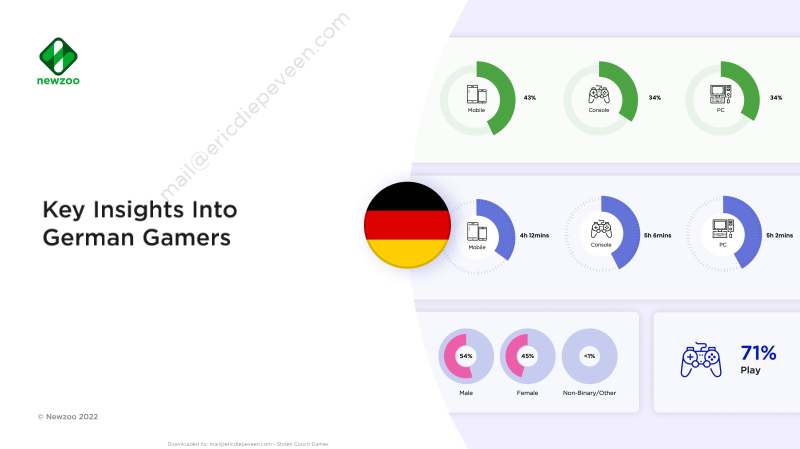
Newzoo · 2022
ironSource · 2022