
The GDC 2026 post-mortem provides an analytical overview of the state of the global gaming industry, characterizing the current market mood as one of cautious resignation. Despite a significant contraction in conference attendance—which fell to levels not seen since 2012—the event maintained high value for industry leaders. The primary thesis suggests that while the traditional convention floor has shrunk due to geopolitical tensions and industry downsizing, the concentration of high-level decision-makers remains unparalleled, making the event’s side-channel networking more critical than its formal programming.
Key findings highlight a stark divide between public optimism and private industry reality. Artificial intelligence emerged as the dominant topic, with a notable shift in focus from game development to back-office operational efficiency and process automation. AI-native development teams are increasingly viewed as a disruptive force, rendering traditional, high-budget studio models obsolete by producing comparable demos in significantly less time. Furthermore, the venture capital landscape for gaming has largely collapsed, with generalist funds exiting the sector. Capital is now primarily restricted to specific regions like Turkey, Israel, and Vietnam, and is increasingly directed toward AI-native founders or those pivoting to tools and apps rather than traditional game production.
The analysis also identifies a significant evolution in the perception of the Roblox ecosystem. It is no longer viewed as a peripheral marketing channel but as a sophisticated development platform where professional, adult-led studios are building canonical franchise experiences for major intellectual properties. Additionally, the industry is navigating rumors of potential large-scale mergers, such as a hypothetical acquisition of Xbox by Netflix, while Chinese publishers are expressing quiet concern regarding their own market dominance and the associated risks of regulatory scrutiny in Western territories.
Deconstructor of Fun · 2026

Deconstructor of Fun · 2026

Deconstructor of Fun · 2026
Deconstructor of Fun · 2026
Deconstructor of Fun · 2026
Deconstructor of Fun · 2026
Deconstructor of Fun · 2026

Deconstructor of Fun · 2026

Deconstructor of Fun · 2026
Deconstructor of Fun · 2026

Deconstructor of Fun · 2026
Deconstructor of Fun · 2026
Room 8 Group · 2024
Poki · 2026
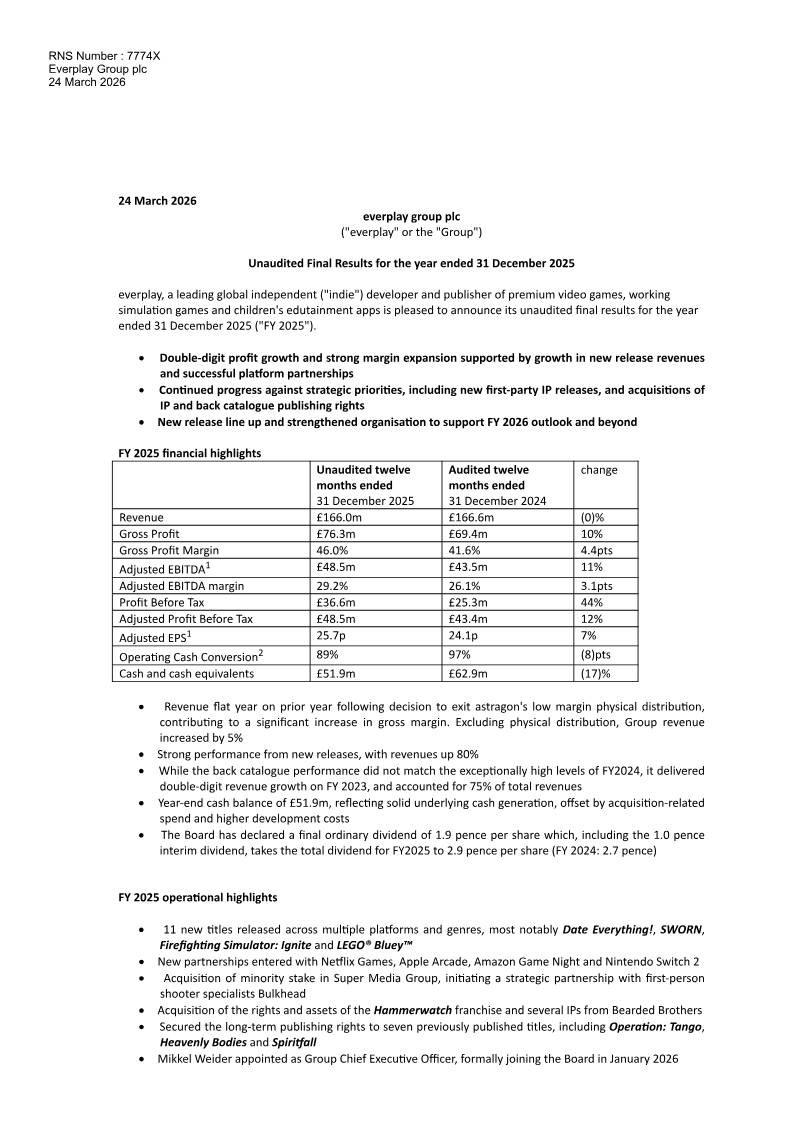
Everplay Group · 2026
BITKRAFT Ventures · 2026
Poki · 2026
InvestGame · 2025
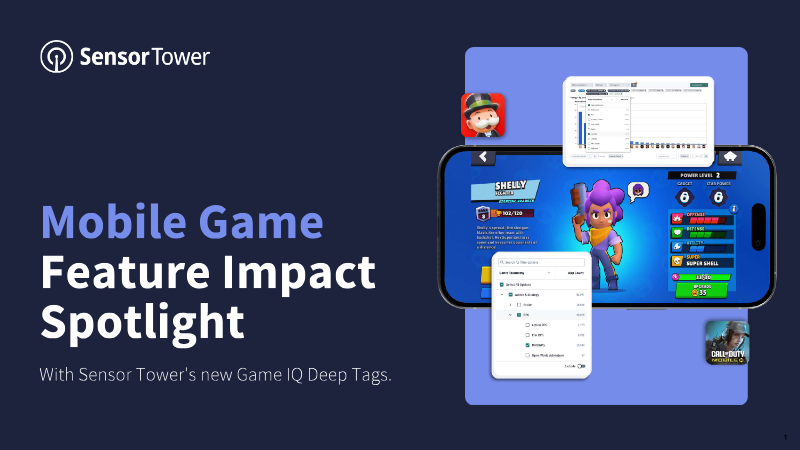
Sensor Tower · 2025

Metaplay · 2025

Sensor Tower · 2025
Facebook Gaming · 2025
Konvoy · 2025

Google Cloud · 2025