This analysis evaluates the strategic landscape of video game announcement showcases and examines recent financial performance across major hardware platforms. The primary thesis suggests that as traditional games media reach declines, developers must increasingly rely on third-party digital showcases to generate visibility. However, the effectiveness of these events varies significantly based on their reputation, timing, and density of "reveals" versus filler content.
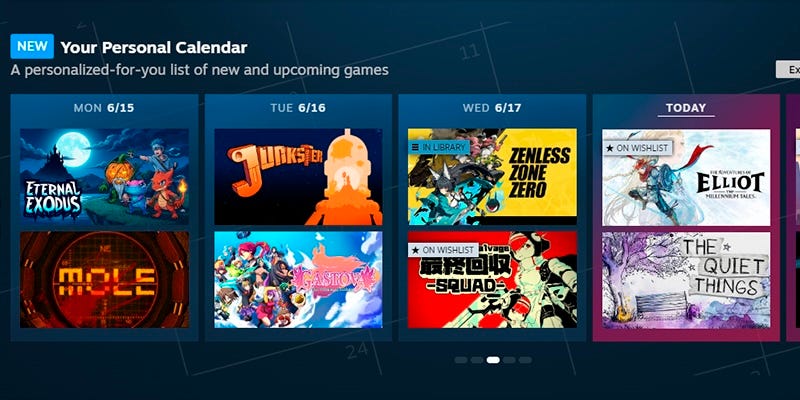
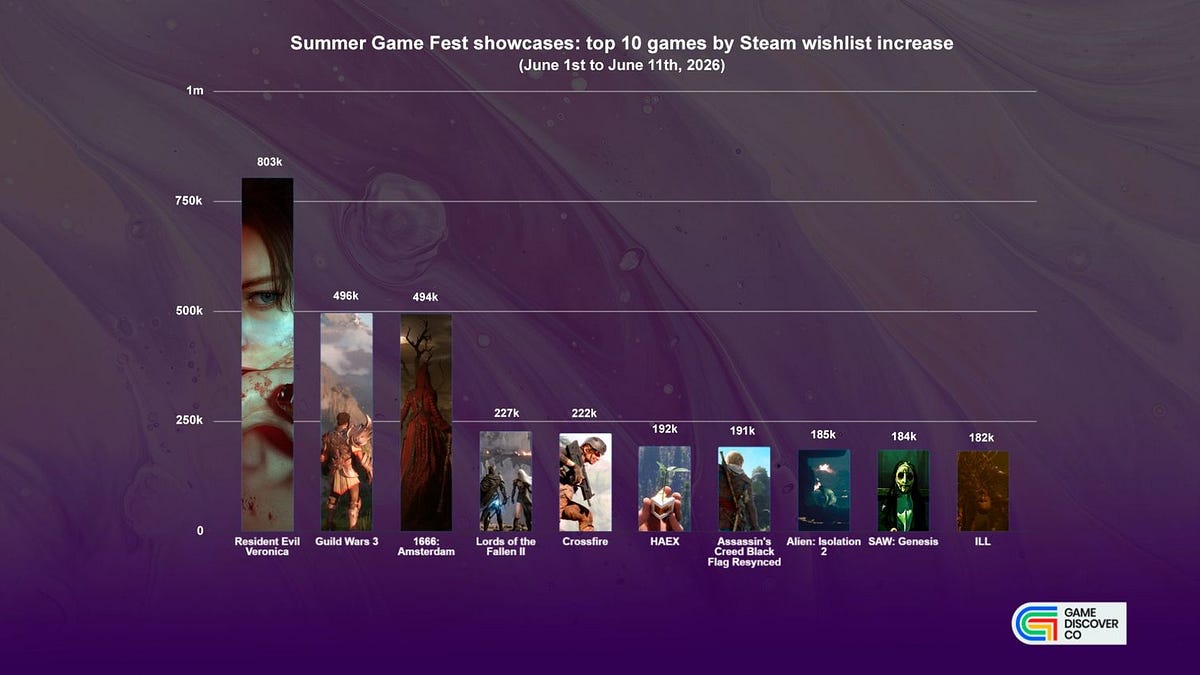
The industry’s showcase ecosystem is categorized into a hierarchy of tiers. The Game Awards occupies the Platinum Tier as the premier venue for announcements. Gold Tier events include major platform-holder showcases from Xbox, PlayStation, and Nintendo, alongside Summer Game Fest and Gamescom Opening Night Live. Lower tiers consist of indie-focused or secondary events like the Wholesome Direct and Future Games Show. Participation in these events often requires a financial investment ranging from $500 to over $50,000 for a 30-second trailer, making return-on-investment calculations essential for Steam wishlist targets.
Market data highlights a significant shift in the console landscape as supply constraints ease. Sony reported shipping 7.1 million PlayStation 5 units in the 2022 holiday quarter, bringing the total install base to 32 million. Notably, nearly 30% of current PlayStation 5 users did not previously own a PlayStation 4, suggesting a successful expansion of the ecosystem. Despite a slight dip in total software unit sales, Sony’s first-party sales nearly doubled year-over-year, reaching 20.8 million units. In terms of annual revenue, PlayStation outperformed Xbox by approximately $8.85 billion in 2022.
Broader industry trends indicate a volatile period for live-service titles and emerging technologies. While established giants like Fortnite continue to innovate with virtual concerts and brand collaborations, many newer live-service games are shutting down due to market saturation. Additionally, Meta’s Reality Labs segment reported a $13.7 billion loss for 2022, reflecting the high costs and slow adoption of VR/AR initiatives. The report concludes that while hardware ecosystems are expanding, the competition for player attention and "application support" remains the defining challenge for developers.