ArticleGameDiscoverCo
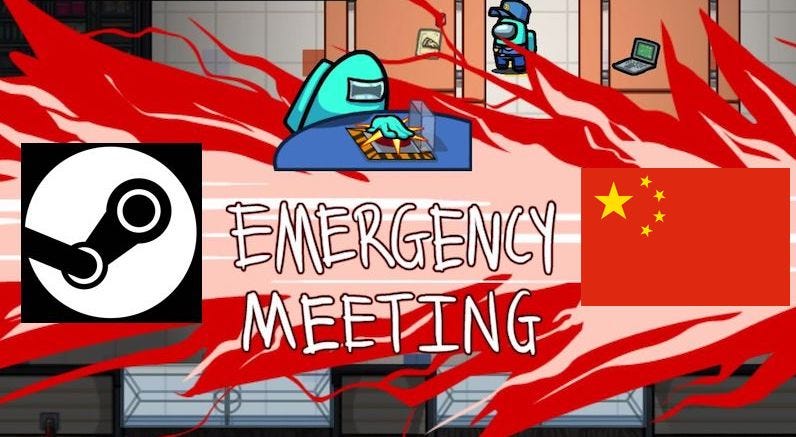
Holiday Special: Did Steam Really Just Get Banned in China?
26 Dec 2021~7 min full read
The status of Valve’s Steam platform in China underwent a significant shift in late December 2021, characterized by targeted technical disruptions rather than an outright ban. While initial reports suggested a total blackout, evidence indicates that the Chinese government implemented a sophisticated blocking mechanism affecting the global Steam website. This disruption involves connection resets during TLS handshakes, resulting in temporary access blocks of approximately 180 seconds for users attempting to reach the store via web browsers.
Despite these hurdles, the Steam client remains functional for existing users in China, who continue to purchase games, download content, and upload builds. This technical interference mirrors previous actions taken against platforms like GitHub and follows the 2017 firewalling of the Steam Community forums. The situation is further complicated by the existence of Steam China, a government-approved, content-restricted version of the platform that operates in parallel to the global service.
The broader context for these disruptions includes a tightening regulatory environment in the Chinese gaming market throughout 2021. This period saw a freeze on domestic game approvals and a mandate for major publishers to boycott overseas platforms to combat gaming addiction. While the immediate impact on sales for Western developers appears minimal, the long-term implications remain uncertain. Potential challenges include difficulties for new user registrations and restricted traffic from external advertisements. The lack of transparency regarding these regulatory actions reflects the opaque nature of Chinese internet governance, leaving the industry to navigate a landscape defined by unpredictability and a lack of formal appeal systems.
GameDiscoverCo · 2026

GameDiscoverCo · 2026
GameDiscoverCo · 2026

GameDiscoverCo · 2026

GameDiscoverCo · 2026
GameDiscoverCo · 2026

GameDiscoverCo · 2026

GameDiscoverCo · 2026
GameDiscoverCo · 2026

GameDiscoverCo · 2026
GameDiscoverCo · 2026
GameDiscoverCo · 2026

Niko Partners · 2026

Bryter · 2026

GameAnalytics · 2026
Poki · 2026

Sensor Tower · 2026

GamesBeat · 2026

Anzu · 2026
Newzoo · 2026

Deloitte · 2026

Decision Lab · 2026
Telekom Malaysia · 2026

InvestGame · 2026