ArticleGameDiscoverCo
Hidden Discovery Insight: Analyzing Player Review Word Length
23 Mar 2022~9 min full read
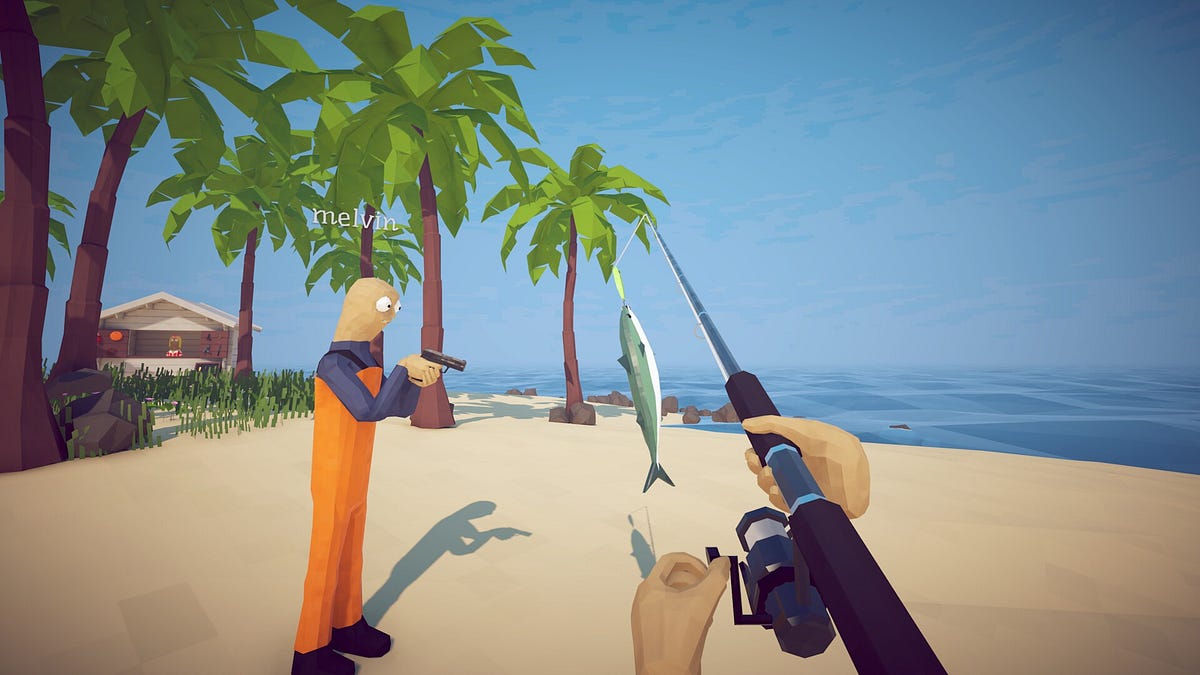
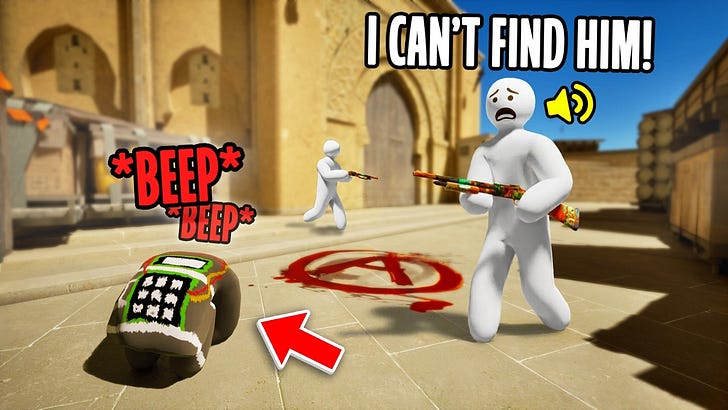
Analysis of Steam player behavior suggests a strong correlation between review word length and player "casualness." By examining four titles ranging from niche simulators to physics-based sandboxes—Hypnospace Outlaw, Inscryption, Ranch Simulator, and Totally Accurate Battle Simulator—data indicates that more casual games attract a significantly higher percentage of one-word reviews. For instance, the most casual-leaning titles saw a spike in brief feedback compared to more complex, "nerdy" titles that prompted longer, more detailed critiques.
Supporting data points reinforce this thesis by linking review length to library size and engagement. Players who leave shorter reviews typically own fewer Steam games on average, whereas those writing long-form reviews tend to be "core" users with much larger libraries. Furthermore, there is a direct relationship between word count and time spent in-game; players who write longer reviews generally have higher average playtimes at the time of posting. These findings suggest that developers can use review length as a metric to identify player personas and adjust marketing strategies or Steam page descriptions accordingly.
Beyond player analytics, the industry landscape is shaped by the fundamental criteria used by funders and platforms. Successful pitches generally satisfy three sequential questions: personal excitement from the scout, the team’s proven ability to execute and ship, and the financial risk-to-reward ratio. This highlights the importance of including historical shipping data in pitch decks to instill confidence. These insights are presented alongside broader industry updates, including Valve’s optimization of Linux for the Steam Deck, the introduction of organizational tools on Nintendo Switch, and the massive scale of Tencent’s global gaming investments, which reached $32.4 billion in 2021.
GameDiscoverCo · 2026

GameDiscoverCo · 2026
GameDiscoverCo · 2026

GameDiscoverCo · 2026

GameDiscoverCo · 2026
GameDiscoverCo · 2026
GameDiscoverCo · 2026

GameDiscoverCo · 2026
GameDiscoverCo · 2026
GameDiscoverCo · 2026
GameDiscoverCo · 2026
GameDiscoverCo · 2026

Niko Partners · 2026
Bryter · 2026
GameAnalytics · 2026
Poki · 2026

Sensor Tower · 2026
GamesBeat · 2026

Anzu · 2026

Newzoo · 2026

Decision Lab · 2026

Deloitte · 2026
Telekom Malaysia · 2026

InvestGame · 2026