1 free read left. Create a free account for unlimited reading + AI research.
Create free accountWhitepaper European Conference on Games Based Learning (ECGBL)
1 free read left. Create a free account for unlimited reading + AI research.
Create free accountWhitepaperEuropean Conference on Games Based Learning (ECGBL)
Hanghøj's study examines how a 5th-grade Danish class designed educational board games addressing online toxic communication, analyzed through the Games as Educational Challenge model. Drawing on video observations, field notes, and interviews with a focus group of three students over an approximately two-week unit of around 18 lessons, the paper argues that design-oriented board game activities generate both meaningful learning opportunities and design dilemmas that remain underexplored, since prior research has concentrated largely on digital games. The work is situated within Danish as a school subject and centers on a single classroom, so its findings are qualitative and context-specific rather than broadly generalizable.
The analysis identifies three recurring dilemmas. The first concerns personal relevance: students brought varied experiences with online platforms, which affected whether the design challenge felt meaningful to them. The second involves balancing entertaining game mechanics against curricular learning goals, a tension that can pull design work away from subject-specific aims. The third is students' perception that game-design activities felt less recognizably "Danish" than the written game guide they produced, raising questions about the legitimacy of board game design within the discipline.
The study concludes that design thinking is a demanding but valuable method in Danish instruction. Realizing its benefits, the author contends, requires teachers to scaffold design processes carefully, provide timely feedback, and explicitly connect game-making work to subject goals and assessment. Rather than treating game design as an engaging add-on, the paper positions it as a method that must be deliberately integrated to deliver its educational potential.
European Conference on Games Based Learning (ECGBL) · 2024
European Conference on Games Based Learning (ECGBL) · 2024
European Conference on Games Based Learning (ECGBL) · 2024
European Conference on Games Based Learning (ECGBL) · 2024
European Conference on Games Based Learning (ECGBL) · 2024
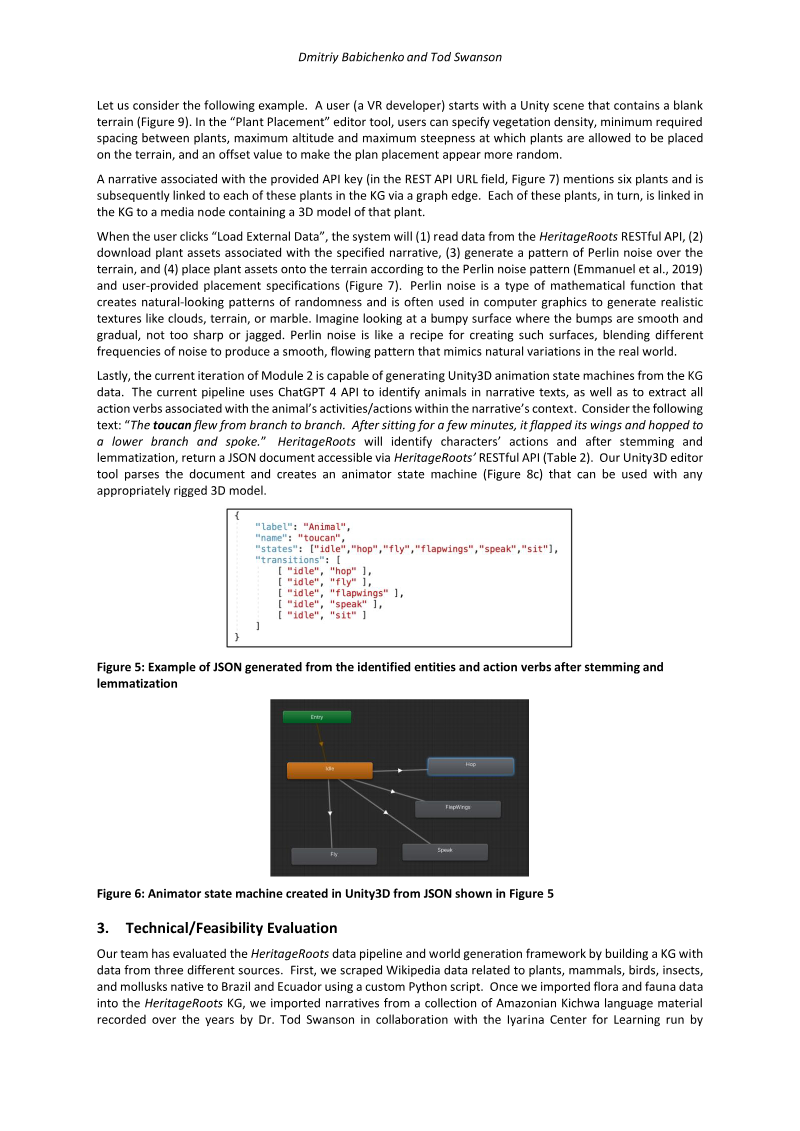
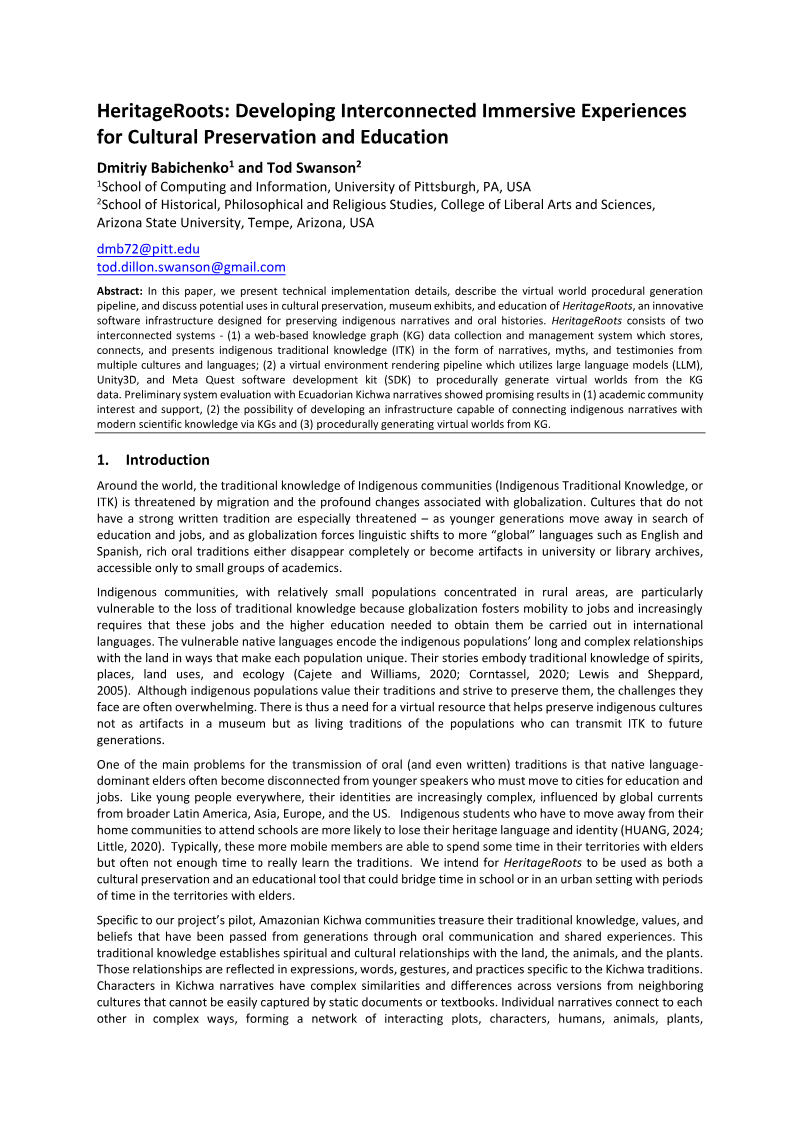
European Conference on Games Based Learning (ECGBL) · 2024
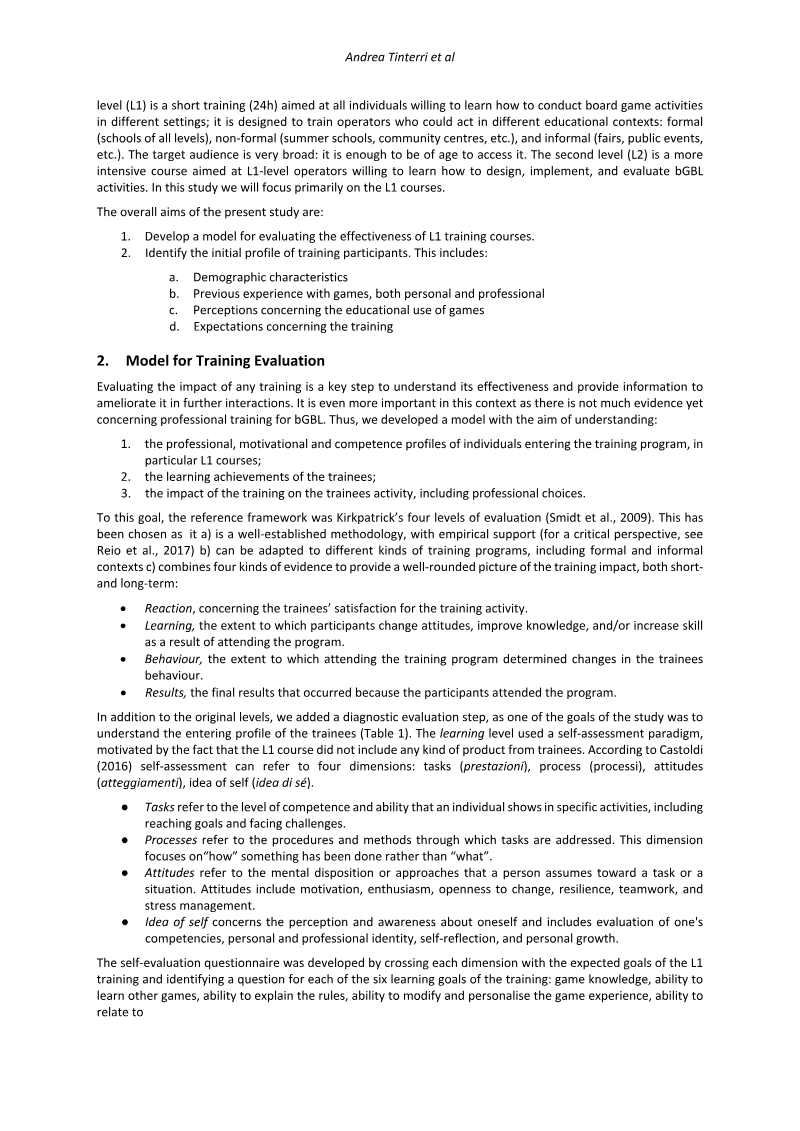
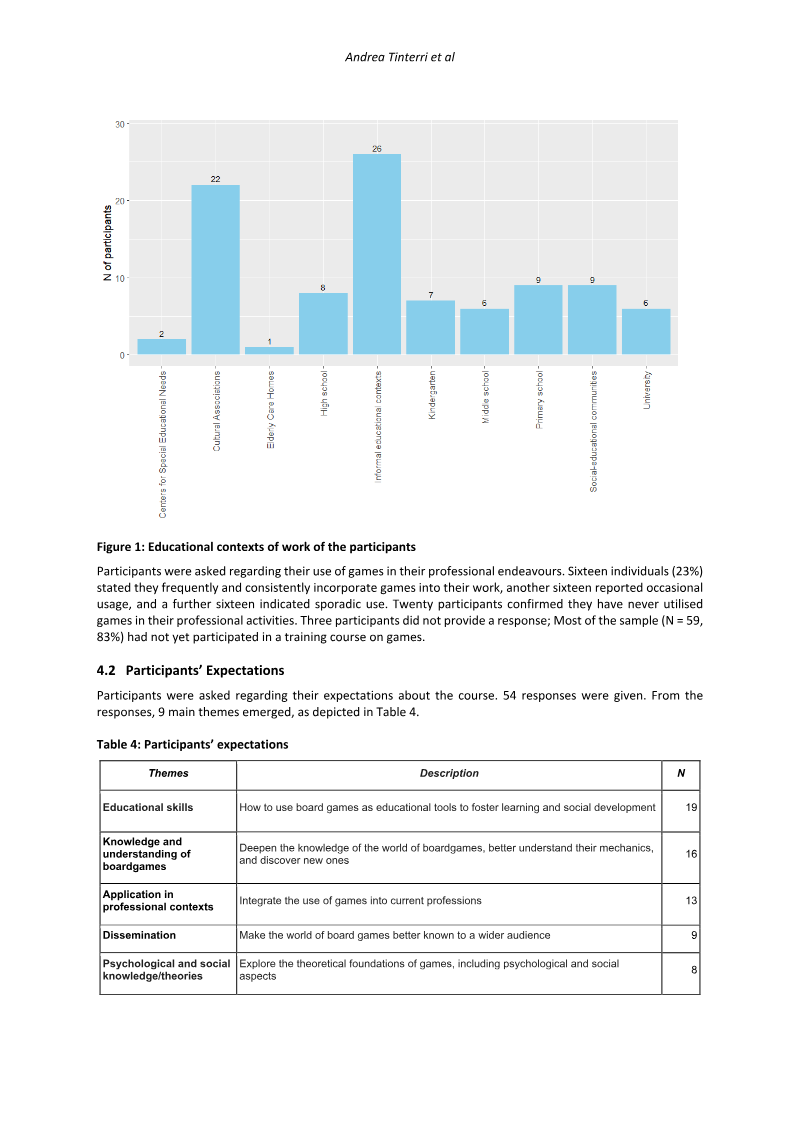
European Conference on Games Based Learning (ECGBL) · 2024
European Conference on Games Based Learning (ECGBL) · 2024
European Conference on Games Based Learning (ECGBL) · 2024
European Conference on Games Based Learning (ECGBL) · 2024
European Conference on Games Based Learning (ECGBL) · 2024
European Conference on Games Based Learning (ECGBL) · 2024
European Conference on Games Based Learning (ECGBL) · 2024
European Conference on Games Based Learning (ECGBL) · 2024
European Conference on Games Based Learning (ECGBL) · 2024