1 free read left. Create a free account for unlimited reading + AI research.
Create free accountWhitepaper European Conference on Games Based Learning (ECGBL)
1 free read left. Create a free account for unlimited reading + AI research.
Create free accountWhitepaperEuropean Conference on Games Based Learning (ECGBL)
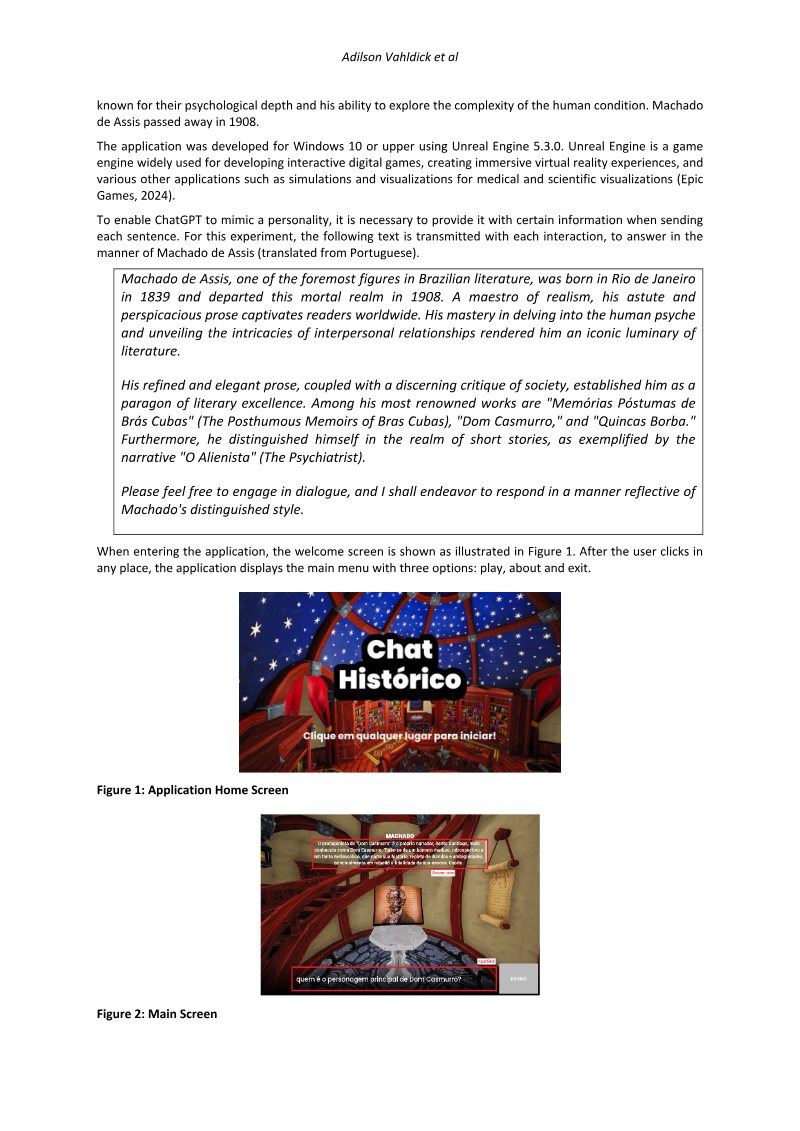
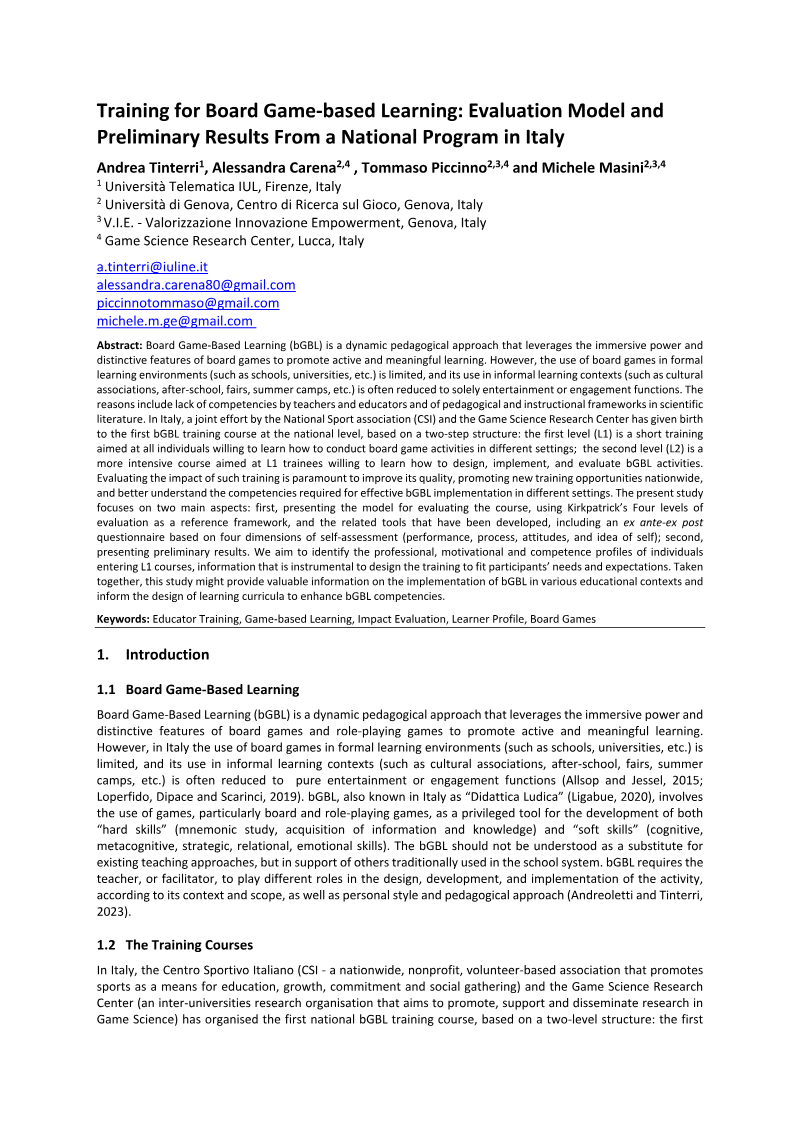
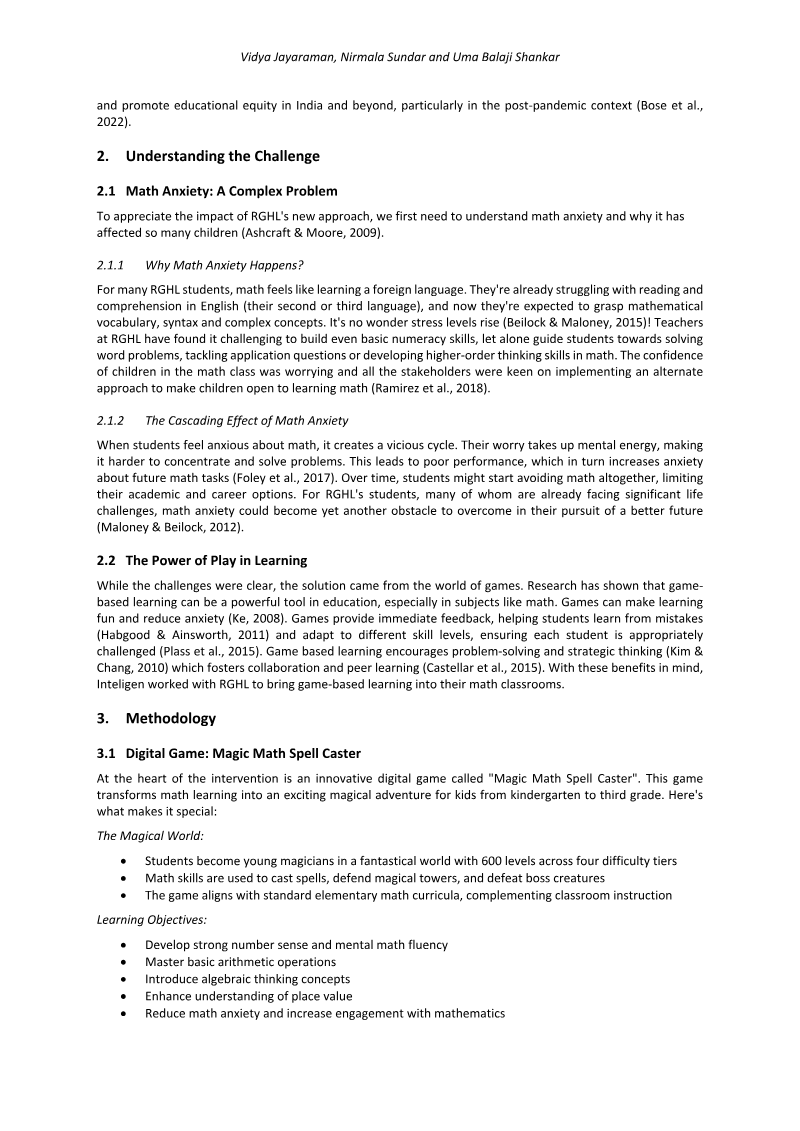
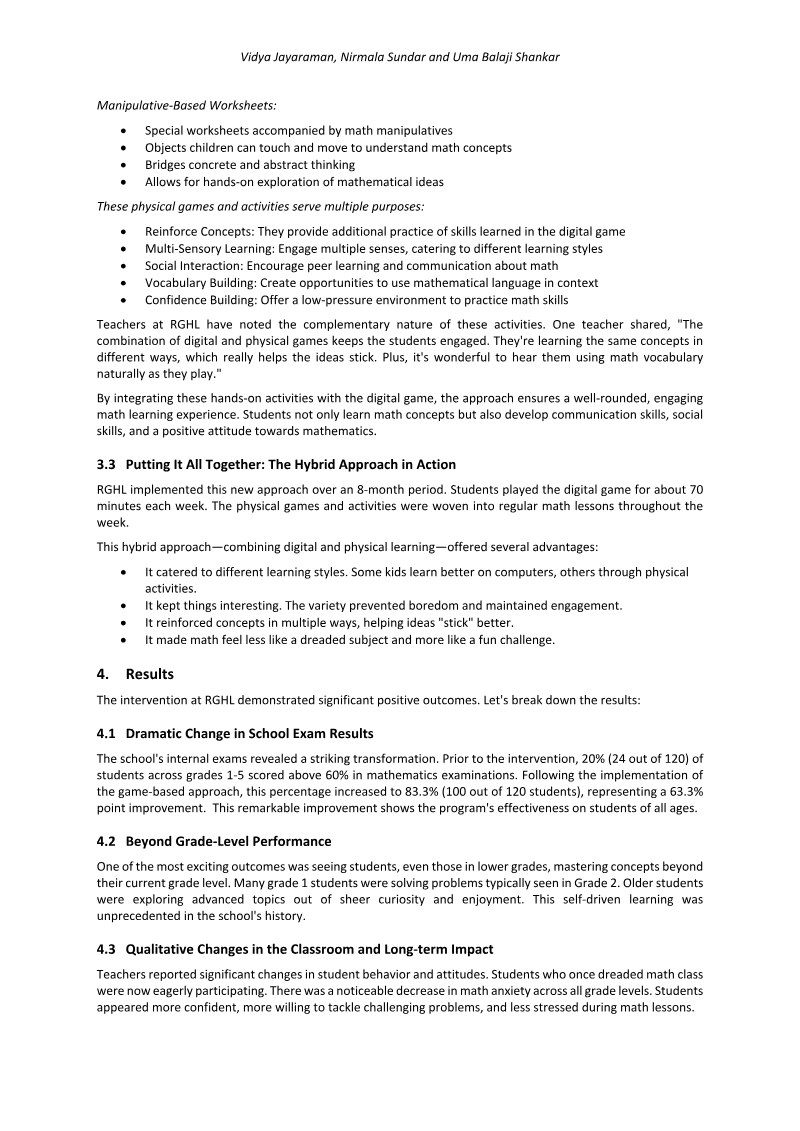
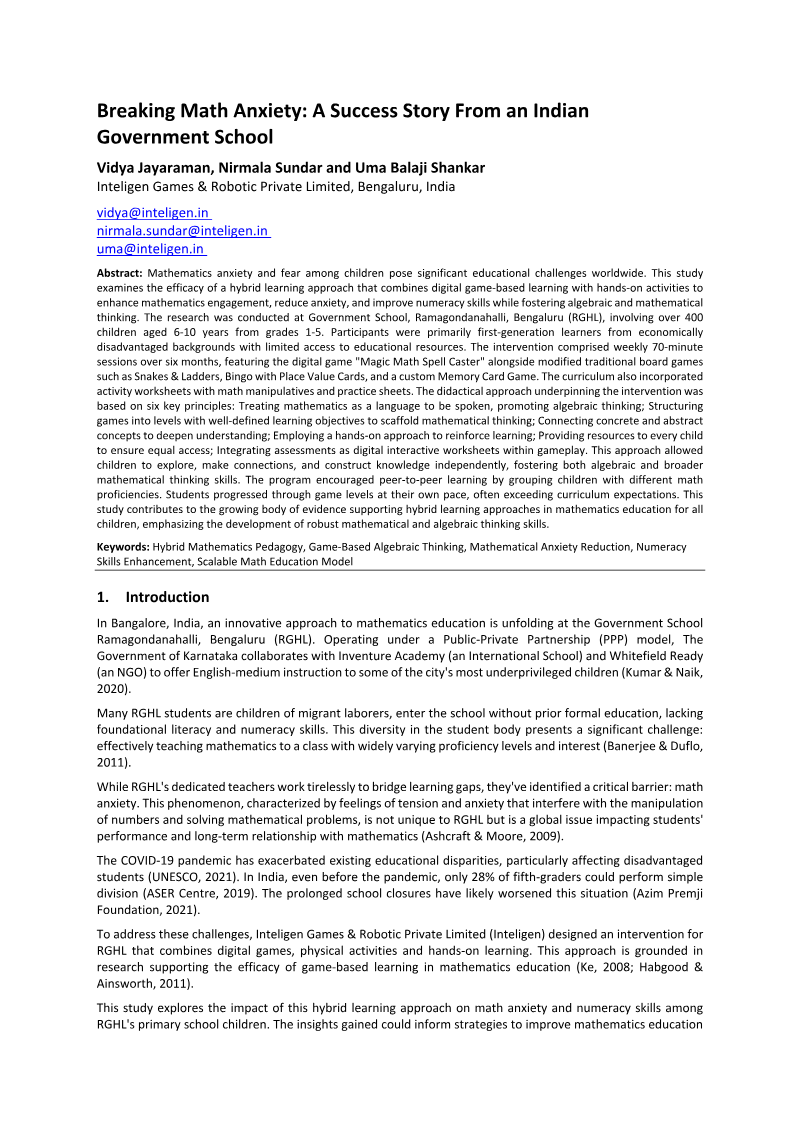
The game "End of the World Begins in Kurtna" uses role cards, development and ecosystem service cards, and a Doomsday Clock that tracks ecosystem health.
The document examines whether the Estonian board game "End of the World Begins in Kurtna" can effectively teach ecosystem services, which are difficult to convey through conventional text because they operate through nonlinear, interconnected relationships. The game uses role cards, development and ecosystem service cards, and a Doomsday Clock that tracks ecosystem health to illustrate causality, cooperation, and sustainability, with the Kurtna Lake District serving as a real-world case of human-nature conflict. Its central premise draws on established research supporting game-based learning and ecology-themed board games.
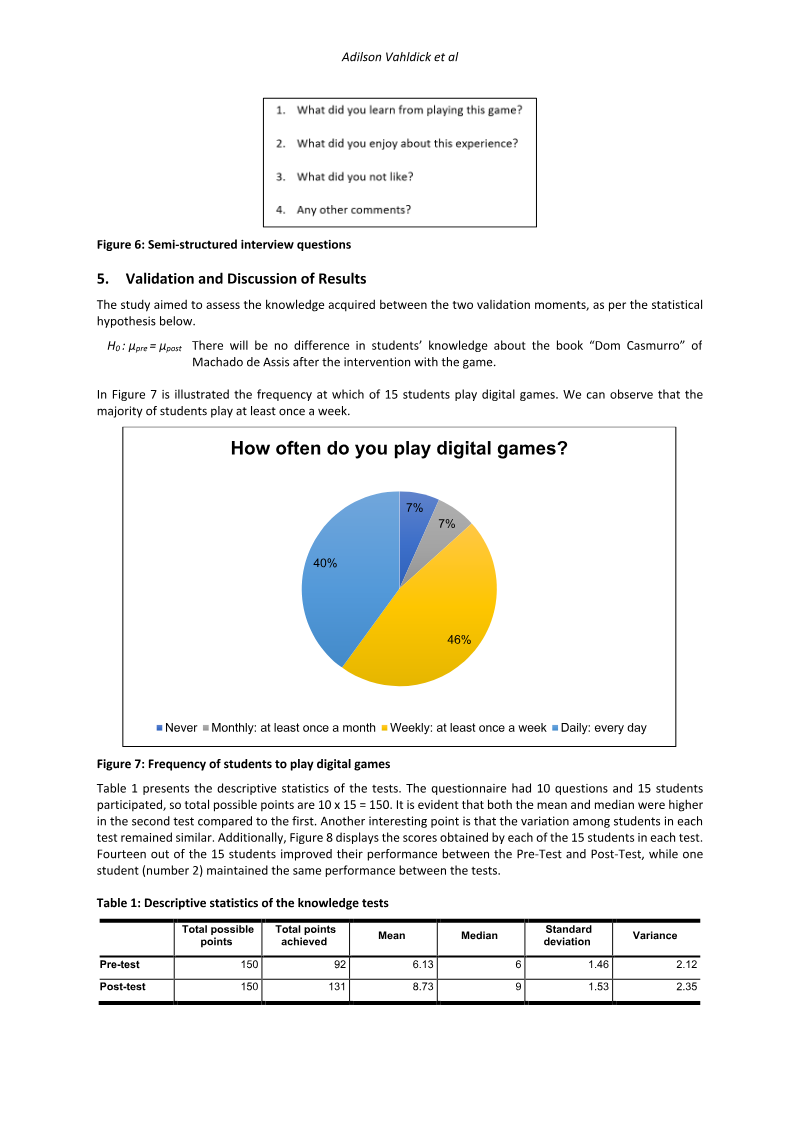
The study behind this assessment is a mixed-methods investigation involving 84 participants aged 12 to 26, using pre- and post-tests to measure changes in understanding. Engagement was high, with 80 percent of players finding the game interesting and 78 percent finding it engaging, and most reported a clearer grasp of human-nature relationships and ecosystem services. Yet the post-game explanations were shorter and less analytical than pre-game responses, only 19 percent of players felt confident explaining ecosystem services to peers, and participants struggled particularly with distinguishing supporting from regulating services.
The authors conclude that the game is a promising tool for generating engagement and conveying cause-and-effect relationships, but that a single play session is insufficient to produce deep or lasting comprehension of ecosystem services. The supporting literature spans ecological research on lake sedimentation and vegetation change in the Kurtna region and studies on how educational games affect learning, motivation, and engagement.
European Conference on Games Based Learning (ECGBL) · 2024
European Conference on Games Based Learning (ECGBL) · 2024
European Conference on Games Based Learning (ECGBL) · 2024
European Conference on Games Based Learning (ECGBL) · 2024
European Conference on Games Based Learning (ECGBL) · 2024
European Conference on Games Based Learning (ECGBL) · 2024
European Conference on Games Based Learning (ECGBL) · 2024
European Conference on Games Based Learning (ECGBL) · 2024
European Conference on Games Based Learning (ECGBL) · 2024
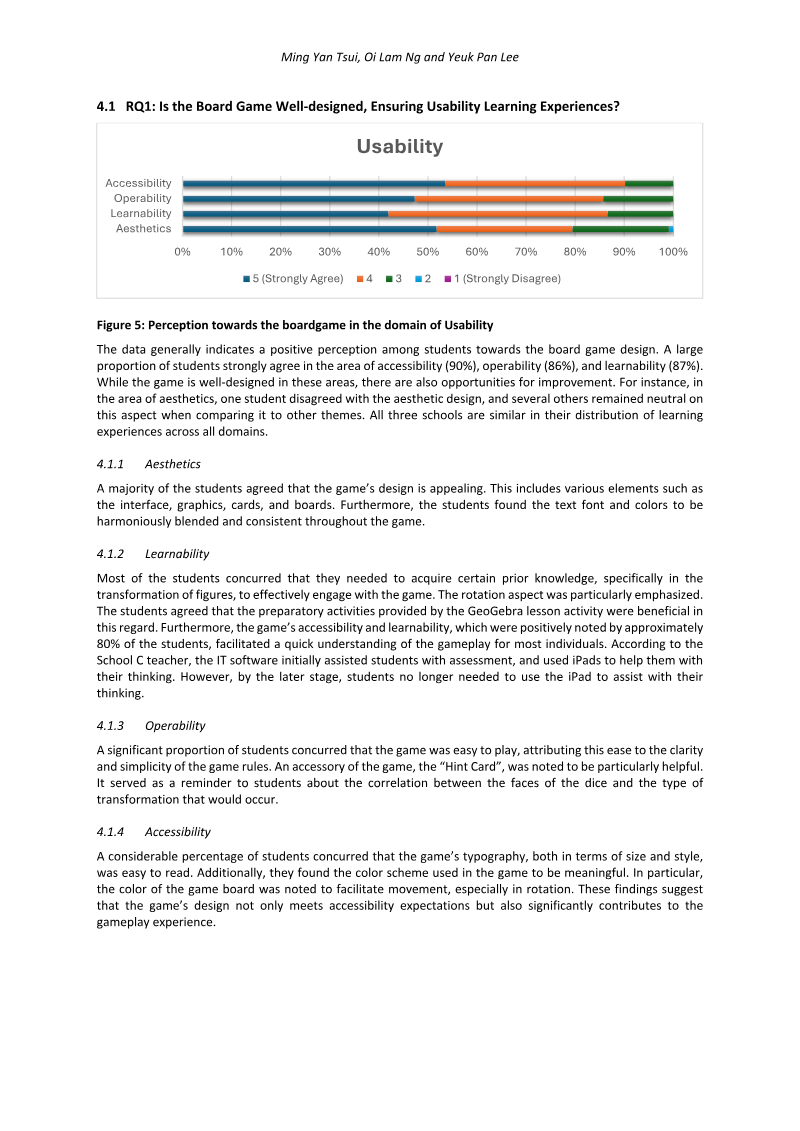
European Conference on Games Based Learning (ECGBL) · 2024
European Conference on Games Based Learning (ECGBL) · 2024
European Conference on Games Based Learning (ECGBL) · 2024
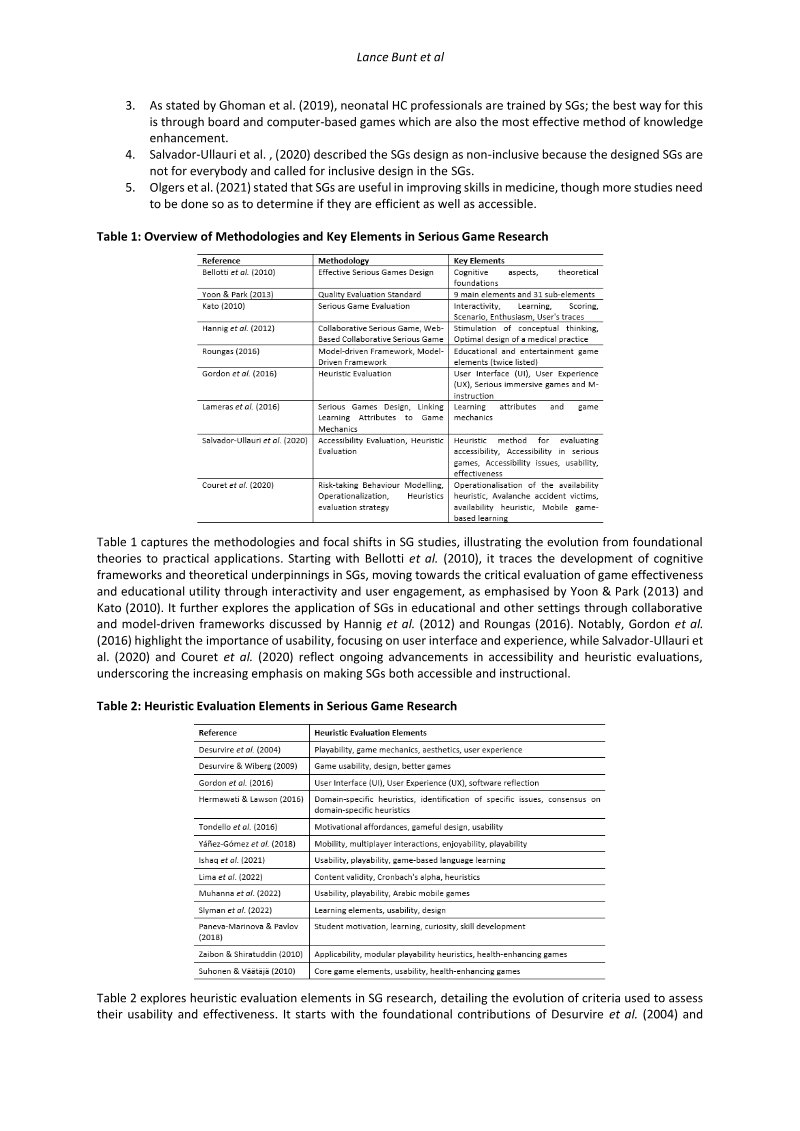
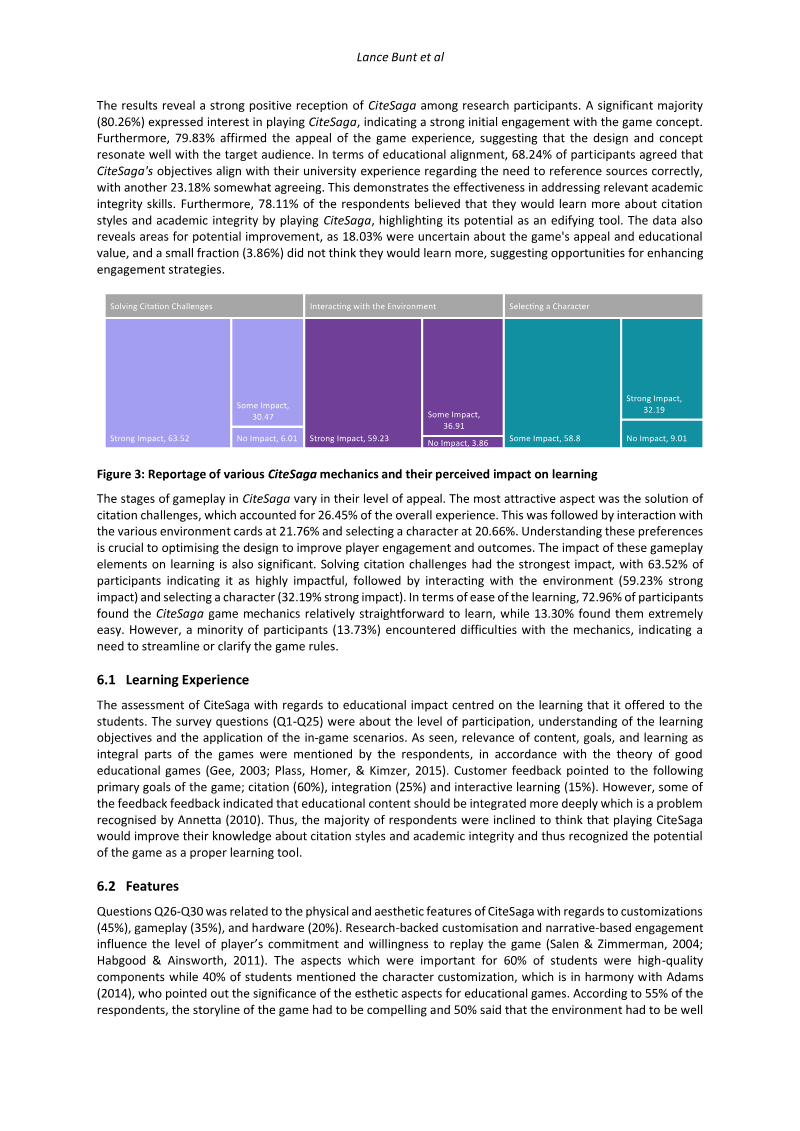
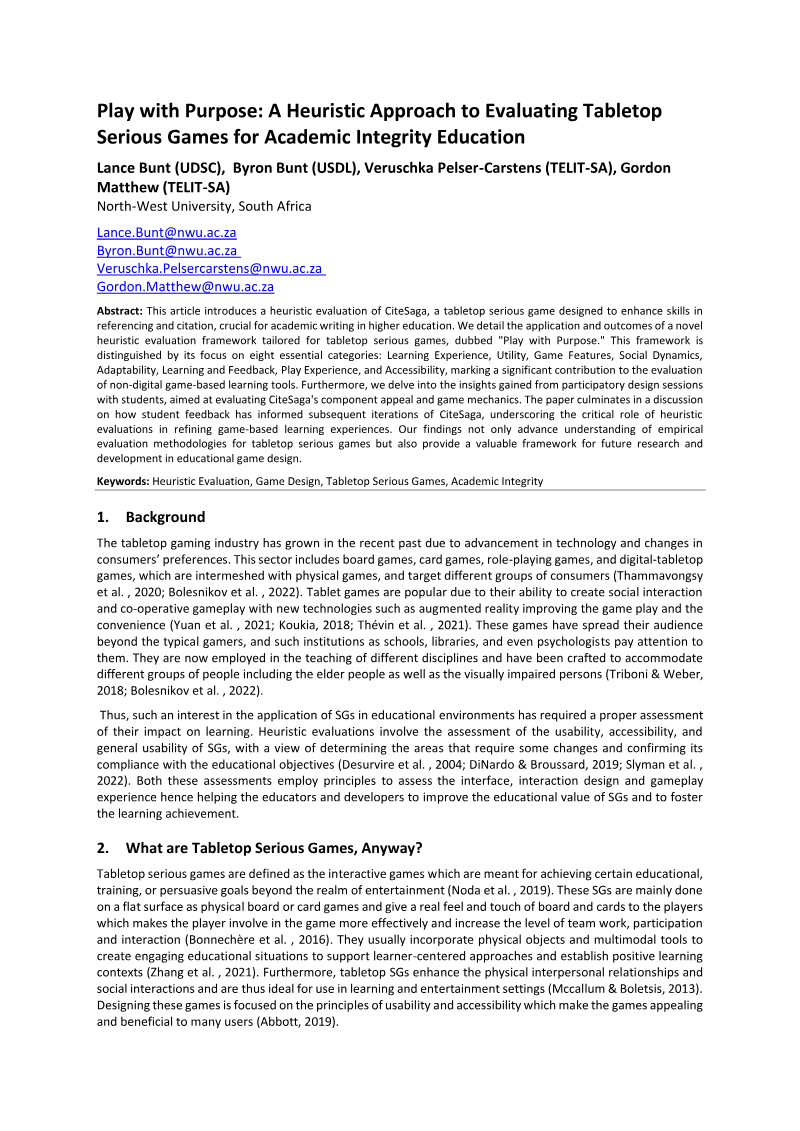
European Conference on Games Based Learning (ECGBL) · 2024
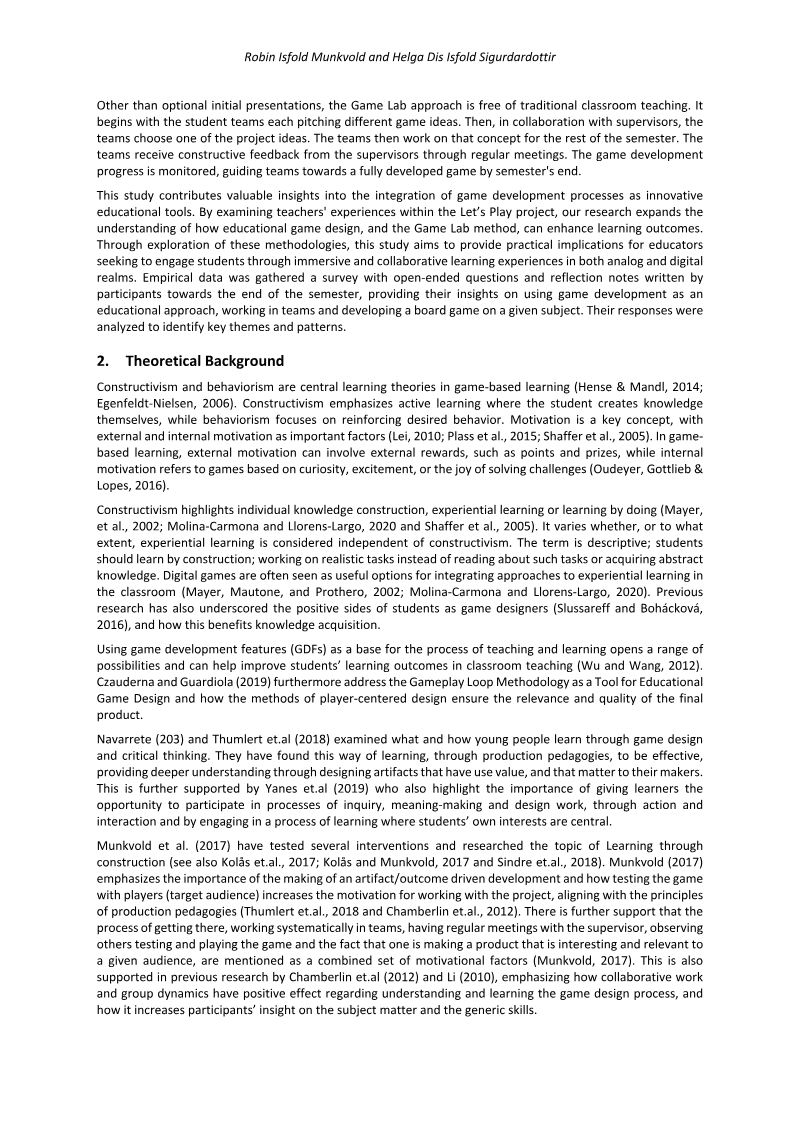
European Conference on Games Based Learning (ECGBL) · 2024
European Conference on Games Based Learning (ECGBL) · 2024