Games and companies in this document
Connections
Each row is a game or company this document names, each column a document, oldest first. A mark means that document names it. Select a row to see those documents.
More on Game Design
View all


Whitepaper
Analogue Games and Digital Literacy: The NetSmart Case Study with Older People
European Conference on Games Based Learning (ECGBL) · 2025
Whitepaper
Training for Board Game-Based Learning: Evaluation Model and Preliminary Results From a National Program in Italy
European Conference on Games Based Learning (ECGBL) · 2024
Whitepaper
Fun and Functional: Using Non-Digital Games to Promote Maths Engagement in Pre-service Teachers
European Conference on Games Based Learning (ECGBL) · 2024
Whitepaper
Pavement Designs and Game Boards from Public Spaces of Ancient Athens: A Review Across the Board
Board Game Studies Journal · 2022



Whitepaper
Designing Conceptual Framework of a Digital Twin Serious Game for Climate-Resilient Cultural Tourism Management
Breda University of Applied Sciences · 2026



Whitepaper
Reshaping Failure: The Design of Hospites Teatro's Theatre Games
DiGRA · 2026
Whitepaper
Bridging Theory and Practice: Evaluating a Game-Based VR Approach in Construction Education
European Conference on Games Based Learning (ECGBL) · 2025
Whitepaper
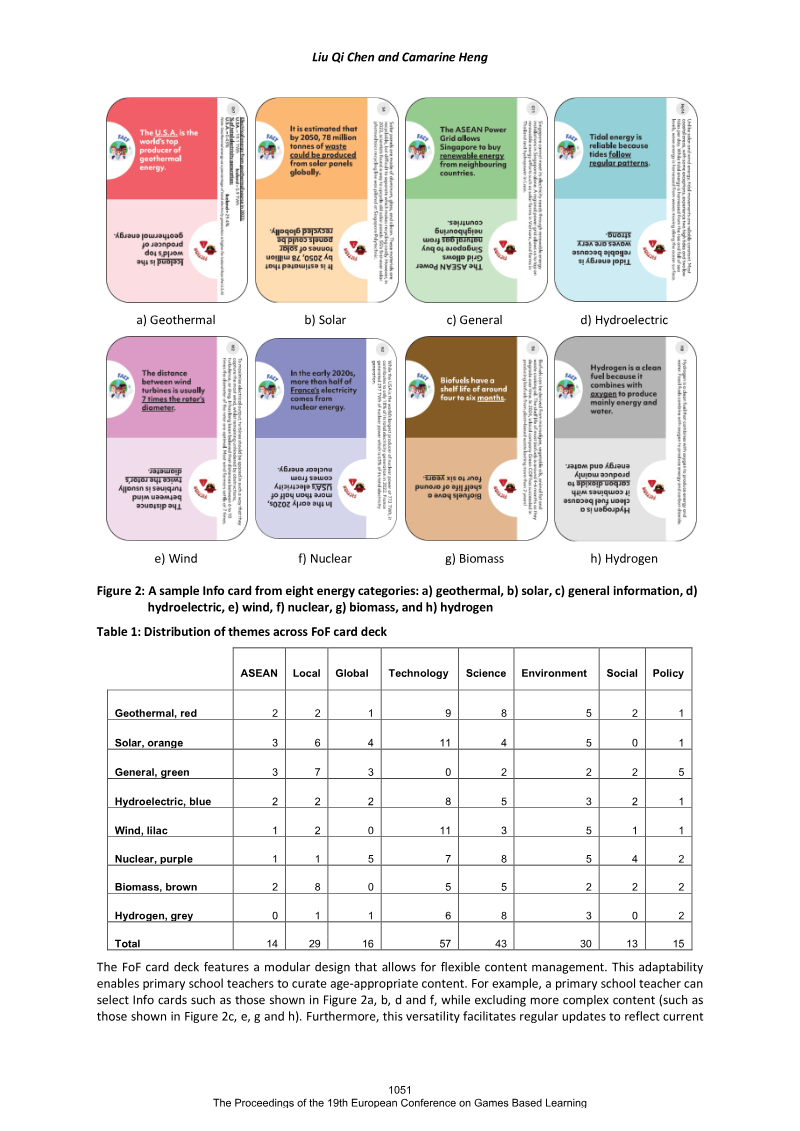
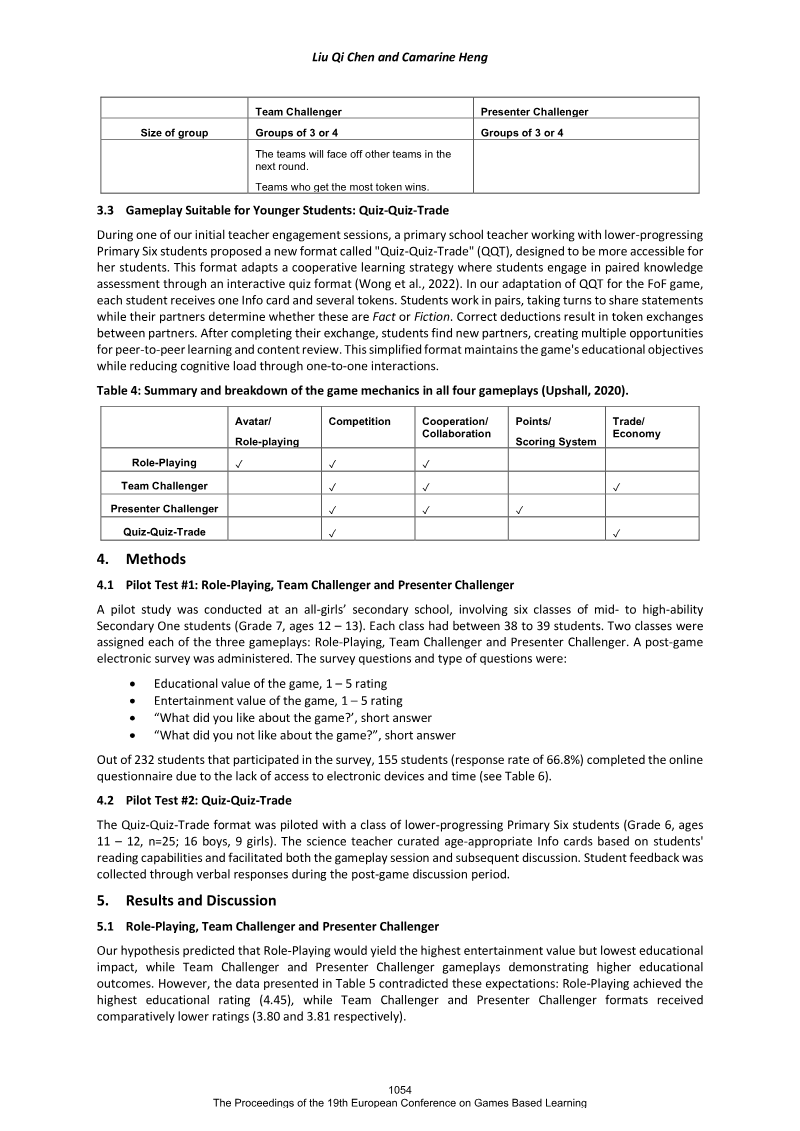
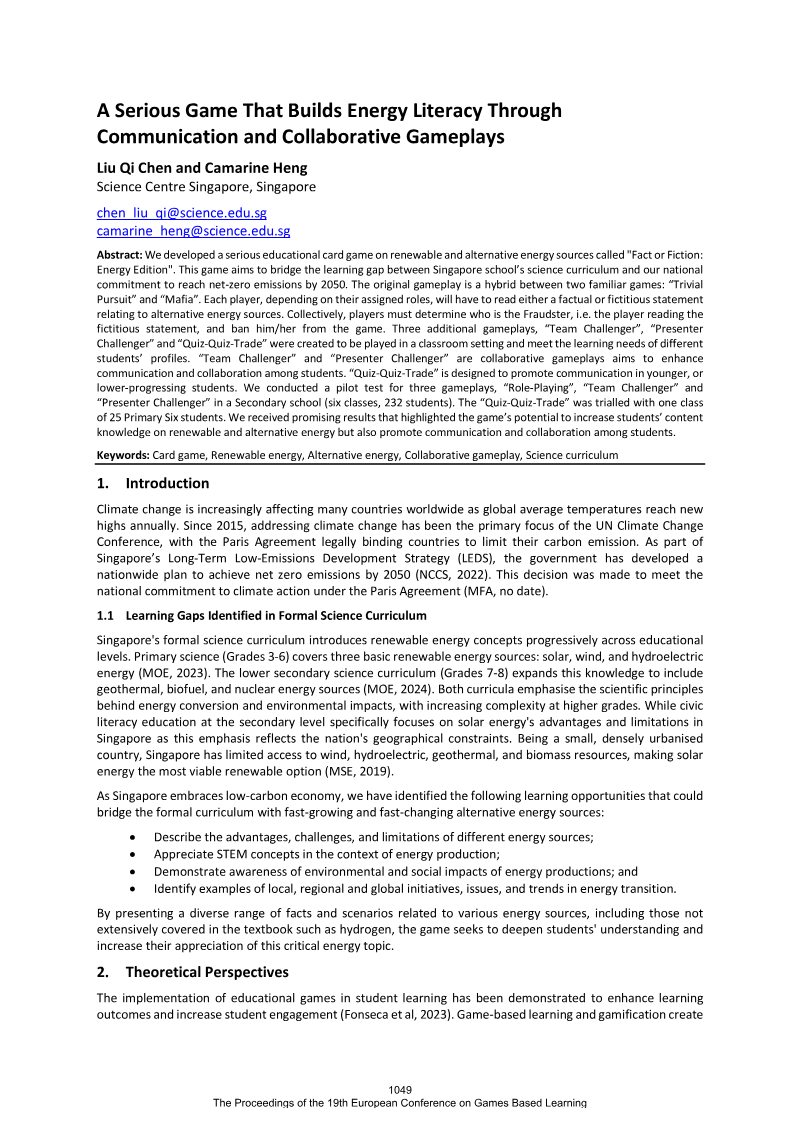
A Serious Game That Builds Energy Literacy Through Communication and Collaborative Gameplays
European Conference on Games Based Learning (ECGBL) · 2025
Whitepaper
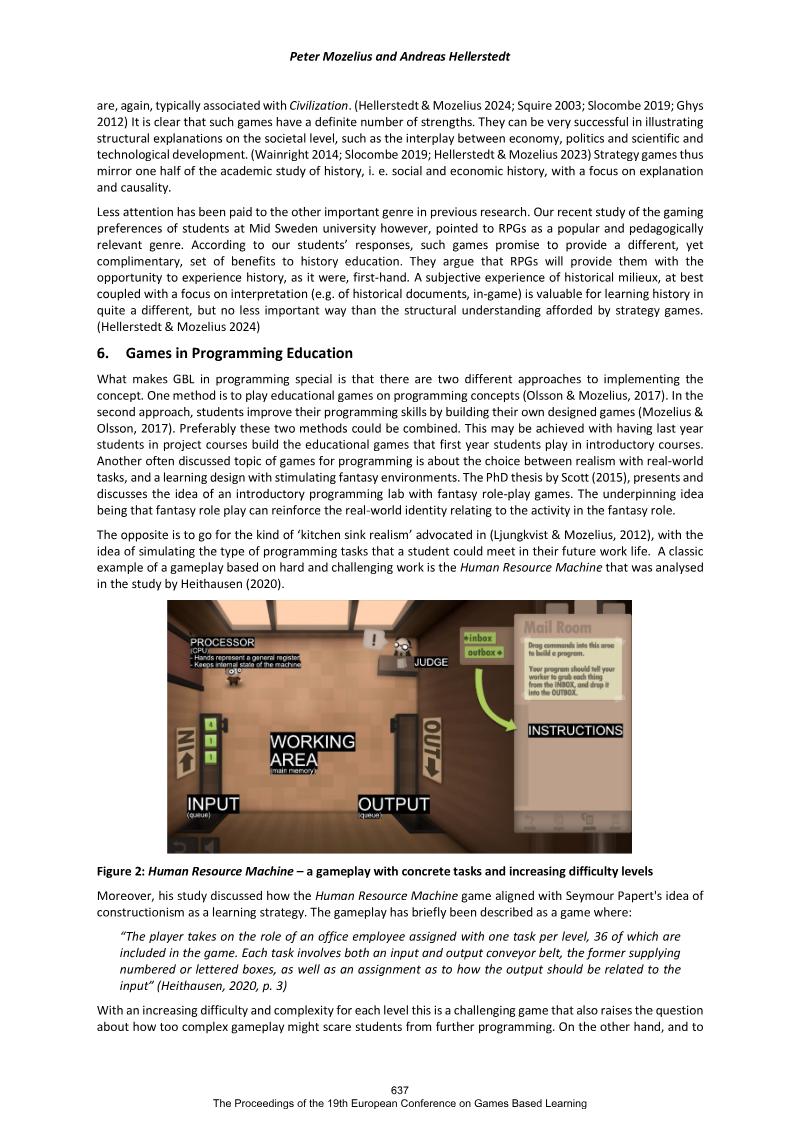
Creating the Foundation for a Virtual Game-Based Learning Lab to Stimulate Distance Education
European Conference on Games Based Learning (ECGBL) · 2025
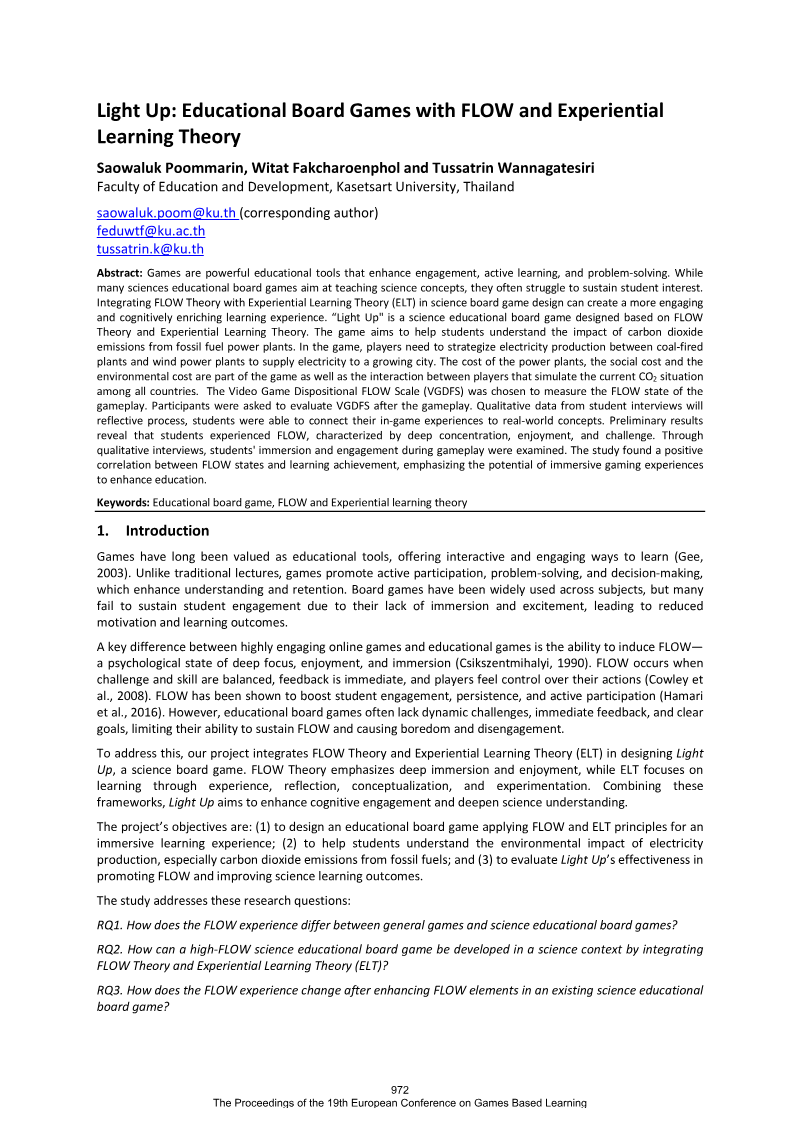
Whitepaper
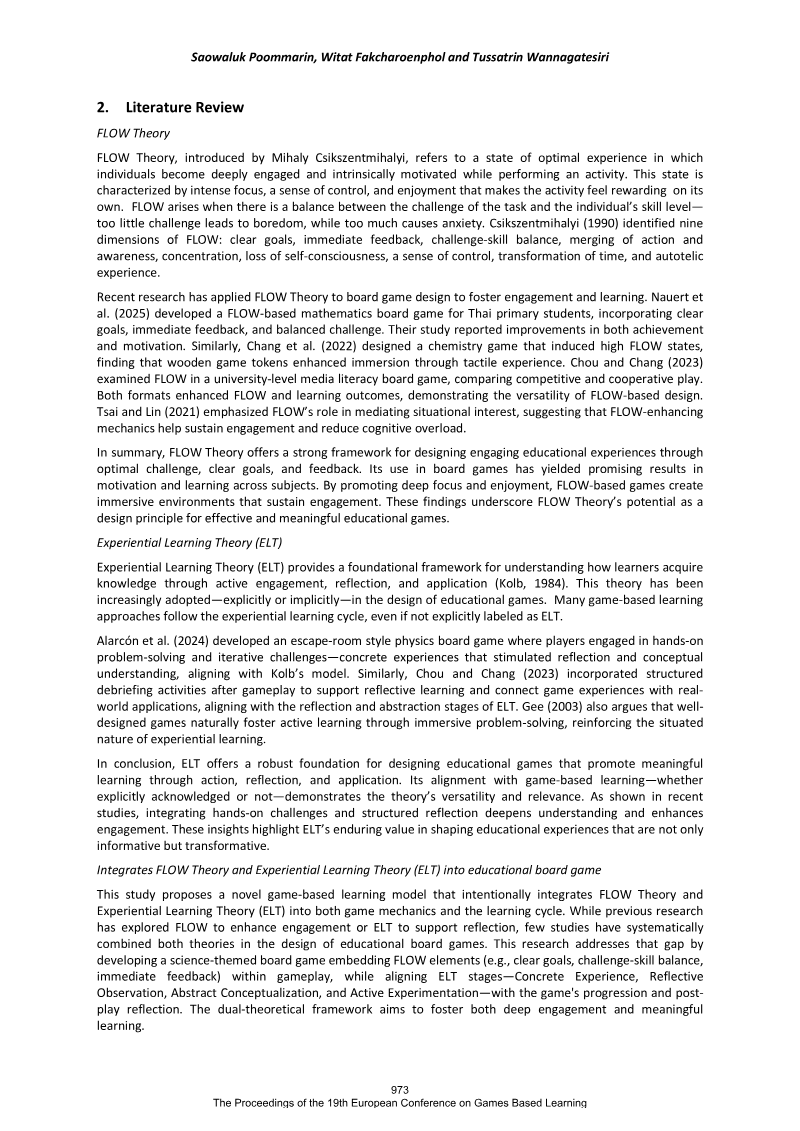
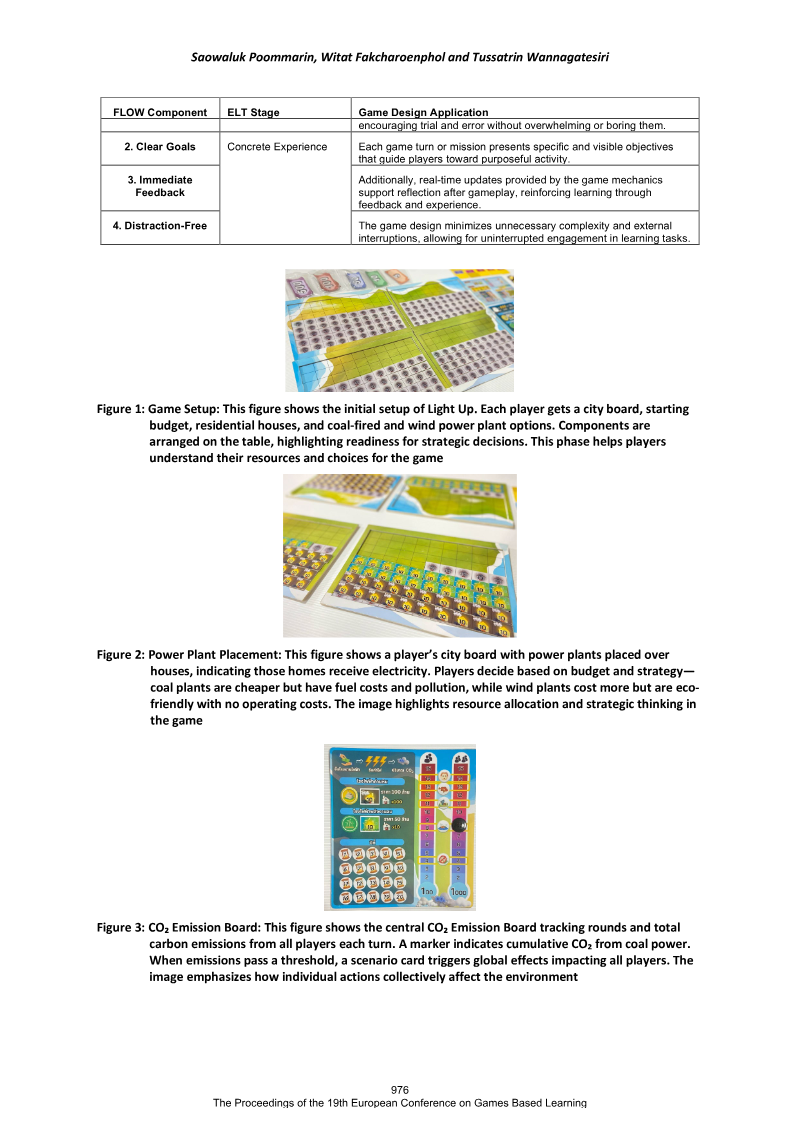
Light Up: Educational Board Games with FLOW and Experiential Learning Theory
European Conference on Games Based Learning (ECGBL) · 2025
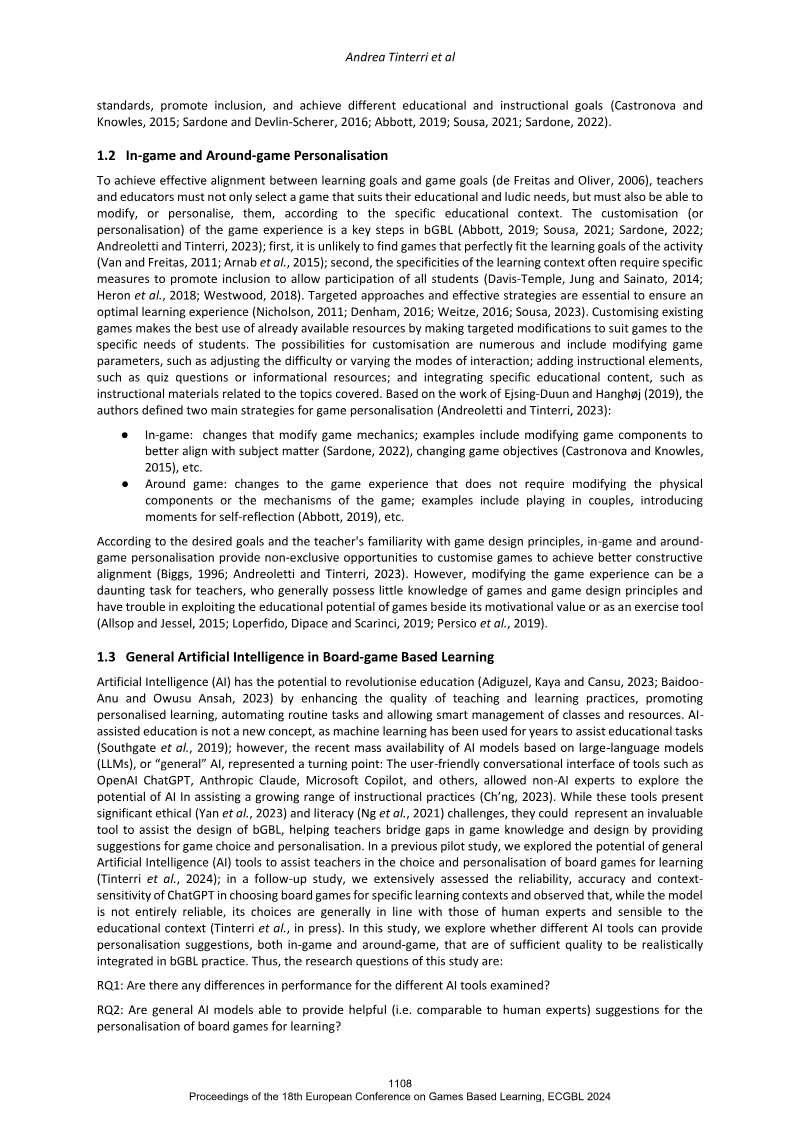
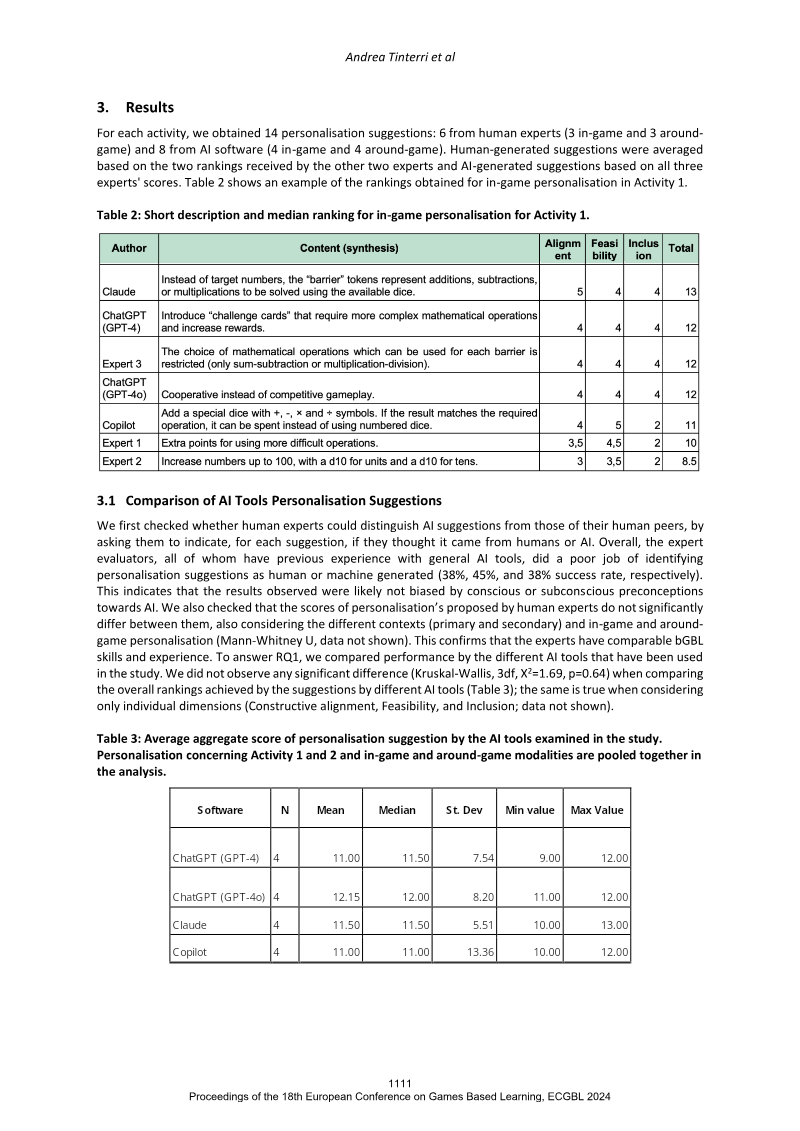
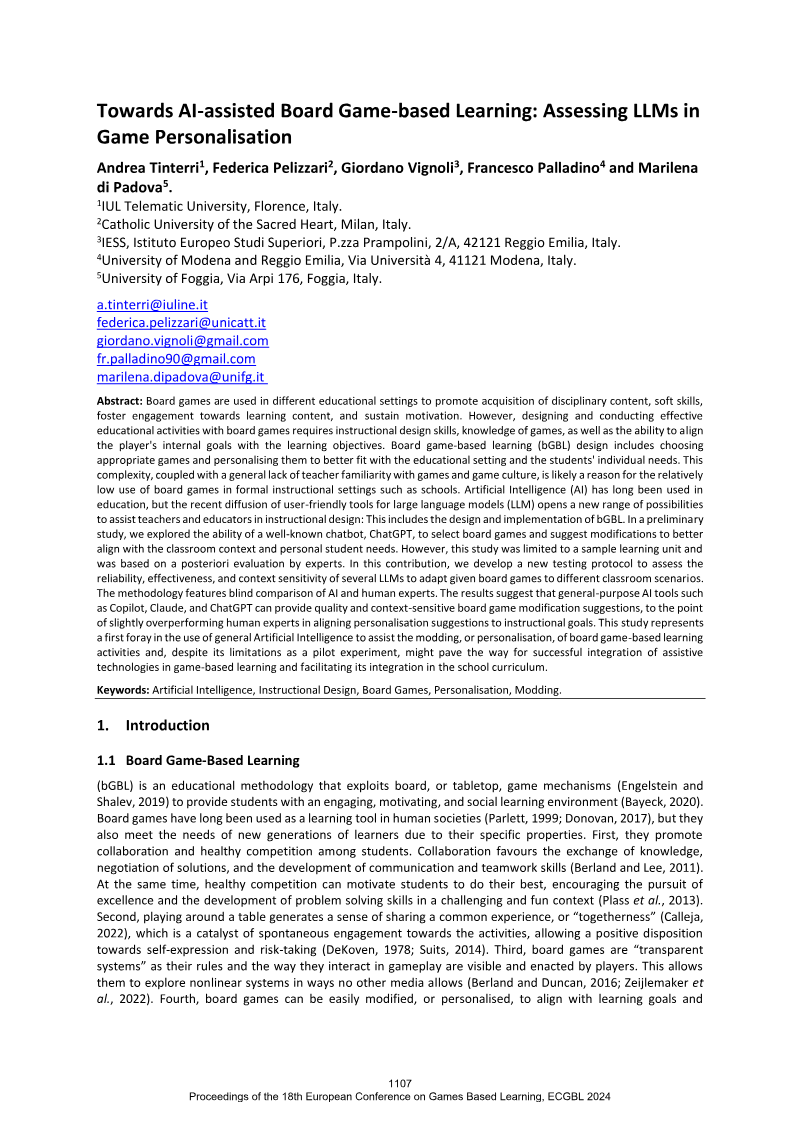
Whitepaper
Towards AI-Assisted Board Game-Based Learning: Assessing LLMs in Game Personalisation
European Conference on Games Based Learning (ECGBL) · 2024
Whitepaper
The Game of Dominoes as Teaching-Learning Method of Basic Concepts of Differential Calculus
European Conference on Games Based Learning (ECGBL) · 2024