1 free read left. Create a free account for unlimited reading + AI research.
Create free accountWhitepaper European Conference on Games Based Learning (ECGBL)
1 free read left. Create a free account for unlimited reading + AI research.
Create free accountWhitepaperEuropean Conference on Games Based Learning (ECGBL)
A bachelor-level elective with 26 students and a master's-level session with 10 students were held. Each lasted three to six hours and moved through game description, mapping, playtesting, and reflection.
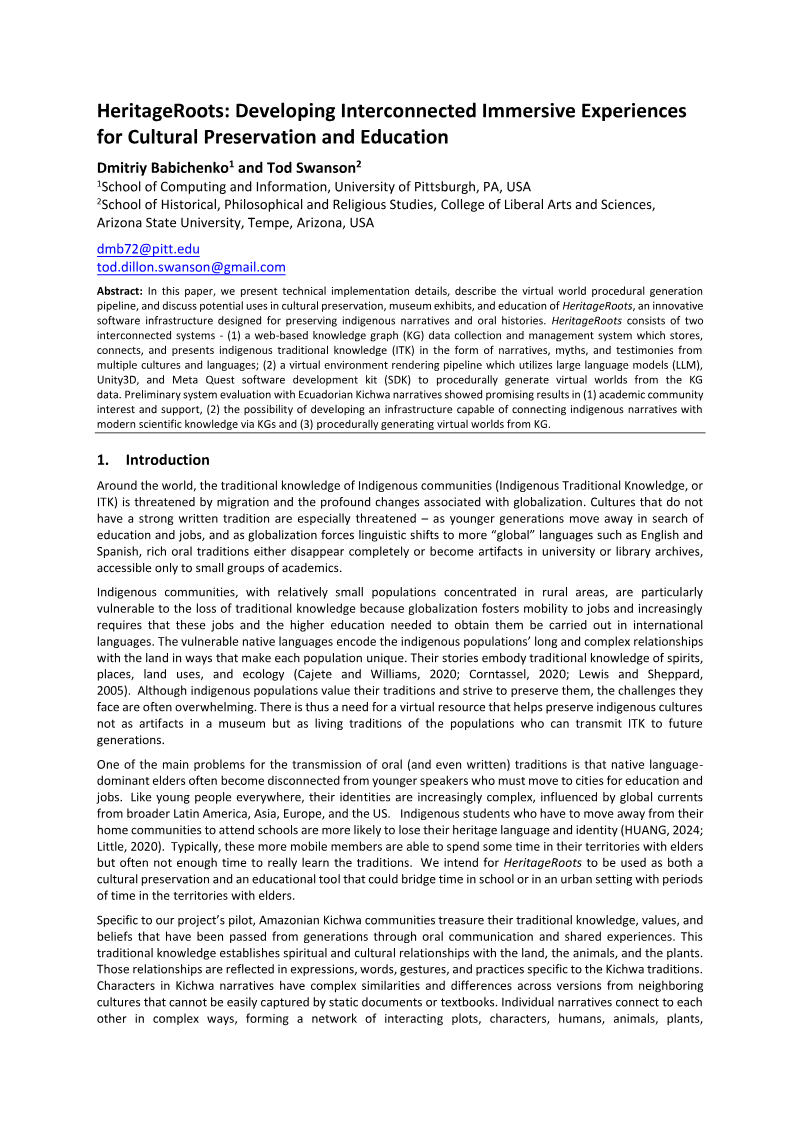
This paper presents preliminary findings from an exploratory study examining whether redesigning the board game Monopoly can cultivate gaming literacy among arts, design, and media students in higher education. Drawing on Zimmerman's (2008) model of gaming literacy, which centers on systems, play, and design as ways of understanding complex, real-world problems, the authors argue that a familiar game offers a scaffold for students to map, prototype, and simulate systemic challenges without prior game design expertise. The work is positioned as a work-in-progress contribution to pedagogical game research, with the central claim that Monopoly's balance of known rules and open hackability supports exploration of complexity.
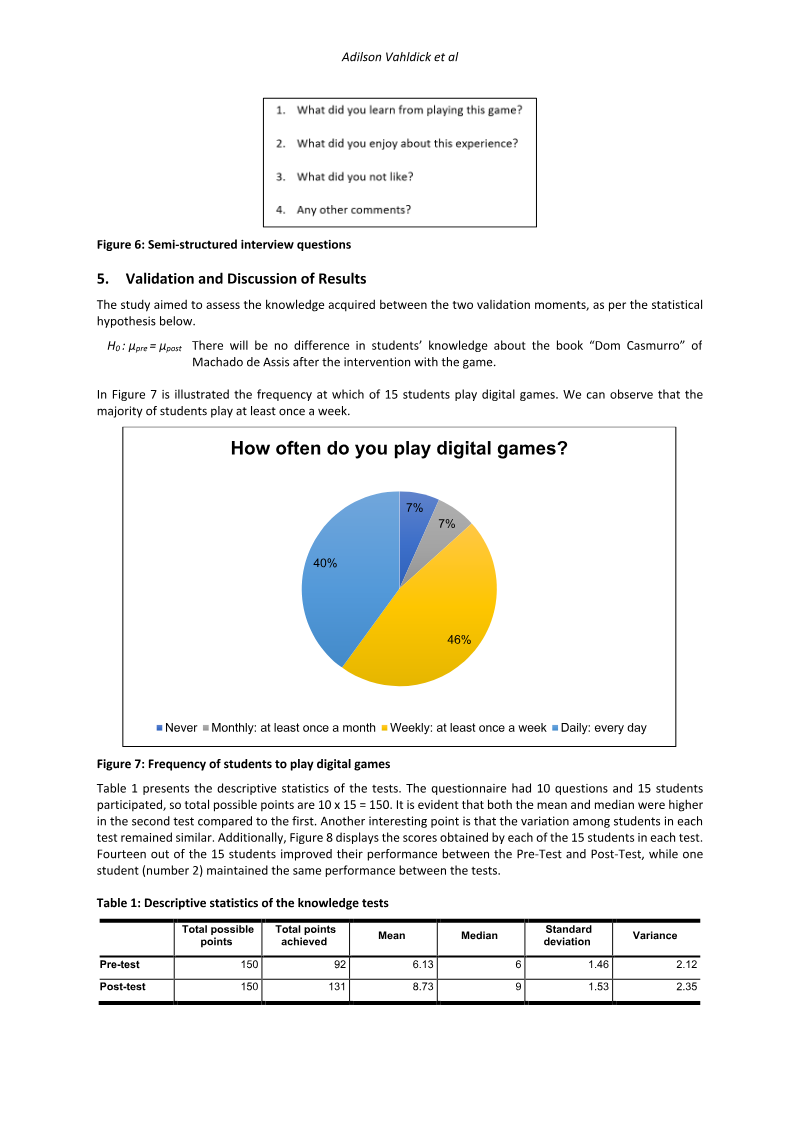
The study is based on two workshops held in spring 2024: a bachelor-level elective with 26 students from multiple specializations and a master's-level session with ten students in a single specialization. Each workshop lasted between three and six hours and followed a structured sequence: preparing a one-page game description, mapping an everyday complex challenge such as planning a party or shared living arrangement onto a Monopoly board, defining the goal of the game, iteratively playtesting and revising, and presenting and reflecting on the results. Data consisted of recorded and transcribed sessions, a group interview, and a questionnaire administered to the master's students, analyzed through thematic coding and basic quantitative tabulation.
Findings indicate that students built functional games around complex systems in a short time and reported greater confidence in game design when they could adapt rather than invent from scratch. Seventy percent of the surveyed master's students reported increased understanding of complex systems, while thirty percent reported no change. Participants also noted limitations: Monopoly's monetary focus constrained some groups, and many students gravitated toward discussion over iterative playtesting until facilitators intervened. The authors conclude that structured reflection is essential to learning outcomes and that the approach merits validation across other contexts and board games.
European Conference on Games Based Learning (ECGBL) · 2024
European Conference on Games Based Learning (ECGBL) · 2024
European Conference on Games Based Learning (ECGBL) · 2024
European Conference on Games Based Learning (ECGBL) · 2024
European Conference on Games Based Learning (ECGBL) · 2024
European Conference on Games Based Learning (ECGBL) · 2024
European Conference on Games Based Learning (ECGBL) · 2024
European Conference on Games Based Learning (ECGBL) · 2024
European Conference on Games Based Learning (ECGBL) · 2024
European Conference on Games Based Learning (ECGBL) · 2024
European Conference on Games Based Learning (ECGBL) · 2024
European Conference on Games Based Learning (ECGBL) · 2024
European Conference on Games Based Learning (ECGBL) · 2024
European Conference on Games Based Learning (ECGBL) · 2024
European Conference on Games Based Learning (ECGBL) · 2024