1 free read left. Create a free account for unlimited reading + AI research.
Create free accountWhitepaper Board Game Studies Journal
1 free read left. Create a free account for unlimited reading + AI research.
Create free accountWhitepaperBoard Game Studies Journal
Many carved designs in key public spaces of ancient Athens were identified as game boards. The study examines these pavements across the Roman Agora, the Horologion, the Hephaisteion and Hadrian's Library complex.
Barbara Carè's study examines carved pavement designs in key public spaces of ancient Athens, including the Roman Agora, the Horologion, the Hephaisteion, and Hadrian's Library complex. Its central argument is that many of these patterns, particularly circles and squares, have been too readily identified as game boards and dated to the Classical period. Given the scarce evidence for ancient game rules and the poor preservation of associated finds, the author calls for these interpretations to be revised and offers a systematic typology to support more reliable identification and chronological placement.
The catalogue covers square grids, rectangles, three-row patterns, concentric squares, circles, and clusters of holes, several of them newly added to the record. The study distinguishes between designs with firm links to known board games, such as rectangles with two rows of five squares, three-row layouts, concentric squares, and square grids, and those whose function remains ambiguous, such as circles and hole clusters. This separation is central to its methodological caution.
The analysis extends beyond identification to social context. The placement of these carvings is tied to movement routes and visibility, suggesting that they were part of how public spaces were used and appropriated. Some designs, such as eight-spoked circles near the Tower of the Winds, may have been reinterpreted as Christian Chi-Rho symbols in the Early Christian period, indicating remodelling of public space over time. Chronology remains limited, since buildings provide only a terminus post quem for engravings, though the "Nine men's morris" board on the destroyed sixth-century tetraconch church offers a firm late antique date. The study concludes that contextual examination of pavement designs and graffiti, including much unpublished material, can reveal diverse social activities in the ancient world.
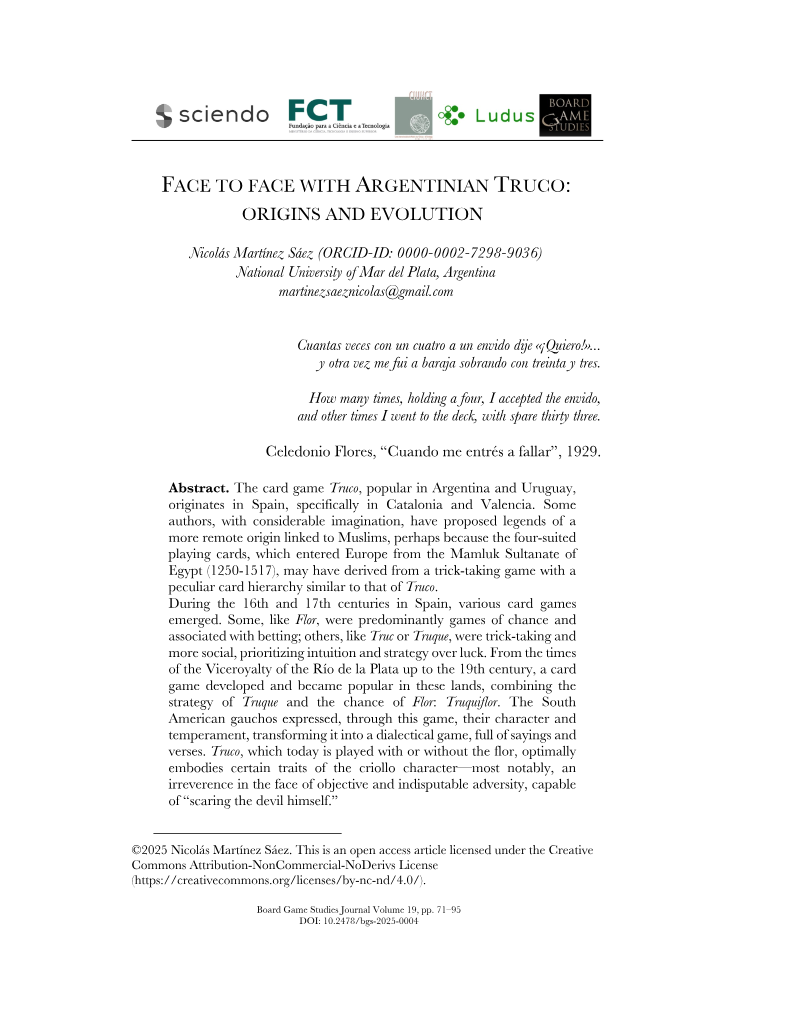
Board Game Studies Journal · 2025
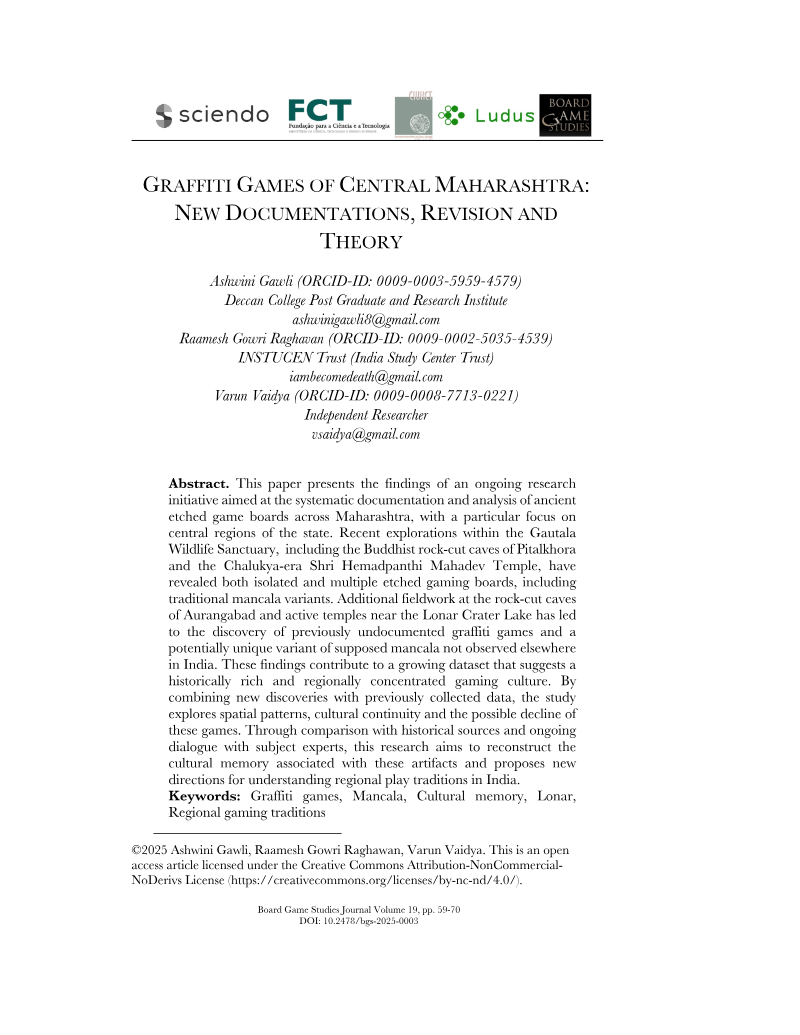
Board Game Studies Journal · 2025
Board Game Studies Journal · 2025
Board Game Studies Journal · 2025
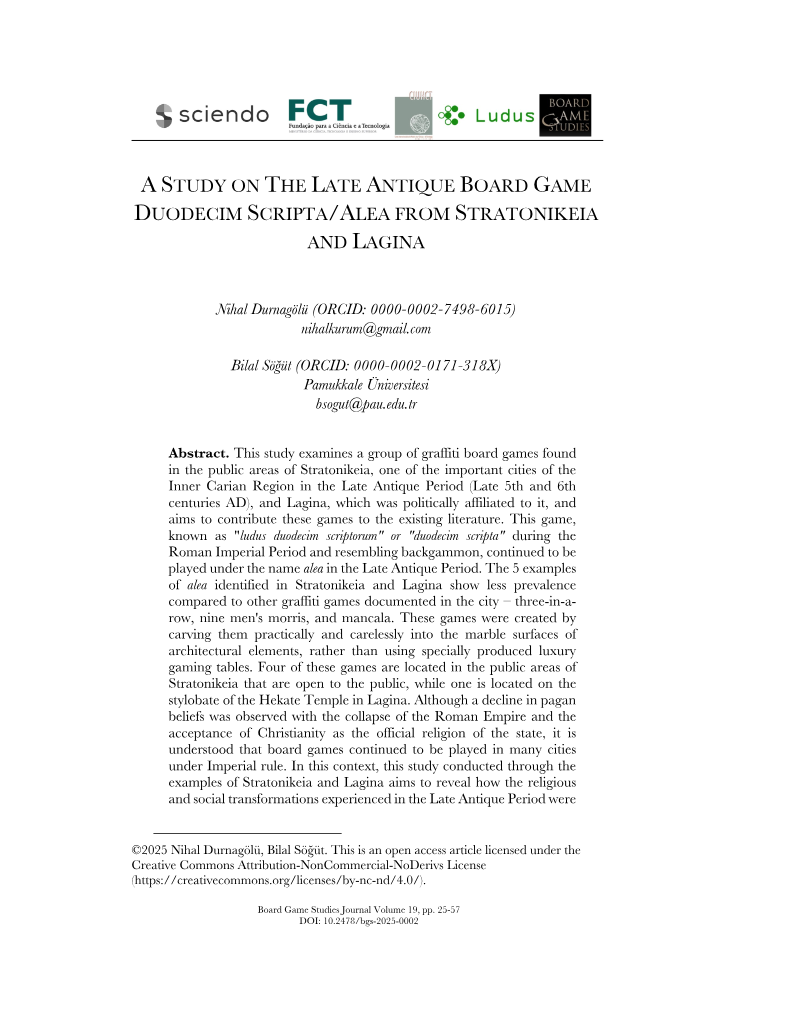
Board Game Studies Journal · 2025
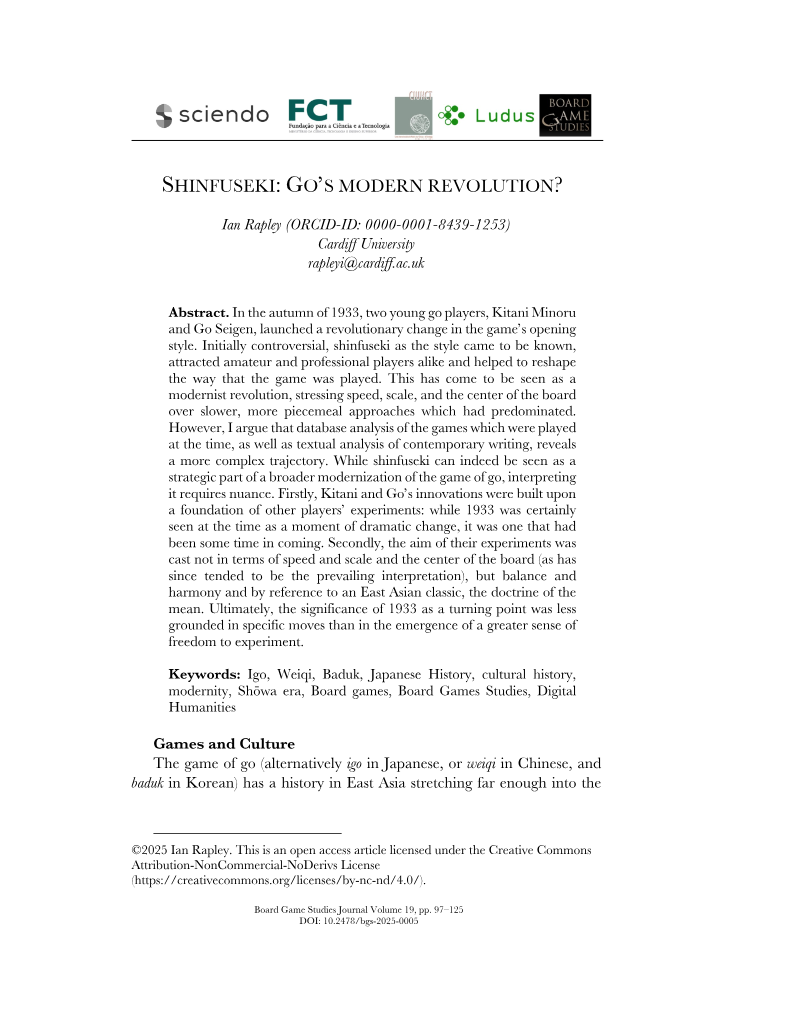
Board Game Studies Journal · 2025
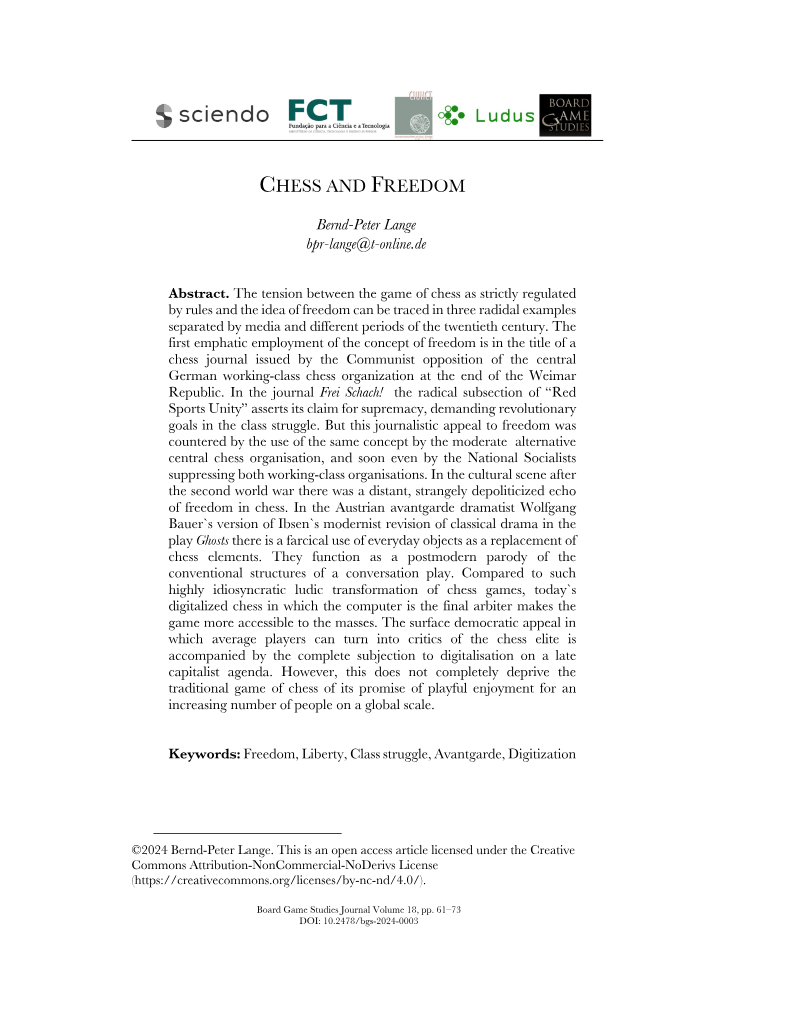
Board Game Studies Journal · 2024
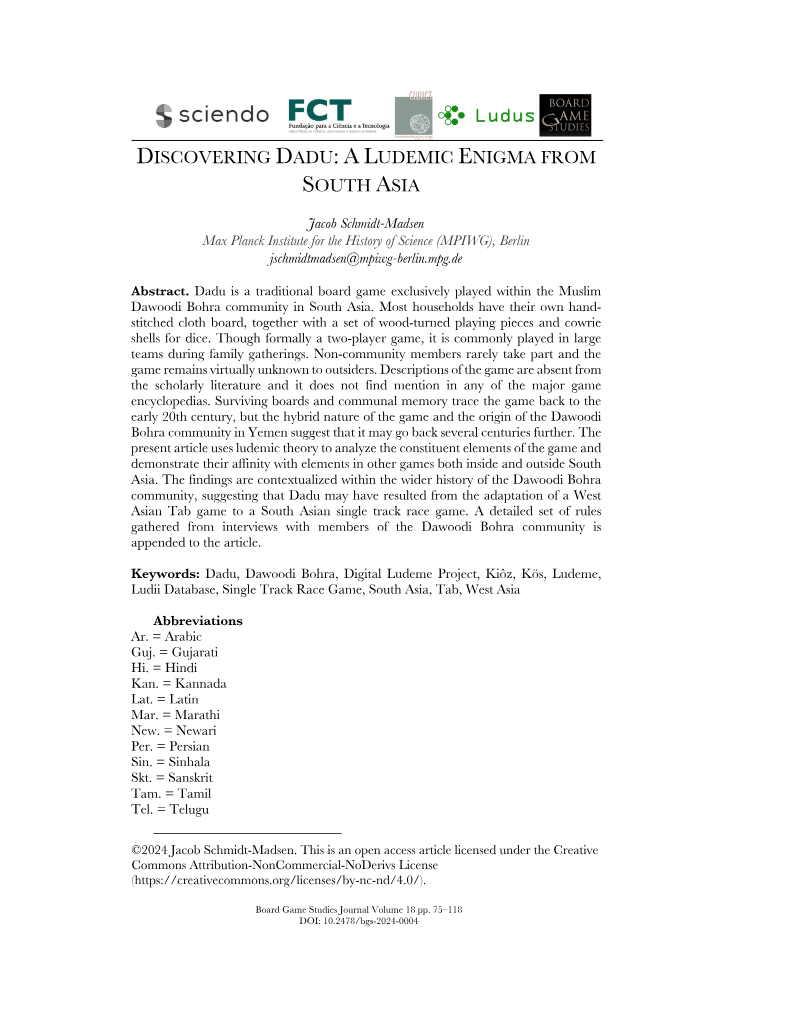
Board Game Studies Journal · 2024
Board Game Studies Journal · 2024
Board Game Studies Journal · 2024
Board Game Studies Journal · 2024
Board Game Studies Journal · 2023
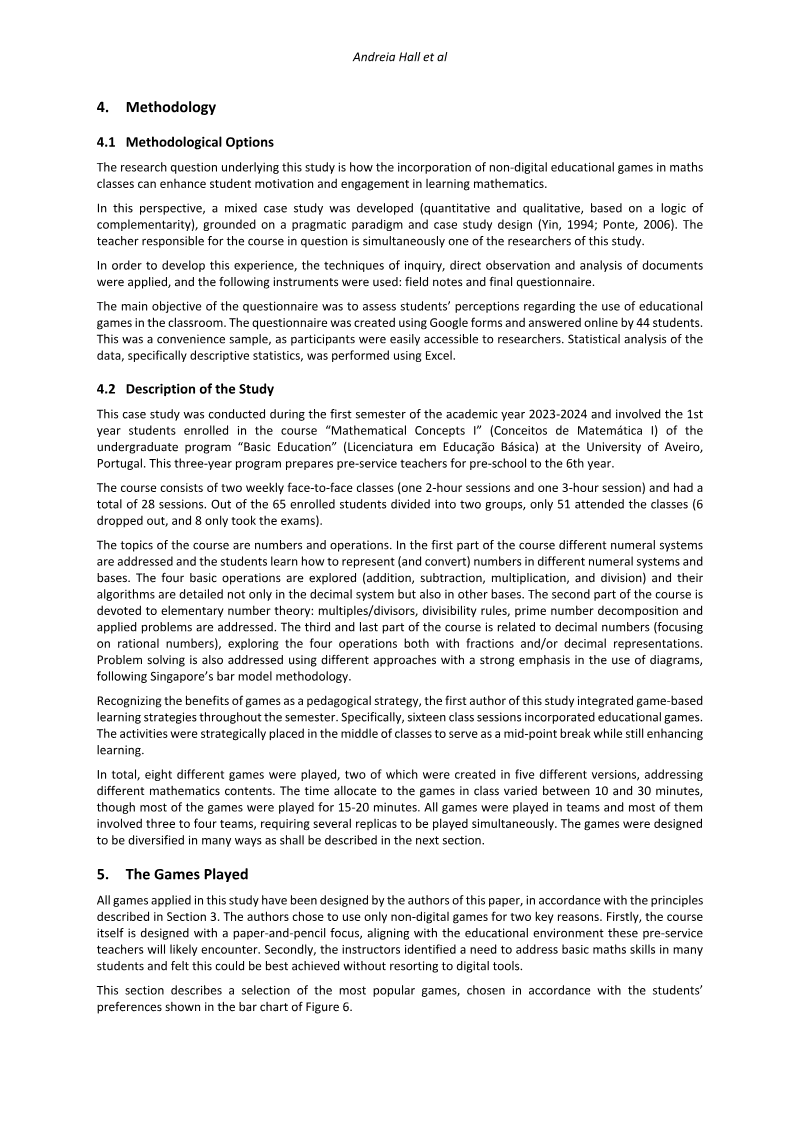
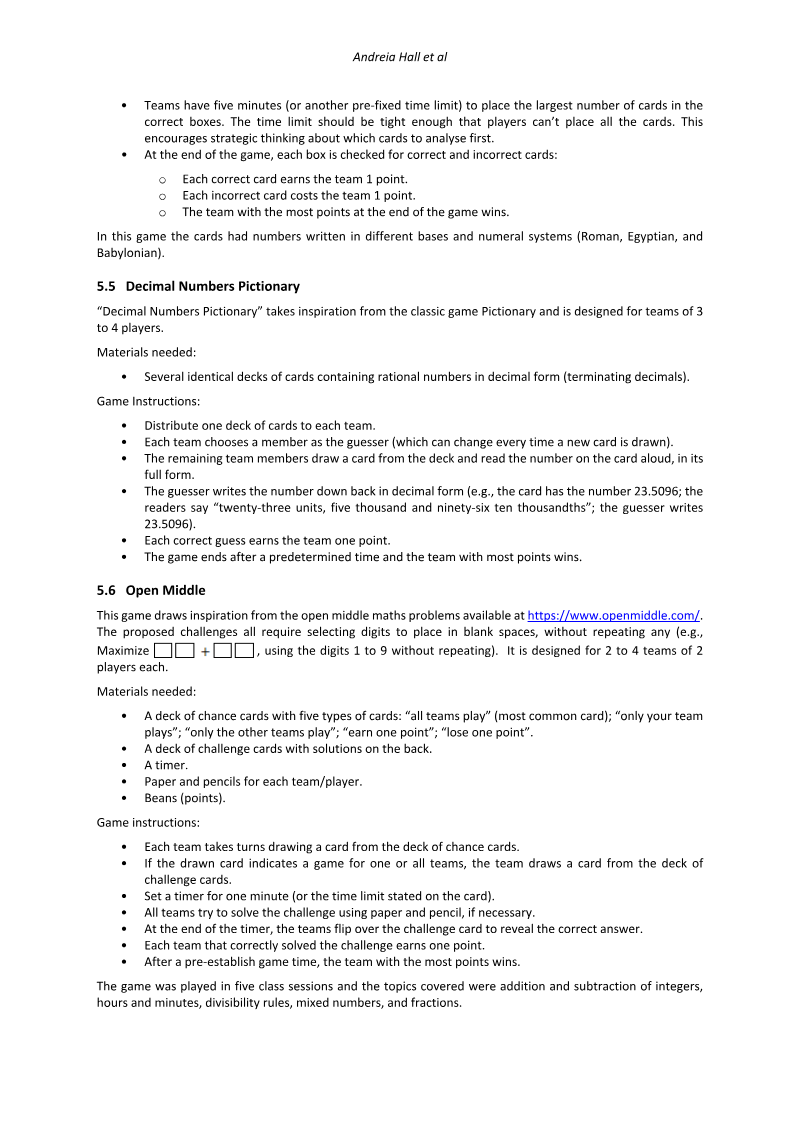
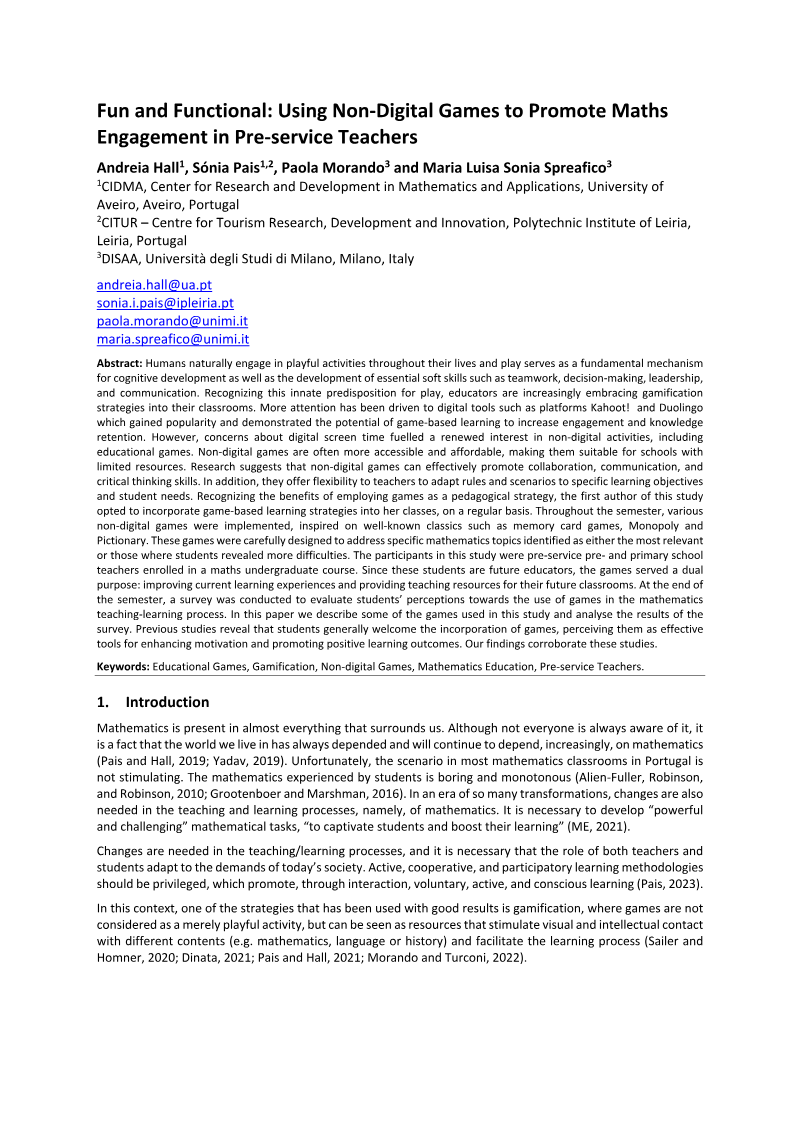
European Conference on Games Based Learning (ECGBL) · 2024
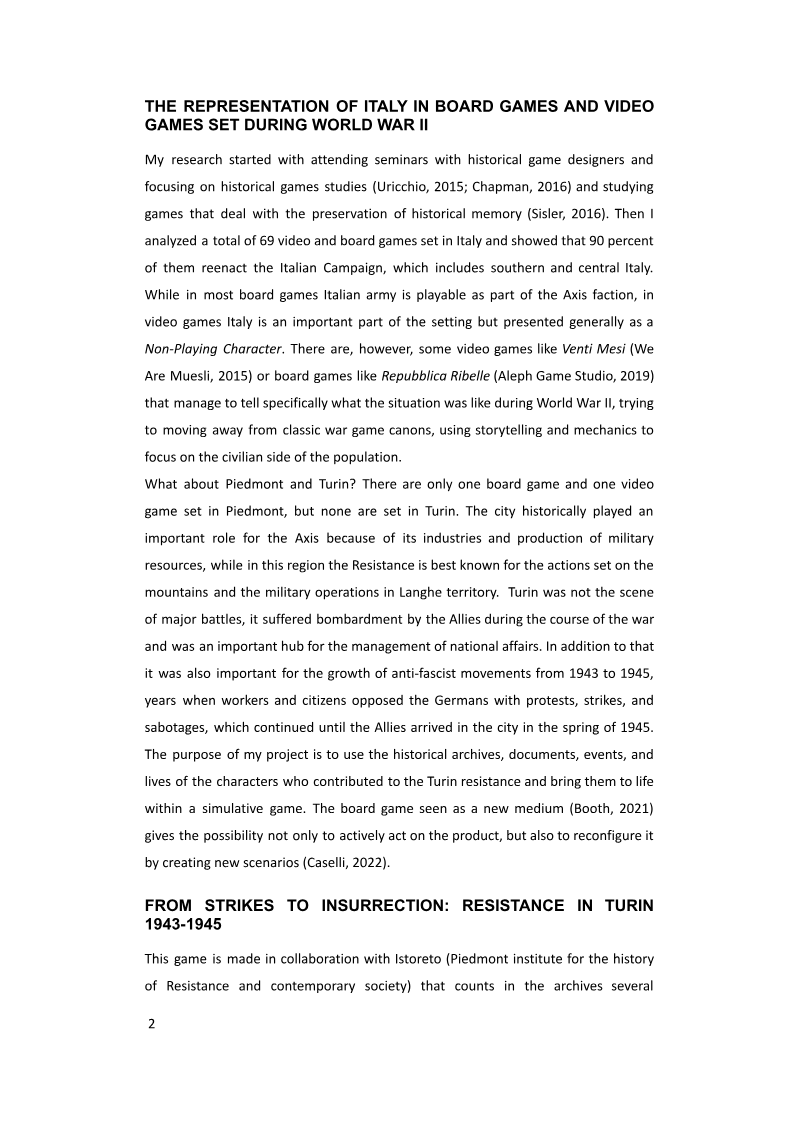
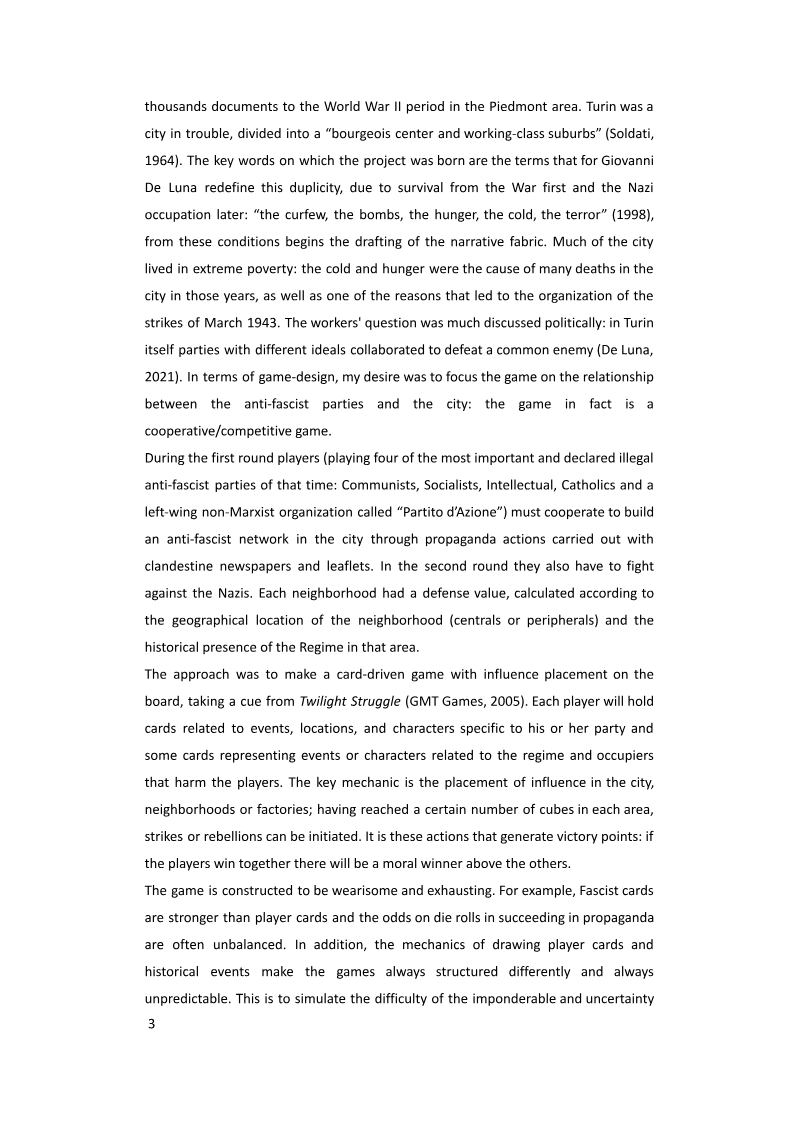
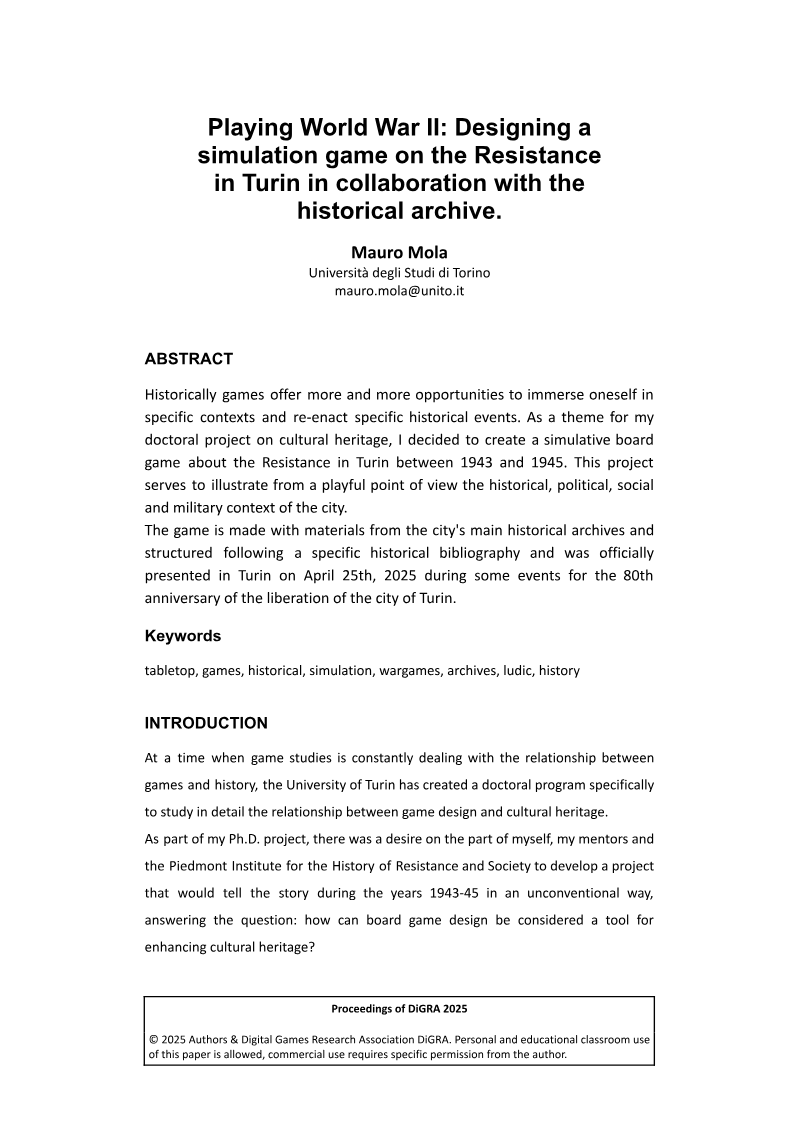
Università degli Studi di Torino · 2025
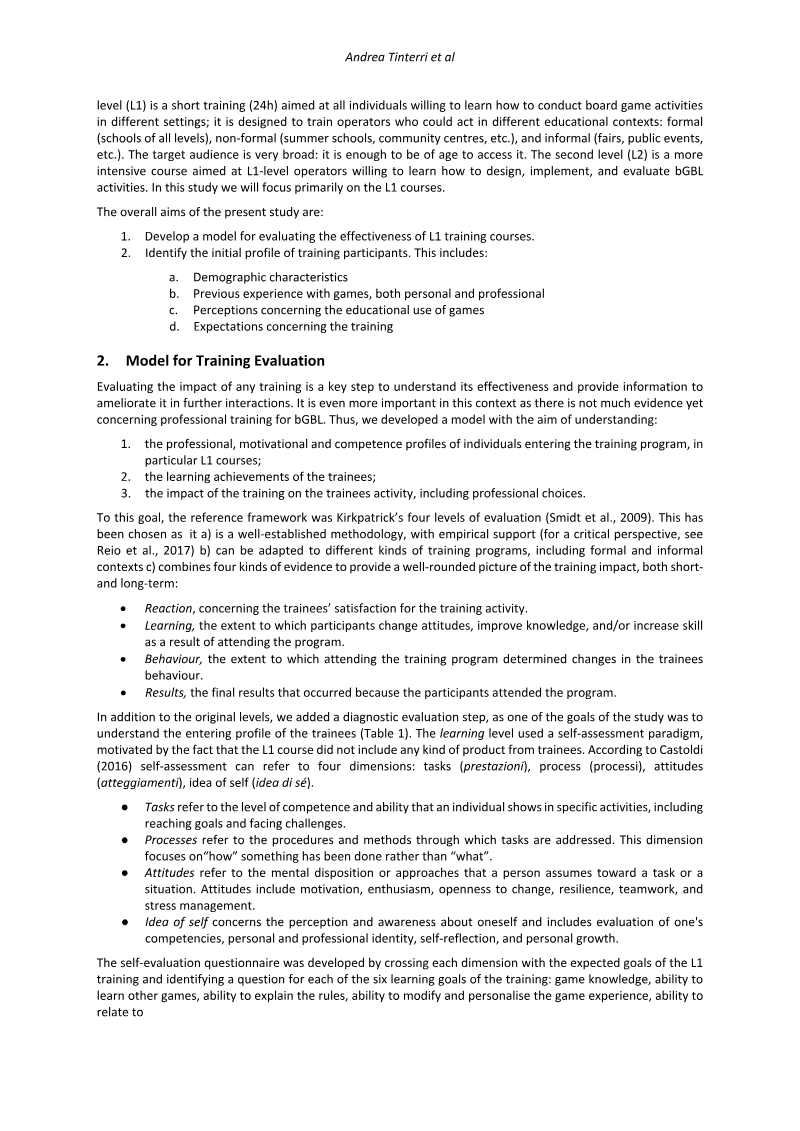
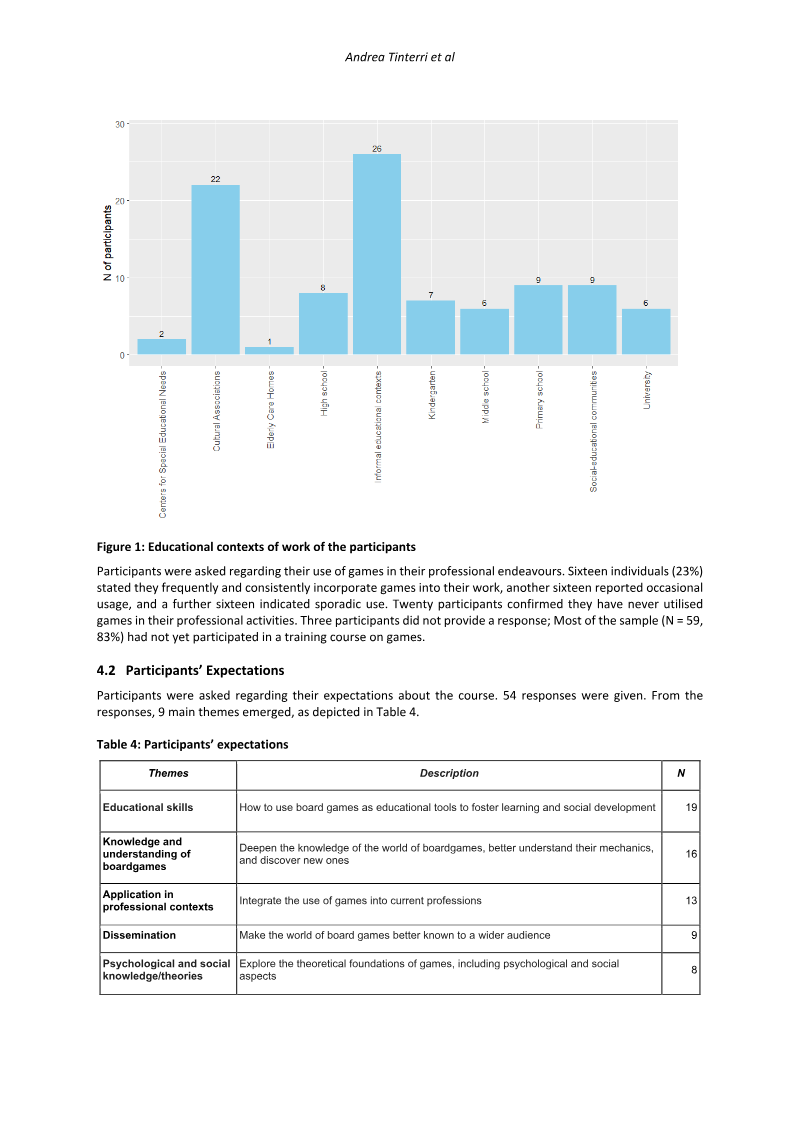
European Conference on Games Based Learning (ECGBL) · 2024