1 free read left. Create a free account for unlimited reading + AI research.
Create free account
Esports and the Region's Players View on Competitive Play
Key insights
7 takeaways- 01The MENA esports sector faces a critical disconnect between high player registration numbers and a lack of sustainable infrastructure, resulting in fragmented, prize-pool-driven events rather than a professionalized ecosystem.
- 02The core demographic of players aged 18 to 25 lacks the necessary business acumen to secure sponsorships and faces cultural skepticism regarding the legitimacy of esports as a viable career path.
- 03To build a sustainable industry, organizers are prioritizing the establishment of formal training academies and the integration of mental conditioning coaches modeled after international standards.
- 04Industry stakeholders are shifting toward data-driven performance metrics, such as eye-tracking technology, to quantify player skill and identify specific areas for professional development.
- 05Securing official licensing from global game publishers is a strategic priority to provide regional players with the professional pedigree required to compete on international stages.
- 06Localization is a primary barrier to growth, as reliance on poorly translated English-based platforms hinders participation; simplifying and localizing registration processes has been proven to significantly increase player engagement.
- 07Organizers aim to bridge the gap between isolated events and a cohesive industry by leveraging social media influencers to increase spectator engagement and entertainment value.
Ask AI about this video
Transcript
you my name is Naveen I am from Kuwait from zowie gaming we are an events company that started specializing in esports in gaming late last year and over the last year or so this is what I'm gonna be talking about a quick talk outline just a brief introduction about what we do initially we started our company in 2014 and last year around the summer we decided that it was time to diversify and we thought eSports in gaming would be the best new industry to get into and that being said we partner up with our first client and hit the ground running
and started working with our clients and our gamers to deliver the best experience we can to to everyone involved our first the first topic I'd like to address is why do players in our region's compete and most of everything we're going to be talking about here is gathered by gathered by us through our engagement with our players with our with the gamers the competitors that we've met throughout the last year and we make it a point to meet and talk to people in our events and are in all the tournaments that we organize to get their feedback and not just to make their next experience better but to get more information on how we can make it better what kind of games do they like to play why do they why do they compete why do they leave the comfort of their own home to come and join us and these are here if you can see a list of three questions that stand out and mainly we
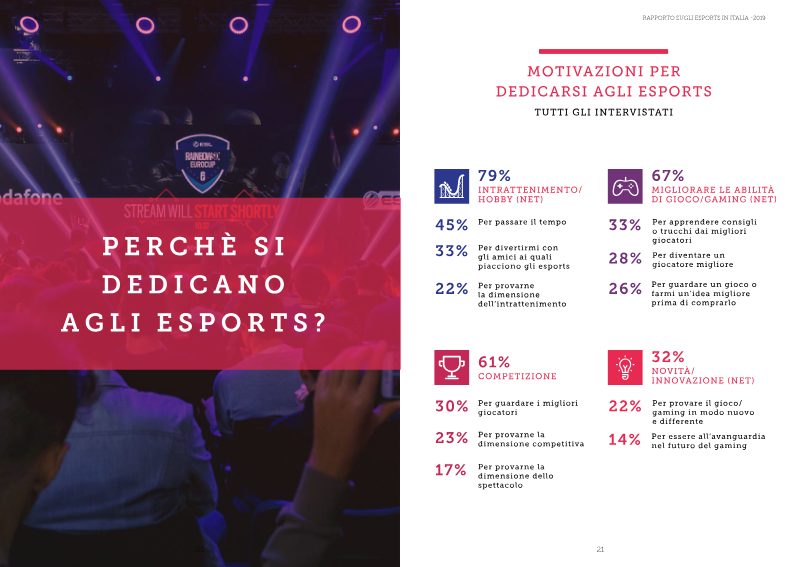
realize that a lot of these people come in and join us for the price pool they're in it for the money they're in it for the gifts that are gonna give it that are gonna be given out and the reason they're in it for that is because it's the most they can get out of competing in eSports tournaments in this part of the world they can't really get much other than that so we speak to some of them and ask them what are you looking forward to what's what's your next step you go pro do you want to what would he have in mind and they tell us yes but how and how can I do it where can I do it and we realize a lot of them are act called themselves professional players and that also takes us to the next point which is why do just a few names from this part of the world stand out we just had last year last summer we had ms-dos ad the FIFA World Cup winner who also made it to the finals again this year and he became a superstar in the Arab world and a lot of the people that we work with and we we talked to want to be the next
ms-dos city and that's just talking about FIFA and we're not talking about the other games as well so why is it a dream for Mena players to compete on the big stage the main reason for that we believe is they don't have the opportunity to be on a big stage in this part of the world because we don't have the following for easy enough big enough following for eSports we have people who come to compete and that's pretty much it we'll get a thousand registrations a thousand people to come and play and those thousand people will be those only thousand people there you won't fill out a stadium you won't have people coming to watch watch them play etc and that's mainly because of of not making it into an entertainment not adding the entertainment factor into it and something else we've also realized is why do people always know a guy who knows a guy who is the first in some game or the other he's alleged the hearthstone he's the world he's the best player in Australia when he was studying
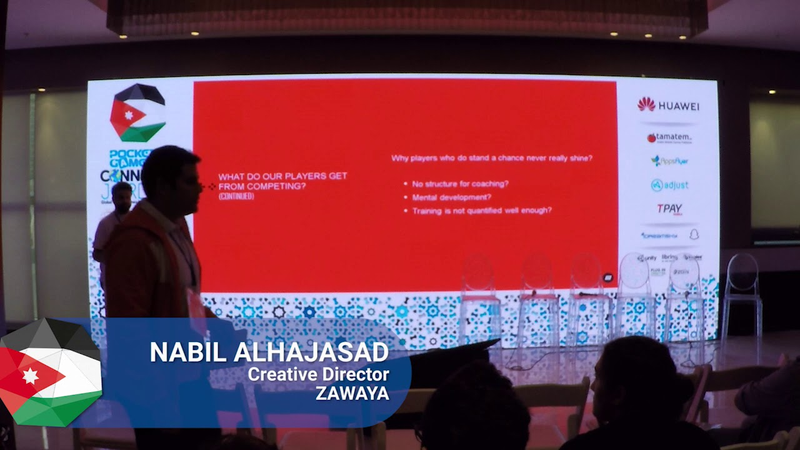
there etc and they all want to be there they all they all talked to us and in the sense of wanting to be there wanting to wanting to participate wanting to take part in and in such competitions the next question is what are what our players get from competing and what we're trying to or the red is too bright huh what we're trying to do here is we're trying to give players and teams a platform for them to compete for them to get recognized for them to become ranked for them to become part of an ecosystem that is that is lacking in our in our part of the world so first thing is funds for a team to become a professional team they need to be paid to play the teams that we meet with who call themself teams they have some of them have websites some of them have Instagram pages some of them create their own team jerseys and they all the they act and
they act and they they all think they're part of the team and they they are a team but that's where they stop they don't know how to go and approach companies for funds they don't know how to approach partner but they don't know how to partner with companies to get equipment to get to get the the necessary means done so that being said we realized that most of the professional teams that we that we see who call themselves teams who act as teams are between a specific age group which is between 18 and 25 years old and the reason is they are semi autonomous from their parents decisions and they can make their own decisions they can fund themselves and they can pay for their time ever further further training they can pay for their jerseys their equipment etc on their own which goes back to society's acceptance we have a very big gap in education with the parents of the kids that are now between
the ages of 13 and 18 they don't even know what eSports is when I first told my mom that we're starting a new a new department in the company which is which handles eSports and gaming there was a half hour conversation of me explaining what eSports is we need to find a way to educate educate the the the parents and the the the people were who are responsible for these for these gamers about what eSports is how eSports can become a career and there was there's this Academy in Japan called Glanton Academy who implemented who implemented this and created a high school out of it where four days a week children go and practice their eSports and in the last day of the week they have their normal curriculum and continues why players who do stand the chance never really shiny and this takes us to another part of the conversation which is the actual training itself and the and the development of the players so the coaches usually here the coaches of the teams that offers that have been established are usually either a better
player in the team or someone who's been playing the game for much longer they don't have outside theirs come in and coach them or become their dedicated coach dedicated trainer and something else which is very important is these people these teams are athletes and they compete to win they compete for prize pools they compete for recognition and they need mental development they need the mental stamina to be able to compete and lose or win and know that they can go on and do it again and again and again and this is also goes back to the social acceptance of why am I going to have my kids sit with a therapist to develop them mentally and this is this is a challenge we face when we speak to speak to some of these players and tell them guys we have a mental development coach as soon as we say the word mental they stop us right there they don't want to continue the conversation until we if we get the chance to explain what it is then we'll be able to get their attention and then they tell us okay let's give me that questionnaire you want me to fill out so I can so I can
get the gist of what you're trying to do and quantifying your training there are many methods in this day and age where we can properly properly quantify the training and have them have the players and have the teams know where their weaknesses are from its from a statistical standpoint so we can we can using eye-tracking technology for example we can tell a player that you are spending 25% of your time looking at this part of the screen and if you take 3% of that and put it on this corner over here on a league of Legends game you can you can stop attacks coming in from there that's your weakness so this kind of technology is what we're also trying to introduce and bring into the region so we can help develop our competitors or gamers because it's all about them without without the players without the competitors you don't have a sports you know how you don't have then tie it it's a very important peg in the puzzle piece of the puzzle sorry
this is from the business business business side of it is gaming currently a trend and is it going to die out with our first project in the first project we work with our client it was one of the first large events large gaming and eSports events to be done in Quay and as soon as we finished from our first project we started getting phone calls from different clients who have never been involved in gaming because that client is the market leader they wanted to jump on board they wanted to be part of creating something in gaming something something to do with eSports they didn't know what it was they don't know what it is and they just want to be involved and they were willing to spend money but what we do is we take that energy from them and we try to build longevity in their in their in their plans we try to not force them but present to them ideas that will take them not just that won't just give a give the public one event or one one activation but it will go on for a specific amount of time which will gain traction we'll have more engagement with the players we'll have more more
opportunities for it to compete etc [Music] which takes us to how can we make their experience better so it's very important to create channels with the publishers create communication channels with the publishers from the big names and the reason we feel that this is important is because before we stepped into and into the market we realize that many team organize organizers who aren't proper companies they're a group of friends who just organize tournaments will have a FIFA tournament and they'll slap EA Sports logo there's up the FIFA logo the artwork and say we're having a FIFA tournament and people will come sign and sign up and play but that creates a negative impact on people like us because what we're trying to do is we're trying to build relationships with these with these developers and publishers for the reason of possibly in the future potentially having a global series come
in to this part of the world played in this part of the world and that will give the players participating in such a tournament a pedigree because there actually part of an official licensed tournament that is going to rank them or take them a step forward towards participating in the FIFA World Cup which is most of most of all FIFA players and in this part of the world won't right now technology I'm emphasizing of technology with three exclamation marks because it's very important and we who noticed our first experience with online gameplay and this is very this is directly related to the players was we had a tournament of three weeks three weekends each weekend was it was a different tournament played online everything is done online we launched it we're happy first week twenty players we tried to figure out why we had over a thousand registrations as registrations
but we had only twenty players so for week two we dumbed it down a little and we introduced simplified how to a video and it didn't jump that much I went up to seven around 70 players and then we said okay we're gonna have to spoon-feed them all the information so we actually created a how-to video that was you put your first name here second lastname here your mobile number your email step-by-step process of the entire of the entire entire process which led to a jump from 70 to over 300 names participating in the online game play the the reason this happened is because it wasn't a truly localized platform it was a platform that was created in English and translated to Arabic so it wasn't it wasn't natural it wasn't it wasn't easy for them to use and to achieve such success because the online game play is something very important in eSports as well we need to find a way to look truly localized online gaming
platforms and the second point here you might if you're not from this region you might find it to be weird is using technology to eradicate hasty behavior in the public the competitors the players themselves many of the people from the GCC especially feel like they're entitled as individuals and they don't really care for or authority much so if we inform someone that their that they're gonna be playing at 4:00 p.m. they'll arrive at 4:30 and tell us yeah my games are for but it's 4:30 you can't play no but I want to play I left my house I came I that's that's the kind of behavior that kills us as organizers and we can't really do much about it other than emphasize on terms and conditions we're sending them back to the website so that kind of technology will help us educate the people that are that are there are our clients and customers about how they can how they can be better at doing this
introducing technologies to create a better viewing experience which is a great segue into streaming and broadcasting it's not very big and in in gaming in this region and we believe that we can make use of the channels and resources that are available to us through the social media influencers that are very popular in this part of the world and especially with gaming you have gaming influencers that are that are popping up and those those are the kind of people that can attract the the clientele and the people who will come in to watch eSports because at the end of the day it's an it's a spectator sport you want people to achieve success you need people to come in and watch and we can capitalize on the entertainment aspect of the streaming using these social media influencers people who are known in the industry of gaming the norm the known faces and that being said thank you guys very much for being here it's the last day of the of the conference last sessions of the
conference from our experience it's usually empty but it's it had more people than expected so thank you very much for being here if you guys have any questions please let me know I'm sure what we do is well what we do is when we work with one work with players and we see some of this but someone that's talented we don't personally work with them directly but what we do is we link them with the correct people and this is a methodology we use in the way we do our business we find the best talent and many different many different industries or many different areas that complement the eSports industry and we have them all involved with what we do so we work with people who are who are in talent management and people who can help you basically proceed so afterwards please
even like I'll share my contact with you and if you're if you're interested we can link you up to someone that's that can do it for you any other questions sure yes yes in in in this specific example FIFA we don't have a proper football culture we don't have proper football football teams football leagues in this part of the world which is why FIFA is popular and a lot of people say FIFA and we also realize that FIFA is one of the main games that is watched our main games are streamed and because of the
lack of the proper infrastructure for watching sports and sports being traditional in sports we believe that pushing games like fifa that are that are popular that our more mainstream can actually attract people and create the culture of streaming eSports I hope I answered that question anyone else thank you guys for your time [Applause] you
Summary
The esports landscape in the Middle East and North Africa (MENA) region is currently characterized by a significant disconnect between high player interest and the lack of a professionalized ecosystem. The primary objective for regional organizers is to transition from hosting fragmented, prize-pool-driven tournaments to building a sustainable, long-term infrastructure that supports professional development, mental conditioning, and standardized competition.
Key findings indicate that while thousands of players register for local events, the industry struggles with low spectator engagement and a lack of professional pathways. Players, particularly those aged 18 to 25, often lack the business acumen to secure sponsorships or professional training, and they face cultural barriers regarding the legitimacy of esports as a career. Furthermore, organizers face operational challenges, including a lack of localized digital platforms and difficulties with participant discipline and scheduling. The reliance on English-based platforms that are poorly translated into Arabic has been identified as a major friction point, as evidenced by a significant increase in participation when registration processes were simplified and localized.
To address these gaps, the industry is increasingly looking toward data-driven methodologies, such as eye-tracking technology, to quantify player performance and identify specific skill weaknesses. There is also a push to integrate mental development coaches and formal training academies, modeled after international examples, to foster professional growth. Furthermore, organizers are prioritizing relationships with global game publishers to secure official licensing, which provides players with the necessary pedigree to compete on international stages. By leveraging social media influencers and focusing on the entertainment value of streaming, stakeholders aim to cultivate a broader spectator culture, ultimately transforming regional gaming from a series of isolated events into a cohesive, professionalized industry.





















Comments