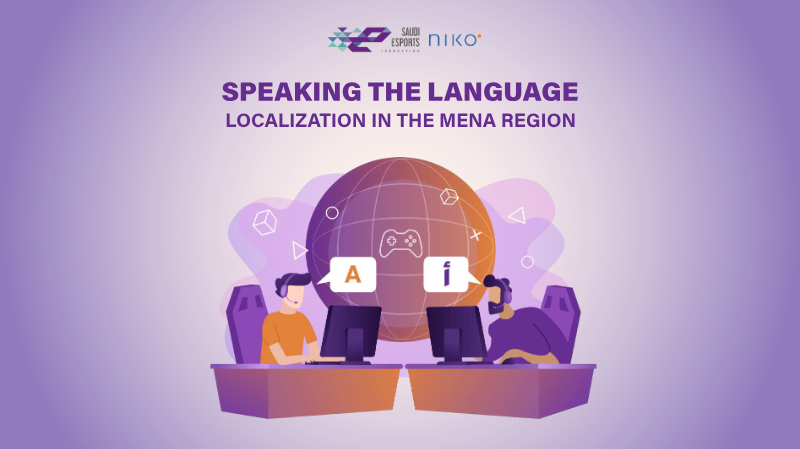
The Middle East and North Africa (MENA) gaming market, specifically within the Gulf Cooperation Council (GCC), represents a high-growth frontier projected to reach $3.24 billion in player spending and 38.9 million gamers by 2028. This expansion is fueled by 96% internet penetration, high per capita income, and substantial government investment. Despite Arabic being the fifth most spoken language globally, a significant supply gap persists, as only 3.5% of Steam titles are currently localized for the region. This disparity exists even though 41% of regional gamers prioritize localized titles and over 50% highly value content tailored to their linguistic and cultural background.
Successful market entry demands a sophisticated approach to localization that transcends literal translation. Technical execution must account for right-to-left user interface formatting and complex cursive script rendering to avoid the legibility errors that have plagued previous major releases. Strategically, developers should utilize Modern Standard Arabic for text while employing regional dialects for voice-overs to enhance immersion. Culturalization is equally critical, as 40% of players are more likely to recommend games that include accurate religious considerations and regional festivals. Conversely, 27% of players will abandon a title if it relies on inaccurate stereotypes or disrespectful portrayals, highlighting the reputational risks of superficial localization.
Case studies indicate that deep culturalization can lead to exponential growth, with some titles seeing their MENA-based revenue and daily active users jump from 3% to 80% of their global total within months. Achieving these results requires integrating regional voice talent, ensuring historical accuracy, and leveraging local influencers for community engagement. To navigate these sensitivities and technical requirements effectively, international developers benefit most from partnering with regional experts. Such collaborations ensure that games resonate authentically with Arabic-speaking audiences, transforming a title from a foreign product into a culturally relevant experience.
Niko Partners · 2026

SpielFabrique · 2026
Deloitte · 2026
Xsolla & Niko Partners · 2025
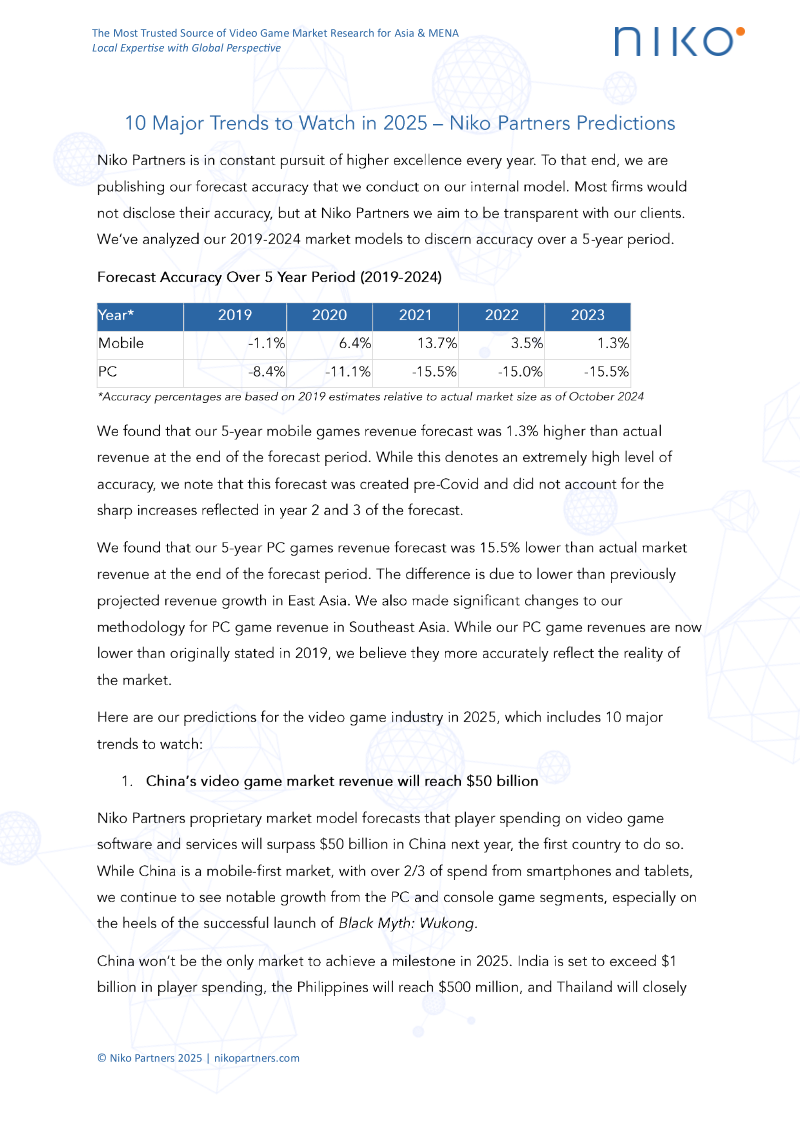
Niko Partners · 2025
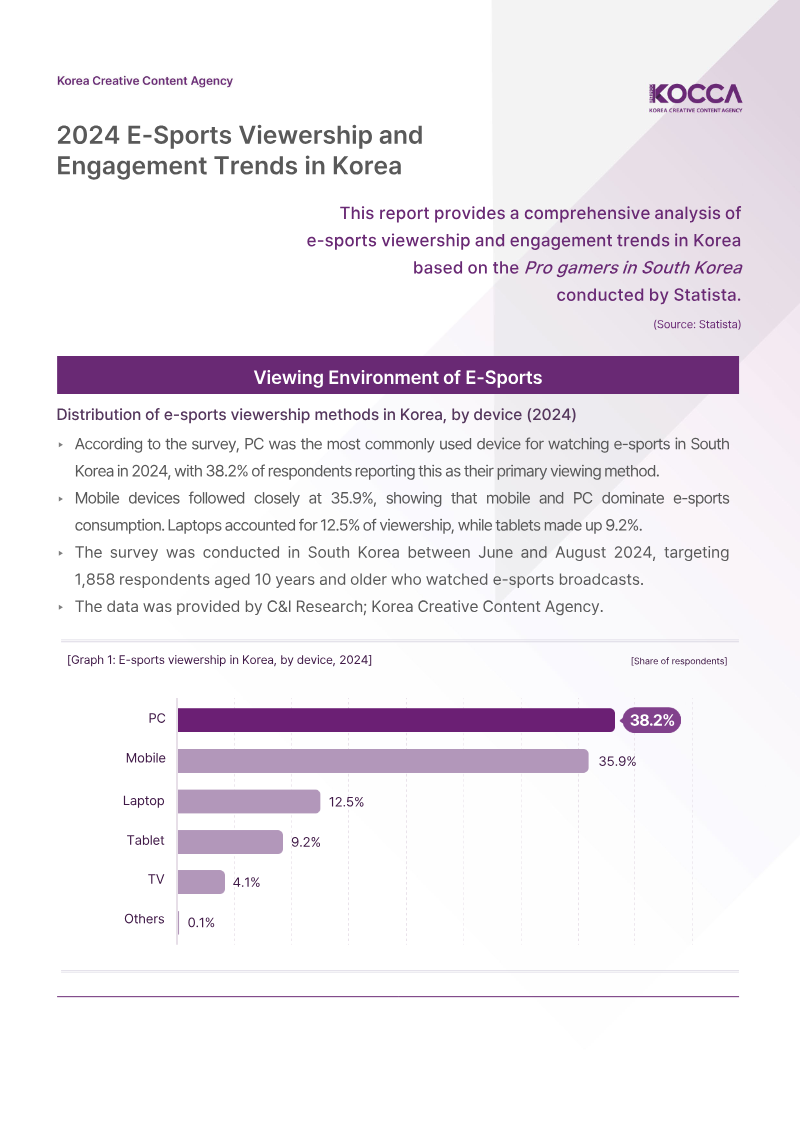
KOCCA – Korea Creative Content Agency · 2024
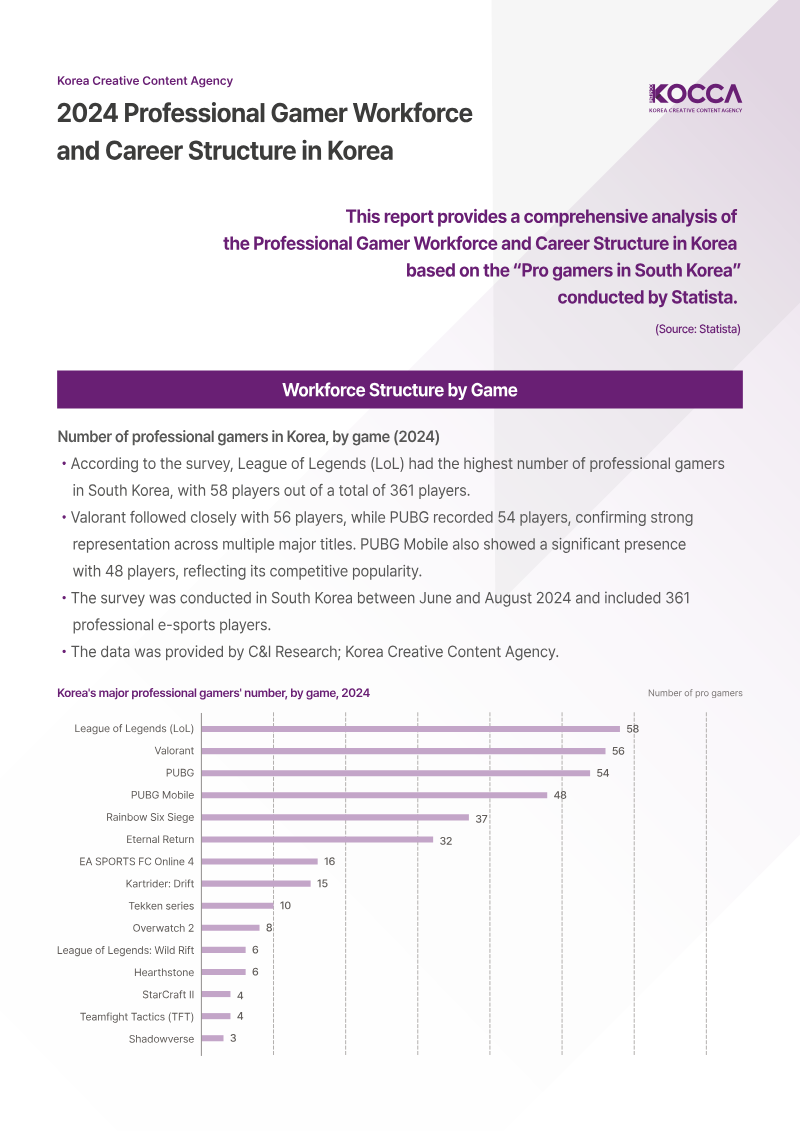
KOCCA – Korea Creative Content Agency · 2024
IIDEA – Italian Interactive Digital Entertainment Association · 2024

Shorooq Partners · 2023
Niko Partners · 2023
Interactive Software Federation of Europe · 2022
Newzoo · 2022