1 free read left. Create a free account for unlimited reading + AI research.
Create free accountWhitepaper European Conference on Games Based Learning (ECGBL)
1 free read left. Create a free account for unlimited reading + AI research.
Create free accountWhitepaperEuropean Conference on Games Based Learning (ECGBL)
The study asked which factors predict attitudes toward game-based learning, measured with the AGBL questionnaire.
A survey of 2,752 Italian teachers examined which factors predict attitudes toward game-based learning (GBL), measured with the Acceptance of Game-Based Learning (AGBL) questionnaire. The central finding is that school level is the only meaningful demographic predictor: preschool teachers reported significantly more positive attitudes than teachers in any secondary school type (p < .001), while differences among secondary school types were negligible. Age and years of teaching experience showed no significant association with attitudes (p = 0.414 for experience), and demographic variables together explained only about 2 percent of variance (R² = 0.019).
The authors conclude that personal characteristics matter far less than institutional and cultural context. They attribute the preschool advantage to the constructivist flexibility of early childhood education, contrasted with the assessment-driven rigidity of secondary schooling, and to technological disparities across school levels. Resistance to GBL is therefore framed as systemic rather than tied to particular subjects.
The questionnaire itself probes beliefs that digital games can enhance student motivation, can be woven into routine classroom activities, and require well-structured instructional design and dedicated evaluation methods. Its final item casts GBL as a future trend across all educational levels, though the item-level material reports no response data.
Taken together, the study positions teacher training and supportive contextual conditions as central to broader GBL adoption in Italy, with the scope confined to Italian teachers at the time of survey.



European Conference on Games Based Learning (ECGBL) · 2026



European Conference on Games Based Learning (ECGBL) · 2026



European Conference on Games Based Learning (ECGBL) · 2026



European Conference on Games Based Learning (ECGBL) · 2026



European Conference on Games Based Learning (ECGBL) · 2026



European Conference on Games Based Learning (ECGBL) · 2026



European Conference on Games Based Learning (ECGBL) · 2026
University of Toronto · 2026



European Conference on Games Based Learning (ECGBL) · 2026



European Conference on Games Based Learning (ECGBL) · 2026



European Conference on Games Based Learning (ECGBL) · 2026



European Conference on Games Based Learning (ECGBL) · 2026
European Conference on Games Based Learning (ECGBL) · 2024
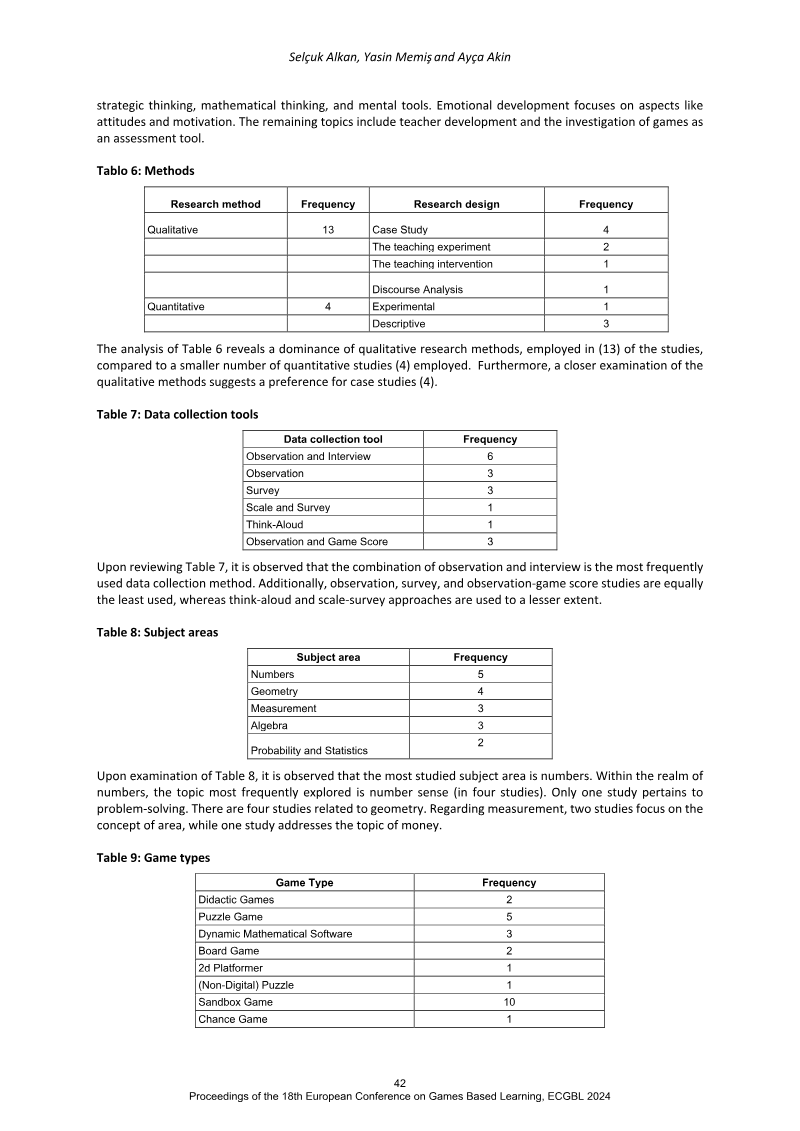
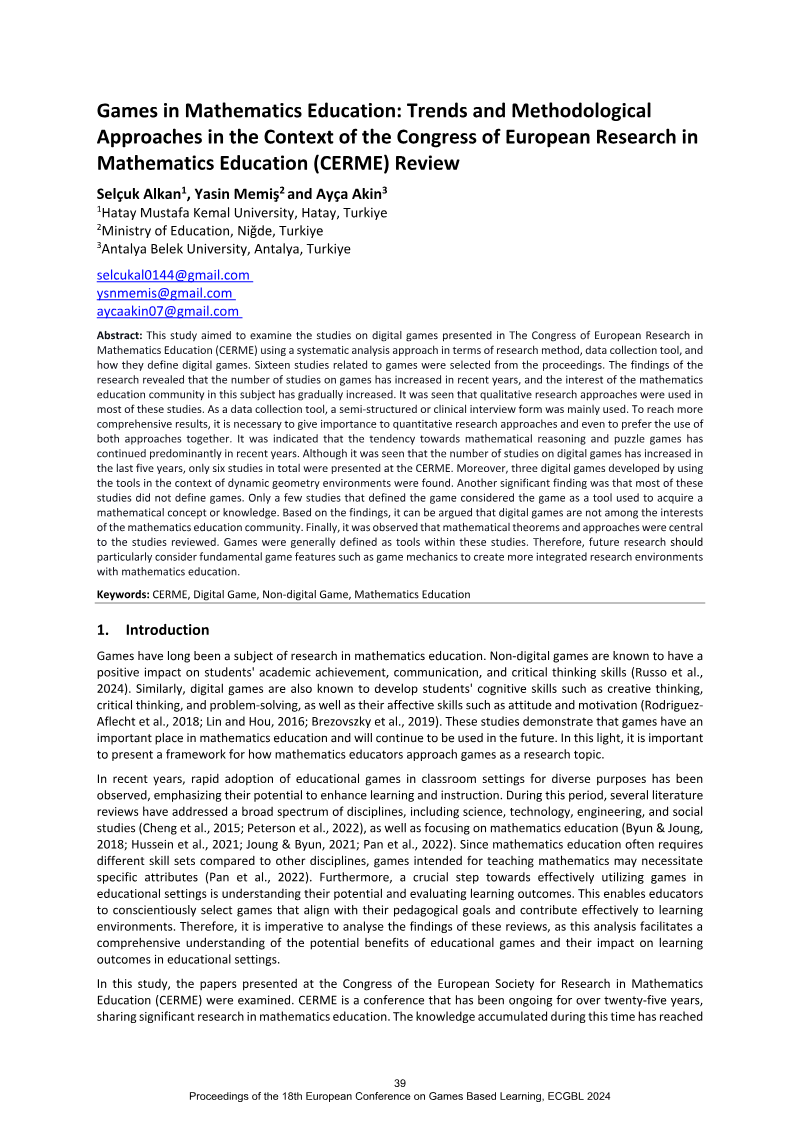
European Conference on Games Based Learning (ECGBL) · 2024
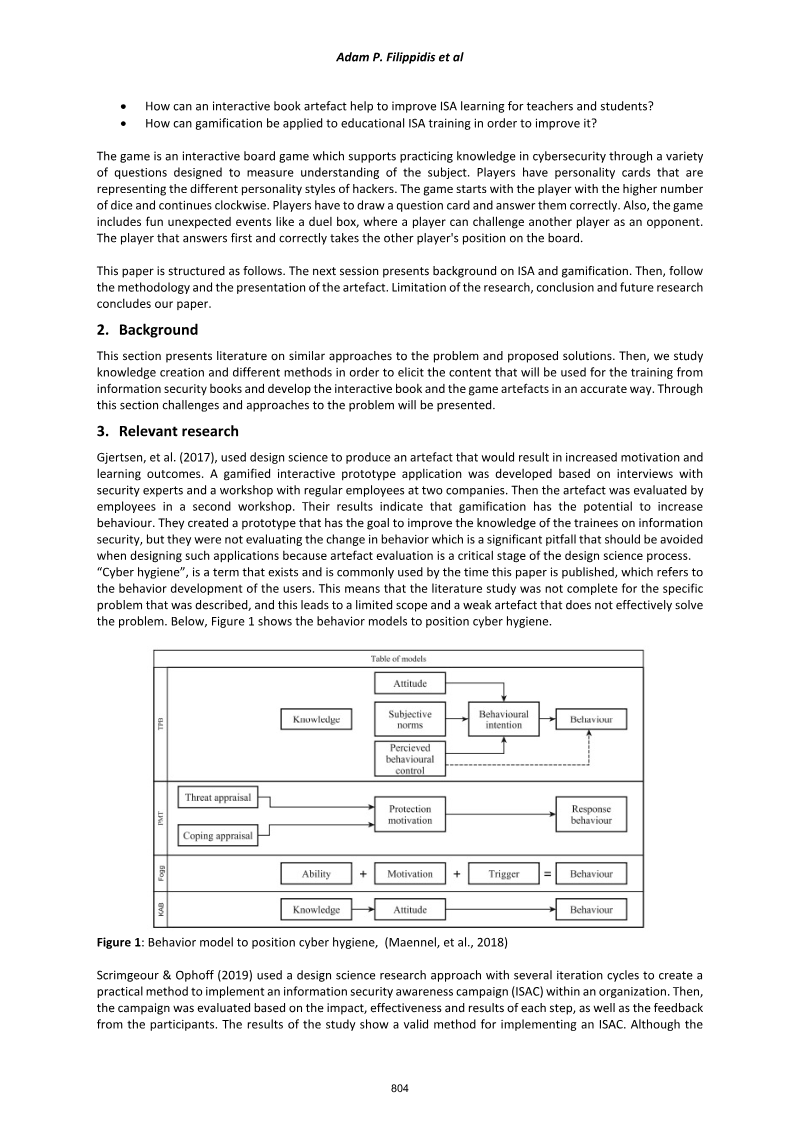
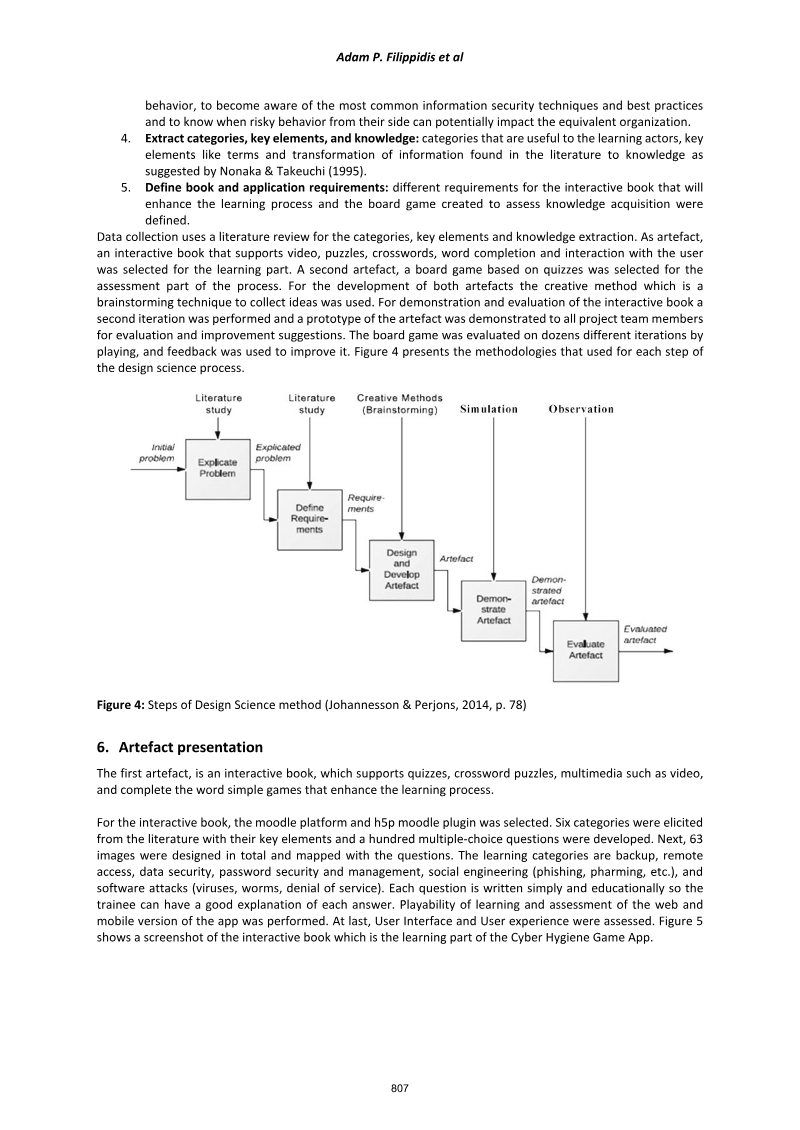
European Conference on Games Based Learning (ECGBL) · 2022