Transcript
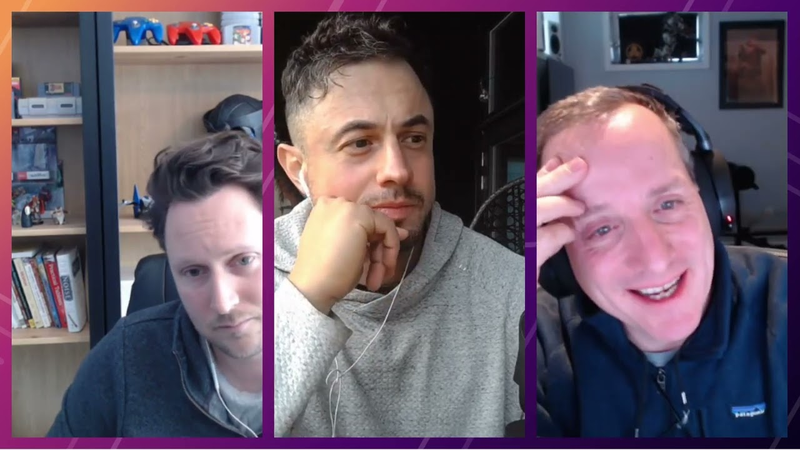
welcome welcome welcome everybody to the deconstructor of fun podcast i'm your host today mishka katkov and my guest is the jonathan lye general partner at unrecent horowitz coming fresh off announcing a16z's games fund one but before we start talking about the games fun one john would you be kind enough to tell the uh the viewers or more of the listeners a little bit more about yourself yeah but sure i'd be happy to even and thank you for having me in the pod mishka um so maybe i'll start a little bit of a personal story in terms of um you know how i became a gamer and sort of what led me to as6 and z um but i i basically been a lifelong gamer for as long as i can remember my parents immigrated from hong kong to a small town in north carolina um and then the fact is there wasn't much going on there it was a small town of a few thousand people and so there was one of like everything like one movie theater one chinese restaurant one pet store um and so my sister and i we grew up playing video games with each
other we were nintendo family we played every console from the nintendo to the snes the n64 to the gamecube um and smash brothers was our jam we would have these huge land parties after school where we would invite everyone to our house and play for hours this was basically in my town like more way more fun than going to like the shopping mall or like the movies and so on then i migrated to pc gaming when i got older you know i played competitive world of warcraft arena during university um and got the top one percent of my server um when i started playing i actually ended up selling my account on ebay for over 400 bucks and i paid for all my subscription fees and my gaming setup and everything so you could say i was a web3 gamer before blockchain is even a thing but professionally i've been in games for over a decade now i started off as a producer at riot in the early days of the company i basically got a team that built and shipped the riot api which today powers companies like overwolf curse twitch and many others and then i worked in esports starting of season two
um and uh you know fast forward a couple of years by the end of being acquired in four by 10 cent so i got near the 10 cent team and ended up joining them full-time first acquisition and then at 10 cent i did a mix of publishing based dev and investments and so i um one of the things i was proud of was i launched the wii game platform which is a company steam competitor in china and then i eventually rose to the north america games investments team where i worked companies like epic and discord and clay and probabilitarian and many others i joined these 16z about three years ago and i've been almost entirely focused on games during this time we've invested in over 20 companies including roblox singularity 6 mainframe um overwolf artifact and many others and this morning you know as michael was saying you know we we announced launch of e60 games fund one which is a new 600 million dollar fund dedicated to investing in boundaries and games industry um and most of its kind from a silicon valley vc so uh very very excited
awesome we share a little bit of a similar type of at least start of our careers uh meaning as we were kids i'm also uh you know uh from a different country from soviet union moved in but i was uh the big difference is i was a sega guy not a nintendo guy anyways um all of my friends yeah all my friends were nintendo but i wanted to be different um so let's talk about the uh the games fun one as you said it's your inaugural fund dedicated to building the future of the games industry but a16z as everybody knows who's listening to this has been investing in games for over a decade i mean as long like you have investments in zynga and oculus long before you know those companies were sold or ipo'd uh what's new about games fund one yeah so games fund weinsta is a16z's first fund dedicated specifically to investing in in games
previously we were invested in games out of our main venture fund where we also invest in consumer startups enterprise startup sprint text edits and so on so games was an investment theme but not its own vertical and so if this dedicated games fun i think the two things that are very different is one it marks um it marks a long term commitment from us that we are committed to the space for the next 10 plus years right so we you know through bull and bear markets through technology cycles through market shifts we're basically planting the flag and saying that we think the games industry is going to be a pivotal part of the firm and we're committed to the space for the long term and then two it enables us to build out our team in a big way and so um you know our current investment team is actually quite small we've got about five people and myself andrew chen james sportsman jack sasser and robin gore we basically cover the entire world and you know all of the different sectors and genres and different things within games and then one of the one of the
things that we're working on right now is growing that team to be you know double triple that size and a key part of that is the a16z operating model which is that um now we have a small investment team but then we have a very large team of people who are basically functional experts that work with our portfolio to accelerate them right and so that that covers you know areas from go to market uh which which is our name for business development marketing capital reasoning talent recruiting hr help um so we're building that out in a big way for games um that team is over 300 strong across the firm and they're great at supporting sort of tech companies um under many many of those needs many of which those needs overlap of games but we're really really doubling down on games and hiring people from twitch and discord and youtube and a bunch of great companies to work with our founders interesting so let's talk about that a little bit later but or actually the next question but first i want to talk about the 600 million that's a lot of
money no matter how you want to put it how are you planning to deploy is it bigger check sizes is it more of the follow-up investments is it more of seed investments what's the strategy there yeah so our strategy is still going to be to invest early like we think we add the most value when companies are still building and so um you know our focus to date has been the seed in the series a and then the thing that really changes with this fund is i think we're going to be able to double down on companies within our portfolio and so um you know indeed multiple rounds in a row for example um so if we if we invest in the series a and then things are working out like we would potentially lead the series b and then be able to sort of support our companies from seed all the way up until you know hopefully something like a an ipo stage or or it's much further down the line um and i think our founders really appreciate that especially in you know times of sort of market volatility when
you're unsure of the funding environment down the road to have a deep pocketed investor that can invest in multiple rounds and support the company long term well yeah okay well that makes you definitely a different type of a games fund because that's a lot of resources so you can do a lot more follow-ups and lead not not do fall-offs but lead the follow-ups um but you also like when i was going through the uh the memo about the fund i mean you have some some serious um lps here like the founders of riot twitch um sorry partners from riot twitch ea tencent oculus but the lp is coming from founders of roblox discord riot blizzard sky mavis twitch singa king um talk a little bit more about the the support that the game teams can be expecting uh given the list of the lps as well as the 300 strong support service more like spartans over there but uh but yeah the 300 uh that you have over there
i didn't even think about that that's that's a great analogy despite it yeah that's funny um yeah so i think um what all of those lps i think found exciting is um you know won our mission and then to the unique model that we have um to go about it so our mission is that um we want to invest in and help founders build generational companies in the games industry and so the idea is that uh you know when we help our we help our founders build companies not individual games and so in the business that basically you know looking for the next riot the next supercell the next epic the next king and sarah you know that's obviously music that he used of these founders because they you know they know what that journey was like and then you know over the course of getting to know us they you know many of them wish that we were around and invest in when they were starting their companies like you know riot and discord and so on um and a couple of just really key differentiators between us and sort of maybe some of the other investors out there is that um we're entirely a team
of builders investing in other builders right like every member of the e60 games team has either worked at a game company or founded you know a high growth startup um and so uh you know i i worked divided in 10 cents mentioned you know james has founded q studios and and playfab um and ran the gaming cloud at azure you know andrew was a lifelong gamer as well and ran the growth teams at uber um you know prior to probably the background public and uh robin and jack are members of ideal team that uh um robinson from wired like myself and jack is from oculus so as a founder you can be confident that when you pitch pitch us the person across the table like gets your product that plays games has a steam account you know and and and most importantly respects the entrepreneurial challenges that you face every day right like i hear all the time from founders that it's so refreshing to talk to a vc who actually plays games or like understands the pitch um and so i think that really does
differentiate us in the market um and then the second point you know that that you mentioned earlier which i'll bring up again is our operating model which is that we have a small investment team but then we have a large operating team that partners with our portfolio on areas that are important for their growth so that includes biz dev recruiting hr marketing capital raising and more and then with this games fund we're adding even more functions specific to games it's going to be to help our companies reach twitch streamers manage their virtual economies do performance marketing test their games globally and so we're going to be really hiring a team to help them do all of that and i think long-term division is really that if you take money from a16z it's actually optional for you to go out there and that's a game studio um work of a publisher because we actually provide a lot of the functionality that the publisher would actually offer and we do it without any commercial you know commercial agreements or revenue shares or other restrictions on
what a studio does and then the way we make money is just that if their game is successful and they become a valuable company long term that's how we that's how we benefit as well it's we believe we're also better aligned in terms of interest hopefully that's helpful yeah yeah a lot of it i'm curious to hear how do you work with other games funds because you know the way you describe yourself everybody is a gamer everybody has worked in a game company that's exactly how games funds are as well like funds specialized on gaming as well as interactive entertainment um given that that you have the 300 and and you are very much focused on operations i mean the way you describe go to market play research getting connected with twitch that's very operational type of support so how do you work with with smaller games funds that tend to be well first of all they are coming often in precede so they would be already in the cap table uh unless the the company
does an angel round uh or they would be competing against you or investing with you in a sealed round or following with you in the seed round so can you kind of talk about it because you're you're kind of like the elephant in the room uh compared to uh gains focus fund that would be you know size of a couple of hundred million uh but they don't have the uh the backing of you know your main fund which i don't know how many billions that is yeah that's a good question so we love working with other fans um we especially love working with the pre-seed fans we work all the time with sort of angels and angel consortiums that send us funds when it comes to seeds and series a's which are our sweet spot we're very selective about our investments and so we make a small number of investments i think over the last three years i think we've invested in about 20 companies and say um there's actually not that much related to some other funds that i think have invested in 50 50 plus companies over the course of
this of the last three years the difference is we lead almost every single deal right and so we we lead or we coded and then we put significant capital on resources behind each company and what that means is you know we we always we reserve capital for each company we invest in so that way we can invest in not just this round but also subsequent ones too right we spin up as i mentioned you know a payload operating team for every company instead when you come in we listen to your needs and you figure out what you need it's like okay you're a web three games company you need help into economics you need help with compliance and you also need help and marketing right and we spin up a dedicated team that works with you um and then we take board seats we're actively involved in everything from recruiting the marketing to capital raising and for most of our portfolio companies i would guess that we owe their first phone call if something goes wrong and so as a result of this model we generally don't do the small like passive check where we follow another investor but don't expect to be involved
right because it ends up being the opposite of our operating model and our reputation as well right like our reputation in the industries we are very hands-on we are very active and so um um yeah so it's and so what this means is that sometimes you know if there's a round it's very tight there's a bunch of firms there and um they've already picked another lead investor for example um we would like not to participate because there's just not enough room for us in the round um but when we lead around like we're happy to work with other smaller funds we bring angels into almost every one of our deals and we ultimately devote our founders under the composition of the round like we advise but they always have the final say um hopefully that that helps shed a little bit of a context and intensive um question yeah yeah you like to be you like to be in the driver's seat that's that's essentially it if you know to be honest like yeah you have all the resources and and you
you wanna you want the operations to be run according to the support that you're given uh and you you know that's it's pretty clear and if you can't use your strength of the support services then what's the point of doing the investment is that the way of thinking yeah and it's also like part of our brand promise like why founders come to us is because they're you know they're looking for a lead investor right and and they're expecting us to be hands-on and so um those are the types of sort of bounds that we'd love to be involved with unless so when it's the opposite of that one it's just a small check and we're not supposed to be involved and so on with okay but that's that's clear i mean you can't say yes to everything you have to you know pick and choose um let's talk about the uh the verticals that the games fun one is investing so you have game studios essentially content uh platforms such as twitch and discord so anything that enables game growth
and you're investing in infrastructure companies which provide different type of tools and services for gaming companies to operate and scale efficiently can you talk in more detail about why you've chosen these three verticals and i'm very curious to know what verticals did you leave out when when you were planning your investment strategy yeah so i'll zoom up one one level and actually just talk about it in the macro thesis at the fund and then maybe the investment themes become a little more obvious from there um and so a core part of what we believe in is that over the last decade games have sort of fundamentally transformed right like they started off being these sort of single-player entertainment products much like the nintendo's that i referred to that i played when i was growing up um they started off like that and today they've evolved to become much much more um right and so if you look at the most successful games today there are online services there's social networks they're creative economies some of them even virtual worlds
um and these games you know fortnite league of legends roblox candy crush etc they have more in common with a modern consumer tech company um like an instagram or a tick tock than they do the original super mario brothers that i played with my sister back in the 1980s yet this transformation from like entertainment and the network is still largely like not well understood by the public or mainstream tech investors um and so but we've invested in games industry for over a decade and then like we feel like the best is yet to come there's more more innovation happening right now more building happening right now than ever before right and we have all these new areas like web3 the metaverse you know research in scenarios like biar in addition to continuing explosive growth and mobile games and pc continues to grow and console which even though people predicted would die like some numbers of years ago are still like i've never been in like more popular demand where like people can't get enough ps5s and xboxes due to supply
chain issues so the games fund is really set up to invest in all these opportunities right like we want to invest in basically the future growth of the industry and then the way we think about it when it comes to the uh the investment themes is that the games industry is um if you think about the tech stack for a game it's sort of divided up into a number of areas like there's first there's the underlying platform layer so these are this is like the hardware that people build onto the xbox the playstations pc mobile above that there's the infrastructure layer so this is unity unreal um you know playfab like stuff that developers use as picks and shovels to basically build their their apps and then running on top of the infrastructure you have the application layer which are the actual games themselves and also the consumer apps that run alongside the game so discord twitch and so on and so we're investing basically up and down the stack and then that's what those investment themes correspond to so the
game studios themselves um the infrastructure that basically helps people build those games and the underlying platforms like the robloxes the oculuses of the world where people can can actually um build on top of and then one of the exciting things to us is that in many cases um a game company might start at one layer of the stack and then vertically expand and so um you know epic is a great example of that right like they started off like building building building the game and they built an engine as part of supporting that game and now they've commercialized that engine into unreal and they've even expanded to become a marketplace they're trying to become a developer platform they basically become full stack roblox was the same way you know like steam and steam and valve have also you know undergone that transition and so um i think the big opportunity in games is that you pick a particular area to start up in and you nail it you build an audience from there and then once you have that audience you can go up and
down the stack and that's how you build ultimately um you know multi multi-billion dollar companies and you know the metaphors in a long time uh i understand that's a that's a good way of describing it and is there something that you're not investing into like like are there some elements that you choose not to or are you more focusing as as you said kind of like on companies that can cover all verticals eventually in terms of errors that we don't invest in there are some areas which i think are harder to invest in early and so we might prefer to wait and invest at about a later stage and so i'll just give you an example of that like consumer hardware has traditionally been a top one to invest in early because there's so much complexity around supply chains having to stand up factories like you know shipping stuff around the world and then you know making sure that you can fill logistics and so um you know traditionally like the best investments there in our opinion come at a later stage and so i think um there's nothing that we like
have crossed off forever it's more of a matter of like hey like what's the right time and what's the right stage for this particular opportunity and vertical if that makes sense um but in terms of how we actually pick investments and say yes or no to you know the individual companies a general mantra has actually been you know at the early stages at the cda which is where we focus to focus more on the founders versus the ideas and the anecdote that i use for this is that for my time at tencent we had a 100 person team called the game evaluation center whose job it was to play every game under the sun you know every game and steam on apple and google play etc and write a detailed report about it and that 100 person team which had some of the brightest and the best at 10 cent still got it wrong i would say probably like 95 of the time when it came to predicting whether a game would be a success but they didn't catch pub g you know before it launched they didn't catch fortnite before it launched they didn't
catch arnold chess um and they did you know they incorrectly predicted um you know the outcomes for those games and so the best video game publisher in the world and a 100 person team their best and brightest was not able to correctly predict whether a game will be successful pre-launch i think it's really hard for us to do that as well and so one of the things that they're not thinking for my tencent days is that the most important component of what makes successful company is actually the team you know games such a dynamic space ideas change genres rise and fall like one genre that was popular last year and may not be popular this year but if you back a great team we genuinely believe that they can adapt to the market um but enough for companies that are post launch we spend a lot of time digging into metrics and play testing right like the later stage the company the more important the metrics are so hopefully that sheds a bit of light into how we how we look at companies and you know and and pick them to speak well yes and no well let's be honest uh
this is exactly what every fund especially gains focused fund that invests in seed uh or series a or even precede would say they very much focus on the fund funding team our founding team uh and the core team as well like as as it gets into into a series a stage or even a seed stage you kind of have to have your core team and then show attraction in your ability to build a very strong team in a culture as well as a product so can you talk a little bit more about how do you like like what are the elements and how do you really evaluate the phone the founding team because this is something that rarely funds talk about they just say we invest in great founders um what what makes a great founder i'm curious yeah we actually have a fairly scientific framework for this and i'm benefiting a lot from the work that a16z has done in the tech space as well um so a common thread that runs through all of our companies is that we want to back
ambitious founders we aspire to both companies not games right i mentioned that earlier but i think it's important to reiterate that um and depending on the boundaries background we diligence different areas um a framework that we use for evaluating teams is freshmen versus senior teams and you might have um you might have heard this before from mike maples over at floodgate who i think was the first to pioneer this framework but we've sort of adapted it and made it our own for games so so freshmen are first-time founders they might have a few years of work experience but it's usually their first startup when we found the freshman teams they excel at product innovation they usually have out of the box ideas that are really innovative um and they don't they've never built the game or a product in the space before so they don't have any preconceived notions of what you can and can't do and historically in the tech industry the most disruptive teams have actually been industry outside it was like they've actually been freshman teams so airbnb was founded by brian chesky who had never worked in hospitality before
facebook was founded by mike zuckerberg who had never worked in social networking before right and so um we're excited about freshman teams if what we look for them what we look for in them are a couple of things but just to highlight two of them um one super high hustle and velocity um they will make mistakes because it's their first startup it's their first game but we're counting on their ability to learn quickly and unblock themselves you know can they stretch a single round of funding the multiple prototypes and swings at bat until they get it right and so we and so we're really looking for a team that has just been really scrappy been able to hack together something and then you know be able to move really really quickly essentially um and then the second thing we diligence is the ability to recruit that's traditionally been the biggest challenge for first-time founders you have to convince people who are way more qualified than you to come work for you so a question that i always ask myself as i'm meeting the freshman team for the first time is could this founder
convince like a cheryl sandberg caliber executive to come work for them down the road right and if the answer that is no like you know what do they need to do in order to get there and then do i believe that can happen um and then the other side of that that framework of seniors right that i mentioned earlier so cdus are the opposite they're better than boundaries they've shipped a successful game before they've worked at a big company they clearly know what they're doing or this is their like second startup um with senior teams they typically tend to be really strong at all the things that freshmen are bad at so they're strong recruiters they have a reputation they know a lot of people they can quickly hoover up talent from their networks when they raise money um since they're very experienced and they're usually quite good at storytelling and fundraising which are key skills for a starter founder to have but then generally speaking execution is not a problem like they built the game before they know how to do it right but the main area we diligence around senior teams is
just to highlight two things one are they open to learning new things or they're stuck running the same playbook if you previously built the triple-a console game or you opened a building for mobile for example right and how current are you into it and you're thinking you know have you played all of the modern games the kids today are playing right have you played lost ark you played among us you played ball guys gention impact and so on but um and then the second thing is just you know can you adapt the constraints of a startup you know many of these folks come from companies like unlimited resources can you go from that to being scrappy or you have to watch like every truck that you're writing you have to take a huge pay cut you know typically um and then how long is the debt timeline like how quickly can they build do you have a plan to acquire your first one million users right like you no longer work at a company where you have built-in distribution or like you launch a thing and immediately like a million people show up to just download it um so let's say that most of the teams that
we've invested in tend to fall into one of those two camps right like they're out of freshmen and their seniors um and then what we diligence for each of those teams is very different depending on your background and where they're coming from and of course like this is this is just a framework so many teams fall in between and not everyone's going to be a complete freshman or a complete senior but hopefully this framework gives you a sense of how we think about things that makes that makes a lot of sense and thanks for opening it up because you know every fund would say you know we value the the founders the most this is definitely a much more detailed view on on how you how you approach it and it's nice to hear that you're looking at both of the spectrums the hustlers the young guns as well as the uh the pioneers and the veterans so it's uh it's very interesting um let me throw something so away um michael fan from from galaxy interactive he was on a podcast game makers podcast actually talking about uh series a i think that was the uh that
was the topic and i don't know how they ended up talking about investment into founders that have left big companies and he mentioned you know the riots and the blizzards and the bungees of the world um in many cases when you read venture beat and a funding story of an x riot team or an explicit team raising you know that 20 million dollar seed without with a you know astronomical evaluation and and some you know old school really truly like pioneers of the genres uh you would always not always but it feels like always see a16z as a lead investors in in uh in especially x riot teams now can you talk a little bit about that like is this a perception that people are getting or is this factual i mean founders of of riot are your lps um you've worked previously at riot
i think you've uh you've invested in patron which is a fund that has pawn out out of a riot that does uh sort of a web three slash gaming investment so it feels like you're so close to them um just like from the outside that you're investing into these teams you then somebody even said like a16z has a corner office at the riot hq where the investments are being done so i'm just curious to hear like like how do you like is this only a perception or is it factual is it just because you have so much visibility in this truly great company yeah i i definitely think i'm closer to riot than in the average investor you know just because i i worked there and i've kept in touch with the alumni and they played such a pivotal part of my my history right like i i owe my starting games to them right like i would not be where i am today if it wasn't for my time there um i think part of what's happening here is that uh the senior teams that we invest in right like the ex riot senior producers like those folks they tend to
get a lot of press and coverage from from you know from from venture beat and game developer etc when they launch and so i think that might be contributing the part of it um but we invest in a ton of freshman teams as well right if you just look at the last couple of deals that we've done like just just last week we now start playing that game so it's a tabletop games marketplace and the founder in nate is an ex-google engineer who happens to love dnd he's never worked in games before and we backed him um and right before that we announced newt rush they're a team building a phone for web3 games the boundary anderson actually comes from a latin american e-commerce background never worked in games for either but super high hustle super high velocity um so you backed him as well when it comes to sort of the axe fired explosive x epic teams um i think one of the things i do like about them is that um uh founders who have worked for top studios like those know what success looks like at the highest level
and so you know league of legends is a free-to-play online service that's made a billion dollars a year for 10 plus years and it's a cultural phenomenon for for generations of people right and so when they start companies from people leaving even just leaving by for example start companies they usually have similar levels of ambition which we like they want to make a next-gen buyer they want to make something which is going to be played globally by everyone for for years that make billions of dollars and we like that because as i as i mentioned earlier like our mission this time we want to back ambitious founders who want to build generational companies right like not just games but companies um under a whole host of sort of smaller things that you get from um from being in a venture-backed company previously right like a lot of the folks they understand the value of equity and staying independent um if you're an early employee at riot like the majority of your comp actually came from your stock and just like appreciation for that over over time and it's something that we sometimes have to spend a lot of time explaining to folks
that you know don't come from a venture back startup it's like hey like here's why it's important to hang on to your equity and here's why it's important to maintain control of your ip and not do a publishing deal for example um and so there's a lot of sort of uh cultural things that i that we like about um founders who have worked that they're successful companies but i totally acknowledge those founders um you know tend to have blind spots as well right like they as i mentioned earlier they come from environments on unlimited resources they haven't had to think too much about go to market and user acquisition um yeah so and those are all things that we work with them on um and our hope is that by having a balanced portfolio where we have those folks working alongside the freshman team and we do a lot to bring our companies together that they can learn from each other right like the freshman founders have these crazy ideas that are like constantly impressing the senior teams and the senior teams or the grizzled veterans that like know how to keep the trains running on time and ship
games and so there's a lot to like about just building building the portfolio of diverse founders backgrounds like that yeah i mean uh people coming in from big companies uh you know they have a different type of uh of skill set they're they're you know they might not be well they're for sure not used to being scrappy they're not used to being lean they're not used to moving fast with good enough quality but what they are really good at is harnessing the resources of a larger organization and based on what you are talking about you know the support services that a16z provides uh these are probably the type of companies that are very accustomed of using all the support services and understanding the uh the value of those support services given to them and knowing when to plug into them and and you know and organizing their organization so they can leverage most out of it unlike the more leaner scrappier founders that are
you know not used to using so much uh external resources for them for their aid so that might be also something that why these these type of founders fit with a 16z type of a fund yeah it's excellent yeah that's an interesting point i hadn't thought about that before um it really depends on the boundary um you know how independent they are and how much they need our help in general we operate in a pool not push model so very hands-on but only when asked and saying um we're not we're not the type that would actually proactively go to a founder and say oh hey like you should be doing abc xyz and you know cde right like if they have an issue it's like hey like i need help reaching this influencer hey i'm looking for a cto the level of our team they come to us and we scramble a team to basically respond to their issue and work with them but it's always a poll not a push model but it really depends on the founders like some of the some of the teams that we spend the most time with our
freshman teams that we've seated that are you know just a handful of people and they're learning how to build a company for the first time right so they need help setting up their hr software they don't know how to do recruiting like we're helping them right through geds like i'm doing literally going through my linkedin and saying hey like what do you think of this candidate what do you think about candidate and so on so it does depend on the founder i'd say that's that's actually super hands on because again going back to the podcast uh with michael fan and i think it was um jasper from bitcraft um michael fan i think was the one who was talking about like do not message him about specific like candidates and he will help you to get that candidate maybe over the board like like if there's if they're kind of in between then michael fan will give you a five minute you know pitch talk but do not tell him you know that that you're looking for a lead ui ux designer it's like that's not his i might be paraphrasing people can go and listen to
that podcast but i i remember him saying that no that's not what i'm here for so we can do that because we have a smaller portfolio right like we i only work with like you know less than 15 companies or so and so um you know that's i can i can devote a lot of time and attention to each one and um as we scale the team as well and as we grow like well we'll have an even larger team to get to spend spend time with our companies so yeah that's that's that's quite unique i have to say like i've i've not met investors that are so hands-on in in helping i mean i haven't met all of them but uh but yes um so let's move on to kind of like zooming out in in the macroeconomic picture because i think you know there's so many things happening the market is literally shifting as we speak uh you
know there's inflation is a huge problem uh both in u.s and eu i mean loose monetary policies that central banks have been have been driving the coveted relief packages both in eu and u.s the war that is always affecting inflation no matter what and we see the interest rates going up because of the inflation we got an energy crisis we got a food crisis china is on lockdown so that's impacting you know the supply chains you can't get a ps5 no matter what let alone you know a car or anything and um you know looking at all of these signs like you don't have to be an economist to understand that the recession is imminent i mean it's uh it's hard to see i mean they're trying to do the so-called soft landing from the central central bank perspective but um but based on you know um my humble experience in economics and studying it it's it seems pretty imminent so how are these how are these uh macroeconomic factors
affecting games industry in the short and mid-term in your opinion like like how do you guys see it because i you know i went to your home page and you you have a very active blog post you write about these things you're you're you know you have the team of 300 analyzing so um how do you how do you see this from from the fund perspective so in general we're long-term investors and so we don't let short-term sort of market cycles change our investment strategy but the nice thing about working at a6 and z is they've seen multiple market cycles right like um all the way back there you know the 2010 crashed the 2018 and and a bunch of smaller cycles in between and multiple sort of crypt their crypto crashes and rises as well and so um i think from our perspective like we go back to fundamentals do it any time of market volatility which is our business is backing the very very best founders and it's supporting them over the long term right through multiple rounds being patient like helping them get through sort of like you know tough times
um and so i think that's what we'll keep doing when it comes to the games industry overall i actually think that games is one of the better industries um the wetter a recession or a bear market and i think this is this is you probably heard this before but i do believe that games are sort of counter-cyclical and that as people's incomes go down writers they have more sort of free time um you know if they're spending more time at home or if they're unemployed et cetera like they they tend to play games um it's games are the cheapest form of entertainment relative to other types of media right like it costs 10 to 20 dollars right now to go see a movie you can spend the equivalent amount of money on a game which you can play for dozens if not hundreds of hours and many of these games are free to play right like league of legends fortnite candy crush you can just download it and just get started right now and so um and then of course like you know as folks are looking to connect with others um you know during a time when people are spread out all over the world
working remotely and um some countries as you point out still have not recovered from the pandemic i think games have done a phenomenal job of keeping people connected and so um you know i um i've got an among us group of sort of um you know family and sort of a you know extended family where we continue to get together you know it used to be weekly then the pandemic and now it's we ratcheted it down to monthly but it's still one of the few ways that i like talk to um you know extended family members that i otherwise wouldn't get a chance to see in person for for a long time but just getting together on an ipad and just you know talking to each other as we're moving our sort of among us characters around that it ends up being a great way to connect um so i think games will do fine during doing a bear market and it might actually do better than most other industries um and for us from an investment strategy perspective yeah like we're long-term we focus on teams we support them you know through multiple rounds and cycles and so we'll continue doing that
yeah so i expected this answer um i've you know i agree with that because the the entertainment per dollar is is quite significant compared to other streams of entertainment that's why i have this question what do you think about blockchain gaming then because you know six months ago you could raise 10 million with uh with a deck just saying that you're gonna do axe infinity with dragons or trolls or unicorns or you name it since then we had problems in the black blockchain gaming you know axis specifically which is i know it's your investment but it's also sort of a poster boy for play to earn games uh they had their decline of their audience and they got breached then the luna collapsed what last week uh we see nft prices even for premium nfts like the board a uh and and some other ones significantly going down and we also see these traditional gamers revolting against them whether it's ubisoft or whether it's square enix they're kind of all
up in arms just like they were against free to play but they're just against this sort of a change now i do agree with your sentiment in the broad spectrum of gaming that that's the most value per per spent dollar but what do you think is going to happen to blockchain gaming especially since the uh since the uh the macroeconomic turn is affecting the crypto prices which in turns is affecting the blockchain gaming uh industry absolutely so i think um a couple of points here so we're we're long-term bullish and web to be like we think it is the next major computing platform the next evolution of the internet and like all technologies like you know there will be ups and downs and i think the crypto markets you know have always had cycles and we're going to you know want to do cycles right now um and so it's mentioned earlier like we still continue to invest in web3 games like we're still excited but we we don't let up but we're not letting short-term prices of crypto tokens drive our
investment strategy and then just zooming out a bit like my personal hypothesis around web3 is that it just ends up actually being a part of every game long term just like the cloud is a part of every game today right um you know it's it's just a part of the tech stack that most multiplayer games run on and as a consumer you don't choose a game based on whether it runs in aws or gcp or azure it's just running in the background and it makes certain types of gameplay and mechanics possible that was not possible before and so if you believe in this thesis of sort of um crypto and web3 it's like a fundamental enabling technology for games i think the scarce resource is actually not technology but game development expertise right the ability to design and build a fun game that people want to play for hundreds of hours that's already a scarce resource today right in webtp let alone like in roughly where you then need to go learn new technologies um
so our focus um has really been you know on the game's fun side our focus has really been on investing in veteran game developers that know how to build games that are going into web 3 and are eager to learn and we work about crypto being the beta guides like educating them on what technologies they should use what change they should build on how to design their token economies what's the best way to build a community you know on discord with um what they're early sort of nft holders and so on but i think like long term i'm bullish in web 3 as being a fundamental technology that's ultimately just a part of every every games tech stack right like you can choose to host a part of your game in a centralized database and other parts of your game and distributed databases that are on the blockchain and then you will choose to do that for different types of mechanics and genres and games and i think we're still in the early days of people figuring that out yeah that makes sense so just focusing
focusing on really the entertainment and the game value rather than rather than how to make the most money even without putting the game out which seemed to be the uh the impetus of a lot of these crypto projects um yeah okay and what do you what do you think in sort of a in short to mid term needs to happen for blockchain gaming to be adapted more is it just releasing games where that leveraged this technology without putting the technology first sort of a you know upselling the end technology so meaning uh i don't know a new version of world of warcraft comes out and it has blockchain element to it it's not promoted it's just there so eventually you can just trade more efficiently inside the game you don't advertise it that it's built on solana or ethereum or you name it it doesn't matter it doesn't matter there's just going to be a store where you can do all these cool things and we're not even going to talk about
blockchain only the crypto bros will know that there's a blockchain and what technology you use but that's a very small subset of all the players uh or the crypto sys that that would actually you know pay attention to it is that the sort of uh yeah absolutely i think you um you hit the nail on the head which is that uh i think that the blockchain game that ultimately attracts 100 million gamers to it right like they get through a roblox or a fortnight level scale my my personal belief is that it's going to be a game that is just first and foremost a fun game with like innovative gameplay like a new genre new mechanics that no one's seen before and it happens to run in the blockchain right like it's and it's and the blockchain is sort of invisible technology it's not marketed as a web 3d game it's not a play to earn game it's not a game that people go in expecting to make money it's just a fun game and then there's some parts of the game that run in the blockchain and then enable you to you know hold nfps for example or you know trade trade those tokens directly with other players and then if you get to a certain
point in the game and you get through enough sort of like you know um you progress enough along along the uh the game sort of um life cycle maybe you can make money as well right because like the the account that you earn the character that you have like the entities that you hold they end up being valuable to other people but that that is almost a secondary benefit it's it's sort of like me back in my world of warcraft days like i played the game because i was trying to be you know the number one like arena gladiator and at the end i made 400 bucks because like i had achieved so many i had like i had so many skins and mounts and i had this really rare title and then there was a lot of people that was willing to pay me for that on ebay right so i think a similar thing will happen um you know i think that the game that succeeds at large will largely have the blockchain be invisible to end users um that's my hope this is my personal hypothesis um and of course like if you would ask like an investor at the
very beginning of like mobile what you think the most successful mobile games would have been they probably would have ironically looked at some other pc or console game and had been like oh like there's going to be you know i don't know there's going to be super mario brothers like on on mobile or something and it's going to be like really successful and so i feel a little bit like that you know trying to make extrapolations about what types of games would be successful and grip there um right like you would not have predicted um you know in the early days of mobile that like a game like night like pokemon go from niantic whatever exists or people are walking around in the real world and it's like using your location to track where you are and there's like an ar lens like it would have been unimaginable angry birds was like the most advanced smartphone game that there was right so um i think a similar thing will happen in blockchain so i i expect to be wrong but um you know that that's partially why we continue to back great game teams that's what i'm hoping is that they will be able to figure these things out even if i can't right
yeah no no this this makes all the sense and it's a much more games focused approach to these which is sadly i think a lot of um a lot of detractors are coming from the perspective that that most of these projects have been just very scammy the fact that they're trying to monetize as much as possible with couple of images of selling some characters of a game that doesn't exist and just you know speculation and and um and all these sort of a nefarious activity and when that is put in up front and as a target of a young company then that that kind of shifts the company's focus on the wrong things versus let's make a cool game and who doesn't like trading inside the game i mean let's be honest that's it's fun there's nothing bad in it and a lot of companies have tried some have succeeded most have failed just and that might have been just because of technology so uh i i i actually understand that thesis
and um i support i think so much i'll just make one last comment there which i think so much of the focus and financialization around sort of these gaming entities i think comes from the fact that like game nfts wears the prominence shortly after like art entities did and so um you know there was a period of time early last year when people were buying like expensive um digital art into the profile pics right and so um and if you're buying like a piece of an art collection there's only ever going to be you know 100 of these artworks or you know a thousand or something and then the strategy for that is really that you buy a piece of art and then you hold it and you expect the price to go up right that's also how it works in real life there's only so many picassos you buy picasso you hope it goes up in value but then i think the fact that gaming nfts kind of became popular right after sort of the art boom made people think it was a similar sort of paradigm it's like oh hey like i should just be able to buy a character in this like game and i should get to hold it and do
nothing and expect the price to go up and that's like the opposite of what games are actually about it's like you need to you need to go play them you'd actually be a member of the community you need to actually like have fun by doing this but i think like so many so many investors are sort of like thinking about game and appease from the perspective of art entities and i think that's where that disconnect comes from um but i think we just need more web3 games out there in order to correct that misperception right like you need more fun games that are out there what's very clear that the focus in the game is this gameplay and not art um we just invested in meditary which is a twitch co-founder of kevin lynn's um the web3 game studio and they did a fantastic job of emphasizing gameplay from the very beginning like in order to mint you know and a piece you actually had to play a game and so the idea was like hey like if you're just looking for a quick buck this is not the game for you right like you gotta go create an account play the game actually get to a certain spot in the leaderboard and then you'll earn the
right the mint another t and then this is just a warm up for like the actual multiplayer game which is what you're going to spend all your time you know putting your enemies into right so i think i think the good games are there's a lot of great games coming and it's just a matter of time and um yeah so we're very excited about the long-term future all right um likewise actually um so uh john thank you so much for for joining the podcast um one of the first ones about talking about games fun one and um what's the best way to to kind of get connected to pitch to games fun one uh to talk to you guys um what what uh what other ways to uh yeah to pass through games foreign twitter we're very active in twitter so i'm i'm at tarsala t-o-c-e-l-o-t it actually used to be my world of warcraft character name that's the ones i spent hundreds of hours playing the minute and so it's still got a little piece of me in
there um yeah reach out on twitter and you know our dm's are open and excited to talk to founders who are building out there perfect um john's twitter handle will be in the description below so just tap on it click on it whatever platform you're listening are watching uh john thank you so much for joining me on thank you scott thanks everybody thanks everybody for listening bye
Auto-generated captions from YouTube — names and numbers may be misheard.














Comments