VideoDeconstructor of Fun
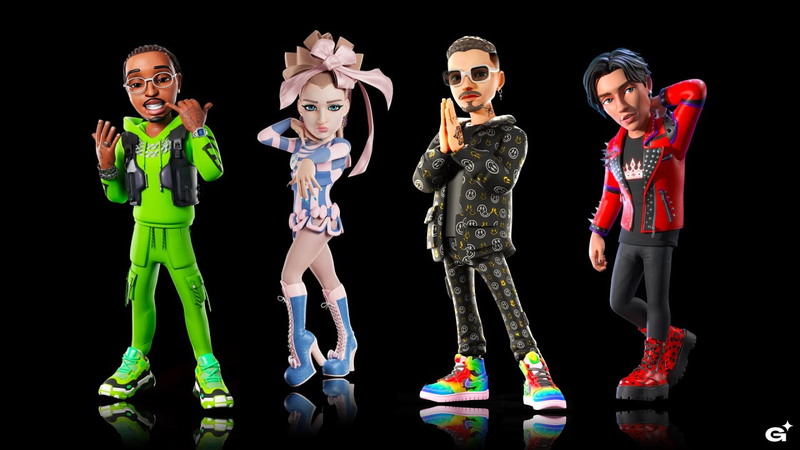
TWIG #178 Genies raises $150M for metaverse avatars 🤯
22 Apr 202220 min video
Transcript
[Music] the highest triggering headline that i saw this week was genies raises 150 million at over a billion dollar evaluation to create metaverse avatars so genies makes avatars that people can customize to their own needs and provide celebrities with avatars that can be used as stand-ins for online events and they raised 65 million in may last year and now need another 150 million to build this and don't worry they've reached 99 celebrity avatar market share what the [ __ ] does that mean so so we had a we had a wolf 3d uh the guys from um ready player one uh the ceo from ready player one the uh estonian um
ready player handsome ready player ready player b ready player so radio player me um really great team came in and talked about his company and they've been doing this for a long time overwolf is a great company that's the mod guy not overwhelmed oh sorry sorry ready player me okay yeah there used to be wolf 3d and then they're ready player me um his evaluation wasn't this and they they have like the whole thing they have like a thousands of clients all these big game companies and entertainment companies you name it and they are able to like it's just crazy and then we talked about his company you can go back in the i'll link it in this podcast and now i was reading this news like 150 million to make exactly what uh ready player me was already doing for a long time it sounds weird i just need to understand like what's the difference i mean this is this looks like a bitmoji competitor like someone or groups of people are taking a big bet that the future of social networks are 3d virtual worlds and in these there will be some service
like bitmoji that wins the equivalent of vr texting and so that's what what a bet in genies is that's what it looks like but you do you honestly believe in this or you're just playing i'm not i'm not saying i believe in it i'm trying to reverse engineer the hypothesis no no yes i've said before that like i don't believe in i i think i mean i think to be mass market vr and ar is really going to require contact lenses and until we get there and even once we get there we probably prefer discord over hanging out in you know okay future second lives okay so this company's valued at a billion dollars when there's plenty of already existing avatar companies out there that this is now competing with and this isn't even included in any games right so dean takahashi tweeted this out and tim sweeney probably just livid looks this up replies to it he's just like so what games do they work in and dean
takashi of course replied none so why like the big question i have is like they build this kind of avatar system that anyone can technically use but why would any scaled game developer want to use their system right like any social network like say apple or or facebook or anybody they would build a [ __ ] own like they would build their own avatar system right like i think all of these companies chasing after the metaverse right they all want to build up the infrastructure and own the largest piece of the pie of that metaverse right so why in the hell would they ever right use these guys avatar system yeah instead of just building their own right when they could drive so much more revenue from that and like it does not cost 65 million plus this 150 million to build an avatar system right like what they're that they're showing is so simple i don't know
can anybody defend this i mean i was actually talking about the business model with teemo and he was exp he was kind of trying to explain how they're thinking about making it there's like a if you use one avatar in multiple different games how you get making like game for like revenue from here and revenue from there based on your usage almost like apple arcade type of approach um yeah just check that out super speculative exactly i think we have to unclear i think in in order to um buy into this round you have to both believe that the metaverse will be a thing and also that interoperable nfts will be a thing and that developers will want to do that right they'll be right there exactly that's what i mean by the thing like you you have to in order for this company to to pan out both uh uh there have to be a series of popular successful 3d virtual worlds that have all chosen interoperability because consumers want
it i don't that that's not something i would invest my my time in building because i i know the challenges to interoperability it's like placing a difficult bet on an already difficult bet and it's um it's almost too many i i don't have a long enough view of what i believe the future is going to be to make that sort of bet so it's a doubling down on interruptability there was another triggering headline this week and i really wish cress was here because i feel like yelling in the background so digital pets company has launched crypto dogs for the members okay so it's an ai driven 3d digital dog that you can bring as a companion through all of these different metaverses with the quote being that in the coming decade we will see more and more virtual spaces where people will spend time but those spaces will be very empty and lonely without suitable content which connects people and establishes
substantial resolution of relationships dogs which are man's best friend make us happier and help us connect with new people so they're building 3d dogs and i don't understand the ai driven part of it but okay like you're building 3d dogs you can interact with that then can carry through all the games and even like right on their website they're showing all these vr games right and they're like hey we have a sdk that you can throw into this app so they've got like beat saber why the [ __ ] would i play beat saber to interact with a dog [Laughter] you've never you don't want your dog dancing beside you like why again like interruptability why would any developer of a vr game spend the time adding your dogs with your completely different visual style to their vr game completely different rendering technology right like think of how difficult like integrating an sdk is into a developer already right yeah a
developer is very sensitive about things like how did you create that sdk and is it going to cause a whole bunch of [ __ ] memory leaks in my code right now you're doing it on a full graphical scale it just completely brushes that aside right so and again like vr chat which would be the only app that i could consider this being added to because they're like they don't really have a visual style you can just kind of throw whatever the [ __ ] you want in vr chat why would they do this why wouldn't they just make their own goddamn dog thing or or open it up to to their creators to build dogs for their app right like you're preaching to the choir i remember that i was a i was talking to a vc from a pretty you know substantial european vc company and that's how i actually got introduced to teemu because um they they haven't invested into his company but i think they were planning to invest or investigating and he kind of like mid mid sentence started pitching this company and i started asking exactly these type of like a logical questions like what would you do
about this what you did that and he was like yeah well you know it's like you just totally brushed it off i'm like you should just talk to timo about these so meaning that they hadn't thought about any practice yeah they hadn't really put some critical thoughts that's how i ended up talking but i knew a smart guy that i think has the right answer exactly just just talk to the ceo like i saw the deck it was it made all the sense we were thinking about putting in a couple of hundreds so it's but i'm curious like eric if you were at these crypto parties on on gdc and other ones like do these deals get made in these parties because they sound like it um yeah maybe i mean i didn't i didn't get the sense that people were like talking shop per se but yeah that was the weirdest party i've ever been to you know it was just like i didn't know what planet i was on like i was talking to some of these people and like i was like what are you doing games and everybody was a vc by the way i got invested in web3 games and i'm like oh cool like ever working games no
uh how did you you know how big's your fun 800 million or whatever uh well where are you based like i'm in i travel all over i i don't have a home uh and it was just like that was everybody and people were wearing clothes that like looked like they came out of an episode of saved by the bell and dressed weird and everyone's hair was weird it was just like a very weird environment i didn't i didn't i didn't feel like yeah i'm at a gaming party i felt like i was like are we all just old now it's just a different it's a very different i don't know group of people with like different backgrounds and different uh motivations right and it's not i don't think a lot of these people aren't like gamers right and they're not they don't see this as like an exercise in bringing games to market it's just like well i'm really into crypto and games are probably like the tip of the spear in terms of consumer adoption and so that's where i'm gonna invest my time and money um but like i think my sense would be like any of the people i talked to first of all they're all like 20. but
any of the people i've talked to they never had attended a gdc before right like it was gdc was like oh this is a crypto event um within this within the context of gaming right what they didn't see this as like you know the legends of gaming are here and you know and and you know it's it's like there's this long history of of game development that that is uh celebrated here it's like oh this is crypto uh this is a crypto event um but with the the consumer vertical that we were focused on is gaming and then the next week they would have been at a fintech event right with talking crypto right yeah but has any of you met somebody who's got a good perspective on interruptability that sounds like actually a feasible model yeah i did i did a podcast with the stardust um team uh the founder and uh um the chief business officer and the point there was like not that you know interoperability means this asset looks exactly the same and has the exact same characteristics and traits in game a as it does in game b it's more like there's a spec um and my and my
ownership of this asset is sort of guaranteed in this other in this other space but it could look different it could behave different like it's just based on the spec right on the ownership and the reason you would want to offer that um and this i thought was a pretty compelling argument the reason you would want to offer interoperability is that it's a good marketing tactic right like hey you can bring your assets to this other game i'm going to allow you to do that right and so that makes it appealing for someone to like want to try that game because i've invested time and money and energy into uh farming these assets or building these assets or whatever it is and i want to keep them and so not offering that dissuades people from down you know enjoying and engaging with the game right um you know i think uh you know there's another aspect to this which is um you know interoperability um you know can kind of be like a pull mechanism right like if you remember clash of clans came out and then there
was clash of clones right like that whole you know tsunami of of of me too games and what a lot of those a lot of those games companies did was they approached like the tier two clans and clash and they were like hey um you're never gonna be tier one you just can't you you had to be here fast you had to be here first and so these these these other clans will forever be better than you if you want to be the top dog clan if you want to be a top clan um you can have like you have the first mover advantage in our game right and so we'll like kind of bring over that clan structure and we'll help facilitate you shifting over um so that you know you can you can be a competitor in our game where you'll never be one in clash and like so that kind of dynamic seems like it could take root here it's like hey well you worked hard you got all these assets but look um you're just never gonna be a top uh competitor in this game or you're never gonna have like you get you get you get uh you just get sort of like aged out of some you're not aged out but like what's the right word you get you get elbowed out of some games right like because if you weren't there first all the there's a finite number of assets or whatever and people take them and so you'll never
be able to compete with like the people that were there first the golden cohort and so it's like well come be the golden court in our game we'll we'll honor all the assets that you own in this game you can bring them with you right and that's like i think a compelling um hook that's a compelling uh uh kind of uh carrot to bring people into a new game that's good but that assumes if that assumes that you you have an almost like cloned economy that you can actually recreate all those assets in the same way and in this case like just moving a clan over and the people within it doesn't seem like that big of a problem um that seems like pretty simple but the moving assets over like i've earned all of these cosmetics means that in that second game i'm kind of kneecapping that that progression vertical that bad economy um for for my own game right like if i'm bringing over all the cosmetics that you've earned in that other game to mine that means that i can't sell them no i have to produce all of them to make sure that they work in my game right and i'm not making any money off
of them yeah of course i'm not saying there's not challenges it's very challenging right because game economies are very delicate and they're complex um and so you you uh exponentially increase the complexity when you have to honor items from some other game and you're like it's very difficult to do i'm just saying like that that that did seem like an argument in favor of like well interoperability does add value right right right well that so in in that example that provides value to the vampire right the attacker who's trying to siphon users off the game but it is a prime example of why you know fortnite would never would not want their objects to be inter operable nfts they've already won why would the ability for someone else to siphon off their players be of benefit to them it would have to be that the the secondary market sales uh royalty would increase so much from other games using my thing that it would
turn into revenue for me and i think you're gonna have a hard time finding something to sign up up for that and i'd love to build that model to say like what percentage of that cap table for that specific cosmetic set would make sense as the developer and makes sense as the original publisher right yeah i i hear you but but the other thing is like you can think about this in in the fortnight context like well they have a lot of ip based uh characters and skins right so like what happens if the ip holder says no look i want this to be an interoperable um nft essentially i want this to be able to exist everywhere if you're nike why would you want to sell one permanent cross game nft license to epic instead of selling 20 licenses to 20 different people right like how is that good for the licensor if it's if it's cross-platform i think we're the just because i believe in
the ability of crypto to help me build a better game economy within one game um i i don't the interoperable um vision is a really tough one for me i don't i don't really believe in it i think somebody's gonna talk about it that that's what he was talking about in this episode like if you pay you know 10 eth for something then if you're using in this metaverse and then you take it to another game and the third one they kind of calculate based on the time of usage and how much is allocated between different games like that right but even even i mean that that then requires so like there's no standard that's not baked into the code right now so that requires each game that signs up to integrate the ready player me avatars to give money back to ready player me for that or is he talking about creating a pool based on their secondary revenue share and then sharing it with the creators of those nf teams exactly what's going on so i think we
have to we have to do like a podcast or like just a debate um directly somebody like from like tamo from from ready player me and actually directly talk about this because i think all four of us are skeptical about it maybe you know yeah i am scared i know i was just saying when someone else told me that i thought yeah think argument right no look i i'm skeptical of that too where i think interoperability can work and you're seeing this happen now is a lot of these platforms are kind of like they're designed to be the crypto asset uh management platform for games right and i think within that platform maybe right if it's like it's got to be controlled environment but it's it's then you're also kind of working against the tide with respect to crypto because it's centralized right the whole idea of crypto is like can you go anywhere any place can access this any game can like pluck it off the blockchain say hey this this block this this is available to you in our game too that i see no future in but i could see with you know like com2us just announced their platform right um within that platform they make it they have like a specific set of these nfts that can be interoperable because there's been
thought put into how does this fit into the economy of all these different games and you know that's been like thoughtfully designed i don't think like a free-for-all like any asset can be in any game of course that's never going to work that's that's impossible but i think like if it's very deliberate and thoughtful maybe and maybe that's a value prop to the user because it's like hey well you invested a lot of time and effort and money and to get into acquiring this item well guess what uh good news this is a this is a you're able to use this in other games but i think that would have to be all constrained within the scope of one platform right where that where that design can happen and it becomes then almost like connected to that publisher so like come to us has a very strong incentive to pull a bunch of games into their platform right to add to that value and whenever they look at the p l of an individual title they're including that right it's it's you almost think about like as cross promotion right within uh like it's probably the same kind of calculus the revenue calculus that you think about like yeah we acquire these games we can cross people around we acquire user into the portfolio we get three ltvs out of them instead of one right like it'd be that kind of thing
which is great which i think i would absolutely be on board with but then these companies that are building these individual pieces and then getting billion dollar evaluations like building the dogs right it doesn't work right like you have to be the calm to us in this situation right right you can't do the dogs no i i agree i'm with you i i was just i was saying another argument i thought was pretty compelling i love this artist guys it's good it's what we're here for all good [Music]
Auto-generated captions from YouTube — names and numbers may be misheard.



















Comments