1 free read left. Create a free account for unlimited reading + AI research.
Create free accountArticle The Game Business
1 free read left. Create a free account for unlimited reading + AI research.
Create free accountArticleThe Game Business
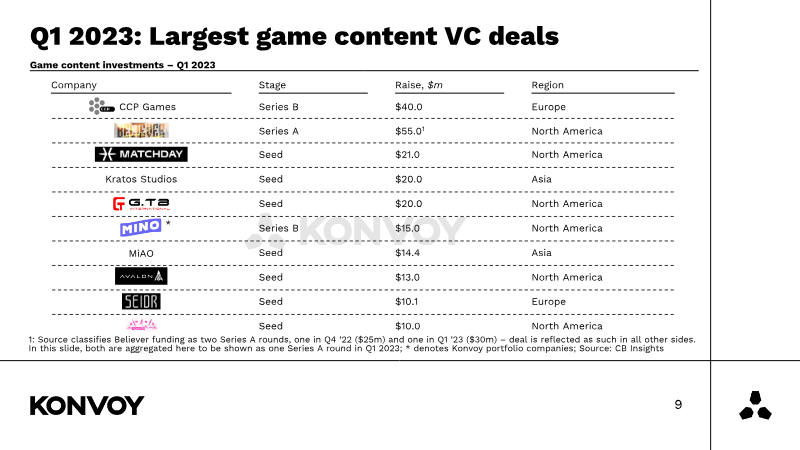
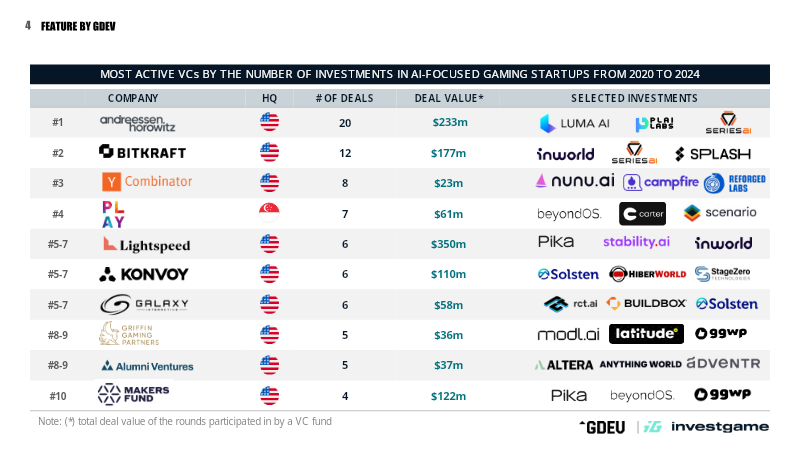
An estimated $7–$8 billion in venture capital has been invested in the gaming sector. To meet standard return expectations, approximately $40 billion in exits are required.
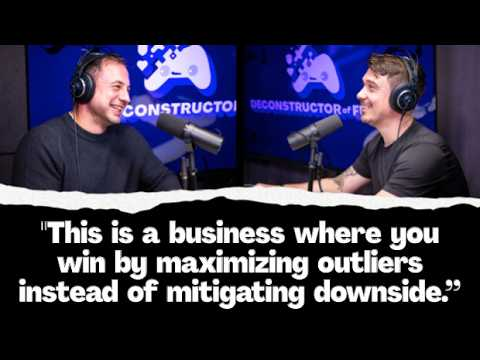
The video game industry is currently navigating a period of investor skepticism following a cycle of over-capitalization and under-performance. Industry veteran David Gardner, co-founder of London Venture Partners, suggests that the influx of billions of dollars during the pandemic led to bloated development budgets and unsustainable project timelines. With approximately $7 to $8 billion in venture capital invested in gaming, the industry faces a significant gap in returns, as investors typically require roughly $40 billion in exits to meet standard venture capital benchmarks.
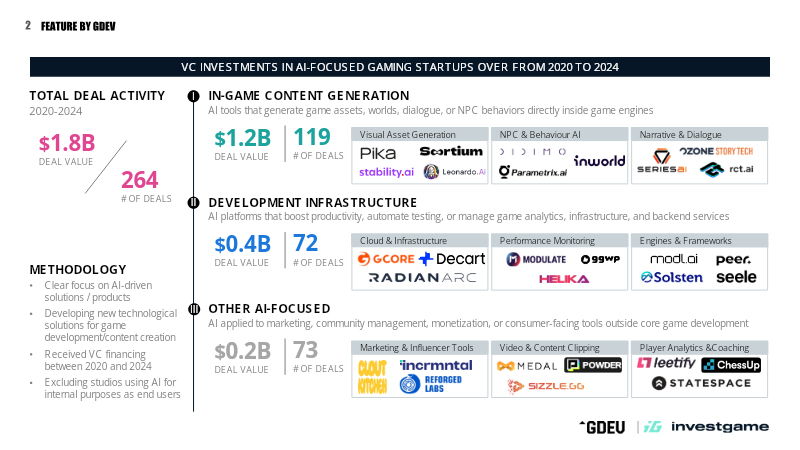
Artificial intelligence is positioned as a potential catalyst for renewed investment interest. By enabling smaller teams to accelerate development cycles and rapidly validate game concepts, AI could help shift the industry away from high-risk, long-term development models toward more agile, cost-effective production. The goal is to reduce the time and capital required to determine if a project has commercial viability, effectively lowering the barrier to entry for new intellectual property. While AI will not replace the need for high-quality creative talent, it serves as a tool to compress development timelines and improve operational efficiency.
In addition to AI-driven shifts, alternative funding models are emerging to address current market constraints. Griffin Gaming Partners has introduced a $100 million special opportunities fund that focuses on project-based financing rather than traditional equity stakes. By taking a minority share of a game’s revenue, this model aims to keep studios incentivized while providing necessary capital without the dilution associated with standard venture funding. These developments reflect a broader industry effort to recalibrate investment strategies, move past the failures of previous cycles, and foster a more sustainable environment for game development.
The Game Business · 2026

The Game Business · 2026
The Game Business · 2026
The Game Business · 2026
The Game Business · 2026
The Game Business · 2026
The Game Business · 2026
The Game Business · 2026
The Game Business · 2026
The Game Business · 2026

The Game Business · 2026

The Game Business · 2026
Deconstructor of Fun · 2025