1 free read left. Create a free account for unlimited reading + AI research.
Create free account
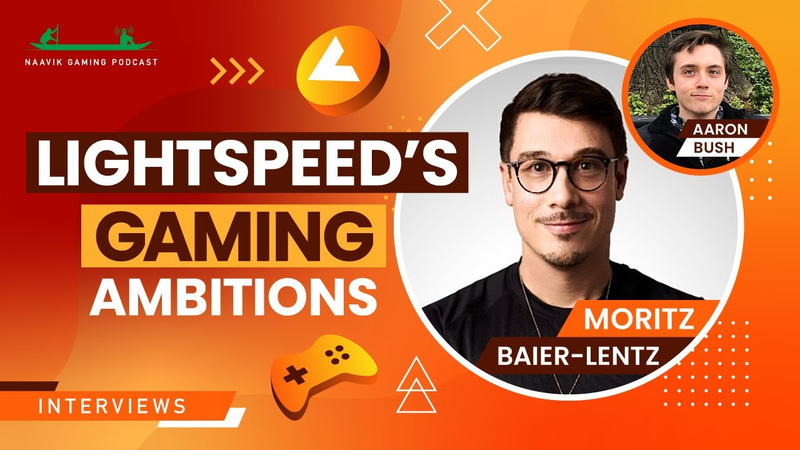
Moritz Baier-Lentz: The State of Gaming VC - Naavik Gaming Podcast
Key insights
6 takeaways- 01Lightspeed Venture Partners manages $18 billion in assets and has deployed over $300 million across more than 30 gaming investments, supporting companies from seed-stage to pre-IPO.
- 02Investment success is increasingly tied to backing teams with proven commercial experience at major studios to ensure board-level collaboration on core game design.
- 03Early-stage gaming valuations are projected to decline by 30% to 50%, prompting investors to prioritize lean operations and profitability over deal volume.
- 04Startups are advised to maintain at least 24 months of runway and focus on achieving tangible market milestones rather than relying on speculative capital.
- 05The industry focus has shifted from Web3 hype toward practical AI applications, specifically targeting intelligent non-player characters and efficient asset generation.
- 06Emerging 3D creation techniques, including photogrammetry and volumetric video, are identified as key areas for revolutionizing asset production and long-term player engagement.
Ask AI about this video
Transcript
[Music] hold up [Music] hi everyone and welcome to the novice gaming podcast a podcast podcast in which we explore the business and future of video games I'm Aaron Bush and today I'm thrilled to be joined by Moritz Bayer Lance Morts was a competitive gamer went on to build and Lead Goldman Sachs Global gaming practice he spent the past three or so years at bitcraft as a partner on their Venture team and just recently and excitedly joined Lightspeed Adventure Partners to lead the firm's investments into all things gaming so Moritz one congrats on the new role and second welcome to the pod thank you it's actually my second time that's true yeah number two you're in a
rare company to to join as a guest twice so uh exciting stuff um but before we'll talk about light speed in a moment but before um we do that and we lose ourselves in the gaming discussion I actually wanted to start with a tangent here which is that I recently learned that you participate in these wild races uh like the World Marathon challenge which I think is when you run seven marathons in seven days and seven continents which just blows my mind and another one I saw on your profile I'm gonna butcher the name but it's Marathon disables uh which is like in a desert so Boris I just want to know why do you run these crazy races and maybe what's the what's the craziest one that you've done so far well I think the marathon disc tablets is is surely the craziest one to date um will embark on this world Marathon Challenge and as you said run seven marathons on seven continents and seven consecutive days uh the end of this
month so so training is at a peak right now um that might be crazier or not I you know remains to be seen uh they're both reasonably hard to do and require probably a lot of mental strength even more so than physical strength why um you know I don't know how long this podcast is intended to to be but uh you know it's uh in the end I guess in the summary this growth happens outside of the comfort zone and it gets addicting um but with these races that go over multiple days it sometimes gets really dark that I think you only have that perspective and have that reap that reward oftentimes a couple of weeks or even months after they asked it's also a great way to make meet and maintain true friends the the World Marathon challenge I'm actually doing together with a very good friend who I met at the MARTA disabilis both of us suffering through
multiple days self-sufficiently traversing the Sahara me with food poisoning for the first three days which didn't add a lot of fun to it but I mean those are those are events where you really get to know yourself and and others and the two of us already two and a half years ago planned to do this world Marathon challenge together so I'm excited it's finally coming up we're actually using the event to also fundraise um for novel treatment for depression we both had family cases and it's a topic that's close to our heart and um yeah so trying to connect our wild Ambitions also with with causes that we think matter yeah well that's great that's really awesome to hear all of that and especially the part about growth is when you step out of your comfort zone um I love hearing that and I totally agree although I'm not the one running at nights on days on end in the desert
um so maybe I need to up my own game we set up spots for Antarctica uh on on the 31st well let me let me think about that and I will probably need several years of training to feel comfortable doing that but that's fantastic for you and your team and everybody else who um is into these crazy races I will be rooting you on probably uh from very far away on that one but that's really exciting stuff but anyways Sports we should probably talk about video games and Adventure capital a little bit here um and I think we should I know fine let's go ahead and start and just talk about Lightspeed a bit since this is this is new for you too and I guess to start why it has changed why did you join Lightspeed Venture partners and why now yeah so um you know it was completely serendipitous um I was not actively looking
um especially since I love what we were doing at bitcraft um I'm also very proud of of what we all did together over the last two three years there this happened during vacation in Greece of all places and actually in Mainland Greece my wife dragged me into a yoga session that I wasn't particularly keen on then she had to step out herself to take a call and so I was left with one participant and the instructor and it turned out that after a full hour of yoga and some conversation afterward the other participant in me we actually knew each other there was Nicole Quinn who co-heads the consumer practice at light speed and the two of us overlapped at Stanford um and so we we started a conversation there she told me that they'd been looking for someone to up their game no pun in ended in in gaming and that is when the exploration and the process started which took about two three
months and ultimately for me um you know as much again as as I love what we all accomplished at bitcraft it was just a bit too good and too exciting to turn down um this is a firm that manages over 18 billion dollars in assets under management made 500 plus Investments you know many notable ones across Enterprise and and consumer and Healthcare and then fintech and a firm that now wants to start a gaming practice and puts that trust uh to a large extent at least in in my hands um a very compelling value proposition and platform to work from and so it was a hard decision you know I'll be honest about that um but I feel good about it and I feel excited about it and and you know happy to chat a bit about what what we have planned yeah well let's go ahead and talk about that what's the what's the
game plan what is the yeah the planet LCP to build out that gaming vertical what's that going to look like yeah so I think first of all it's important to highlight that gaming is not new to light speed quite the opposite um Jeremy Liu who was I believe the first consumer investor at light speed um has been investing in gaming since 2006 2007 so I think to date we've deployed over 300 million in in over 30 investments in gaming so it's definitely up there among the generalists with with a focus in gaming in addition to I would say a gaming VC industry that has historically been dominated by Specialists like bitcraft like makers Griffin Galaxy and so this is the first proper foot forward I guess in terms of organizational setup will have a three-person core gaming team but I
think one of the things that's exciting for Founders too is we will Loop in experts across the existing consumer and Enterprise investment domains at light speed or where we have people who invested in companies like Snap On the consumer side or stability AI on on the Enterprise side and you know as we all know games basically taking the shape of platforms social networks economies and deeply fueled by core Tech like AI I think those are great you know flexible deal teams that will construct depending on the exact opportunity that we're evaluating will be investing across stages so all the way from the seed stage to a pre-ipo pre-m a stage we have from the get-go dedicated professionals on the core gaming team both for early stage and then growth stage the people I'll be working closest with are Paul Murphy who also heads Europe for light speed and who founded both
dots and giphy and Shan Shan who's been with Lightspeed for three and a half years hedge fund background and she's exclusively focused on growth gaming and has done so for a while so great core team helped by uh you know seasoned investment professionals and and the founders success team gotcha a couple follow-up questions um I guess specifically with gaming what what gaming categories is Light Speed investing in are you kind of covering the Spectrum are you trying to narrow into certain zones yeah so for me this is also something I've spent some time on over the last two months crunching a bunch of data to and also trying to tease out the half historically been actually the Venture return cases and um I think for a lot of people uh the the natural answer would be on the platform and text side pointing to IPOs of Roblox and unity but it is actually
quite remarkable how many VC back but also non-vc backed outside return cases have been content in IP so for us game studios is going to be a focus area um that will primarily be on the early stage side including the seat stage so game studios is one area for us and then what we call gaming platforms which is you know at scale it's something like Discord or Roblox and then third game Technologies which can take many shapes anything that helps with the creation of interactive media experiences from game engines and modding to novel 3D creation approaches to Ai and procedural generation we would even look at advances in computer networking that are closely related to gaming or interactive experiences and anything that relates to technology with regard to the delivery and distribution including even novel
devices including XR so XR and web3 are both things we'll explore but I think a little bit more opportunistically for us to focus is really game studios game platforms gaming Tech okay that makes sense and I guess just as a follow-up obviously one benefit of startups getting to to get investment from Lightspeed is that they get to work with you and that the the high quality team that you outlined is there anything else you just want to add more it's on the kind of support that Founders and companies will get from light speed of if light speed is yeah I mean like yeah to me and and this again this is another topic I've I've spent thinking about quite a bit but I think it's a tripatite value proposition so to speak I mean the one thing and that's probably the most important thing is these are people with authentic and endemic gaming and also founder expertise like I'm not a Founder
myself Paul is uh we were all dedicated Gamers um and we can go beyond the gaming expertise in into consumer and Enterprise um I think the platform is important uh you know I love working hard for Founders and my founder references I think especially in competitive pitch situations are just worth so much um you know in in comparison to what we were doing at bitcraft this is now a platform with significant Capital under management even in this vintage of funds there's seven and a half billion dollars to deploy which I think is hopefully appealing to Founders especially in a in a market that looks very different than it does in the last two years um we also are truly Global in our support um so there are dedicated investment professionals at Lightspeed across North
America Europe Israel India Asia um so we can meet Founders where they are a big part of the lightspeed thesis is also that talent and the next uh you know range of innovation will be found globally which to me with the tools and access to knowledge that we have today makes a lot of sense and that's that's on a firm level that's a thesis and certainly also for gaming specifically that I'm pretty excited about and then lastly I think it's super important to have not just a firm culture but also a practice culture that really puts Founders first um again like the existing Founders and top Founders are really our best um access to deal flow are our best recommendations and competitive scenarios and so I think in an industry that oftentimes glorifies stars and and individual egos we we really believe in true Partnerships and and that those build more repeated success and so
um that's that's the philosophy part of it and then on the Personnel side of things we have a dedicated founder success team so these are on the gaming side five plus uh professionals from the get-go that will help our portfolio companies with PR marketing press and media outreach um executive Talent as well as developer talent and then also Community among the portfolio companies okay cool um and I I definitely want to dig spend a lot of this conversation talking about the Venture Market where we are today as well as some lessons learned that you've had um growing as a VC over the past three years but but one one final question on this before we move to that I'm curious Moritz what did you learn at bitcraft that you want to take over to to light speed and uh I guess similarly is there anything new you're hoping to Pioneer or do differently now that you're at a new place yeah I mean honestly like all the things
I just mentioned um authentic expertise meaningful like Valiant platform and rolling up your own sleeves and then the setting the right culture I would say these are all things I learned at bitcraft and I think especially hens um and the other founding General Partners this is something that was always part of the core thesis of of how to build a VC firm that is actually one that naturally attracts the best talent so I think these um this working mode was very much defined by that shared time together how much we can lean into expertise into platform into culture now with also having experts from other domains that we can bring in with a larger and more Global platform which um uh with with a with it found a success team that is much more scaled than you know what we were at least at this point building at bitcraft I think
that excites me to just lean into all these things that I think matter that I learned at bitcraft just a notch more okay makes a lot of sense uh let's go ahead and talk a bit about you as a venture investor what you've learned over the years and just how you think about a few things uh which I'm curious to unpack and so Morris you've now been in the The Venture Capital game for I guess three years or so and in those three years we've already seen you know an up and down cycle in the market happened pretty quickly um I'm curious like over that time and seeing all of that and operating with a bunch of companies um how have you grown as a venture investor like are there you know any ways in which you look at Investments differently now than when you first started you know it's funny because I think as a as an early stage investor you can really only rate yourself maybe after six or seven years uh you know when when hopefully you have material returns and not just paper gains um until then I guess I'll take
the markups and syndicates uh and follow Investments as at least an indicator that things were going all right um and but coming in in 2020 especially the first half or first nine months of 2020 I think I was actually pretty terrible investor I I didn't lead an investment at bitcraft during that time but I was mostly observing and learning from uh Scott and Jensen the team and I think primarily my problem was that coming from Goldman uh where I'd worked for five years you arrive as a banker with a terrible bias for Action so your your Baseline is to do deals because in banking you actually only get paid on transactions it doesn't matter how much quote-unquote client service you provide and how many meetings you can conduct with any of these large companies that
you're covering you only get a percentage fee paid when there is an IPO or a buy site or sell side advisory transaction and so you know in some cases even if you are advising a company that is uh purchasing another one of course you don't want them to overpay but you certainly want them to pay because if they don't pay at all you make nothing as a banker and so cut coming in with this bias for action was not a helpful thing for an investor role where your job primarily is maybe one of uh of a guardian and not a a guardian of capital and and not uh um you know more more like a sniper rather than uh rather than someone with an automated rifle you know um it's funny because I you know I've been reflecting on that and and oftentimes deal activity is touted as a measure of
success for VC firms I I I don't think it's as good a metric as it's sometimes made out to be ultimately your LPS will judge you based on your returns and one might even say that amount of deals is inversely correlated with uh quality of deals and and returns of your Investments and so you see these League tables in banking where they make sense because the amount and value of transactions advised on is actually representative of the dollars you're making and so the the more the better pretty much in banking NVC I think it's it's a much trickier conversation right that makes a lot of sense um and similarly The Venture Market is also pretty notoriously a power laws driven uh where the you know the standout companies Drive the outsized returns for the industry but also for
Venture investors too and I imagine that that power law Dynamic is even more profound in gaming especially on the you know the content side um just given the kind of the hit driven nature of the industry and so I'm curious with that reality in mind how how do you think about doing what it takes to land in that top percentile um what what do you think that takes to to pull off and practice and what are you doing now at light speed to to ensure as best you can that Lightspeed and the money you're managing there lands in that top percentile of returns yeah ultimately let's take the example of game studios because I think that's a it's a good one um you want to make sure you're backing teams that are that do have a genuine chance at creating something extraordinary and to land in the top one percent that you mentioned extraordinary doesn't even mean Landing
one hit game it needs to be even more than that you're looking for talent that ideally has had previous Commercial Success at a big publisher that was responsible for the creation of a commercial franchise like Call of Duty or fortnite or League of Legends or valorent in a leading position so in some cases as a creator of this IP or as a design director or executive producer um in in some cases um Founders have had previous entrepreneurial successes and and exits so you you know in the absence of a firm recipe to land in that top percentile I think the best precursors you have for taking an informed chart are those previous commercial successes and and and founder experiences ideally you have founder teams that have also previously worked together in a successful scenario
but that's really the most important thing you can pay attention to it's a lot more important to have the right team than you know I would say the right idea from the get-go which oftentimes gets refined during pre-production anyway um you certainly want to make sure it's a team that wants to swing big where the ambition is to build the next blizzard to build the next riot in addition to just make a great first game um sometimes Founders from the get-go focus on cross media experiences and are you know immediately thinking of creating IP that can also transcend into other media categories while that's obviously ambition and ambitious and can result in a bit of diffusion of focus which needs to be managed I think those are all the things you almost want to see and they all have to work out to to land that you
know top percentile that you've been mentioning obviously you can make money with game Studio Investments probably with the top top 20 top ten percent but yeah to build a billion dollar company is is extremely hard that it is yeah that's an understatement I think um but cool uh I guess I also just wanted to ask Morris you've been on a few board of directors um as a VC so far um and to all the entrepreneurs out there uh as you you know look over all the the boards that you've been a part of and the board meetings that you've been in um I'm curious what you've learned about companies who truly make the most out of their their boards or um you know the work the best with their their board members have you spotted any patterns do you have any tips uh would love to hear them yeah I think the the single best advice for Founders that I have for running your board meetings would be to treat
them as joint problem solving sessions with your investors obviously you want to update everyone on um you know product finances Talent Etc but that should take maybe half of the say one and a half hours two hours that are reserved um the other half should be a short list of top two three items agenda items where you believe either thinking through them or obtaining the investor perspective would be helpful investors especially in the early stage are really just trying to figure it out with you ideally at least it's how how we've been treating it at bitcraft and how we're treating it at light speed if that's not the case then maybe you know there wasn't a good investor pick to begin with but we're not there to you know uh observe you and and all your doings with with a Keen Eye like we we
love to help and we know how hard it is and so draw in investors and once they're once they're invested once they've wired the money they're on your site pretty much and so so so leverage them uh I I I I don't see that as much as I would like to see it really why why do you think that is I think maybe it's uh and I think it's in some cases still a bit of mistrust or a perceived misalignment of incentives where sometimes maybe Founders worry that saying the wrong thing or displaying problems prominently um is something that would not be well perceived by VCS but I think we'd rather hear about problems early and try and figure out a solution together with you than than hearing about it late when
it's hard to steer things around mm-hmm yeah that makes a lot of sense to me well cool let's go ahead and shift gears again and talk about the Venture Market we can talk about just kind of the state of the the market right now what you're seeing um in the games Corner specifically and we can kind of hit on a few a few Trends uh and see what else you're you're thinking about for the year ahead but I guess to start um more so I'm curious what your outlook is for the Venture Market in 2023 specifically the the gaming corner of things just in terms of like maybe compared to the past couple of years like the number of deals we'll see or the amount raised um just those kinds of factors uh what are your expectations of how that will change this year yeah I mean obviously none of us have crystal balls including uh VCS uh just don't tell anyone but
um deals very likely at least compared to the 2021 Peak I think 22 is down already a little bit and I'd be surprised if 23 exceeds 21 levels and probably won't exceed 22 levels either um evaluations the way it typically works is that that early stage and private Market valuations follow public valuations they first trickle into the growth stage where we've already seen in secondary markets um you know the large players like epic games Discord uh taking hits on their valuations in in accordance with what we've been seeing in the public markets it oftentimes does take a little bit longer to also reach the early stage private markets but I think we're at that point where at least you wouldn't see anyone going out right now and try and do something crazy um so yeah I mean
my my you know if you want to pin me down on a number early stage valuations will probably go down something in the domain of like 30 to 50 percent oh wow okay well it's not all Sunshine out there I guess and maybe it's a return to normalcy and in some ways definitely at least some some pockets of of the market um but what that means also is that a bunch of companies are some of them are already happening as you mentioned um and some will continue to see more sideways rounds or down rounds and likely feel increasing pressure to you know either run leaner or prioritize profitability more than they would have a year ago and I'm just curious on your conversations with leaders like what are those conversations like right right now and what are you helping CEOs think through there yeah so luckily um uh before my departure at at bitcraft
connect during q1 Q2 and in some cases trickling into Q3 uh this was a big Focus for all the portfolio companies that I'd been working closely with um luckily a lot of them were able to land pretty substantial Capital infusions um you know by around Q3 Theory craft in World Horizon all raised 50 50 and 40 million dollar series a um and so tears right now at least not on the companies that I invested in and the boards that I set on uh which you know obviously those have been to transition transition to bitcraft in the meantime um there are no cases where there is a need to raise Capital at the moment so we try to button that all up and in most cases that was a capital infusion that would get them through the next uh 24 months at a minimum and it's also that'd probably be my advice to if you if you're in a situation where
you need to raise now 24 months is probably a good time and um that might not necessarily mean raising more but that might mean cutting burn uh to to adjust depending on on um how much investor interest you can drum up these days and how does that compare to what companies have normally been raising for over the past couple years um yeah 24 months it seems it seems like an increase but curious what your perception on that is a little bit I mean I would now if you just go by the number of months maybe maybe average was around 18 months or so but I think it's better to think about it in terms of what is the next Milestone that you're going for and solving for that um in the end between one fundraise and then next you want to show one substantial means of progress for an early game Studio that could be
uh building a prototype putting out a playable launching in the test Market especially anything that helps collect data points and even if that's just play testing data ideally it's it's Market data of sorts and if it's not launch data and installs and usage it could be something like pre-registration steam wish list activity in an environment like this Founders will look for substance as much as possible and so I would I would look at the development plan figure out what's a realistic timeline to reach that next Milestone add a bit of buffer and let that determine how many months of burn should be covered in the next race that's smart let's go ahead and talk about a few corners of the gaming Market here and what you're what you're seeing in and thinking about and maybe let's begin with what was all the rage
the past couple years web 3 gaming which I guess is what we're calling it now the name changes all the time um but clearly there was a lot of fomo broken economic models and it's since been been pretty slam not just from the hype cycle but you know frauds and hacks and Bad actors as well and hopefully it's taught both Founders and investors to be more prudent there but I'm curious from your perspective when you look at web3 what are you focused on right now if at all um and how are you approaching and ensuring that you don't fall into the the same pitfalls that other people did um over the past couple years yeah so this was I think it's it's very easy in general to have hindsight on things it's it's a lot harder when you're in the moment of a potential major shift um you know which web3 certainly has the
capacity to to be that driving force and it still has I think it's a lot more it's a lot trickier to be cautious and not lean in as an investor because obviously you don't want to miss out like fomo is real um and it results in discussions that are analytical and critical internally at VC firms but still literate with emotions and cognitive biases this is an incredibly hard task to get this stuff right um and at bitcraft we you know had different perspectives on how much we should lean into the space how important we thought uh this domain would be for the future of gaming how much we should give in on a bar for talent uh going into this space versus quote unquote traditional or web 2 Gaming how much we should lower the bar for what is an acceptable price or dilution along the
way I think um a pitch that was too focused on things that just mattered a little bit less than the fundamentals which is building a great game that is fun I came up with this super lame thing to say return to fundamentals you know yeah okay um but essentially if you look at blockchain as uh you know as a value driver I think that can be a fallacy I think in itself it's more a means of value distribution the the value for any media category including gaming comes from how many eyeballs it can attract for how long for that good game design with good core loops with social dynamics to draw people in for months for years is so much more critical than how value will be distributed through blockchain blockchain can be a tool for Value creation especially when it becomes an incentive for Community for you know
offload building marketing into a community for incentivizing maybe players to create levels and items for your game but I think you can get around the core principles of of good game design and so I look at web 3 game studios and I've always looked at what three game studios simply as game studios and then whether they want to use web3 and whether they only use blockchain for you know taking a novel approach to digital identity as it's an ownership that's all fine but um we can discuss this on page seven of the pitch you don't need the word web 3 or crypto on the cover to me it's like saying hey we're building a an Amazon web service based game Studio fine if if you want to use that as your back end but again like let's talk about the game let's talk about who the people are who are founding this game studio um what games they've built previously what games they've shipped previously and let's talk about what you really
want to build as an experience for players and then we can talk about your back end and then we can talk about whether you want to use the blockchain or not but yeah some so to me web3 yeah we look at web 3 game studios because we look at game studios yeah we also look at uh Amazon web-based Amazon web services based game studios yeah and I guess like a next step and kind of that line of questioning too is like well you know you need the blockchain or then like what if you're an investor like is it in tokens is it in equity um and it seems like over the past year it's been interesting to see The Innovation I guess you could call it Innovation and just like financing models and like how how teams are are raising money in different ways um obviously with you know some broken economics underneath and a lot of cases but I'm curious from from your standpoint more it's obviously you're focused on the fundamentals of the game itself first and foremost but when it comes to investing are you open to
investing and holding tokens do you mainly want Equity like as as a VC kind of where do you land in that spectrum of things yeah so I mean first of all we have a we have a blockchain sector team at Lightspeed as well and then we also have faction uh which is an Affiliated fund of of light speed that focuses exclusively on web3 um across gaming but also other sectors so there's certainly team members and and folks that are actually looking full time at blockchain web3 so by all means as a firm and you know certainly from the gaming side I wouldn't want to miss out on a great Studio platform or technology we can hold tokens as a firm too so so there is that option for us with tokens again I come you know to me this is yes this is an innovation in in in the industry but in the end as an exchange for between like all ownership and the price you pay and you know whether that be in the form of equity or tokens at least ultimately or in the
long run should really not make a major difference from my perspective gotcha that's interesting well let's go ahead and shift from talking about what was all the hype last year to what seems to be all the hype right now which is AI um based on what you're seeing in Deal flow where are we right now and the hype versus reality Spectrum how real and And Timely truly is AI in games right now do you think yeah I mean so AI has been a topic that's been fascinating me for a while actually in in 2010 I took um machine learning I think it was back then it was called intelligent machines classes as part of my CS degree and even during my time at IBM and then even at Goldman 2 had always had one eye on AI because it was clear that this would be a fundamental value driver um I came back to this article that Tim
Urban wrote the author of wait but why amazing block by the way I think in 2015 or 16 he had a great long form piece the road to Super intelligence with this curve that just goes um you know exponentially and and you know us us standing here and this is the history and then kind of like goes almost vertical from there it's a bit scary to think about and when you look at chat GPT it just feels so real and you wonder especially with the emergence of you know gpt4 and and and and other innovations that are coming out over the next years and this is just what you see as a consumer you don't even know what's going on under the hood that's not public um yeah I mean you can easily spend all your time exploring that as an investor and it will have implications for many sectors I think that's absolutely true to say does it have major implications for gaming I think so um I mean in world
was probably one of my favorite Investments at bitcraft where we let the seed in December 21 amazing group of people with really deep expertise especially in conversational AI even reaching back prior to the the Siri days and building a platform for intelligent characters and NPCs and in video games effectively in Unreal Engine or Unity but not for environments and and visual design but for characters and logical designs so you would find yourself in these immersive environments and have totally natural and unscripted conversations with a correct you know characters from a wide variety of background and personal attributes and behavioral styles that you can build within minutes this stuff already works it's just fascinating and then you know especially over the last I guess two months what we've seen around
automated 2D and even 3D asset generation on top of my journey and and stability AI companies like scenario G3 for 2D or Luma with Nerf and procedural 3D creation on on the 3D side it's really mind-blowing and it's very different from the tools that were available to developers six months ago will that have implications on the development pipeline like concept art for example it's very easy to see how you know producing concept art is just now a matter of minutes versus hours and days um and assets for especially mobile games you know if you just need another potion in your in your inventory you know to create another 100 or or even isometric visuals it's also a matter of minutes these days I think it's very hard to say from an investor perspective what makes for a great investment in in Venture return case like you know we're lucky to
on the Enterprise side to have invested in stability AI so so the underlying I think the underlying corn which is all built that seems to be a a value driver everything that's built on top of it it's always hard to um to know whether that additional layer will have enough technological differentiation and also whether having that dependence on the core technology will will ever allow you to really break out into a venture return case um you know if you take Unreal Engine in fortnite a big part of fortnite success is because epic games can obviously always access the bleeding edge of of the Unreal Engine and they build Unreal Engine in conjunction with fortnite no other game has that that luxury and so you know not not not not many games can can leverage and and um capture the value that stems from
that in the same way I think that's one helpful framework also to look at procedural generation and AI right now all the rage is stability Ai and Mitch or any I haven't seen anything on top at least on the gaming side where I've pulled the trigger um in world is still my only AI gaming investment but it's very likely I would say that 23 will be a year for me where where you know there is a number two or three investment in that space yeah that's all really interesting uh well what about the the games themselves more it's um you know what type of games or Founders or companies or specific genres um are you looking for in terms of backing the studios that are are making these new upcoming games foreign yeah so I think you know I noticed this for myself that I probably have a bias toward um Triple A cross-platform experiences that stems a little bit from my own gaming background
um you know by the way we didn't touch on this during the blockchain discussion but I think it's it's also sometimes a little bit too easy to fall in love with Concepts um that can happen on the AI side too um if you you know I I love the idea of true digital identity and assets and ownership but frankly you know in 2003 when I was selling all these items playing Diablo 2 and and funding my my college in grad school effectively through just custodial Market making no one really cared that these characters or items for property of blizzard and that you had to go to Great Lengths with high friction through eBay and uh you know synchronous meetups in the game to trade the items like this still all felt like your character and your item and no one really worried about blizzard taking it away from you you know it's I think
maybe on the AI side too you look at gbt and you're like wow this is the everything machine and then you spend a bit more time with it and accuracy is actually a big issue right like I think I think it's super interesting to see out what would happen on on on whether Microsoft or others together with open AI can actually build a Google search competitor that is more compelling because right now I would still rather use Google search than chat GPT um and sometimes the initial results are very impressive but it's really also hard to take it to the next level because um inaccuracy supercharged is still inaccurate and you know adding adding more compute to the same flawed logic doesn't necessarily turn it around but I'm not an AI expert to have an opinion on that but it's you know that's that's kind of like what you struggle with as a VC too it was what makes our job pretty hard but you know I'm not
complaining so um back to the game studios I personally have a bias for AAA cross-platform um experiences like people who've who've had their design and Publishing shops at blizzard Riot epic games and are setting out to build a new game Studio that ultimately can can step into that Legacy of these these big companies that they left um Paul who also heads Europe for light speed and is part of the core gaming team um has tremendous steel flow in Europe and is a little bit more mobile focused based also on his personal experiences with dots and giffy and then Sean looks at growth gaming and agnostic between AAA and mobile but probably also leaning a little bit more on the mobile side at that point you can you can look at some scaled Publishers with multiple IP assets under their belt and so that's that's probably on a high level how well
divided up ultimately what we look for is top talent um and that's probably more important much more important for me than a specific thesis uh on a genre or or type of game you're building for we obviously want to make sure there is enough substance in the market and demand in the market but um you know those those top teams that are going for their ideas have usually done their homework on that and so it's less of a concern gotcha that makes sense well we've talked about web3 we've talked about AI we've talked about the game studios themselves I'm curious if there's anything else that you're excited about um in in the games industry right now is there anything maybe that doesn't get enough attention that you want to shout out as an area or two that you're looking at um yeah I think um I think there's a slate of Novel 3D creation techniques that don't deserve uh oh you know don't get enough
attention not not the attention that they deserve and these are techniques such as Nerf or photogrammetry or volumetric video If you think about how we produce most uh photorealistic looking content in 2D so um that's that's typically photos we we leverage reality to create photorealistic 2D assets and it's a very contrived way of saying if you see a nice Sunset let's say do you take out your your phone to capture a picture of it or do you open up Photoshop and try and recreate it digitally I would say for most people it's probably the former and those photos look pretty good and they can also be moving photos or videos so we figured that part out but for 3D somehow we don't do it this way if you want a video game with your cat in it let's say you wouldn't think about taking out your phone and holding it
around your CAD while it moves along and and then you upload that into Unity or unreal and you have a perfect like 3D model of your cat people people shake their head and it's like well that's not how it works well actually I mean volumetric video and and Nerf has come a long way and I think what we're starting to get there that paired with AI Technologies it would make sense that ultimately for photorealistic 3D Creations you also start with reality and you don't start digitally from nothing um but it's super hard but I think that's also a super interesting area yeah well I'd love to talk more about that but we gotta we gotta start wrapping so maybe a final question for for you more it says if any entrepreneurs want to reach out uh where can they best contact you or the the broader Lightspeed team foreign obviously they can go to our website lsvp.com um or they can just Reach Out directly
to our team members and me I'm at Moritz at lsvp.com you know we'll we'll answer any inbound we receive awesome well Moritz thank you again for joining me today I can't wait to to follow along with everything you're gonna do at Lightspeed and best of luck in 2023 thank you thanks for having me and to all of our listeners if you enjoyed this episode please make sure to give us a like subscribe five stars it would mean a lot we'll put the links to all things Moritz and Lightspeed in the episode description below and of course we'll drop some links to novice resources as well thanks for listening and we'll catch you next time [Music] hold up [Music]
Summary
Lightspeed Venture Partners has established a comprehensive investment strategy to navigate the evolving gaming landscape, leveraging $18 billion in assets to support studios, platforms, and infrastructure technologies. By integrating a specialized core team with broader enterprise and consumer expertise, the firm aims to provide global, multi-stage support for developers ranging from seed-stage startups to pre-IPO companies. This approach builds upon a long-standing commitment to the sector, characterized by over $300 million in historical deployments across more than 30 gaming investments.
The current market environment necessitates a disciplined, sniper-like investment philosophy that prioritizes quality over deal volume. With early-stage valuations projected to decline by 30 to 50 percent, founders are encouraged to focus on lean operations and profitability. Investors are advising startups to secure at least 24 months of runway, emphasizing the importance of tangible milestones and market data over speculative capital. Success in this hit-driven industry remains tethered to backing teams with proven commercial experience at major studios, ensuring that board interactions function as collaborative problem-solving sessions rather than administrative updates.
While the industry has shifted its focus from the hype surrounding Web3 toward the practical applications of artificial intelligence, the core investment thesis remains anchored in fundamental game design and long-term player engagement. Rather than chasing backend trends, capital is being directed toward studios that utilize AI for meaningful innovation, such as intelligent non-player characters or efficient asset generation. Furthermore, significant potential exists in emerging 3D creation techniques, including photogrammetry and volumetric video, which promise to revolutionize asset production. By maintaining a cautious stance on technological overhype and focusing on top-tier talent, investors aim to foster sustainable growth in a maturing global gaming market.