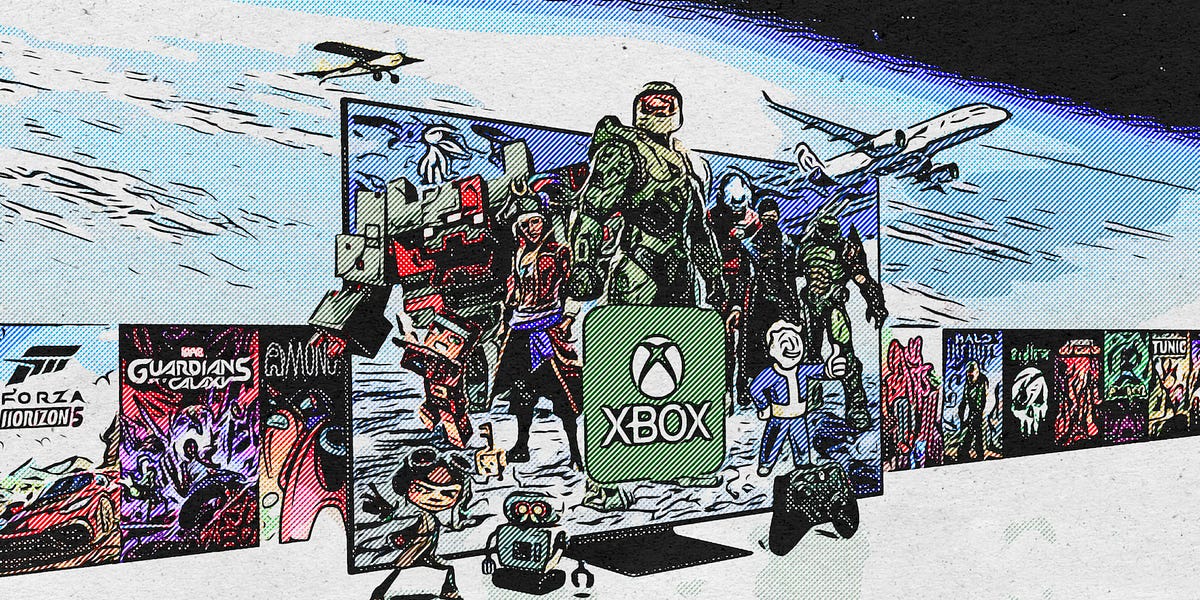
The gaming industry is currently navigating a period of divergent pricing strategies as major console manufacturers respond to macroeconomic pressures, including inflation and the implementation of new tariffs. Sony has opted to increase the price of its PlayStation hardware, reinforcing its position as a premium luxury brand despite recent record-breaking quarterly revenues. Conversely, Microsoft is exploring a two-pronged approach for its Game Pass service, signaling potential new tiers that include both higher-priced options for premium access and more affordable, potentially mobile-focused, entry points to expand its subscriber base toward a 100-million-user goal.
Beyond console hardware, the industry is seeing significant shifts in distribution and engagement. Payment infrastructure firms like Appcharge are gaining traction by enabling publishers to bypass traditional app store fees, a trend bolstered by recent legal rulings against Apple and Google that have weakened platform dominance. Simultaneously, collaborative efforts such as the "Play Instantly" feature on Discord are attempting to solve long-standing challenges in game discovery and user acquisition by allowing immediate access to titles without downloads.
The broader landscape also reflects a strategic pivot toward digital integration among traditional brands. LEGO is aggressively expanding its digital footprint through collaborations with Epic Games, prioritizing long-term cultural relevance over short-term gains. Meanwhile, celebrities are increasingly utilizing platforms like Roblox for high-engagement virtual events, further cementing gaming as a primary channel for audience reach. These developments collectively indicate a transition where power is shifting away from entrenched platform holders back toward developers and publishers, who are increasingly leveraging direct-to-consumer models and established brand identities to navigate a saturated market.