1 free read left. Create a free account for unlimited reading + AI research.
Create free accountWhitepaper Breda University of Applied Sciences
1 free read left. Create a free account for unlimited reading + AI research.
Create free accountWhitepaperBreda University of Applied Sciences
The approach links energy, shipping, and protected-area decisions to simulated ecological outcomes. This makes the consequences of spatial choices visible to stakeholders.
This study examines how Ecopath with Ecosim (EwE) ecosystem modeling can be combined with the MSP Challenge serious-gaming platform to support transboundary maritime spatial planning. Its central argument is that serious games provide an effective communicative and learning tool for stakeholders, and that linking planners' decisions about energy, shipping, and protected areas to simulated ecological outcomes can make the consequences of spatial choices visible and engaging. To keep execution fast enough for interactive sessions, the ecosystem models are deliberately simplified, typically to around 30 to 35 functional groups, up to five fleets, and no more than 10,000 spatial cells.
The platform translates planning actions into spatially explicit pressure grids covering noise, surface and bottom disturbance, artificial substrate, protection, and fishing intensity. Two case studies, the North Sea and the Firth of Clyde, test this integration. Calibration improved model fit substantially, with the North Sea AICc falling from -305.4 to -443.4 and the Clyde model's falling from -221 to -277. Outcomes are reported as biomass, catch, and simplified indicators such as the large fish index and Shannon diversity, giving participants uniform-scale feedback.
The simulations reveal strongly nonlinear, cascading food-web effects, with cod, sandeel, and sprat among the most affected groups, and combined pressures frequently diverging from the sum of individual effects. Species distributions respond differently to noise, surface disturbance, and fishing displacement, and the Firth of Clyde shows larger overall impacts than the North Sea because of its spatially constrained ecosystem. The authors conclude that the approach is feasible and engaging, while acknowledging limitations including simplified pressure categories, linear response functions, and limited empirical validation, and they emphasize the need to balance model complexity against participant learning.
Breda University of Applied Sciences · 2026
Breda University of Applied Sciences · 2026
Breda University of Applied Sciences · 2026



Breda University of Applied Sciences · 2026
Breda University of Applied Sciences · 2026
Breda University of Applied Sciences · 2026



Breda University of Applied Sciences · 2026
Breda University of Applied Sciences · 2026
Breda University of Applied Sciences · 2026
Breda University of Applied Sciences · 2026
Breda University of Applied Sciences · 2026
Breda University of Applied Sciences · 2026
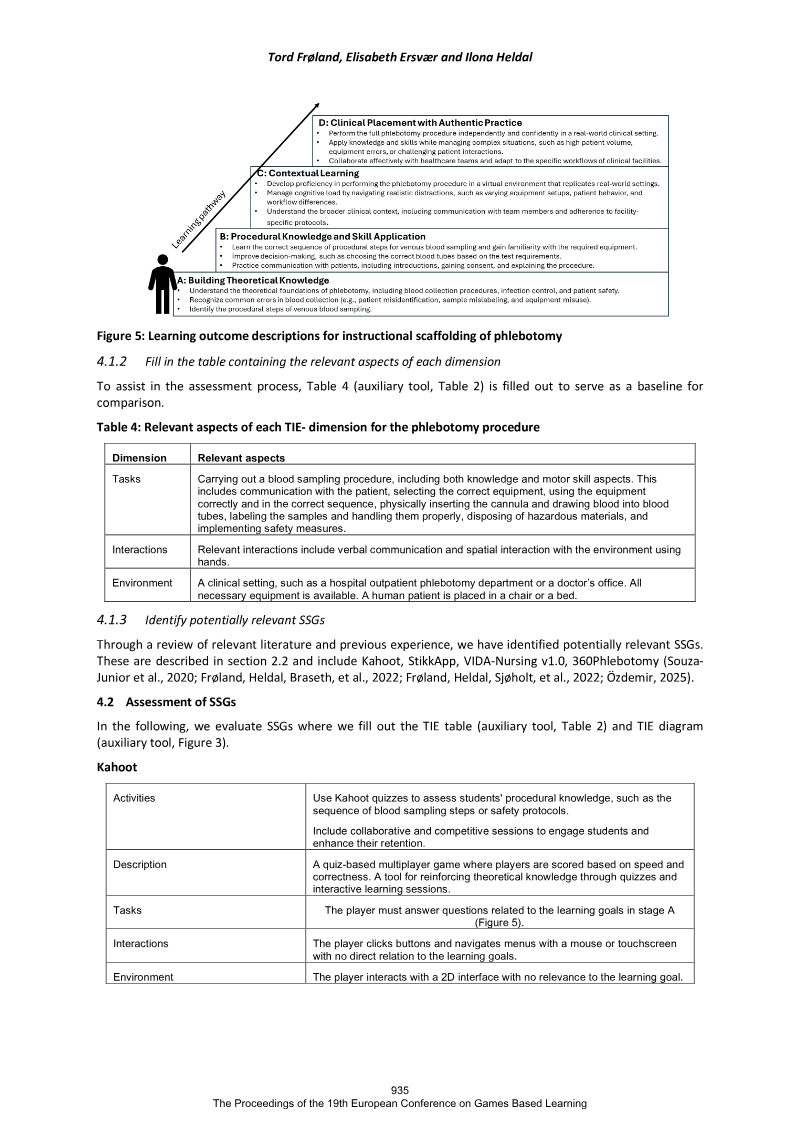
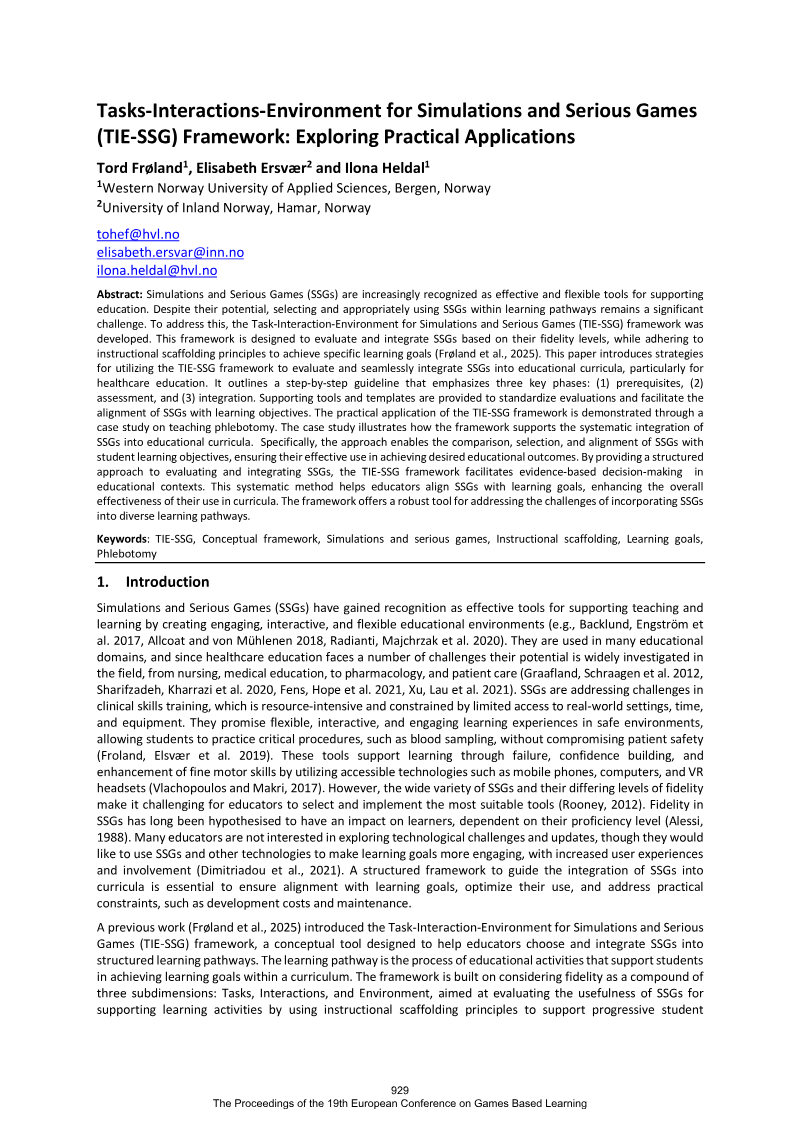
Western Norway University of Applied Sciences · 2025
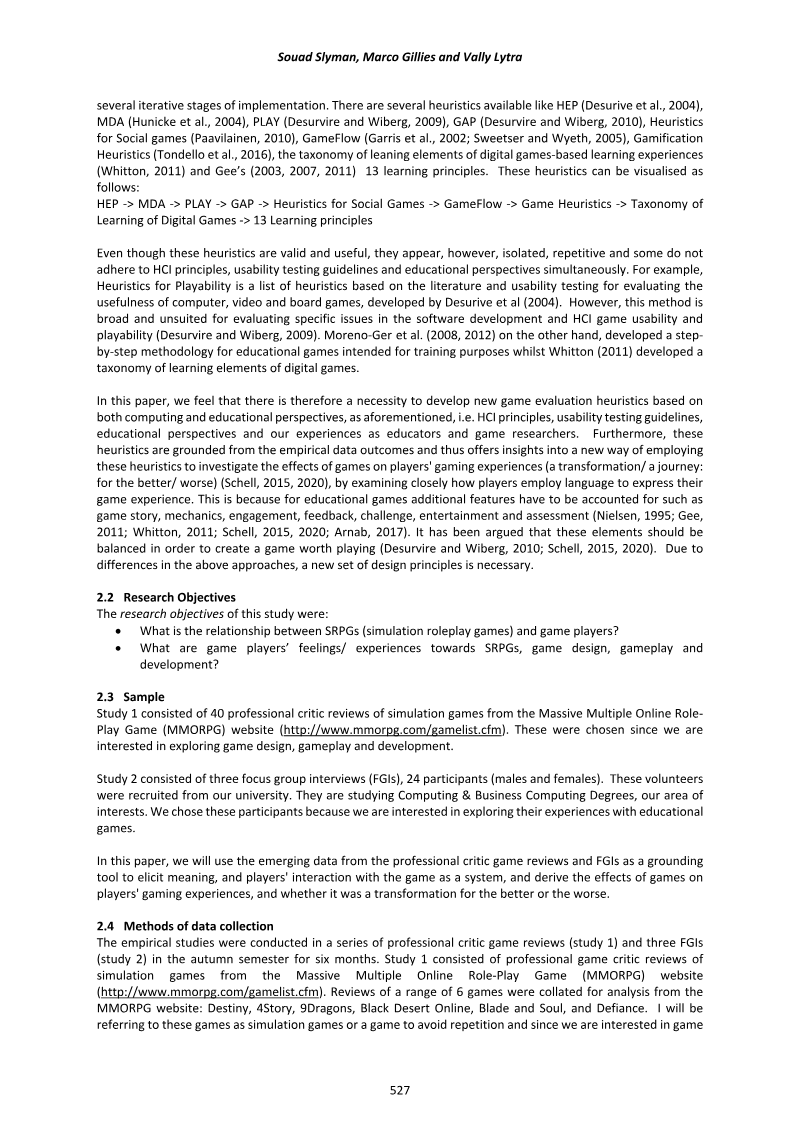
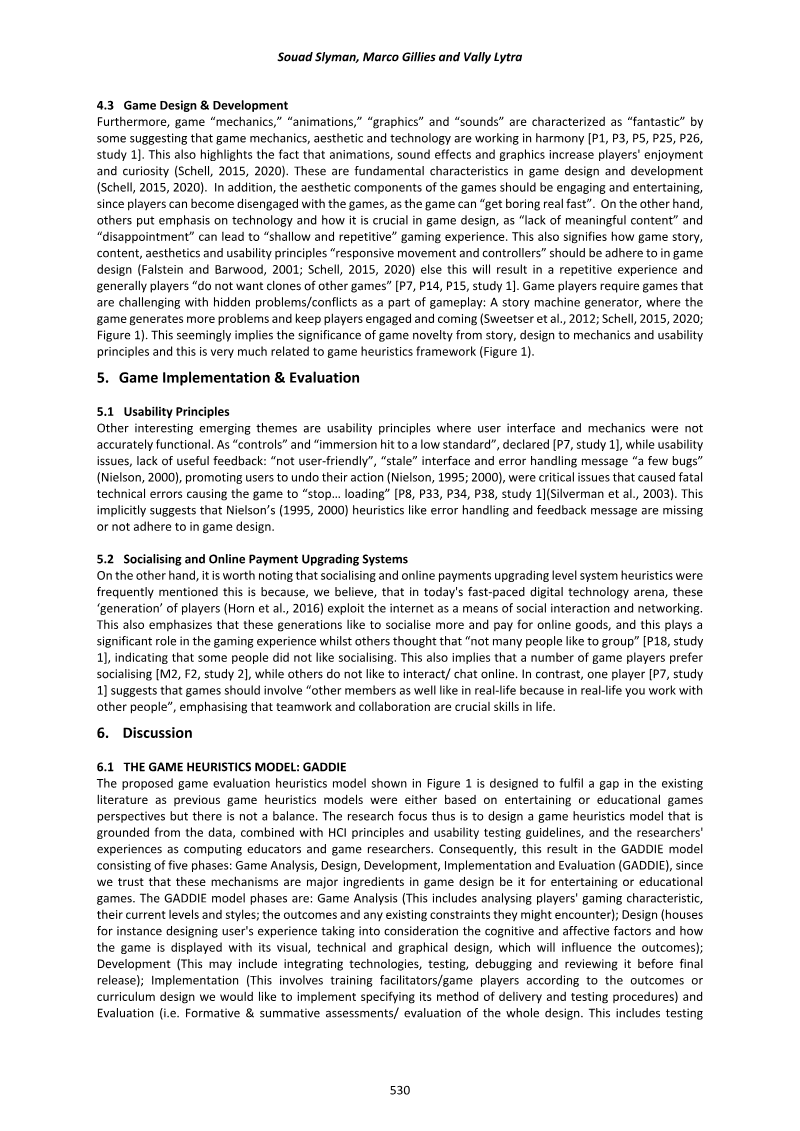
European Conference on Games Based Learning (ECGBL) · 2022
International Journal of Serious Games · 2016