1 free read left. Create a free account for unlimited reading + AI research.
Create free accountWhitepaper International Journal of Serious Games
1 free read left. Create a free account for unlimited reading + AI research.
Create free accountWhitepaperInternational Journal of Serious Games
An analysis of ten energy-focused games revealed that current offerings promote awareness but lack compelling engagement loops and strong narratives.
Key finding. Existing energy games often fail to sustain long-term user interest.
The Powersaver Game project establishes a framework for utilizing user-centered design to influence household energy consumption through persuasive gameplay. By integrating real-world energy-saving missions with direct feedback from smart electricity meters, the initiative seeks to bridge the gap between virtual engagement and tangible behavioral change. The core thesis posits that long-term conservation habits are best fostered when game mechanics—such as personalized avatars, progressive difficulty, and social interaction—are explicitly linked to a user’s actual domestic energy environment.
An analysis of ten existing energy-focused games reveals a critical industry shortcoming: while current titles effectively promote awareness, they frequently fail to sustain long-term interest due to weak narrative structures and a lack of compelling engagement loops. To address these deficiencies, the proposed prototype prioritizes a narrative-driven experience that transforms mundane energy management into a series of meaningful, family-oriented challenges. This approach moves beyond simple data visualization, instead employing an iterative design process that ensures in-game tasks directly mirror and reinforce real-world conservation activities.
The scope of this research encompasses the intersection of persuasive technology and domestic utility management, drawing on academic foundations to validate the efficacy of gamification in environmental advocacy. By synthesizing real-time data with structured gameplay, the project aims to move beyond theoretical models to provide a practical tool for energy reduction. Future efforts will focus on empirical evaluations to measure the precise impact of these design elements on user attitudes and actual household electricity usage, ultimately aiming to standardize how serious games can facilitate sustainable living practices.
International Journal of Serious Games · 2023
International Journal of Serious Games · 2022
International Journal of Serious Games · 2020
International Journal of Serious Games · 2020
International Journal of Serious Games · 2020



International Journal of Serious Games · 2020
International Journal of Serious Games · 2020
International Journal of Serious Games · 2020
International Journal of Serious Games · 2020
International Journal of Serious Games · 2020
International Journal of Serious Games · 2020
Air Force Institute of Technology · 2020
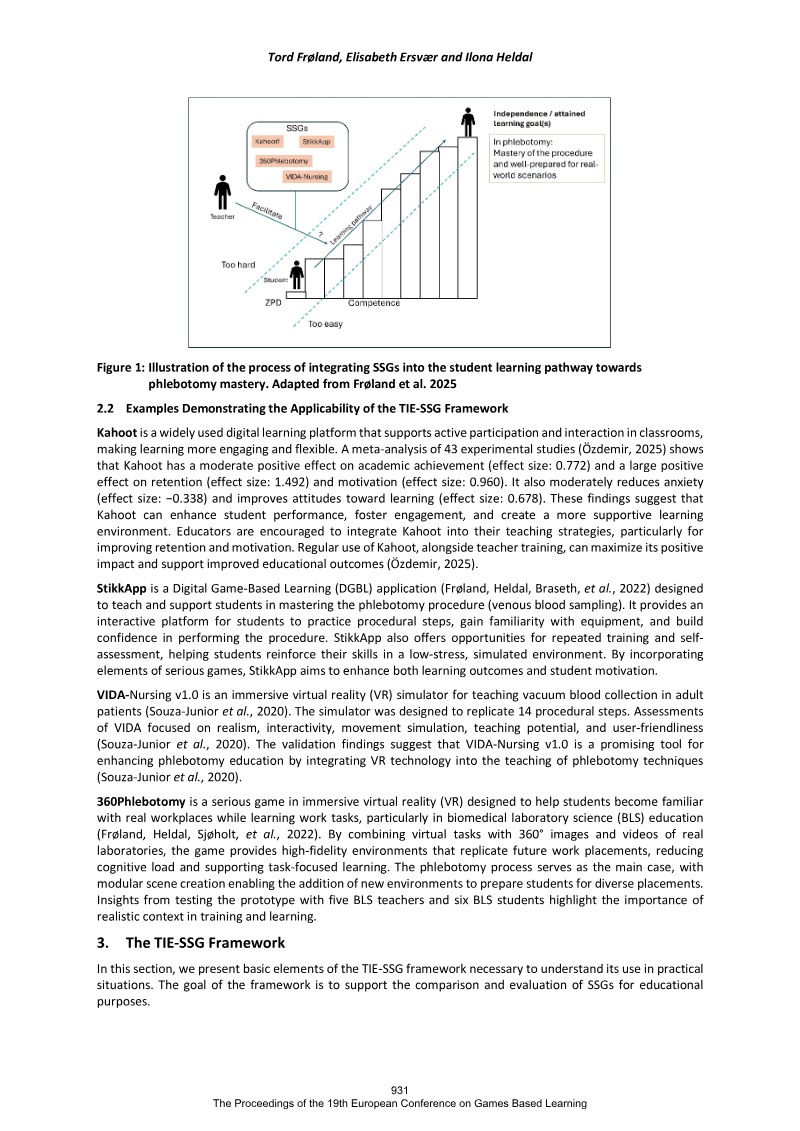
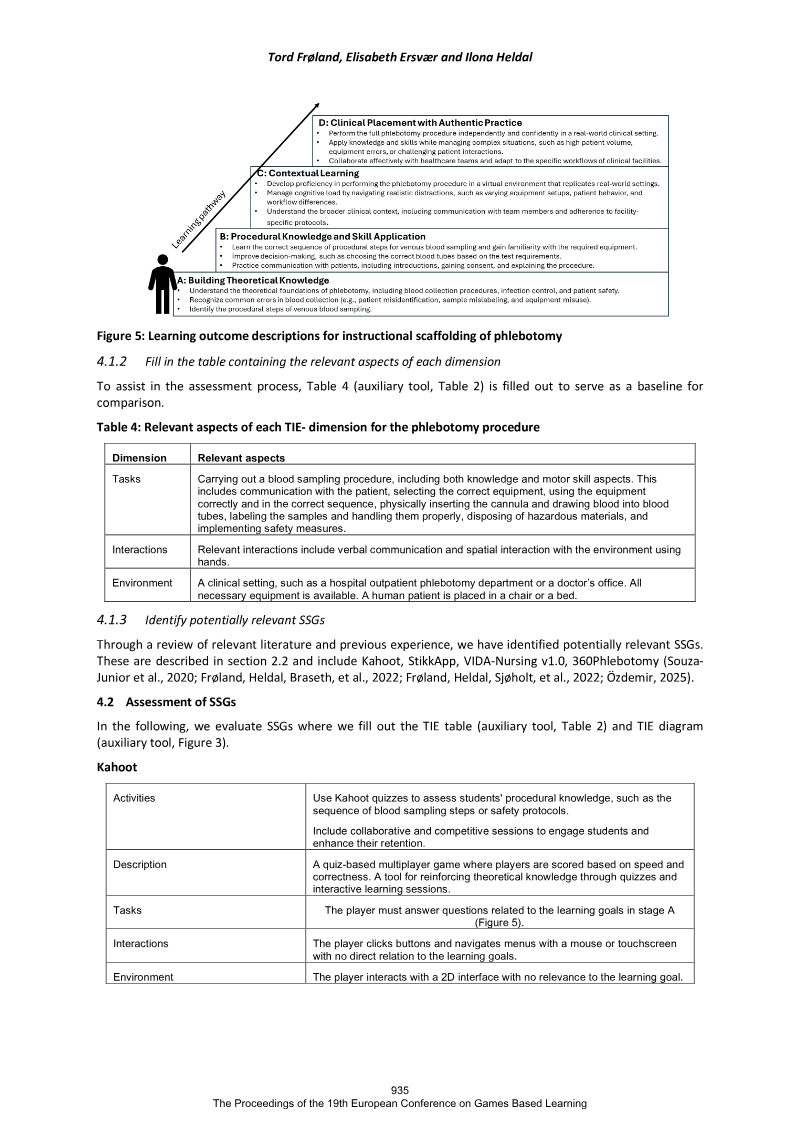
Western Norway University of Applied Sciences · 2025
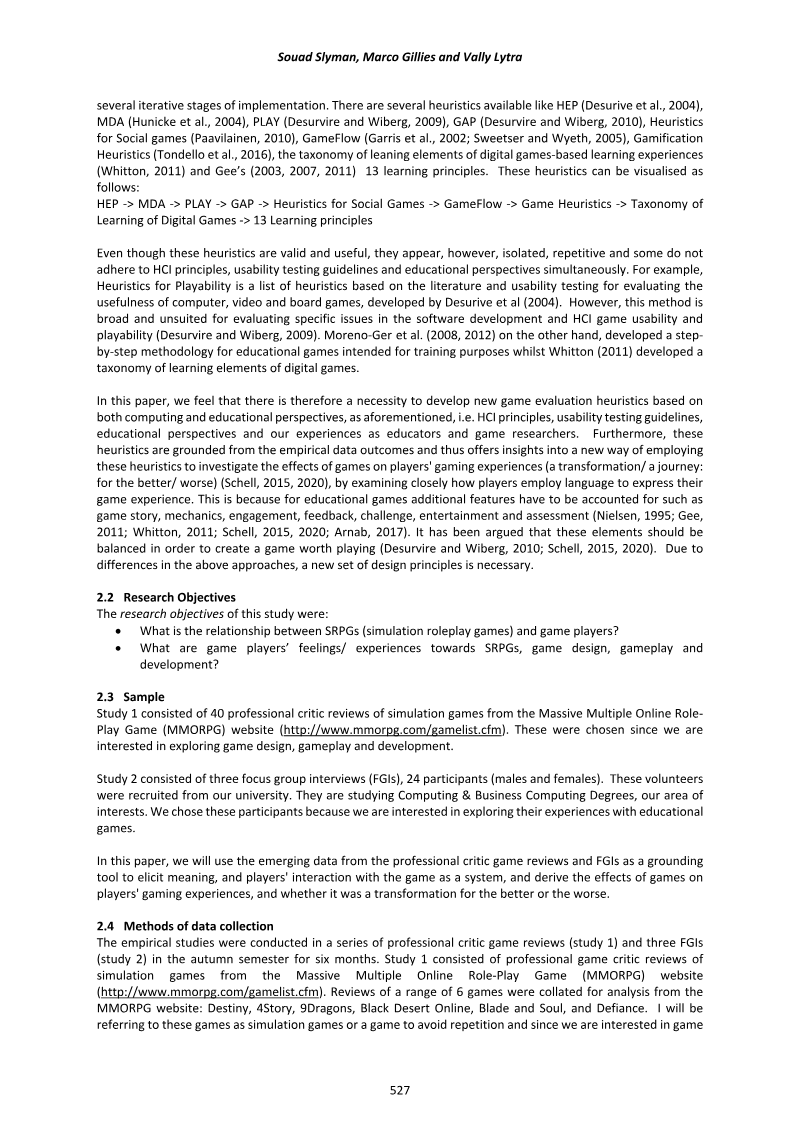
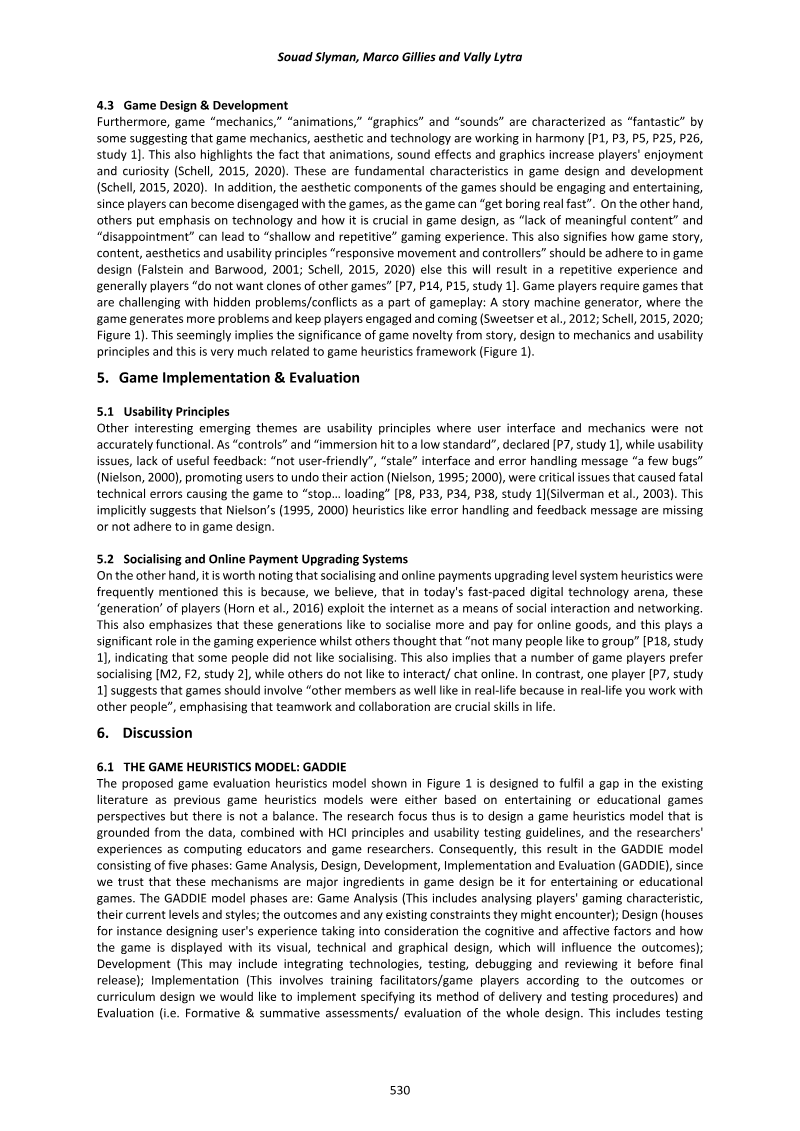
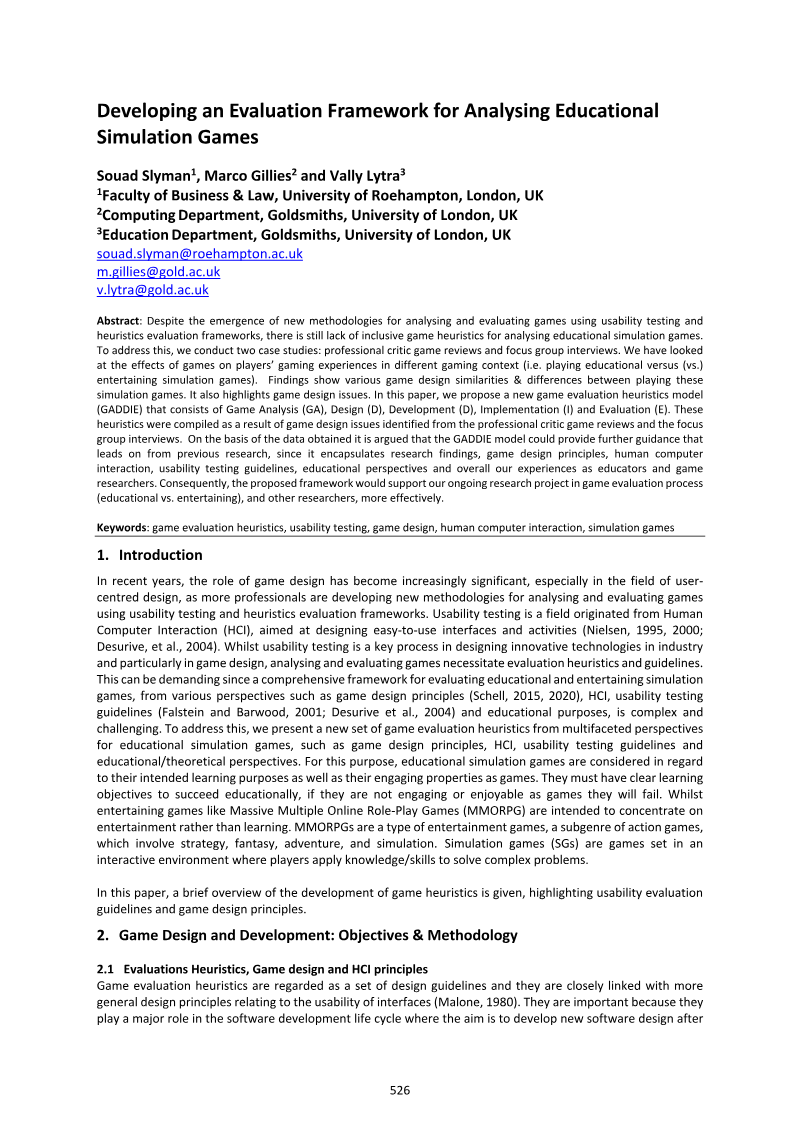
European Conference on Games Based Learning (ECGBL) · 2022
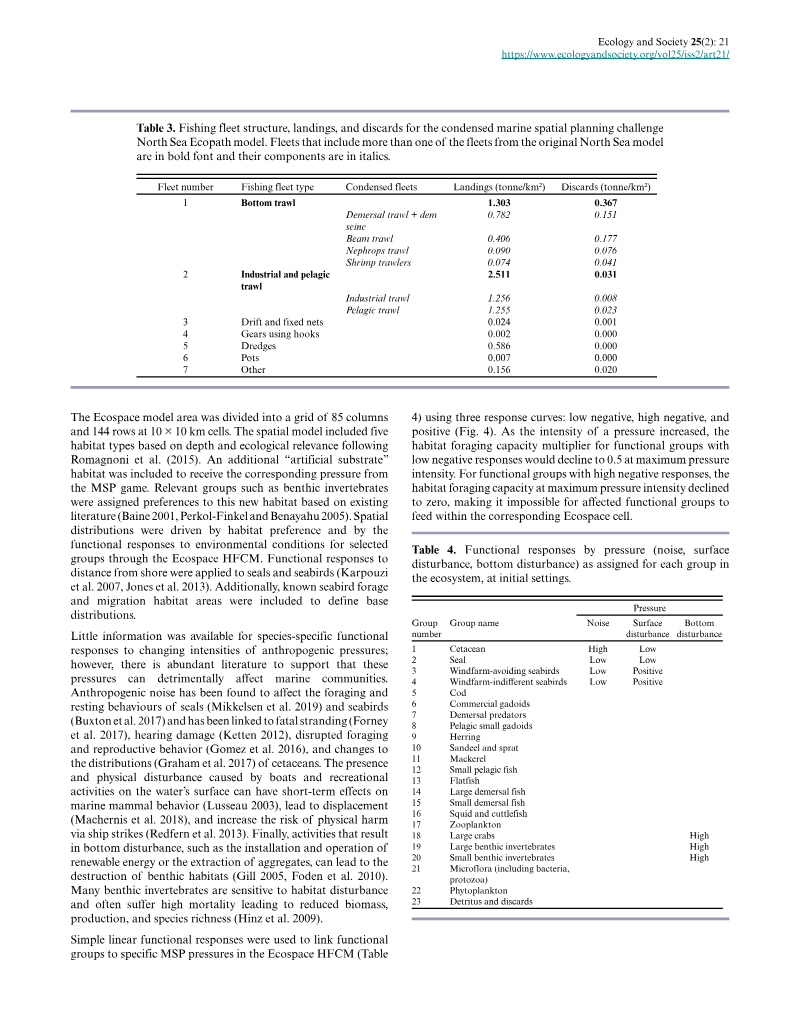
Breda University of Applied Sciences · 2020