ArticleGameDiscoverCo
Clair Obscur & Drive Beyond Horizons: Subgenre + Execution = Hit
6 May 20251 page~12 min full read
Key insights
5 slides
Market context
Modern hit games combine undersupplied subgenres with precise execution.
Commercial success in the modern video game market is driven by identifying undersupplied subgenres and executing gameplay mechanics with high precision. Lean, mid-sized teams can achieve significant market penetration by addressing specific player needs.
Key number
Clair Obscur sold over 2 million copies in its first 12 days.
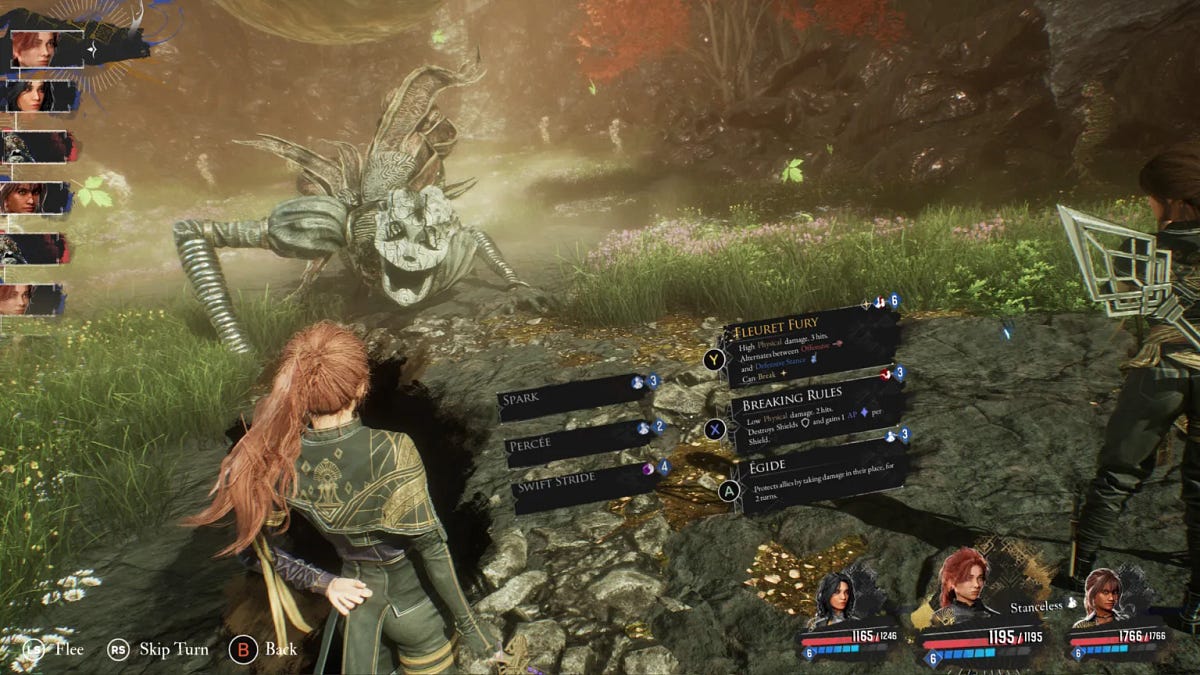
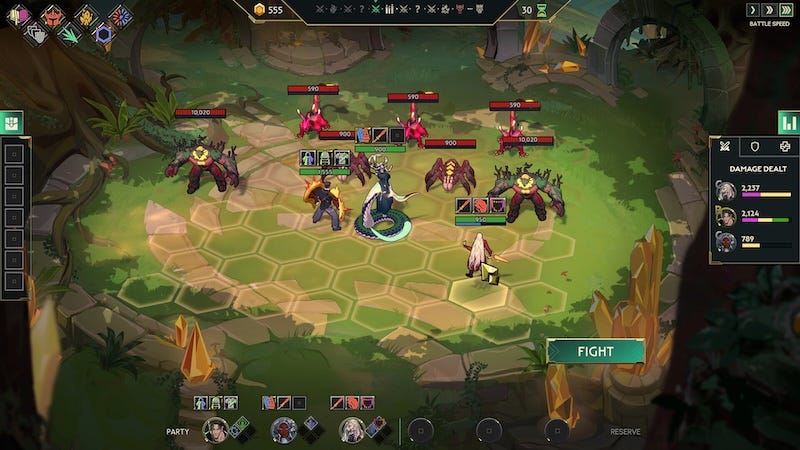
Clair Obscur: Expedition 33 achieved 2 million copies sold within its first 12 days by blending turn-based RPG mechanics with real-time elements to modernize the genre. Its visual aesthetic resonated with Western audiences while maintaining strong performance in global markets, particularly China.
What changed
Mid-sized teams can penetrate markets by addressing overlooked player needs.
Mid-sized development teams can achieve significant market penetration by addressing specific player needs that larger industry players have overlooked or failed to optimize. Developers should not assume market saturation in specific niches; rather, they should focus on refining mechanics and delivering high-quality execution.
Strategic takeaway
Understanding genre expectations while subverting them rewards developers.
The current gaming landscape rewards developers who demonstrate a clear understanding of genre expectations while maintaining a willingness to subvert them. Western-developed titles that incorporate specific regional aesthetic preferences can maintain strong performance in global markets, including China.
How it was measured
The analysis relies on proprietary sales estimates, Steam data, and review sentiment.
The analysis relies on proprietary sales estimates, Steam platform data, and review sentiment analysis. The scope covers the global PC and console market, with a specific focus on trends observed in early 2025.
1 / 5
Ask AI about this report















Comments